Maine / Northeast
Rapid River
A remote Rapid River report for fly-only brook trout and landlocked salmon, Middle Dam access, release checks, hatches, flies, and safety.
Image: Deck (looking right) overlooking the Rapid River on the Summer House at Forest Lodge / CC BY-SA 3.0 / BeverkdFishability now: Rapid River fishability today
UnknownData confidence: Medium44/100
Check live sources first because flow has been checked, weather is mild, and no public alert is active.
Flow observed
Not returned
Weather observed
5:00 PM UTC
Score calculated
5:23 PM UTC
Why this rating
Flow
Weather
Public alerts
Next 6-12 hours
Hold
Wait for a better live check before committing the drive or choosing a wading plan.
Flow check
No live chart
Current trend: previous-score comparison will become more useful after repeated live checks.
More planning details: flies, flow bands, and live source checks
Fish it today
Start here
Start with Maine special laws and release context, then choose a conservative Middle Dam, Carry Trail, or lower-river plan that has a clear return route before selecting large dries, streamers, or soft hackles.
Best flow clue
Use SafeWaters release context and current local access information before committing. Without a verified public live gauge for the exact Rapid reach, visual safety, weather, and dam context matter more than one number.
Skip trigger
Skip the Rapid when releases are heavy, trail or camp logistics are unresolved, the special-law reach is unclear, trout are stressed by warm low water, or safe bank travel depends on conditions you cannot verify.
Flow decision bands
Release context supports wading
Use SafeWaters regional release context first, then confirm trail access, visible water, and safe exits before stepping in.
Best remote trout window
Workable release context, cool weather, clear special-law reach choice, and a conservative return plan make the Rapid most useful.
Heavy release or trail uncertainty
Pushy water, unclear Middle Dam access, poor trail conditions, or weak exit timing should stop the remote wade plan.
Warm, crowded, or conservation-sensitive
Warm brook trout water, camp-window pressure, or repeated fishing over visible fish can make a famous pool a poor choice.
Flow check
No live chart
Current trend: previous-score comparison will become more useful after repeated live checks.
No structured live flow
Use the linked flow and access sources before deciding.
Live NWS forecast
72F / Sunny
Water temperature not verified
Heat guidance uses weather and river type unless an official water-temperature value is available.
No NWS alert flag
No active NWS alert was returned for this forecast point.
Maine special laws list fly-fishing-only water and brook trout release rules for the Rapid.
Release timing changes wading, crossing, and presentation choices.
Carry Trail and camp logistics are part of the fishing plan, not an afterthought.
Brook trout are a special resource here; keep handling short and conservative.
Editorial review
How this report is maintained
This report is maintained from current regulation, access, flow, weather, and public planning sources so anglers can make better trip decisions than a raw gauge or generic overview would allow.
Byline
BlueStreamFly editorial team
Reviewed by
BlueStreamFly source review
Maintained by
Mountain Brook Run LLC
Last material review
2026-06-02
Report confidence
Good confidence
82/100
Good confidence: SafeWaters release context, Maine 2026 laws, Maine IFW fishery material, weather data, and source-reviewed Rapid River planning support the page. Confidence is moderated by no verified exact live gauge, remote access logistics, trail status, special-law boundaries, and brook trout handling risk.
Regulations
Maine 2026 laws and special-law tools support the legal-check path for the Rapid River.
Access
Remote access guidance is practical but exact trail, camp, dam, and private or conservation boundary checks remain day-specific.
Flow and weather
SafeWaters regional release context and weather are attached, but no exact public live gauge was verified for the Rapid reach.
Fishing usefulness
The page now separates release context, remote trail access, special laws, brook trout handling, crowd timing, and Rangeley-area backup choices.
Fishability dashboard and source review
2026-06-02 / material content or source review
Brookfield SafeWaters Aziscohos and regional release information, Maine 2026 fishing laws and special-law tools, Maine IFW Rapid River fishery material, National Weather Service point data, and source-reviewed remote-access guidance were checked before updating the current-fishability decision layer.
2026-06-02
Updated Rapid River to the current fishability-page standard with release-context bands, remote trail access cards, brook-trout backup cues, stable fishability SEO, and confidence signals.
2026-05-29
Added Rapid River trip-fit guidance, release-source framing, remote access and carry-trail nuance, special-law reminders, brook trout handling caution, backup-water suggestions, editorial review signals, and a page-specific report-confidence meter after source review.
2026-05-24
Initial source-reviewed report published with flows, weather, hatches, flies, tactics, access, regulations, and FAQs.
Angler planning edge
Local details that change the plan
Best for
Experienced Maine anglers planning a remote brook trout and landlocked salmon day around Middle Dam and access logistics, Walk-in, camp, or carry-trail trips where release context, special laws, and safe exits are checked before fly choice, Dry fly, streamer, soft-hackle, and nymph plans that can adjust when the river is too heavy or too clear, Conservation-minded anglers who will keep brook trout handling short and stop when warm or low water makes releases poor
Wade or float
Treat the Rapid as a remote walk-in and wade report. The useful question is not casual floating; it is whether release context, trail access, camp logistics, and the exact rule boundary support a safe short session.
Best flows
Use SafeWaters release context and current local access information before committing. Without a verified public live gauge for the exact Rapid reach, visual safety, weather, and dam context matter more than one number.
When to skip
Skip the Rapid when releases are heavy, trail or camp logistics are unresolved, the special-law reach is unclear, trout are stressed by warm low water, or safe bank travel depends on conditions you cannot verify.
Local plan
Start with Maine special laws and release context, then choose a conservative Middle Dam, Carry Trail, or lower-river plan that has a clear return route before selecting large dries, streamers, or soft hackles.
Pressure
Pressure is limited by access but can concentrate during famous hatch windows, camp weeks, and fall fish movement. A hard-to-reach river can still fish crowded at the obvious pools.
Access nuance
Access is part of the fishing decision. Trail, camp, dam, and private or conservation boundaries should be confirmed before travel, especially if the plan depends on moving downstream.
Backup water
If the Rapid is too heavy, warm, crowded, or access-limited, compare the Magalloway, East Outlet Kennebec, or North Maine Woods regional options before forcing the day.
About the river
Setting, character, and why it fishes the way it does.
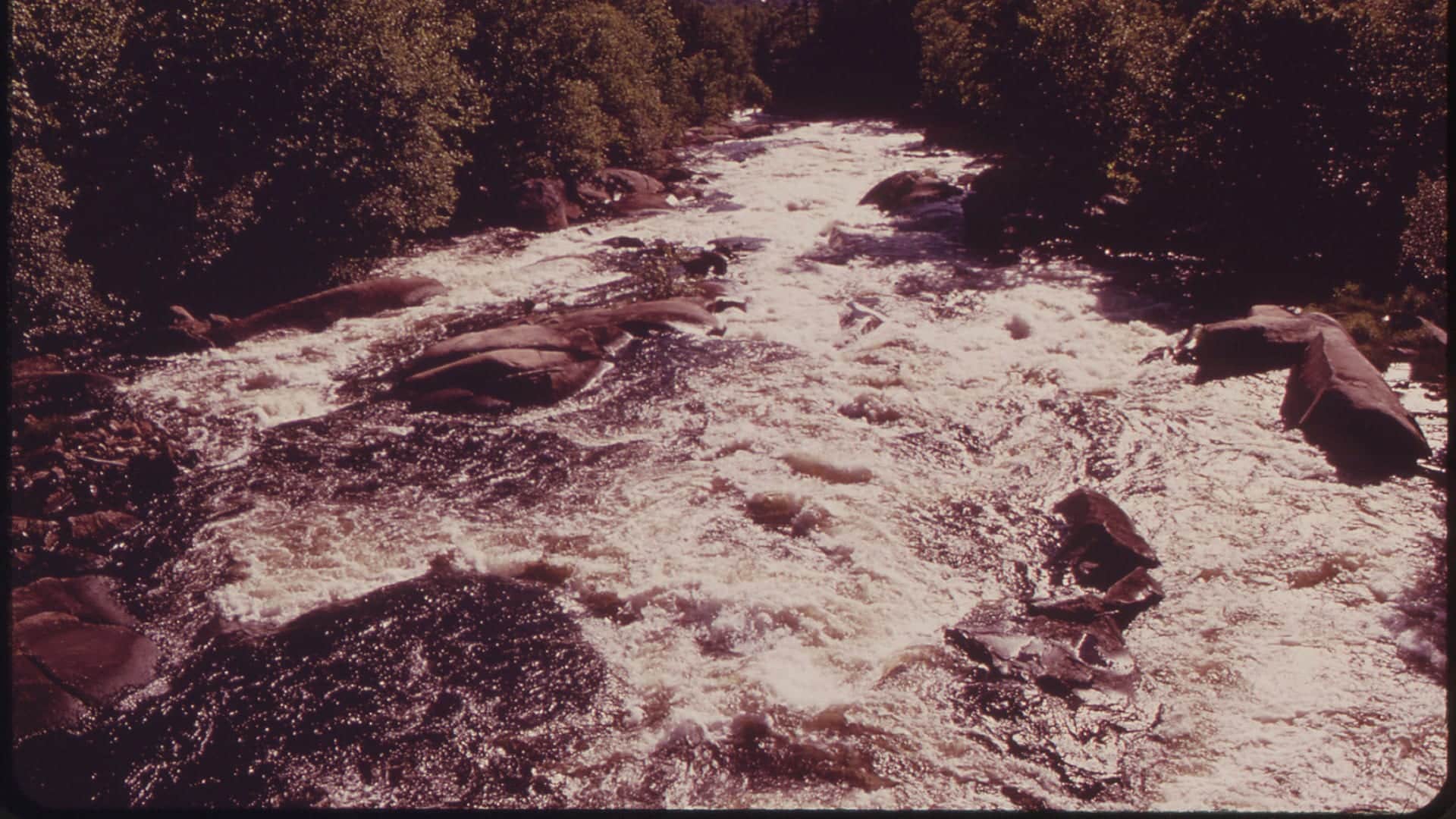
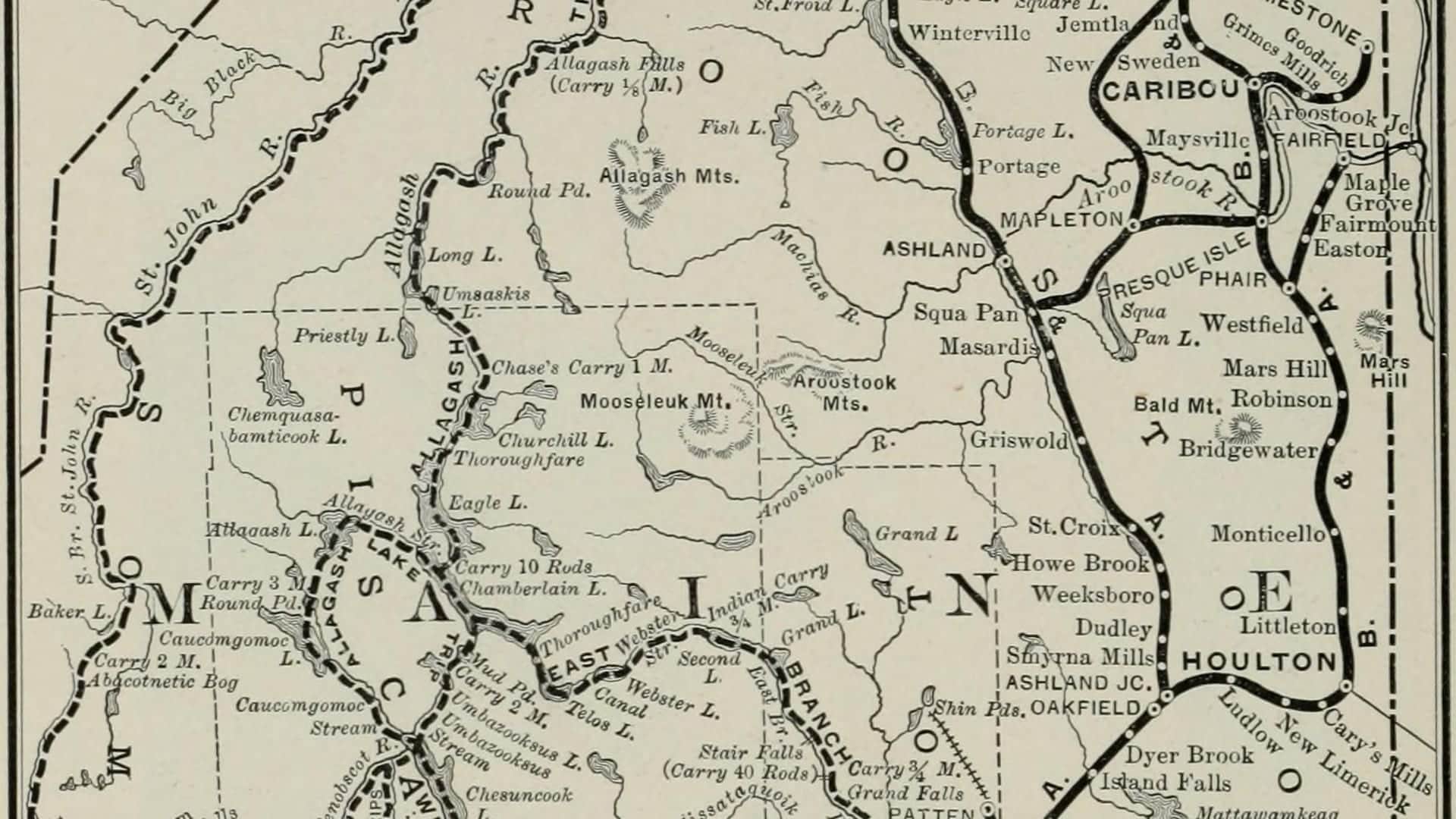
The Rapid River is one of western Maine's best-known wild brook trout and landlocked salmon rivers, flowing between Middle Dam and Umbagog-connected water.
It is short in mileage but big in character: heavy pocket water, deep pools, remote access, and dam-controlled changes make it more demanding than its length suggests.
The river's story is tied to native brook trout, salmon forage, sporting-camp history, and modern conservation work around coldwater habitat and non-native bass pressure.
Target species
Brook trout
The signature fish. Maine rules and conservation context make careful release essential.
Landlocked salmon
A strong secondary target when flows, forage, and rules line up.
Smallmouth bass
A management concern in the connected system, not the reason to fish this page.
Forage fish
Smelt and other forage help explain streamer and salmon windows.
Reading the water
Fishable release
Work pocket edges, pool heads, and tailouts without forcing dangerous crossings.
Heavy release
Use bank-safe water or skip it; the river can become too powerful for practical wading.
Low clear water
Go smaller, stay back, and favor soft-hackle, dry-dropper, and careful dry-fly presentations.
Warm water
Use a thermometer and avoid stressing brook trout during warm or low periods.
Best seasons
Spring
Streamer, nymph, and early hatch windows can be good when access and flows allow.
June
Often the most complete fly window with caddis, mayflies, and fishable cold water.
Summer
Temperature, pressure, and release timing become the main filters.
Fall
Check the exact September closure and catch-and-release language before planning.
Flow
Rapid River release and access check
No matching RiverReports page or reliable public USGS graph was verified for the Rapid. Use SafeWaters/Middle Dam release context and current access information before wading.
Official water source
Brookfield SafeWaters regional release information
Use the official release source as regional dam context, then verify current Rapid River access, trail, and rule details before committing to a remote wade plan.
Open official sourceWeather
River weather report
Weather can change wading safety, road access, water temperature, hatches, and the best time of day to fish.
Live forecast loads as you reach this section
This keeps the report fast while still using the official National Weather Service forecast point.
Hatches and flies
Hatch chart and fly picks
April to May
Midges, early black stones, BWOs, smelt or baitfish movement
Zebra midge, black stonefly nymph, BWO emerger, soft hackle, smelt streamer
Late May to June
Caddis, mayflies, stoneflies, early terrestrials
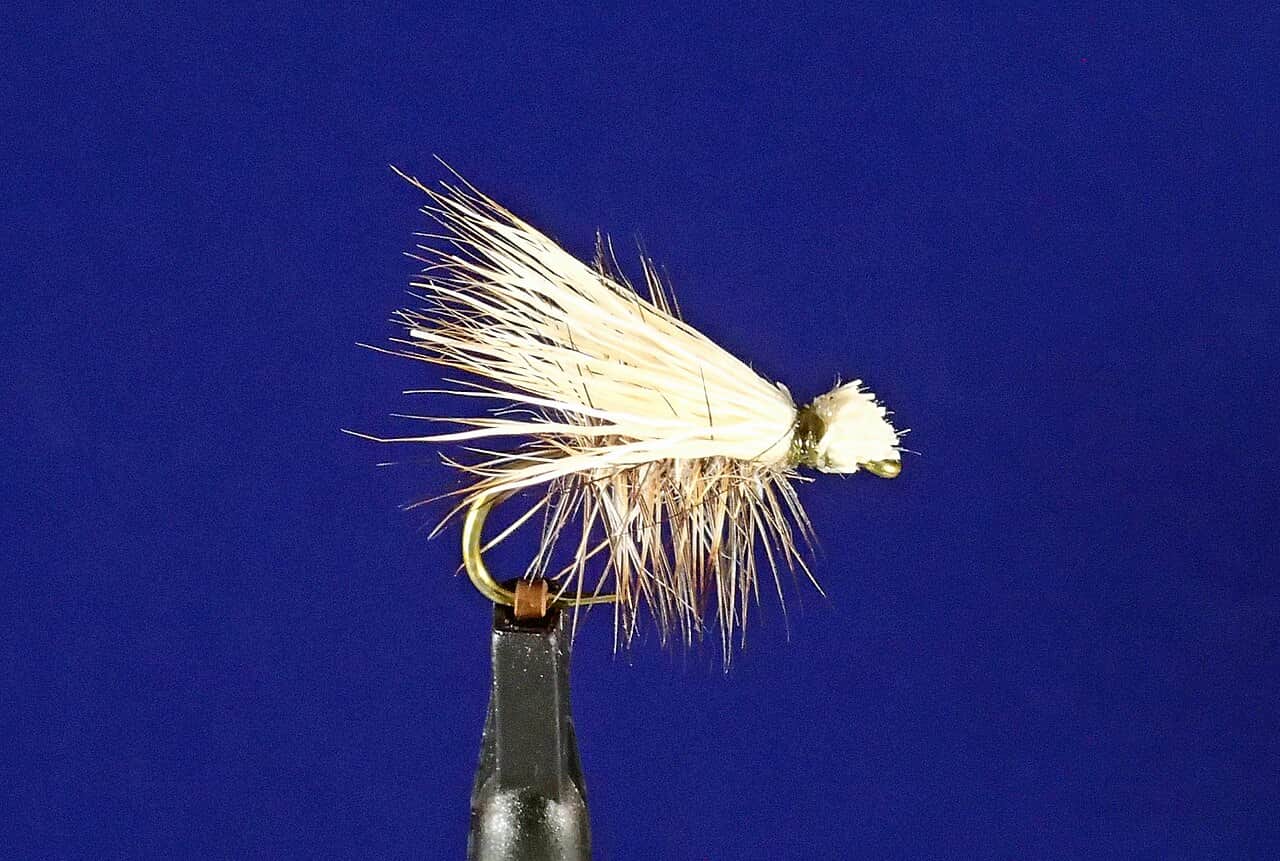
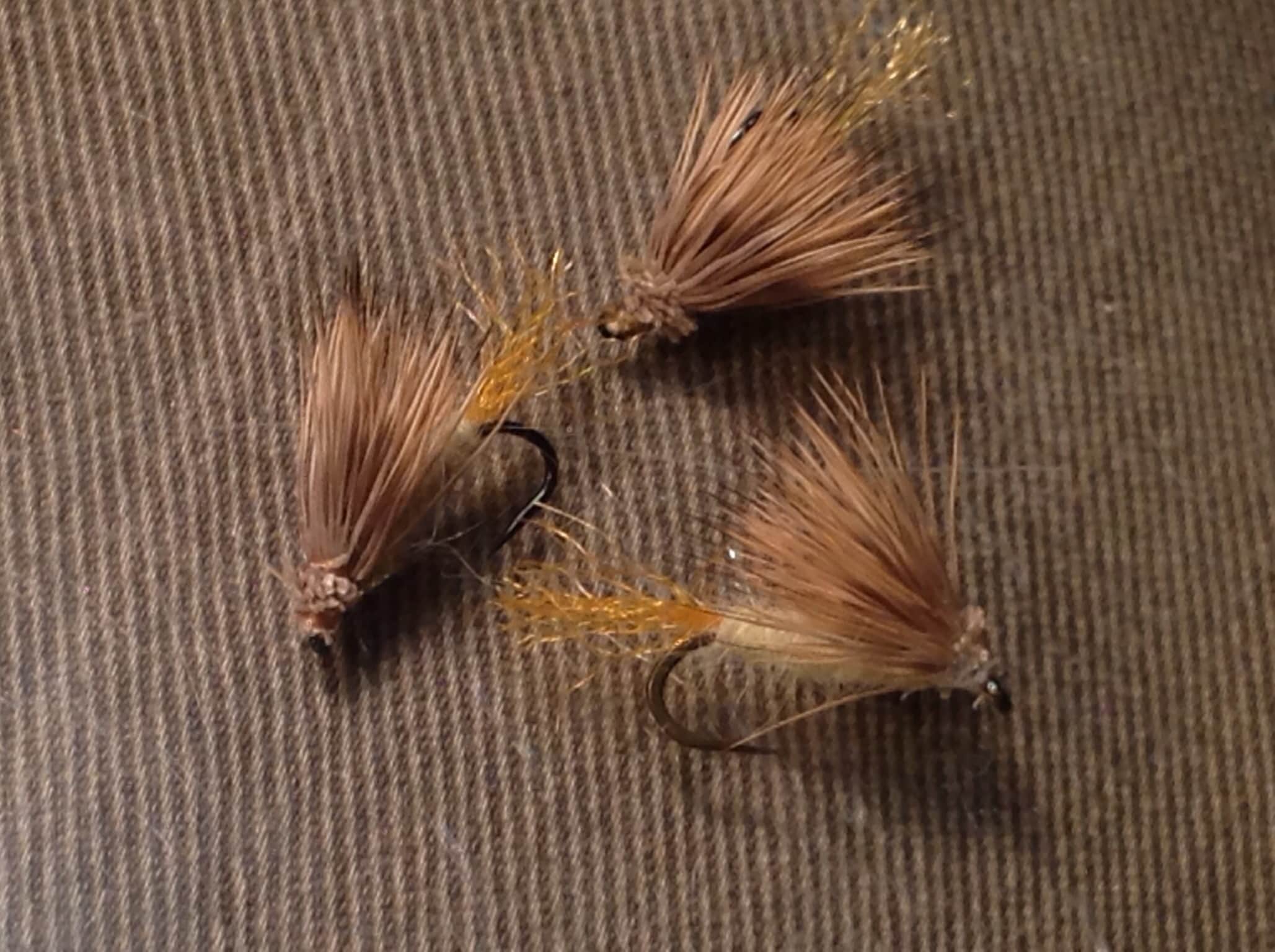
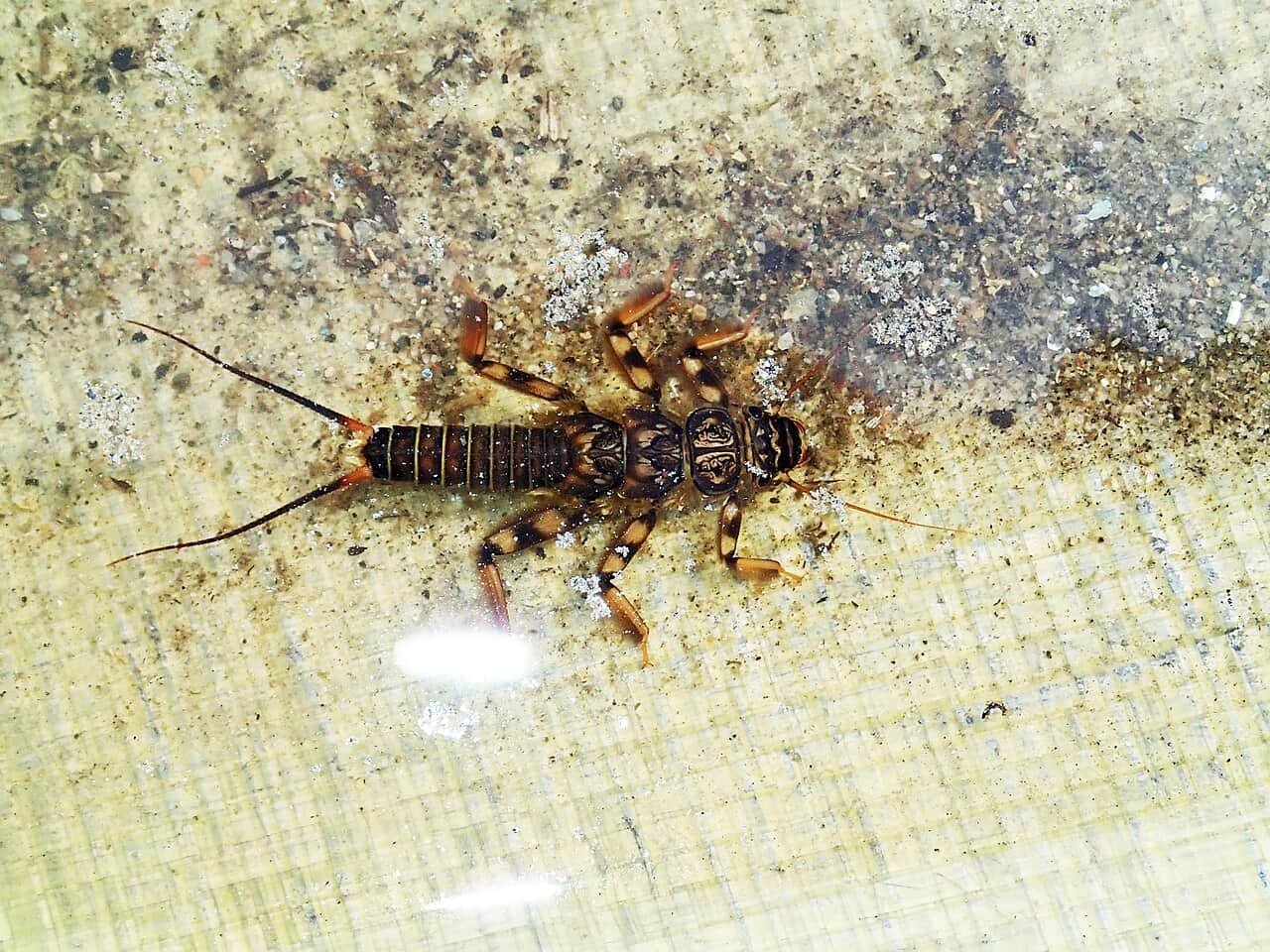
Elk hair caddis, X-caddis, March Brown, golden stone nymph, pheasant tail
July to August
Caddis, small mayflies, ants, beetles, hoppers
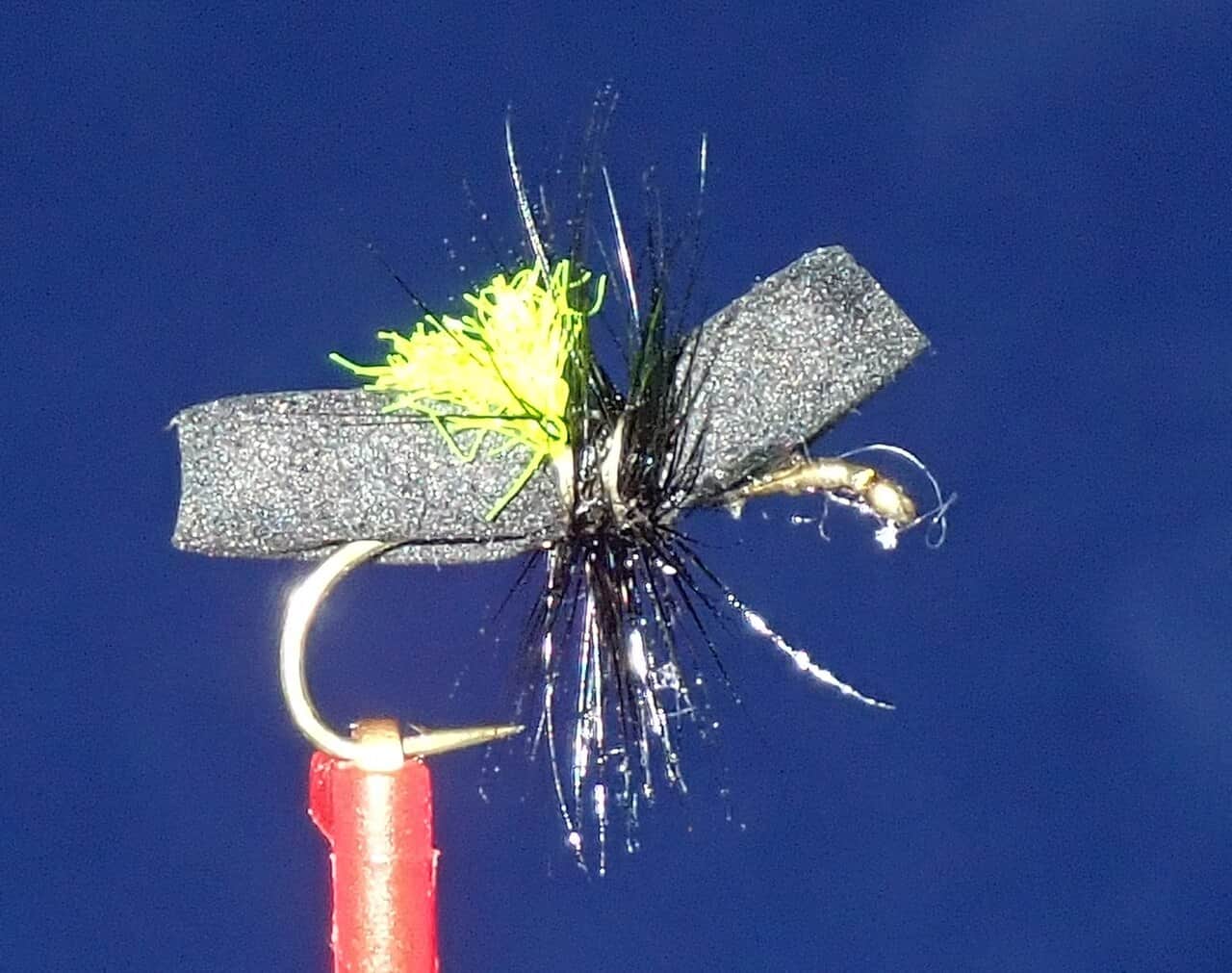
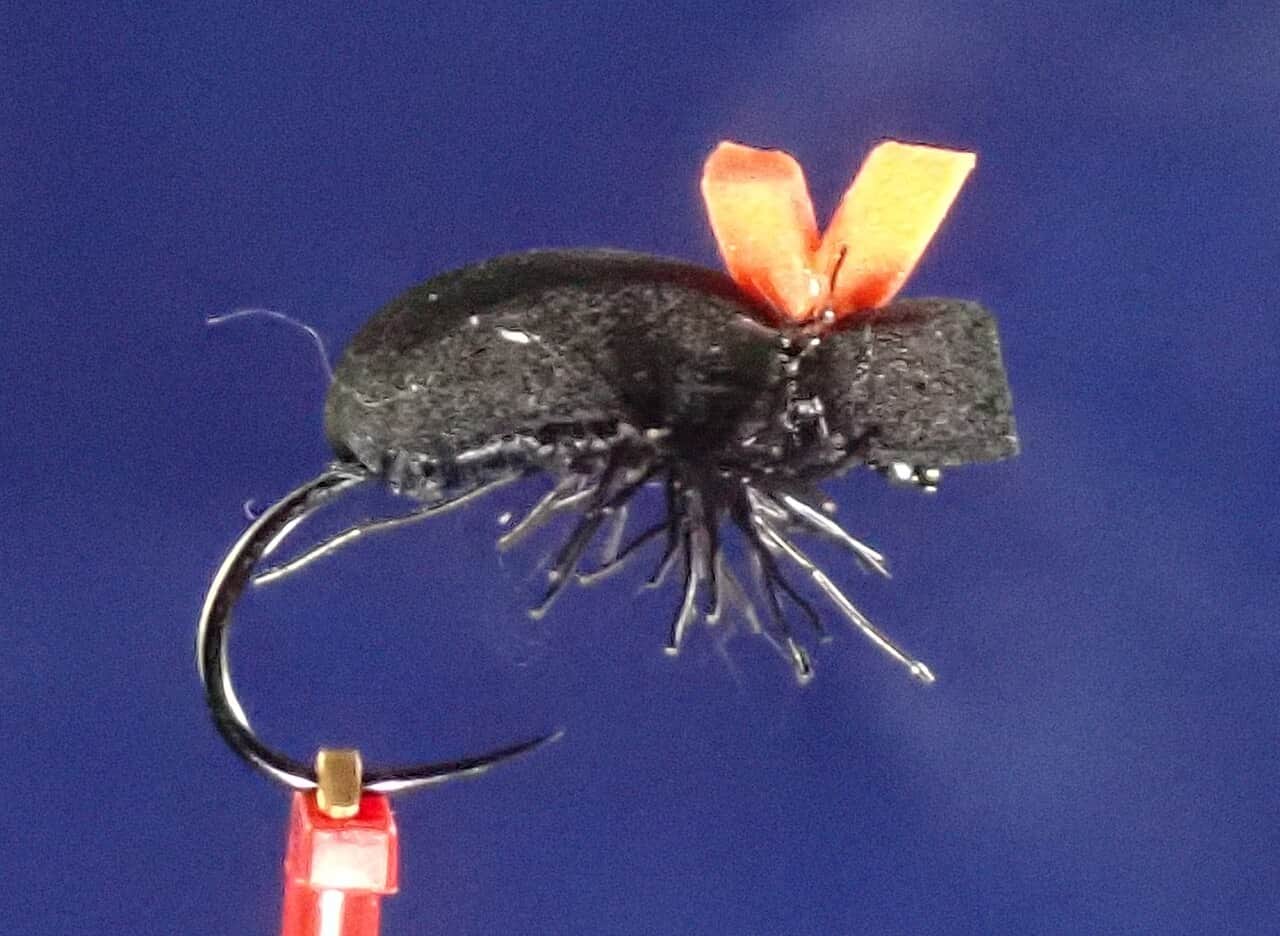
Stimulator, foam ant, beetle, small caddis, tungsten dropper
September
BWOs, caddis, streamer and landlocked salmon windows
BWO dry, soft hackle, October caddis, small leech, feather-wing streamer
Nymphs
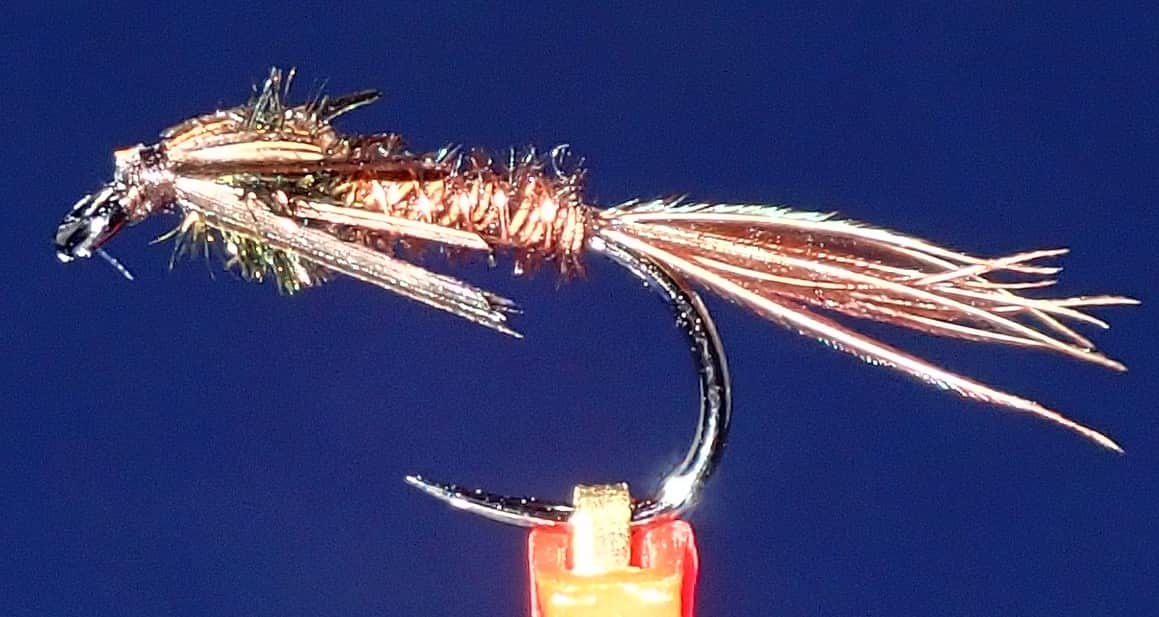
Pheasant tail, hare's ear, caddis pupa, zebra midge, small stonefly
Use below riffles, in pocket water, and when fish are not rising.
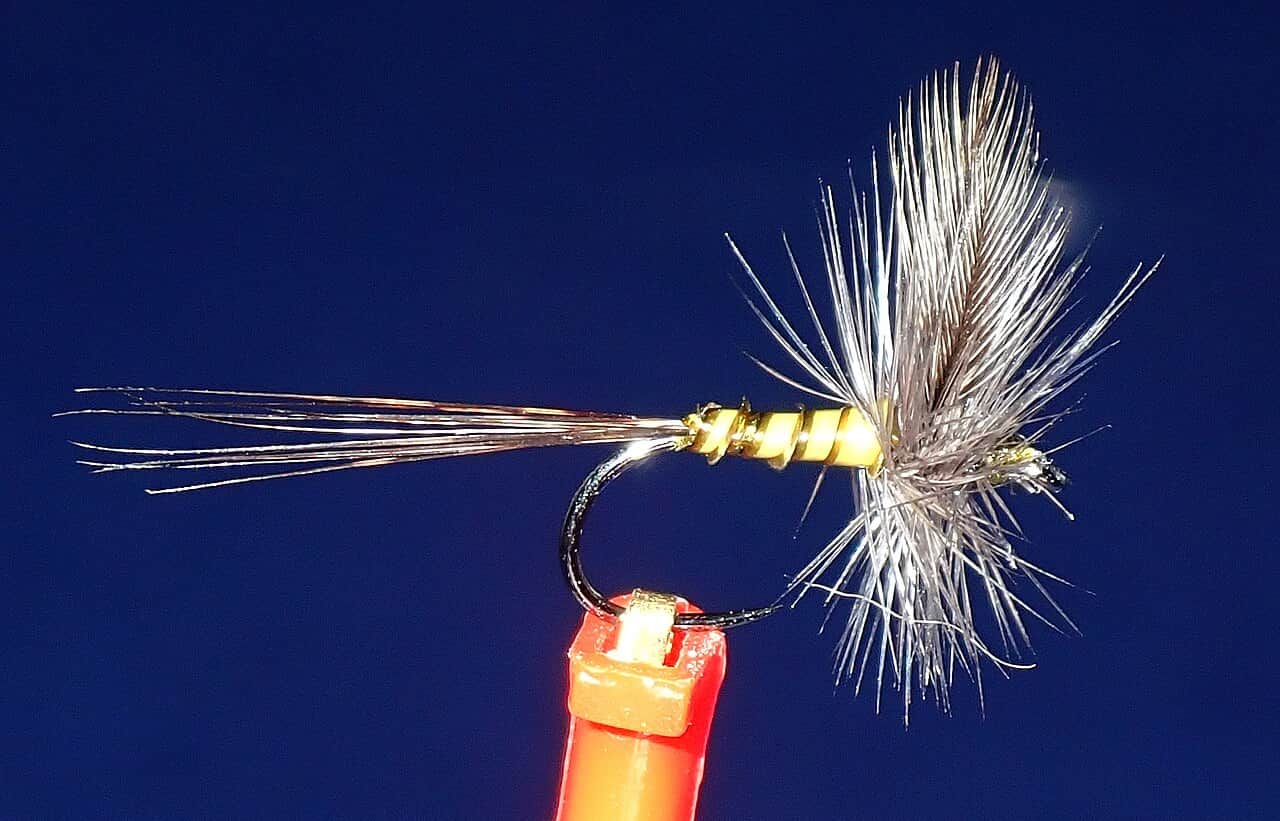
Dry flies
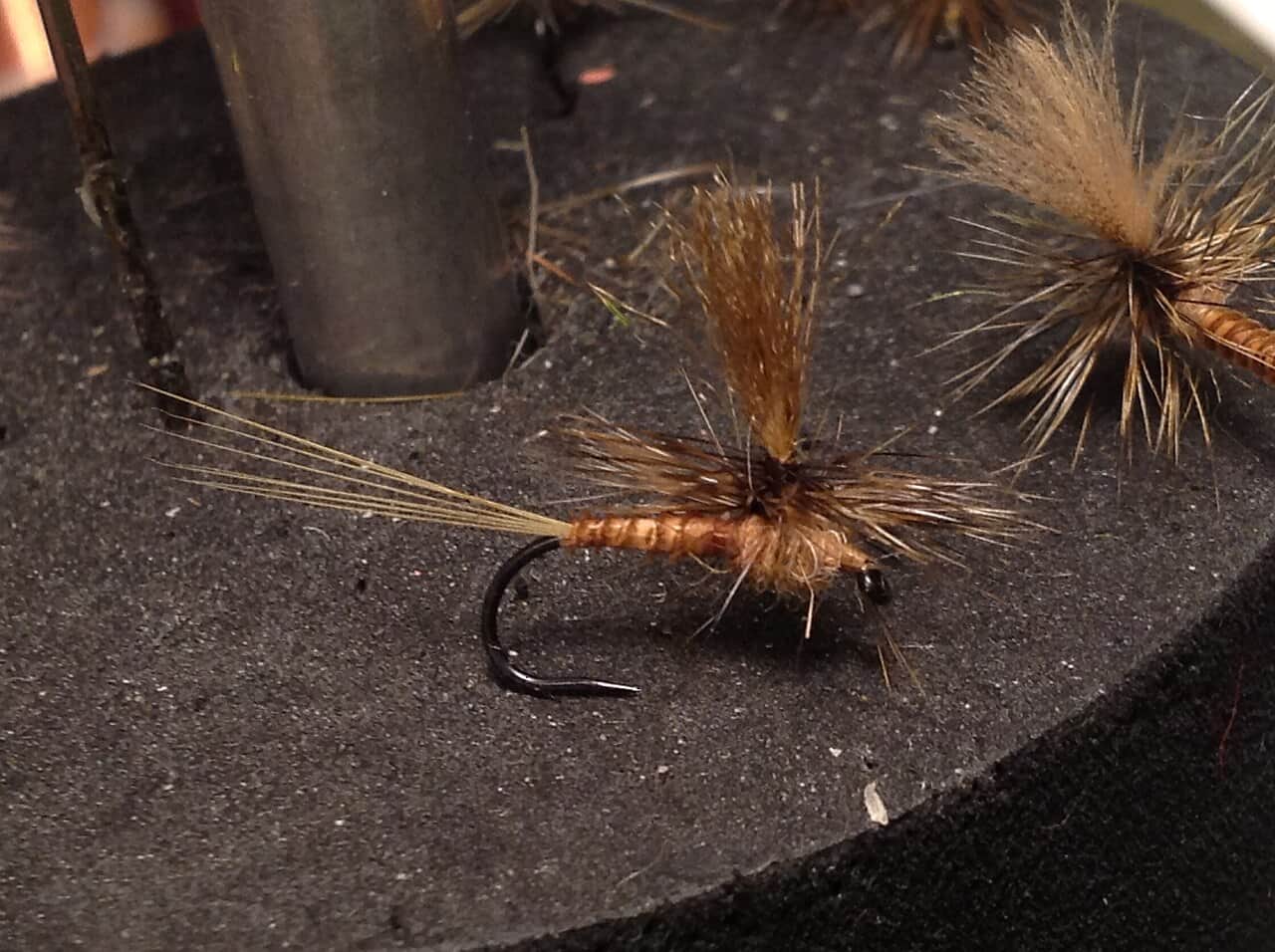
BWO, caddis, parachute Adams, Stimulator, terrestrial
Use during visible hatches or when fish slide into softer banks.
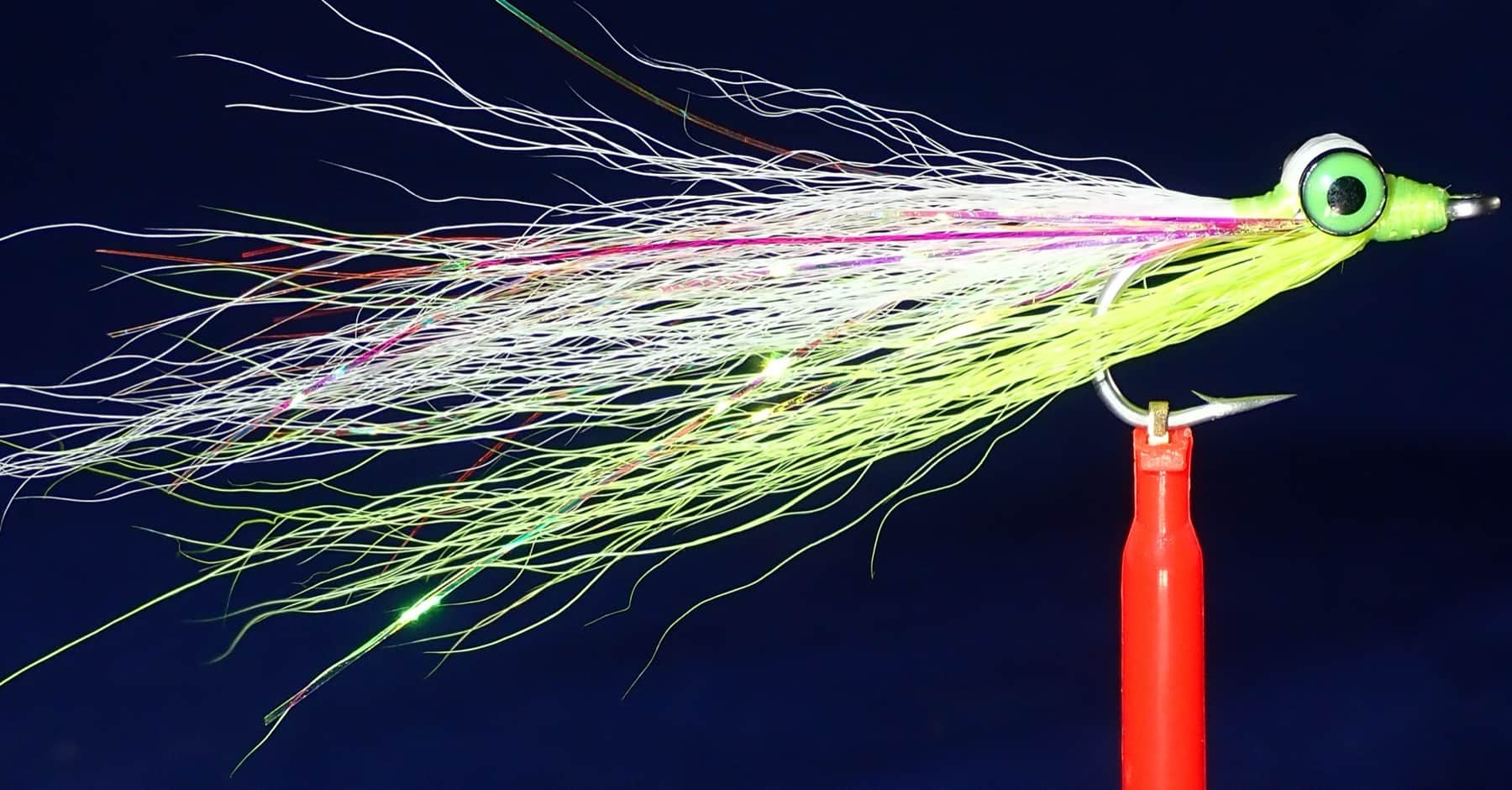
Streamers
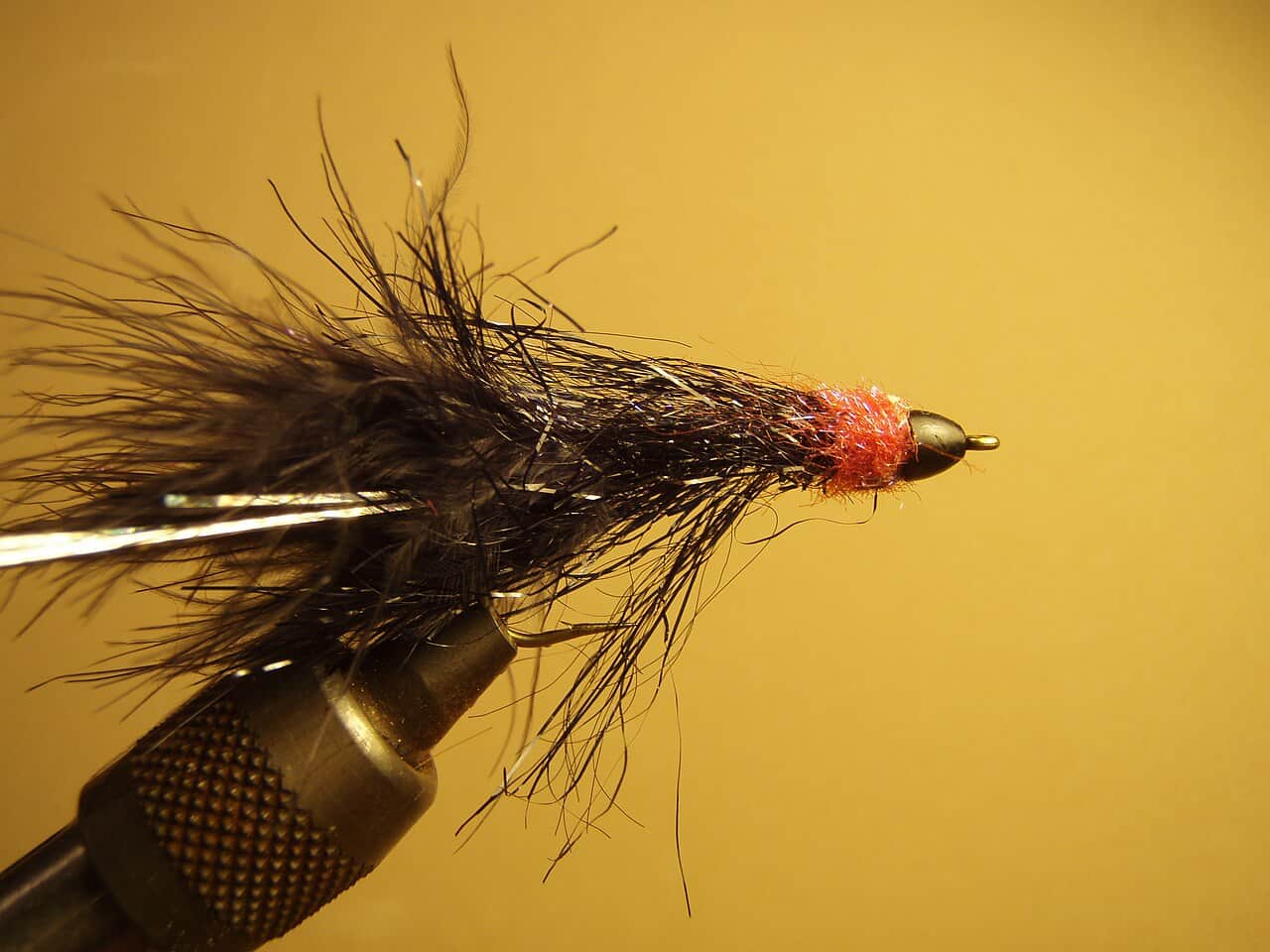
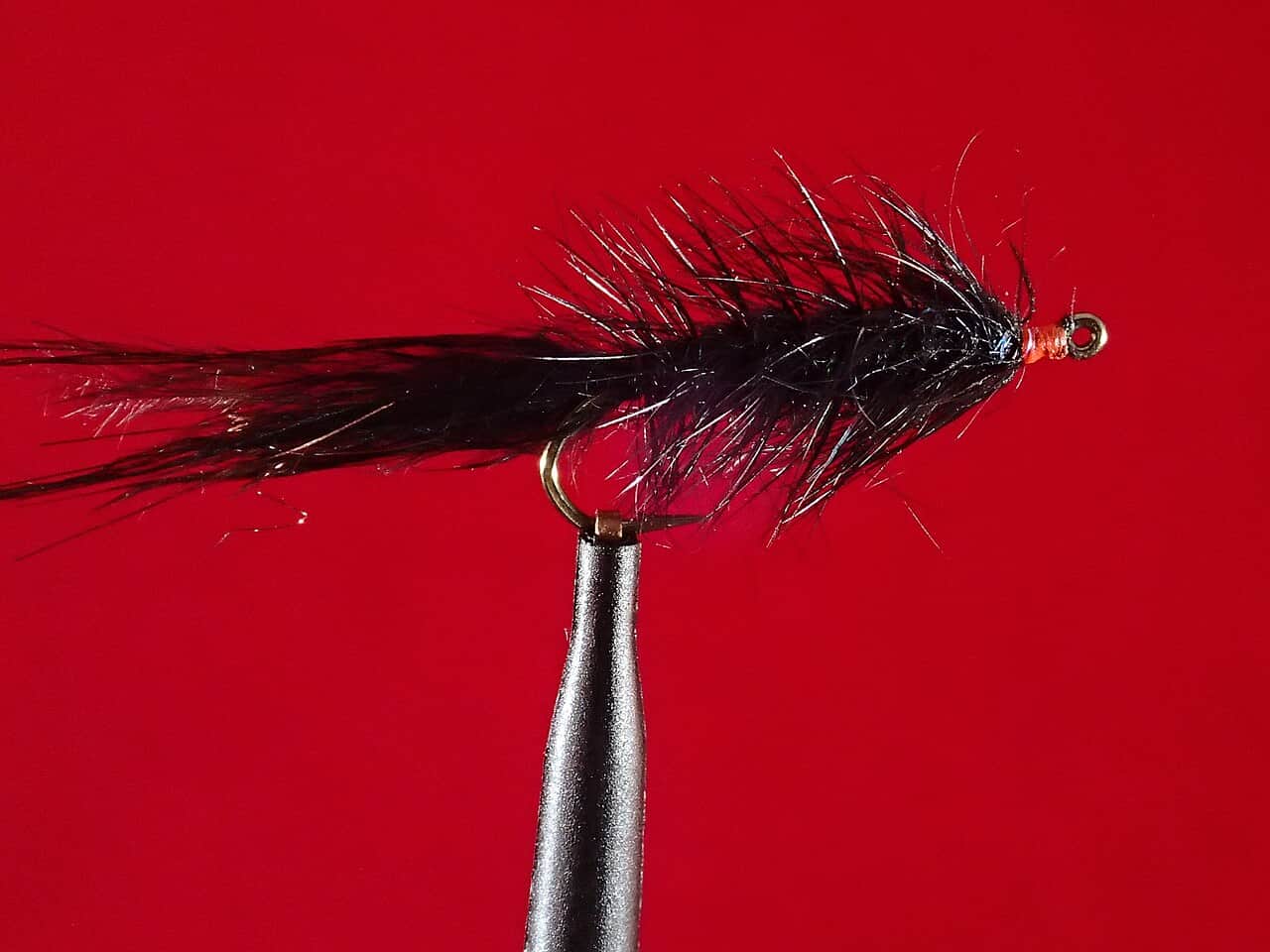
Sculpin, black leech, smelt pattern, small woolly bugger
Use at legal flows, in stained water, or when salmon and trout chase baitfish.
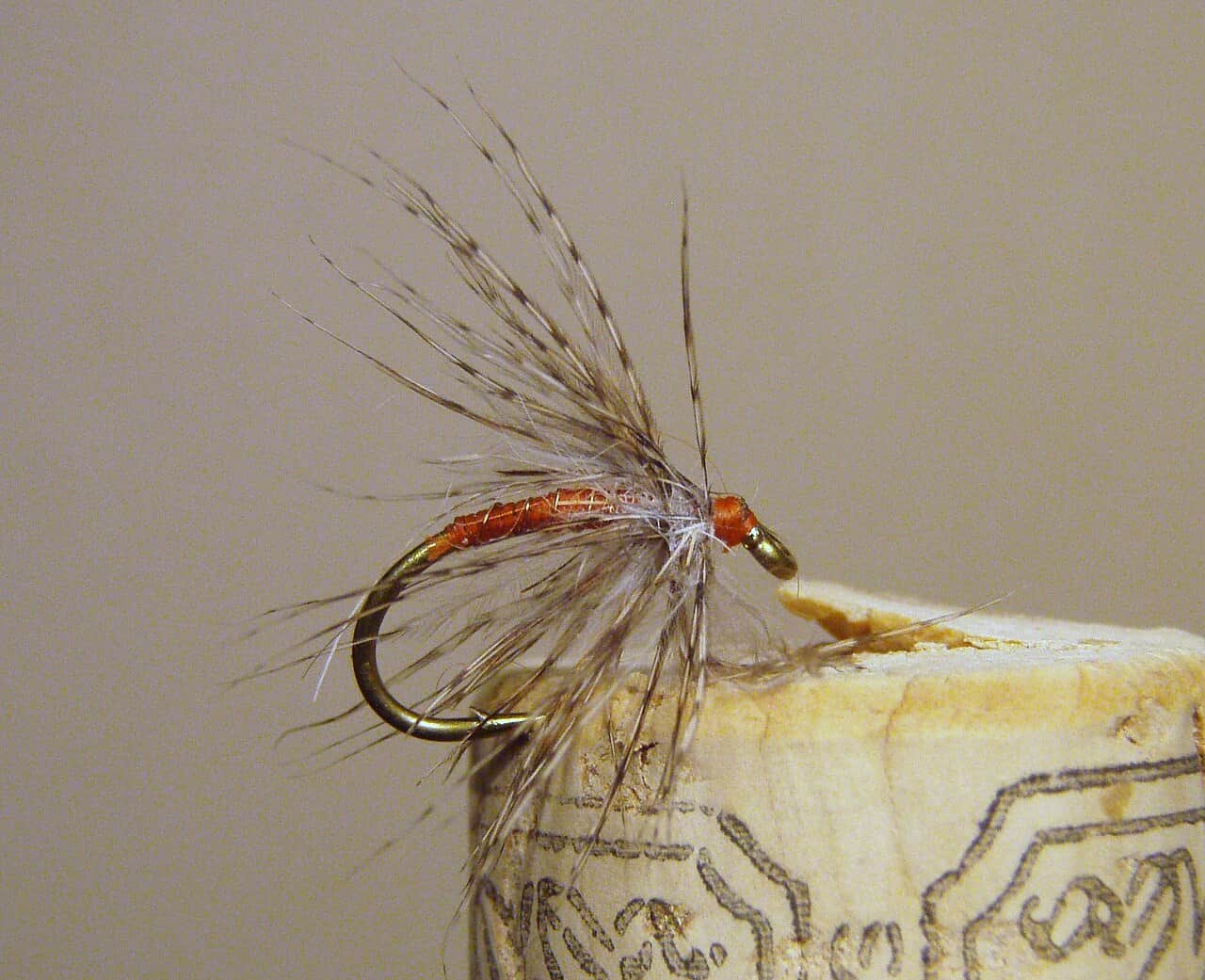
Soft hackles
Partridge and orange, partridge and green, caddis soft hackle
Swing through tailouts and softer seams when insects are moving.
Tactics
How to fish it
Fish the water you can safely reach instead of trying to cover the whole river.
Use heavy nymphs in short pocket drifts, then switch to dries or soft hackles when fish look up.
Streamer fish is best when flow or light gives larger fish cover.
Move slowly around pools; one careless step can push fish out of reach.
Have a no-go threshold for release volume before leaving the parking or camp area.
Rigging
Rod, leader, and setup notes
A 5-weight is the default Rapid River trout and salmon rod.
A 6-weight helps with streamers, wind, and heavier flow.
Carry 2X to 5X tippet because streamer, nymph, and dry-fly work can all happen in a day.
Use barbless hooks where required and for faster release everywhere.
Bring a wading staff, packed rain layer, food, water, and headlamp.
Access
Access and planning notes
SafeWaters regional release check
Primary water cueWade / float / trail
Release source / wade planning
When to pick it
Start here before committing to Middle Dam-area water.
Caution
This is release context, not a verified exact live gauge for every Rapid River reach.
Middle Dam and Carry Trail context
Remote access planWade / float / trail
Trail / camp / walk-wade
When to pick it
Use it when access, daylight, weather, and return route are all realistic.
Caution
Remote exits, trail condition, and camp logistics can make a marginal day unsafe.
Maine special-law check
Rule and fish-care decisionWade / float / trail
Regulation / brook trout / salmon
When to pick it
Check it before choosing tackle, harvest assumptions, or a named reach.
Caution
Special-law details and conservation handling matter more than generic fly lists.
Use official rules and current local access information before assuming a route is open.
Remote access means you should carry what you need to solve small problems without cell service.
If the river is crowded, warm, or unsafe, do not force the plan just because the drive was long.
Regulations
Check before fishing
Maine IFW special laws list Rapid River-specific fly-fishing-only, hook, brook trout release, salmon limit, and fall closure details. Verify current rules before fishing.
Primary base
Rangeley, Errol, Middle Dam area, or local sporting camps
Best day style
Remote walk-in, carry-trail, camp, and dam-release planning
Check first
Maine special laws, Middle Dam release, trail access, and water temperature
Safety
Remote access, hard wading, sudden releases, cold water, and limited help
Gear
Helpful gear for this water
Repair kit
Carry spare leaders, a headlamp, map, first aid, and tire tools.
Satellite backup
Do not assume cell service on logging roads or remote carries.
Wading staff
Helpful on boulder water, cold tailwaters, and sudden releases.
Thermometer
Protect coldwater fish during warm, low, or slow conditions.
Nearby water
Other water to research
Backup logic
Heavy release
Compare Magalloway, East Outlet Kennebec, or another Rangeley-area option.
Trail or access problem
Do not start a remote plan without a clean return route.
Warm brook trout water
Stop trout pressure or choose colder, better-timed water.
Crowded classic pools
Rest fish, move legally, or switch to a backup instead of stacking pressure.
Magalloway River
A nearby release-influenced brook trout and salmon option.
East Outlet Kennebec River
A Moosehead tailwater plan with more direct SafeWaters release checking.
North Maine Woods Rivers
A broader remote-trip planning hub for northern Maine.
FAQ
Fast answers
Is Rapid River fishable today?
Rapid River needs a live-condition check before you commit. The live score is 44/100, based on current flow, weather, public alerts, and the report's planning context. Recheck the linked gauge and forecast before leaving because conditions can change quickly after rain, heat, access changes, or flow swings.
What flow is best for Rapid River?
Use SafeWaters release context and current local access information before committing. Without a verified public live gauge for the exact Rapid reach, visual safety, weather, and dam context matter more than one number.
When should I skip Rapid River?
Skip the Rapid when releases are heavy, trail or camp logistics are unresolved, the special-law reach is unclear, trout are stressed by warm low water, or safe bank travel depends on conditions you cannot verify.
Is Rapid River safe to wade right now?
The fishability score is not a wading guarantee. Wade only where your chosen access has safe edges, clear footing, legal entry, and no forced crossings; high, rising, stained, or storm-affected water should be treated conservatively.
What should I check first before fishing the Rapid River?
Check Maine special laws, release information, weather, and access before committing to the hike or drive.
Are there special regulations on the Rapid River?
Yes. The Rapid has specific fly-only, hook, harvest, and seasonal language that must be checked directly.
Is the Rapid River easy to access?
No. The best fishing plan includes remote access, walking, camp logistics, and a safe water-level threshold.
What flies should I bring for the Rapid River?
Bring the hatch chart flies, a few confidence nymphs or baitfish patterns, and a backup selection for high, low, clear, stained, cold, or warm conditions.
Sources
Source set for this report
Reviewed 2026-06-02