Live flow is not available
No matching RiverReports chart or current USGS discharge graph was verified for the East Outlet. Use Brookfield SafeWaters for release planning and treat the source list as the flow check.
We could not confirm a live gauge for this river. Check the weather, recent rain, local reports, and the water before you fish.
Check first: Live information is incomplete. Treat this score as a planning estimate.
Rating updatedRiver local time:
No verified live public gauge is attached, so the page cannot make a strong real-time call.
NWS air forecast near
This is an air forecast, not a river-temperature reading. Check the water with a stream thermometer before fishing in hot weather.
No matching RiverReports chart or current USGS discharge graph was verified for the East Outlet. Use Brookfield SafeWaters for release planning and treat the source list as the flow check.
Mostly Clear
The National Weather Service forecast is temporarily unavailable.
Official flow source: Brookfield SafeWaters Moosehead East and West Outlet
No matching RiverReports chart or current USGS discharge graph was verified for the East Outlet. Use Brookfield SafeWaters for release planning and treat the source list as the flow check.
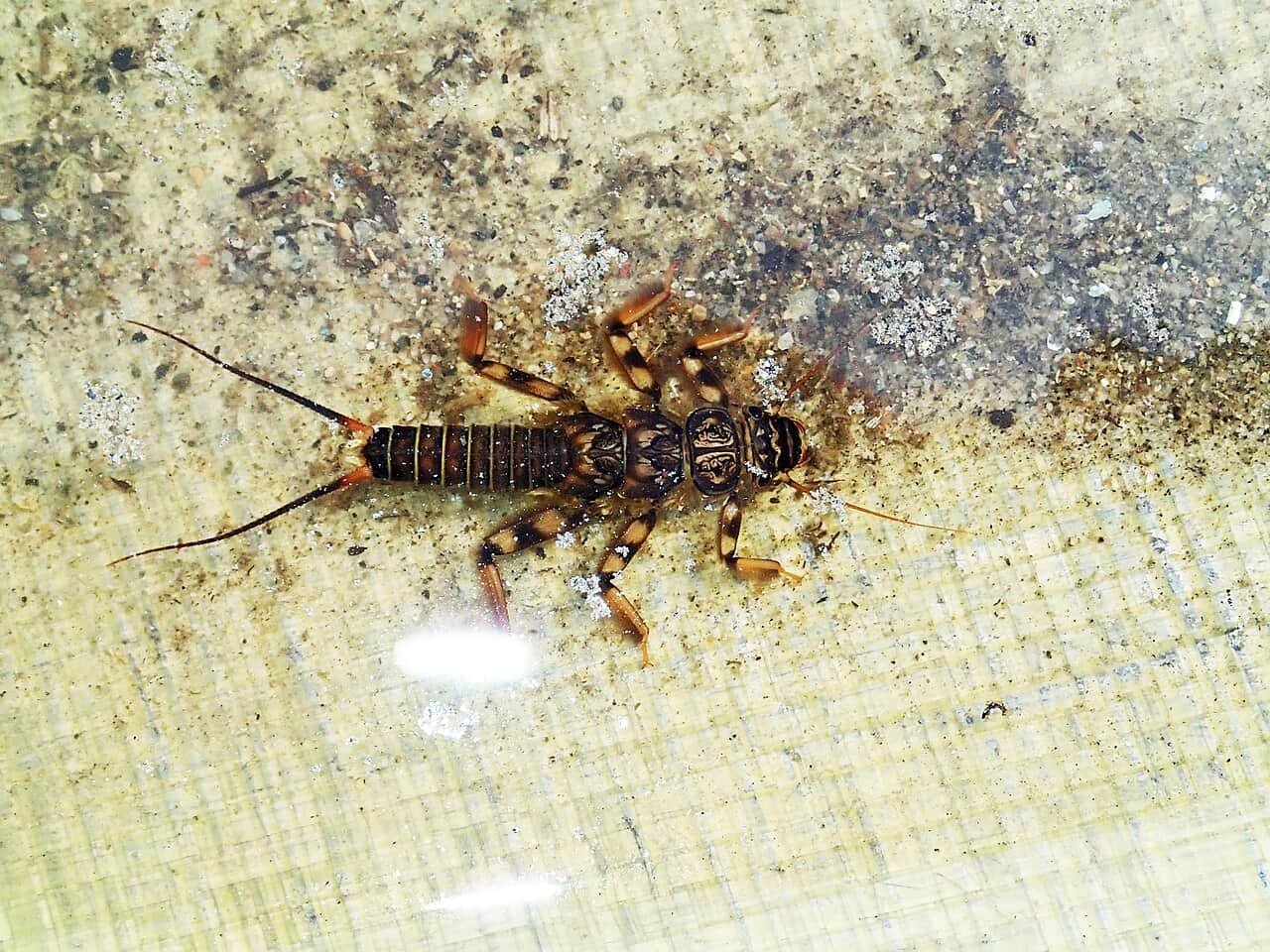
Seasonal starting points, not a live hatch report. Match what you see on the water.
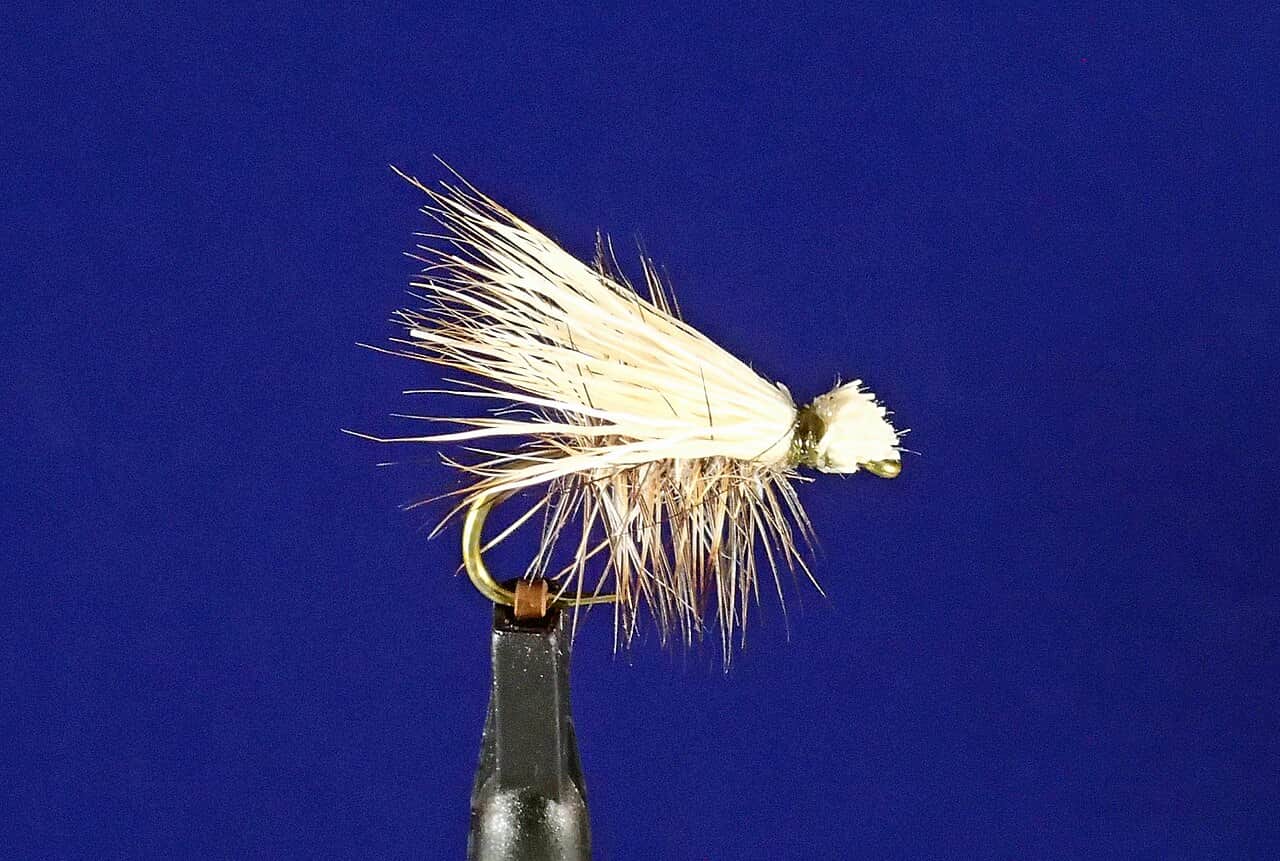
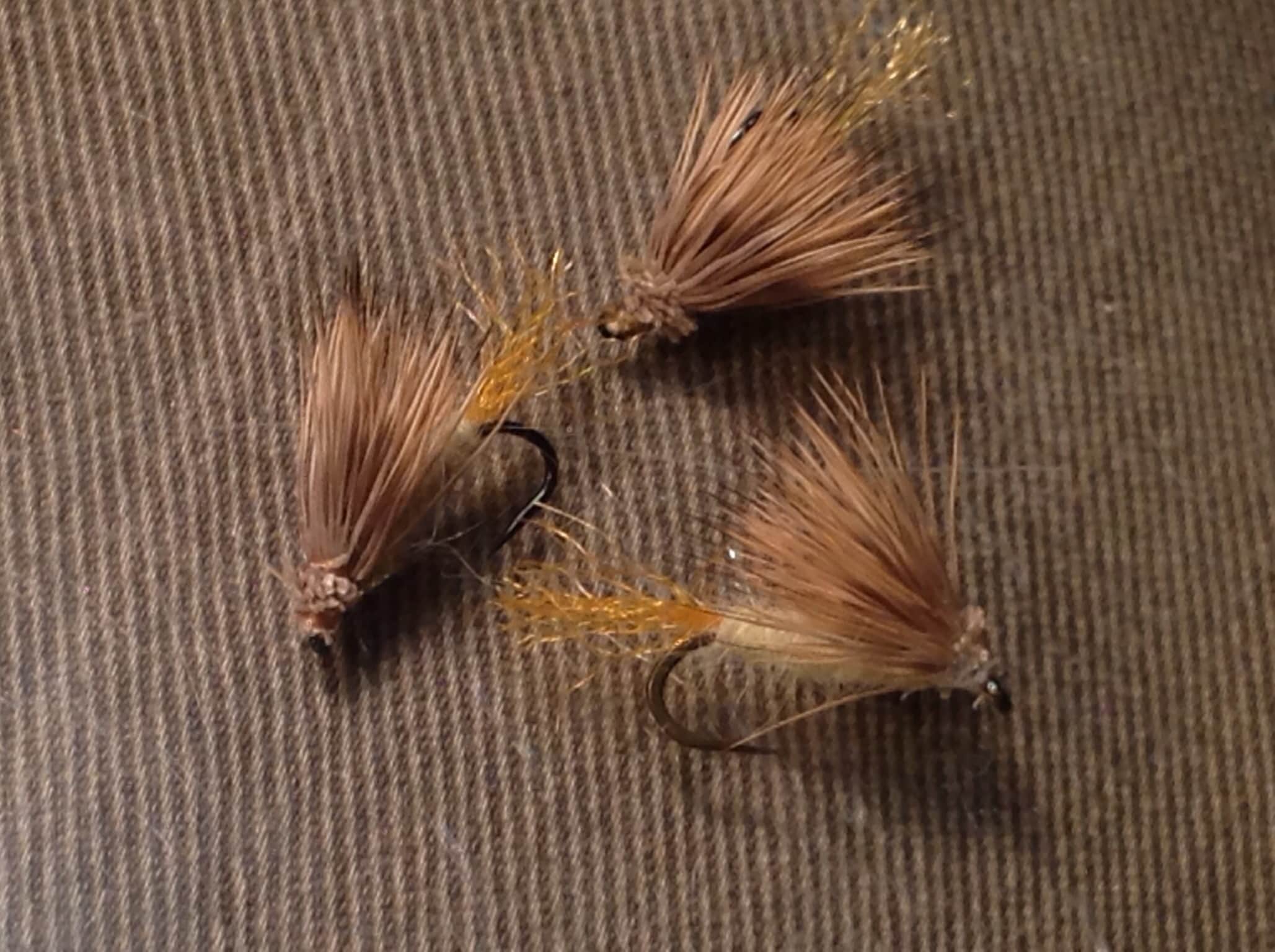
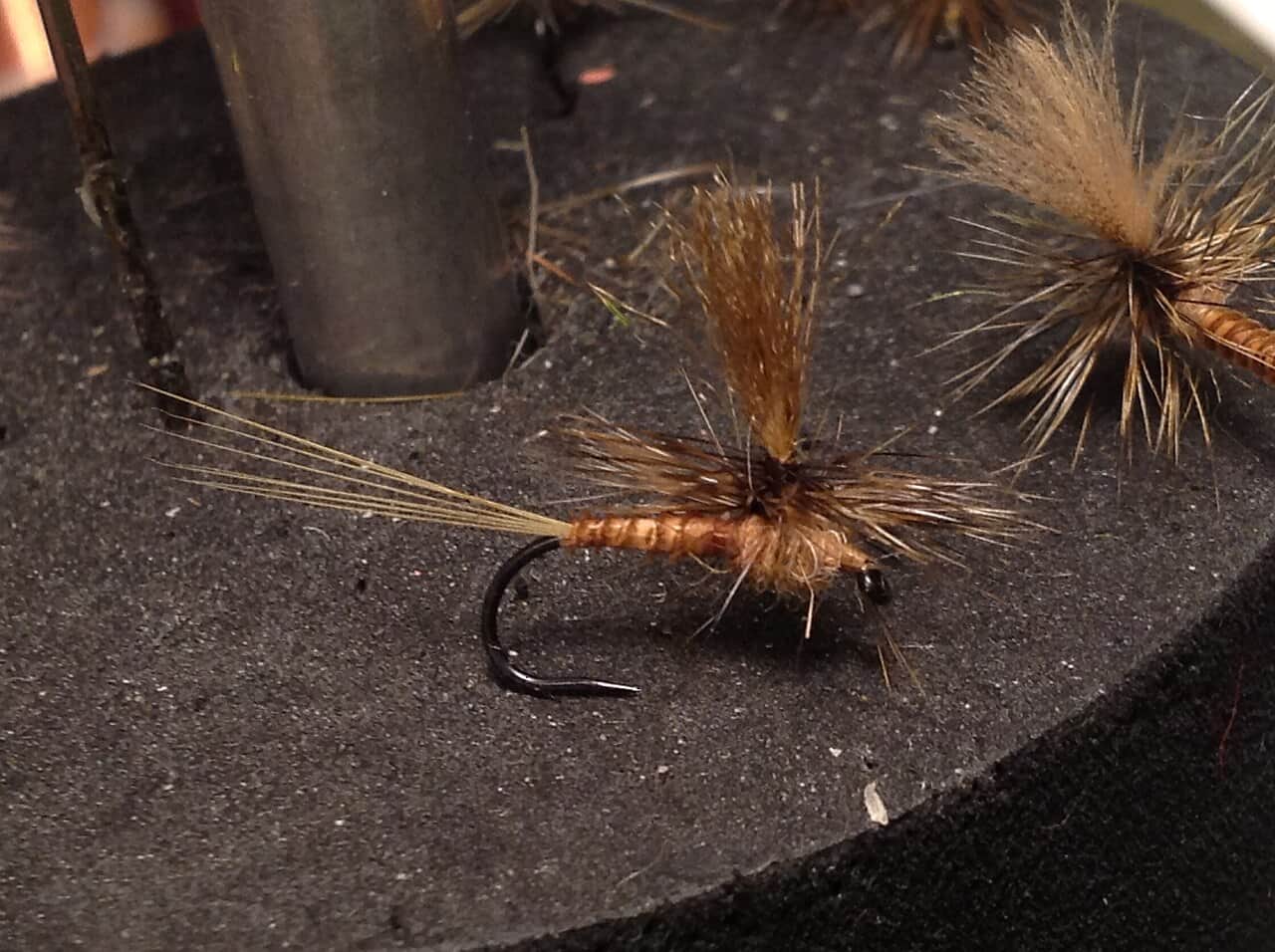
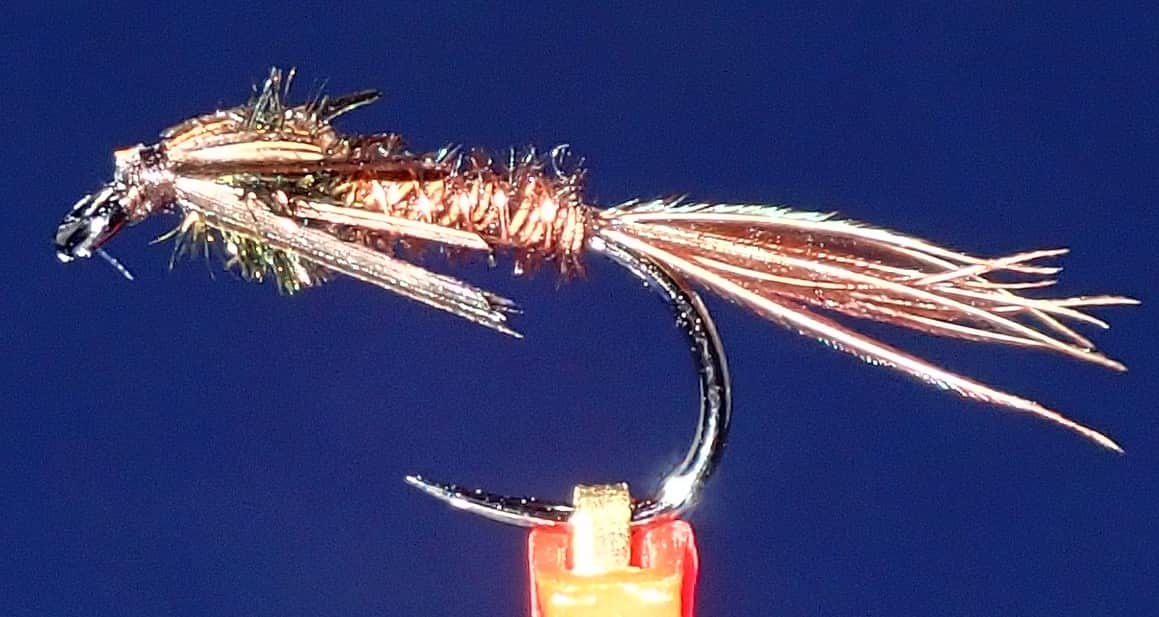
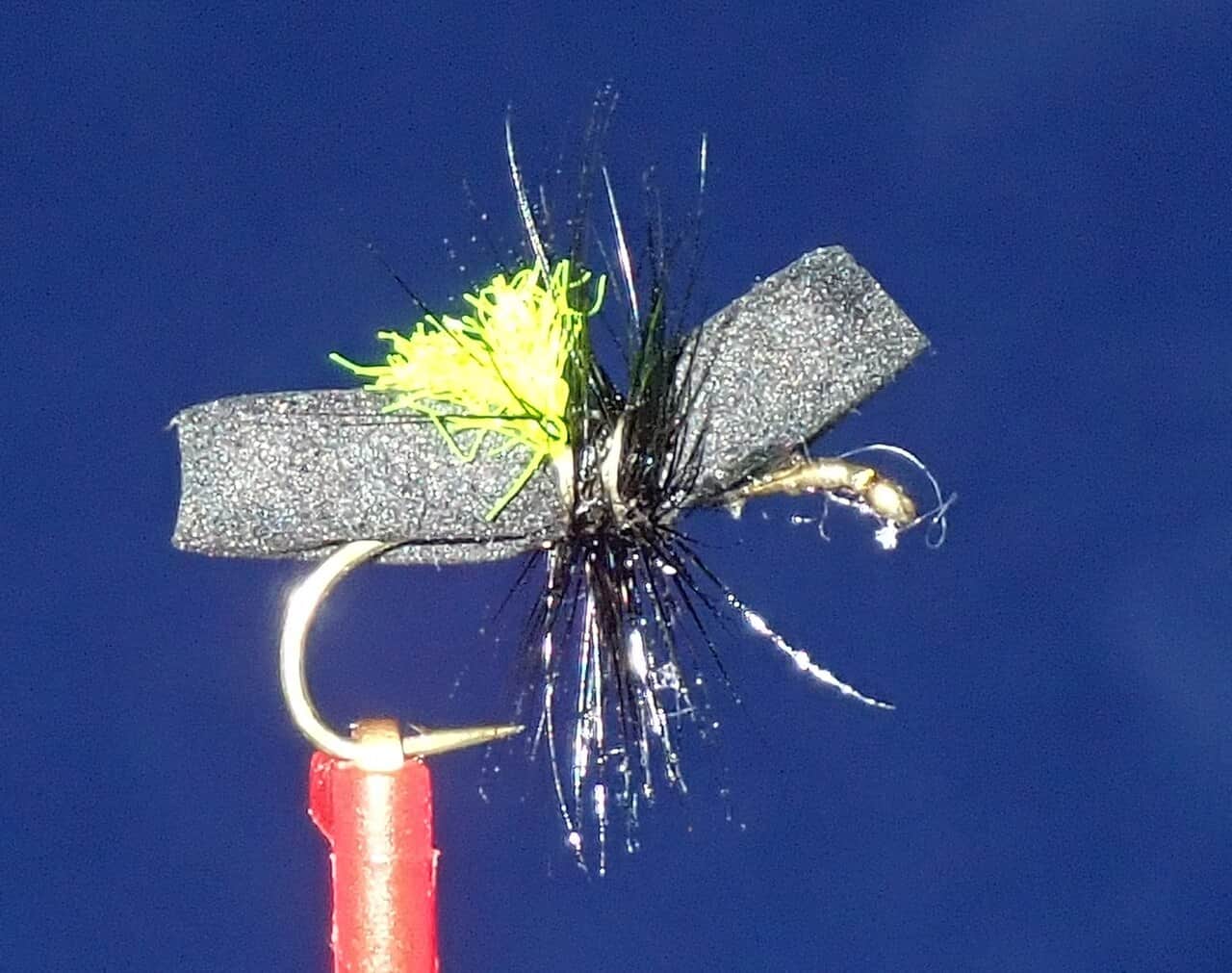
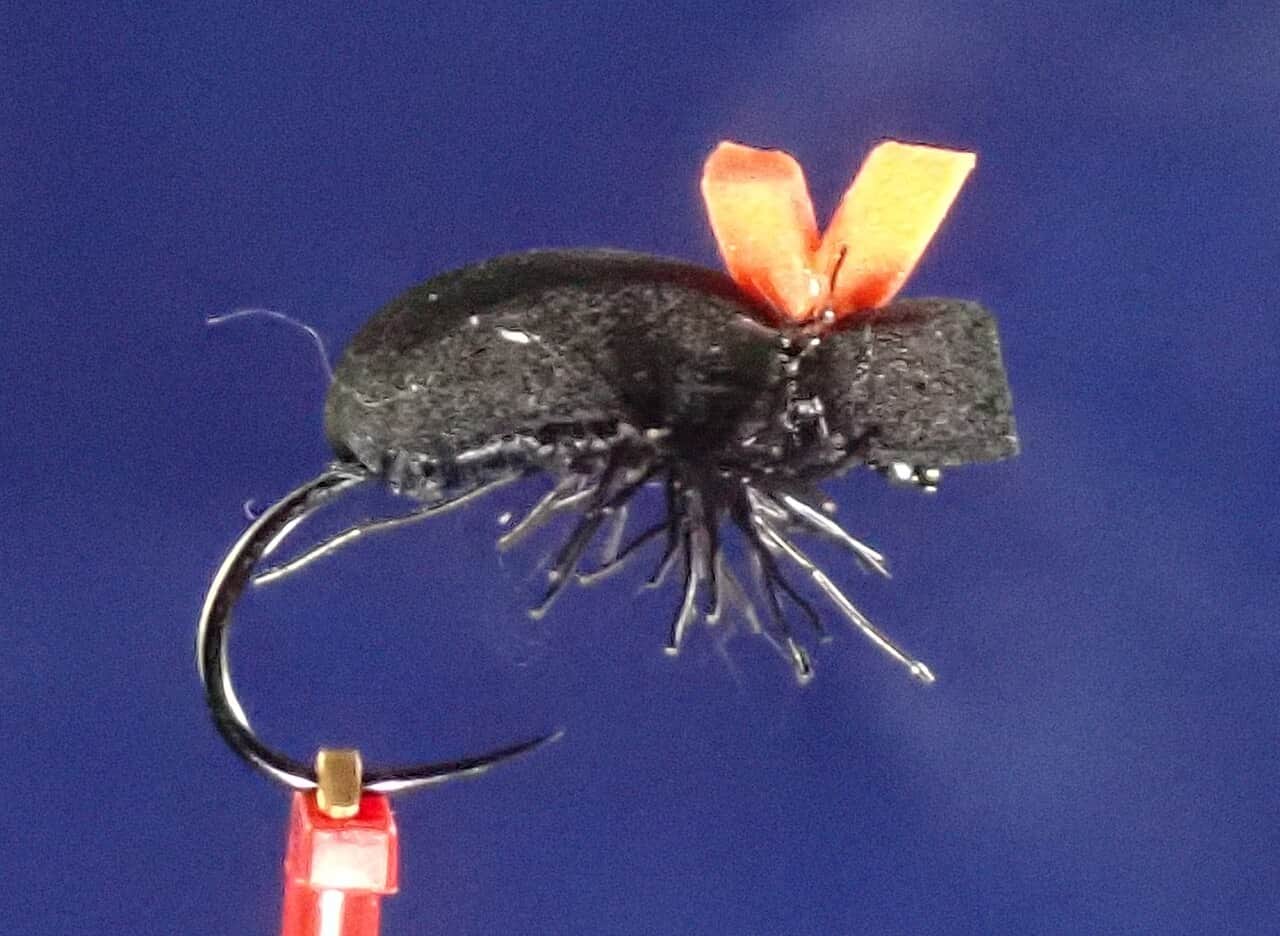
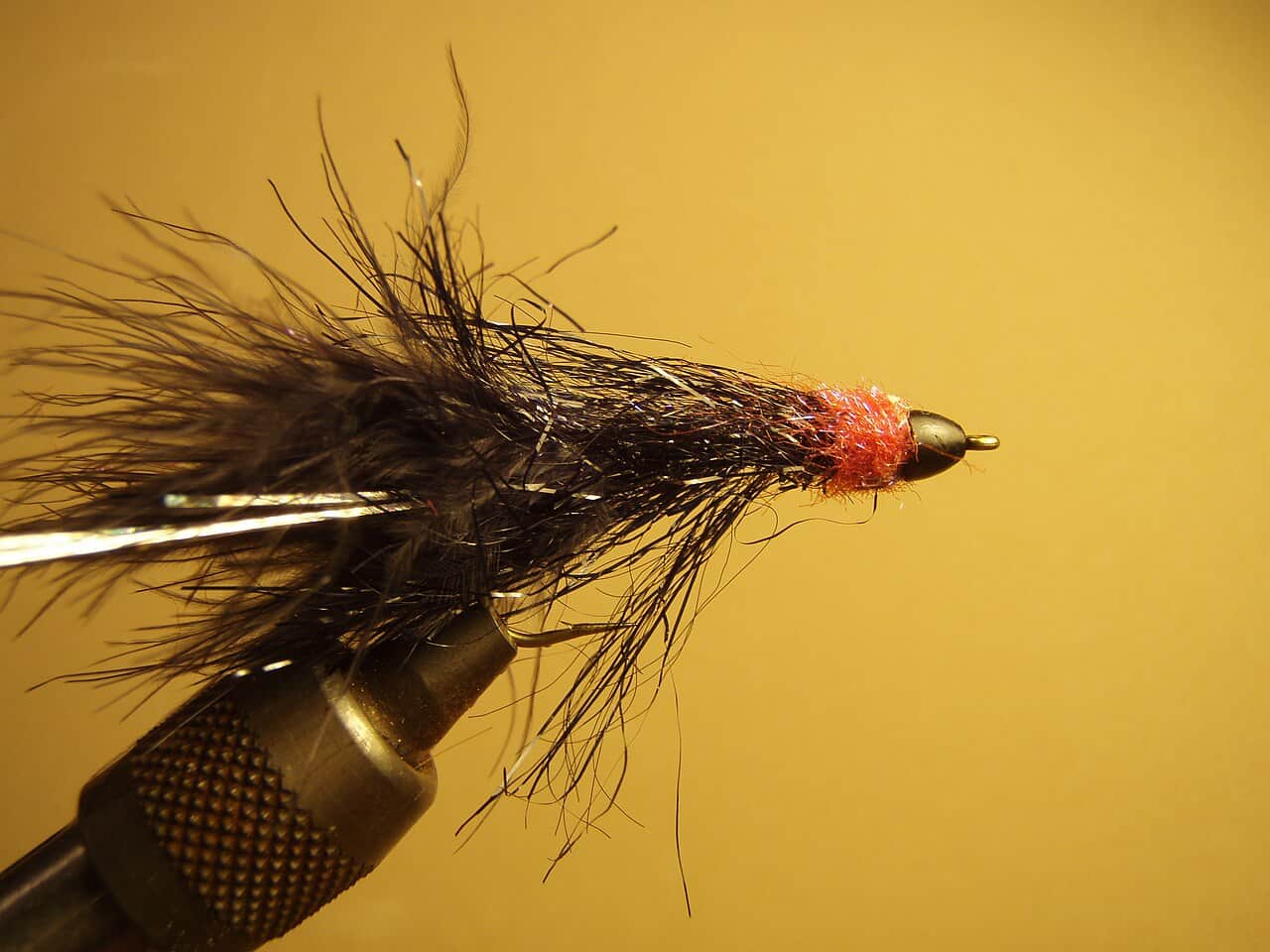
No pictured fly picks are available for this time of year. Open the seasonal guide below for this river’s recommendations and limits.
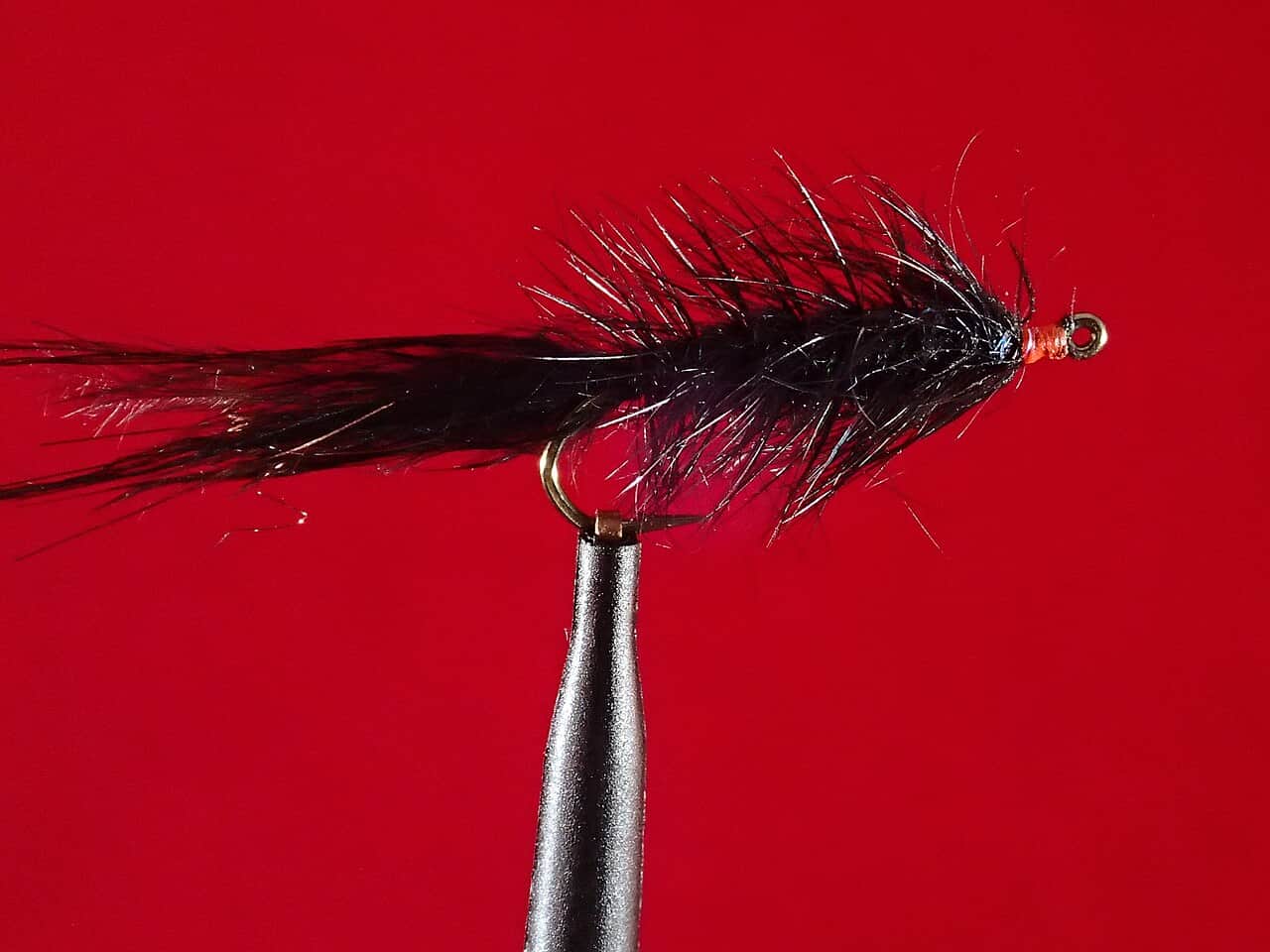
Also try tungsten dropper
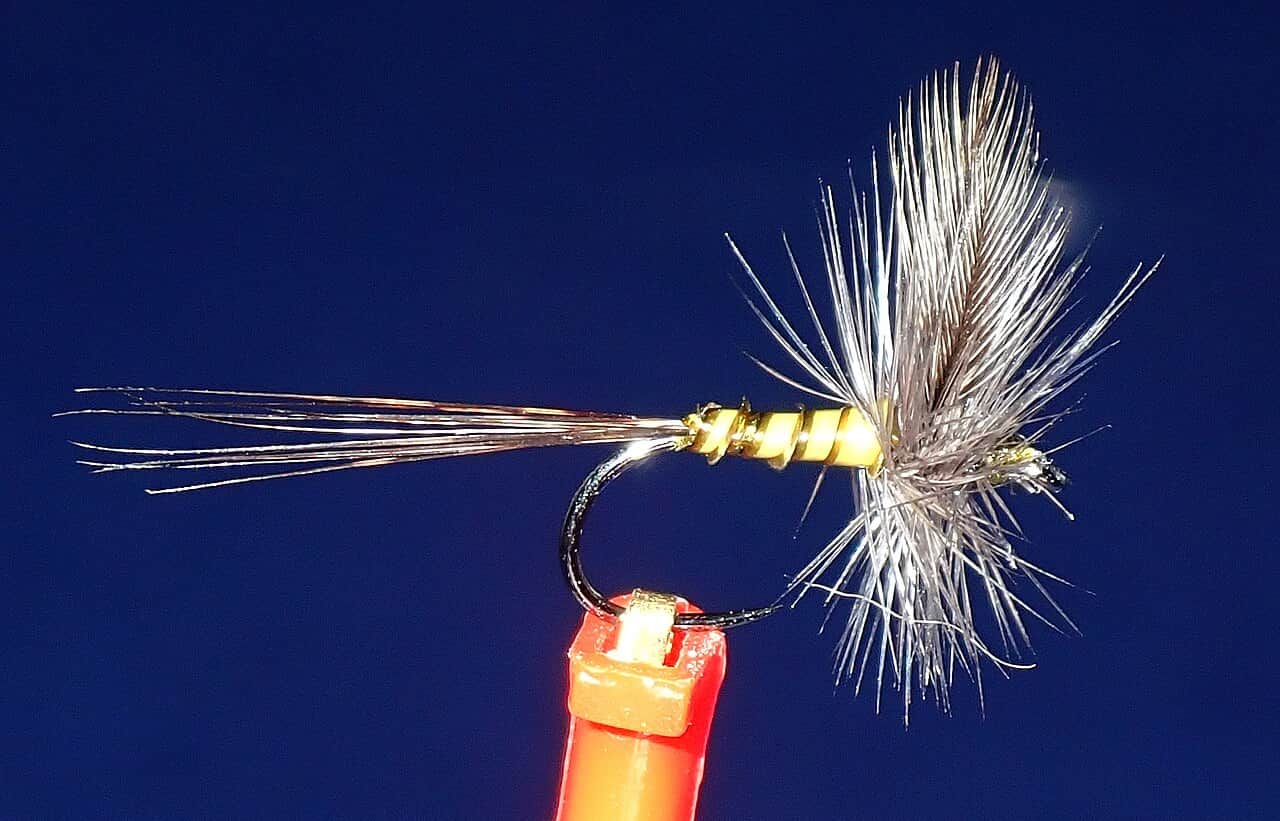
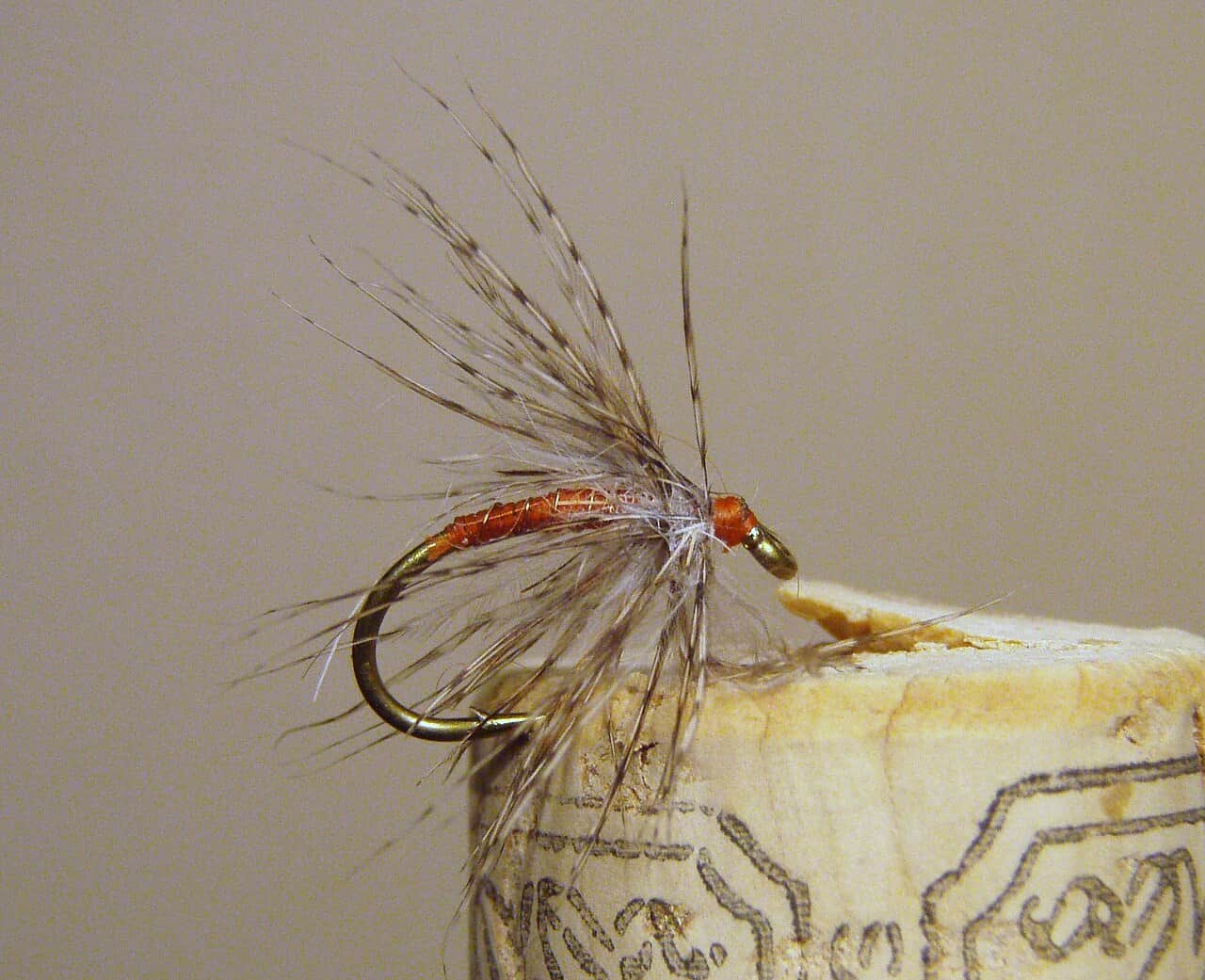
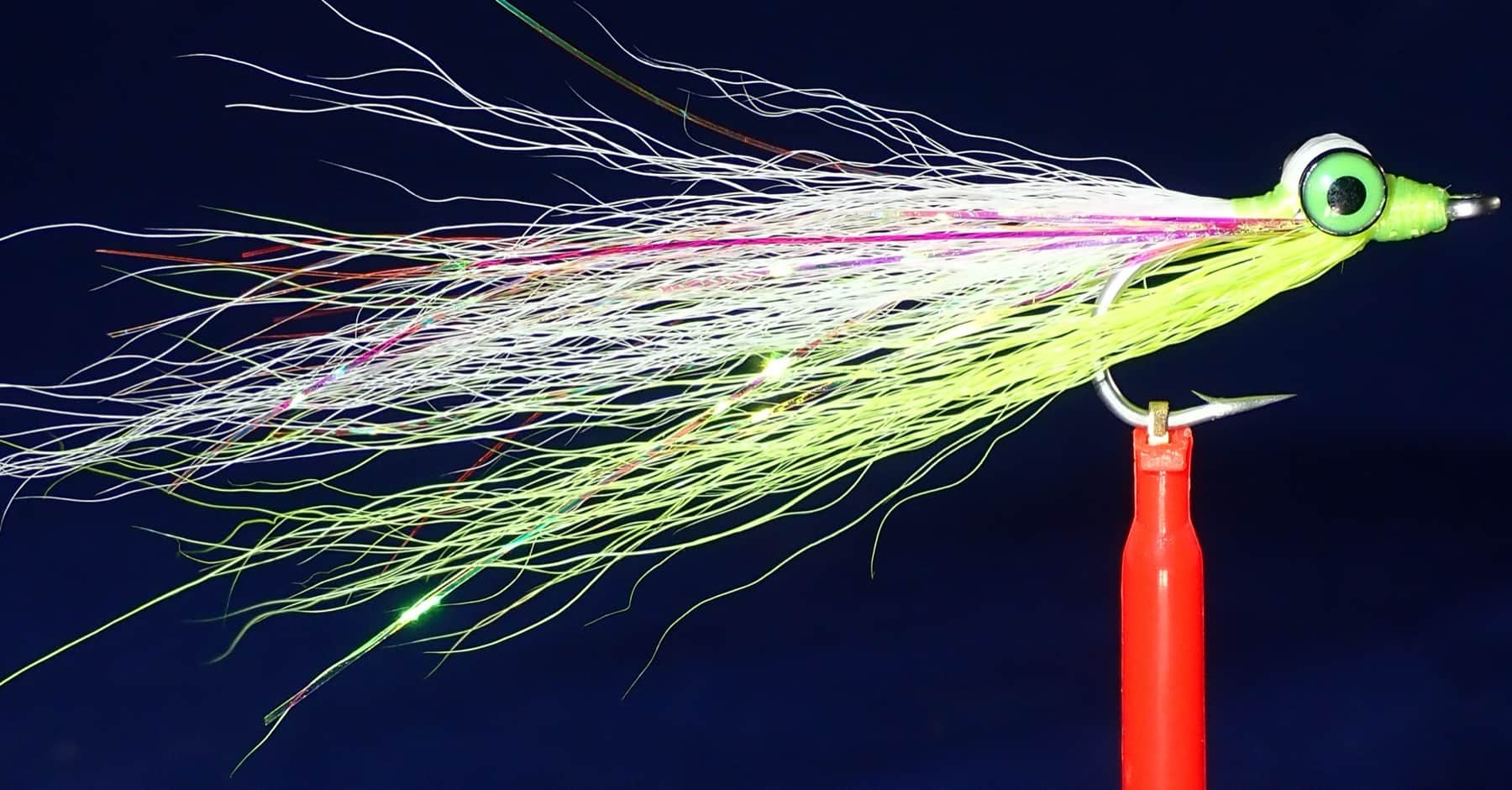
Each fly name opens its matching Fly Box guide.
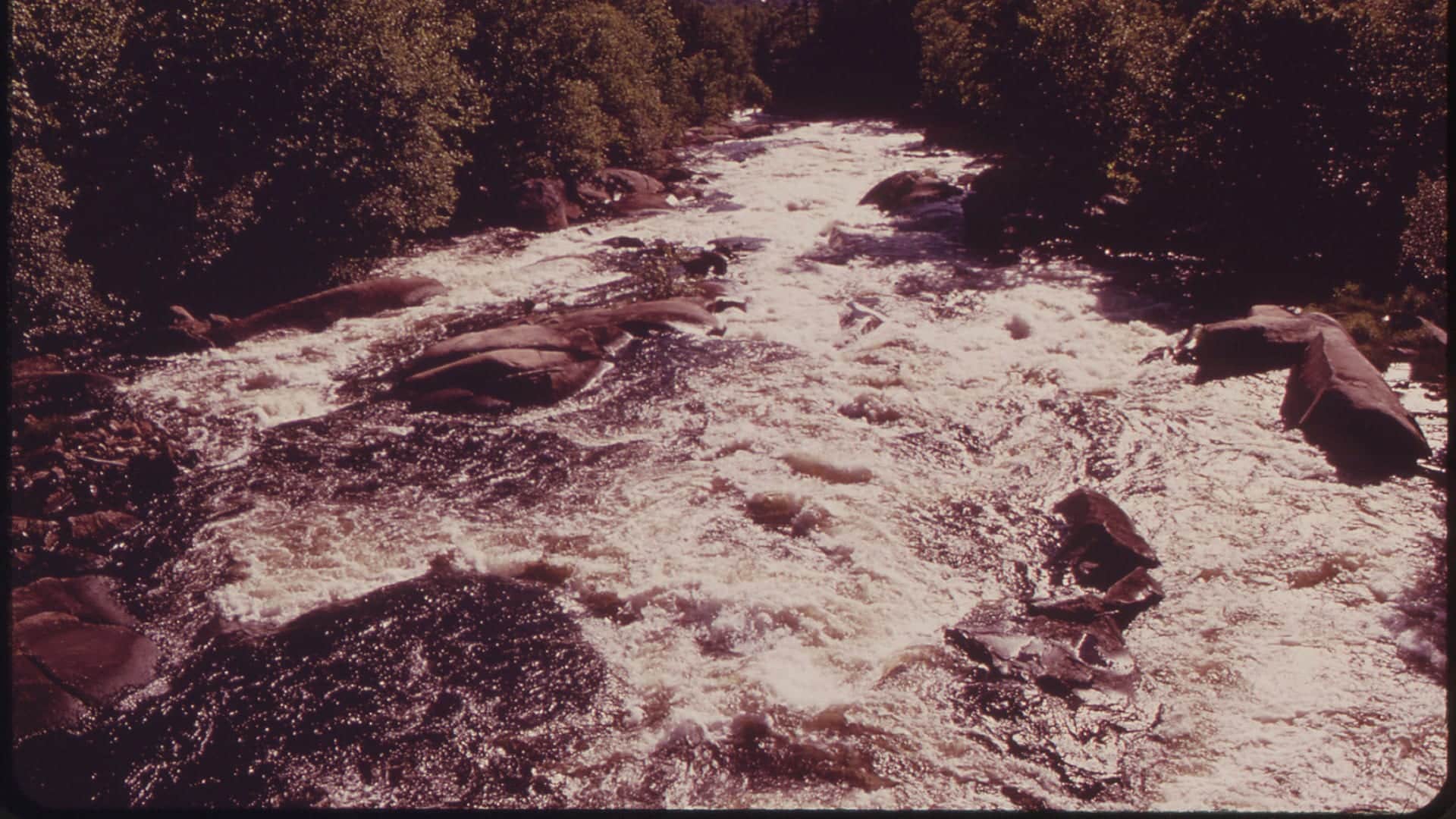
The East Outlet is best when releases are stable enough to read seams, pocket water, and tailouts safely. If the gate changes, treat the river like a new piece of water and move before wading gets boxed in.
Fish seams below boulders, pool heads, and soft tailouts with nymphs, soft hackles, dries, or streamers.
Back out early. Bank edges can disappear and mid-channel rocks become unsafe fast.
Use longer leaders, smaller dries, soft hackles, and careful approaches.
Fish early, check temperature, shorten fights, and stop if trout or salmon handling becomes risky.
We could not confirm all current conditions. Check locally before choosing how to fish.
Current conditions at the exact access are not verified. No access method is recommended until they are checked.
Current conditions at the exact access are not verified. No access method is recommended until they are checked.
Current conditions at the exact access are not verified. No access method is recommended until they are checked.
Is East Outlet Kennebec River worth the trip today? Check flow, weather, hatches, access, and rules for Maine before you go.
The East Outlet is a dam-controlled Moosehead tailwater. A good plan starts with Brookfield SafeWaters, then checks Maine's East Outlet special laws before choosing a wade, float, or bank plan.
No verified live public gauge is attached, so the page cannot make a strong real-time call.
Fall: Check the exact fall catch-and-release dates and reach rules before planning around salmon and trout movement.
The current NWS air forecast is about 41F, and the next 24-hour high reaches about 47F. Mostly Clear.
No active NWS alert was returned for this forecast point.
Skip or shorten the plan when releases are rising, the special-law reach is unclear, water is warm enough to stress salmonids, or the trip depends on fishing around posted dam infrastructure.
Use Brookfield SafeWaters for the Moosehead East and West Outlet release check. Because no verified public RiverReports chart was used here, the release page and on-site safety judgment are the main flow filter.
Skip or shorten the plan when releases are rising, the special-law reach is unclear, water is warm enough to stress salmonids, or the trip depends on fishing around posted dam infrastructure.
Start with SafeWaters, then match the release to a wade, bank, or float plan in the Moosehead-to-Indian Pond area before choosing dries, soft hackles, streamers, or nymphs.
If the East Outlet is too high, warm, crowded, or rule-complicated, compare the West Branch Penobscot, Moose River, or another Moosehead Region water before forcing the same plan.
Use these places as starting points. Open the access link below and check posted signs before you park or enter.
Maine IFW special laws list East Outlet-specific seasons, fly-fishing-only water, fall catch-and-release rules, winter exceptions, and fishway closure language. Verify the current rule before fishing.
Good for reading release effects, but respect posted infrastructure, fishways, and closure buffers.
An important named reach with winter rule details that should be checked before fishing.
Use official launches and legal pullouts. Do not assume old informal paths are open.
Official agencies and primary river operators come first. Secondary tools are labeled so you know what carries the most weight.
Check what is allowed, where the rule applies, and whether the river is open.
Check the latest river reading and forecast before you leave.
Check public entry points, land rules, and seasonal access changes.
Check what is allowed, where the rule applies, and whether the river is open.
Open the current rules and check the river section, season, and special limits.
Open the current rules and check the river section, season, and special limits.
Check the latest river reading and forecast before you leave.
Open this page and check the latest safety advice before your trip.
Open this river reading to check the latest level, flow, and update time.
Check public entry points, land rules, and seasonal access changes.
Open the land or access page, then check signs before you park or enter.
What was checked: This report is maintained from current regulation, access, flow, weather, and public planning sources so anglers can make better trip decisions than a raw gauge or generic overview would allow.
Live measurements and forecasts keep their provider timestamps. Rules, access, and trip guidance use the source-review date shown here. BlueStreamFly planning advice is editorial interpretation, not an agency notice.
First-hand experience: BlueStreamFly does not claim a first-hand visit or local field test for this report unless a real contributor is explicitly named and linked.
Check Brookfield SafeWaters first, then use the weather panel and official rule links before choosing a reach.
Yes. Maine lists East Outlet-specific seasons, methods, limits, and fishway restrictions.
Some access is practical, but dam infrastructure, private land, release changes, and winter reach rules make it a plan-ahead river.
Bring the hatch chart flies, a few confidence nymphs or baitfish patterns, and a backup selection for high, low, clear, stained, cold, or warm conditions.