Colorado / West
Tarryall Creek
A South Park Tarryall Creek report with DWR/RiverReports flow context, seasonal access rules, meadow-stream tactics, hatches, flies, and careful source notes.
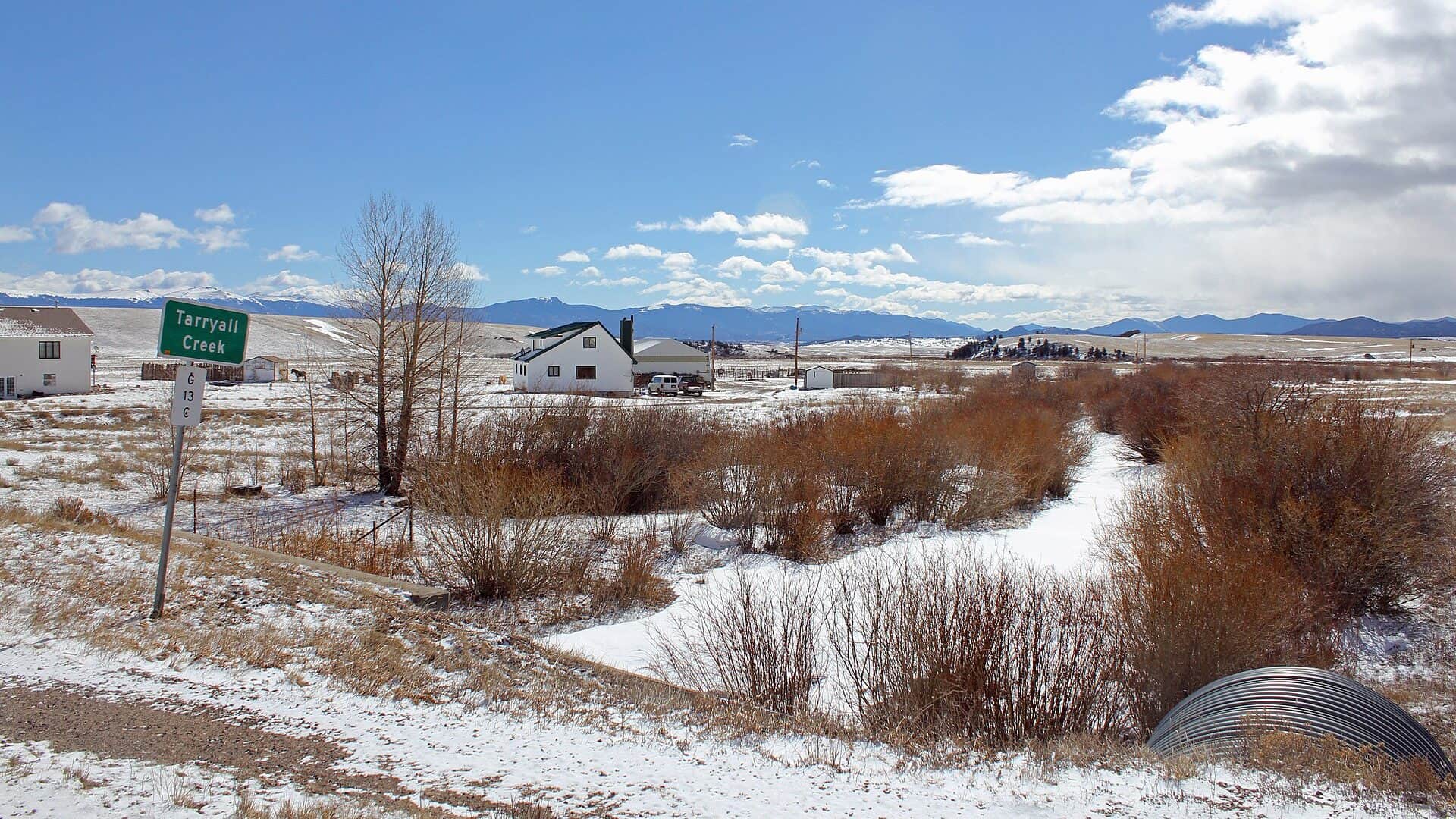
Image: Tarryall Creek / CC BY 3.0 / Jeffrey BeallFishability now: Tarryall Creek fishability today
CautionData confidence: Medium59/100
Cautious now because flow has been checked, weather is mild, and no public alert is active.
Flow observed
Not returned
Weather observed
6:00 PM UTC
Score calculated
6:13 PM UTC
Why this rating
Flow
Weather
Short-term weather
Next 6-12 hours
Watch
Recheck within the next few hours; rising water or active weather can change clarity and wading quickly.
Flow check
No live chart
Current trend: previous-score comparison will become more useful after repeated live checks.
More planning details: flies, flow bands, and live source checks
Fish it today
Start here
Start with the specific access type: CPW Tarryall Creek State Trust Land, reservoir-area context, or nearby South Park alternatives. Fish one legal stretch carefully rather than driving from sign to sign looking for unposted water.
Best flow clue
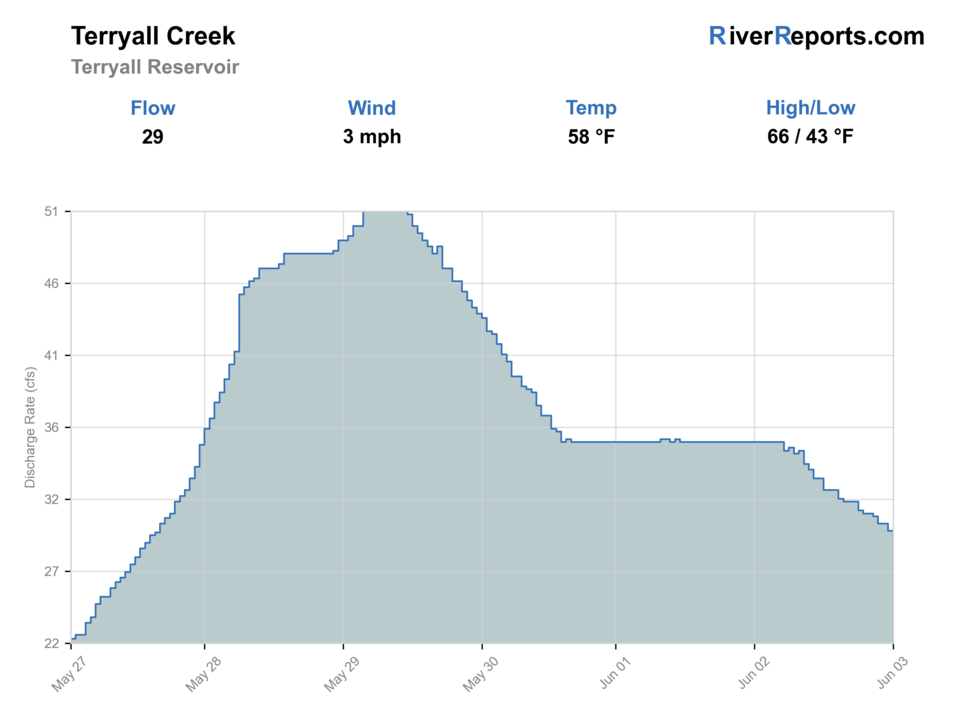
Use the RiverReports Tarryall chart and Colorado DWR station as a trend check. Stable clear flow is the most useful window; very low warm water, sudden reservoir-related changes, or runoff stain should push you to a different plan.
Skip trigger
Skip Tarryall when access season, State Trust Land rules, or posted boundaries are unclear, when meadow water is too low and warm for responsible trout handling, or when wind and storms make accurate small-water fishing unrealistic.
Flow decision bands
Low but fishable
Low clear meadow water can fish with stealth and small flies when temperatures, wind, and access are safe.
Best South Park meadow window
Stable or falling RiverReports and Colorado DWR context with mild weather gives the best dry-dropper and terrestrial signal.
Runoff or soft-bank unsafe
High, stained, or rising creek water should stop crossings and meadow-bank wading.
Boundary and wind caution
State Trust Land rules, private edges, and South Park wind can override a fishable chart.
Flow check
No live chart
Current trend: previous-score comparison will become more useful after repeated live checks.
No structured live flow
Use the linked flow and access sources before deciding.
Live NWS forecast
68F / Chance Showers And Thunderstorms
Water temperature not verified
Heat guidance uses weather and river type unless an official water-temperature value is available.
No NWS alert flag
No active NWS alert was returned for this forecast point.
Use RiverReports and Colorado DWR TARTARCO for Tarryall Reservoir-area flow context.
CPW special regulations list seasonal and tackle rules for Cline Ranch SWA water.
The Tarryall Creek State Trust Land page has specific access and foot-travel guidance.
Treat posted signs as the final rule if they differ from old fishing reports.
Editorial review
How this report is maintained
This Tarryall Creek report is maintained from RiverReports and Colorado DWR flow data, CPW State Trust Land and regulation sources, weather checks, and South Park meadow-stream planning guidance.
Byline
BlueStreamFly editorial team
Reviewed by
BlueStreamFly source review
Maintained by
Mountain Brook Run LLC
Last material review
2026-05-31
Report confidence
Good confidence
84/100
Good confidence: RiverReports chart support, Colorado DWR station context, CPW State Trust Land access, Colorado regulation sources, and weather data support the page. Confidence is moderated by chart-only route data, trust-land rules, private boundaries, wind, warm low water, and reservoir-influenced changes.
Regulations
Colorado regulation and CPW State Trust Land sources support the legal-check path before fishing Tarryall Creek.
Access
CPW Tarryall Creek State Trust Land material supports public access planning, with signs, leases, and exact boundaries still needing current confirmation.
Flow and weather
RiverReports chart support and Colorado DWR Tarryall context are linked, with weather attached, but no separate USGS station is attached to this route data.
Fishing usefulness
The page now separates State Trust Land rules, chart-backed flow, meadow wind, warm-water restraint, boundaries, reservoir context, and backup choices.
Fishability dashboard and source review
2026-05-31 / material content or source review
RiverReports Tarryall Creek chart, Colorado DWR Tarryall station context, CPW Tarryall Creek State Trust Land source, Colorado regulation sources, and the National Weather Service point were checked before updating the current fishability guidance.
2026-05-31
Updated Tarryall Creek with chart-backed meadow guidance, State Trust Land access cards, wind and boundary cautions, backup cues, stable fishability SEO, and confidence signals.
2026-05-28
Added South Park trip-fit guidance, wade-only framing, seasonal-access skip cues, State Trust Land nuance, pressure timing, backup-water suggestions, editorial review signals, and a page-specific report-confidence meter after source review.
2026-05-24
Initial source-reviewed report published with flows, weather, hatches, flies, tactics, access, regulations, and FAQs.
Angler planning edge
Local details that change the plan
Best for
Anglers planning a South Park meadow-creek day instead of a larger South Platte tailwater, Dry-dropper, terrestrial, small nymph, and careful sight-fishing windows when flows are stable and clear, Trips where CPW access boundaries, State Trust Land rules, and seasonal signs matter before the first cast, Anglers comparing Tarryall Creek with Eleven Mile Canyon, the Middle Fork South Platte, and nearby reservoir-area water
Wade or float
Treat Tarryall Creek as a wade-only meadow-stream report. The right plan is slow bank approach, legal access, and careful handling of smaller water, not a float or cover-miles strategy.
Best flows
Use the RiverReports Tarryall chart and Colorado DWR station as a trend check. Stable clear flow is the most useful window; very low warm water, sudden reservoir-related changes, or runoff stain should push you to a different plan.
When to skip
Skip Tarryall when access season, State Trust Land rules, or posted boundaries are unclear, when meadow water is too low and warm for responsible trout handling, or when wind and storms make accurate small-water fishing unrealistic.
Local plan
Start with the specific access type: CPW Tarryall Creek State Trust Land, reservoir-area context, or nearby South Park alternatives. Fish one legal stretch carefully rather than driving from sign to sign looking for unposted water.
Pressure
The fishery can feel quiet, but limited legal access means anglers cluster quickly around known entry points. Better timing and careful approach usually beat extra fly changes.
Access nuance
Tarryall's biggest planning issue is not fly choice; it is legal access. CPW access rules, posted signs, seasonal limits, and private boundaries should drive the trip before any hatch expectation.
Backup water
If Tarryall is too low, windy, crowded, or access-limited, compare Eleven Mile Canyon for a tailwater plan, the Middle Fork of the South Platte for another meadow-stream option, or the main South Platte after checking current rules.
About the river
Setting, character, and why it fishes the way it does.
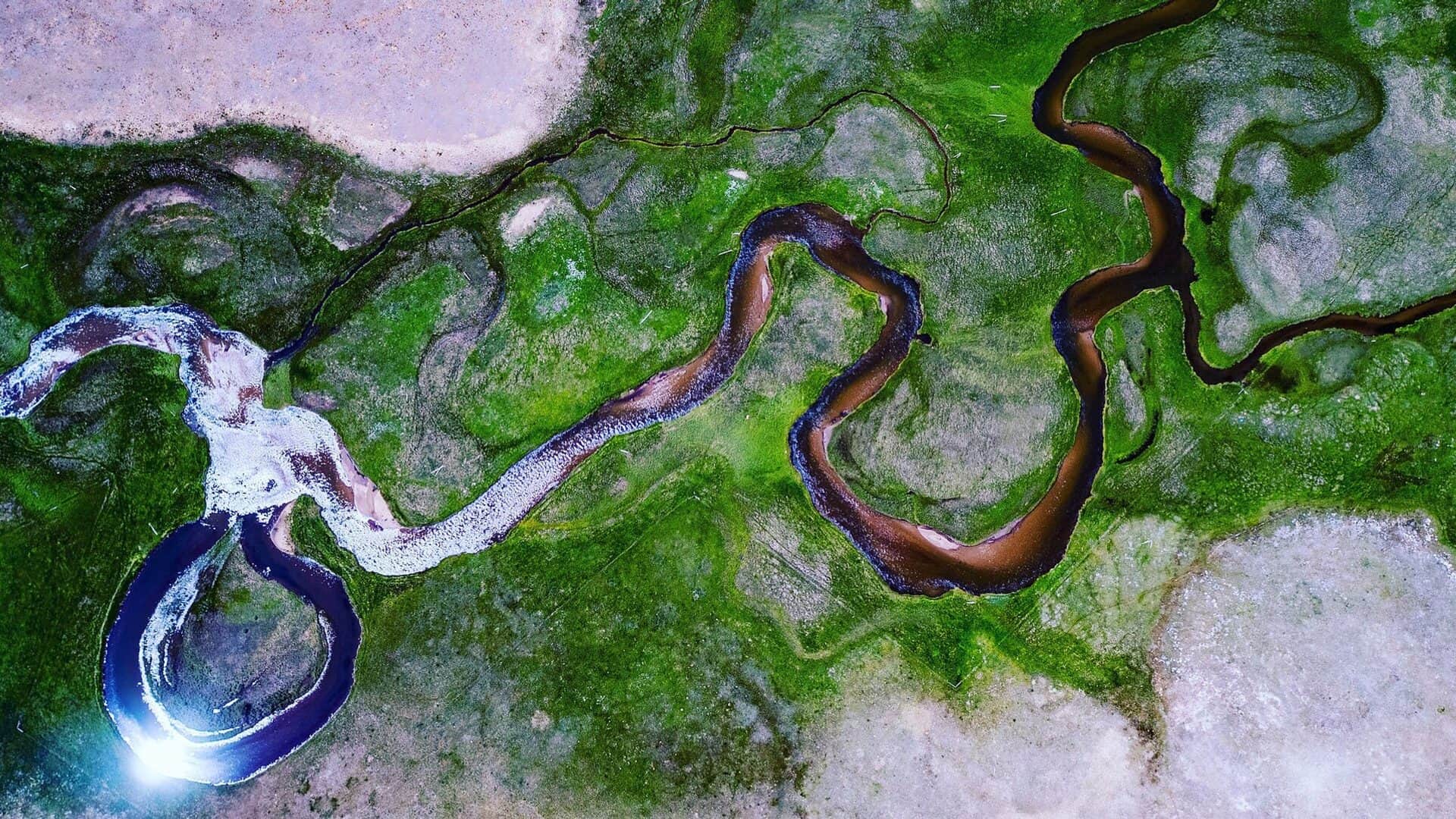
Tarryall Creek is a South Park tributary of the South Platte system, flowing through high meadow country, ranch land, reservoir influence, and public access pieces.
The creek is not one simple open corridor. Cline Ranch, Tarryall Reservoir, State Trust Land, private frontage, and other access pieces have different rules.
Meadow-stream habitat means fish may sit tight to undercuts, beaver-influenced water, bends, and deeper grassy banks.
This page focuses on legal-access planning and practical fly fishing rather than promising universal public access.
Target species
Brown trout
A core creek target, especially in undercut banks, beaver-influenced bends, and deeper slots.
Rainbow trout
Possible in reservoir-influenced and managed water; check current CPW information for stocking or reach context.
Cutthroat trout
Relevant in the broader high-country drainage, but verify local reach expectations before planning around them.
Brook trout
Possible in colder tributary or upper-water context rather than every meadow reach.
Reading the water
Low clear meadow flow
Stay off the bank edge, lengthen leaders, and fish small dries or light nymphs.
Stable medium flow
Fish bends, undercuts, riffles, and beaver-influenced water with dry-droppers and nymphs.
High or muddy
Avoid bank damage and unsafe crossings. Wait for clarity rather than forcing the plan.
Warm afternoon
Use a thermometer and shift away from trout if water temperatures become unsafe.
Best seasons
Spring
Access calendars and runoff matter. Open seasonal water can fish when clear and stable.
Summer
Caddis, PMDs, tricos, ants, beetles, and small hoppers can be useful in meadow water.
Fall
Cooler days, lower weeds, and terrestrial or BWO windows can fish well before seasonal closures.
Winter
Many access pieces are seasonally closed or limited, and ice often controls the plan.
Preferred flow source
Tarryall Creek at Tarryall Reservoir
RiverReports is the preferred chart source when coverage exists. When a matching USGS gauge exists, keep it open as the official backstop for station data and current hydrograph context.

Weather
River weather report
Weather can change wading safety, road access, water temperature, hatches, and the best time of day to fish.
Live forecast loads as you reach this section
This keeps the report fast while still using the official National Weather Service forecast point.
Hatches and flies
Hatch chart and fly picks
Spring
Midges, BWOs, small stones
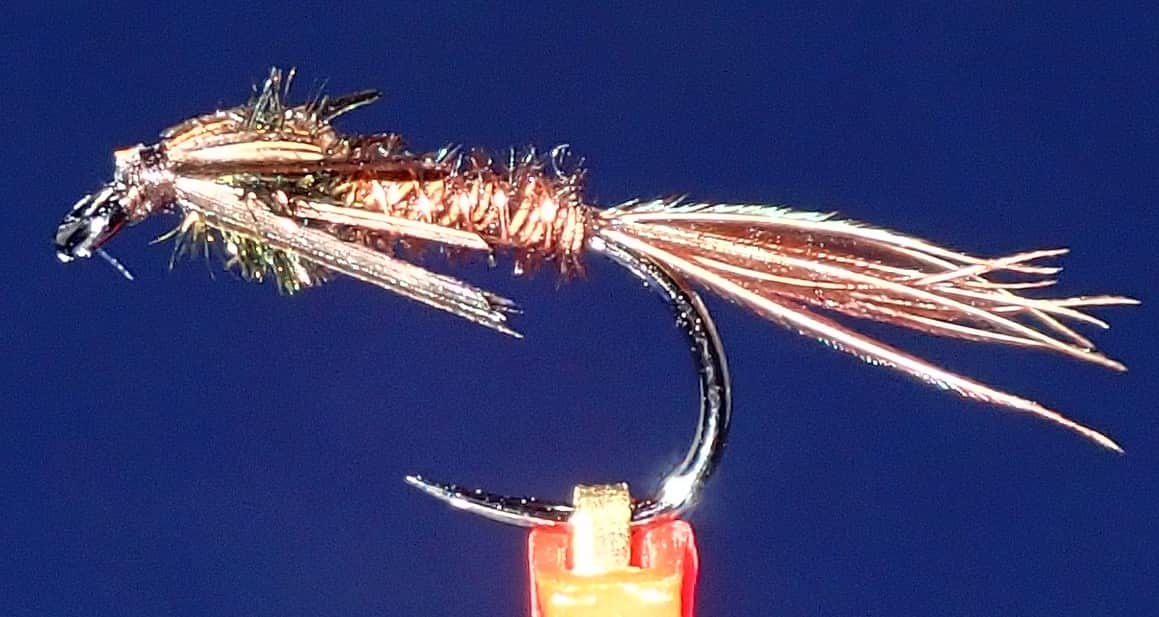
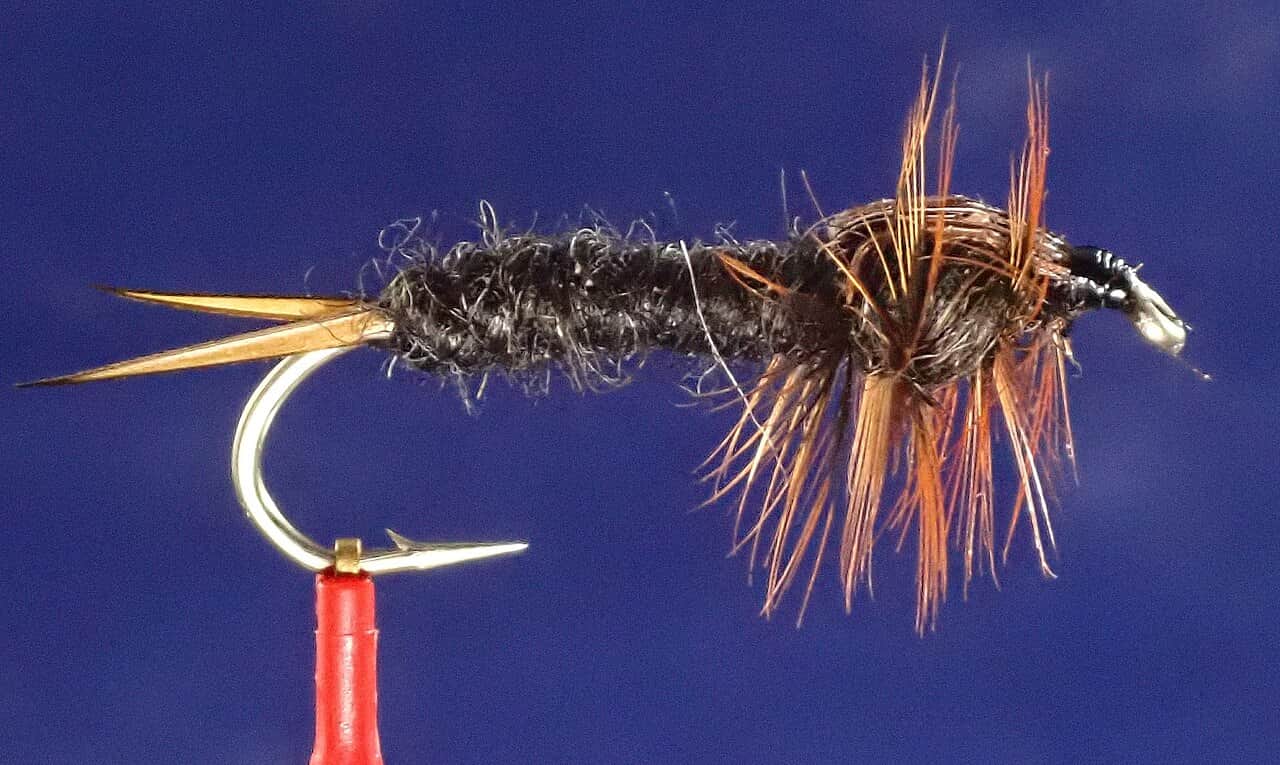
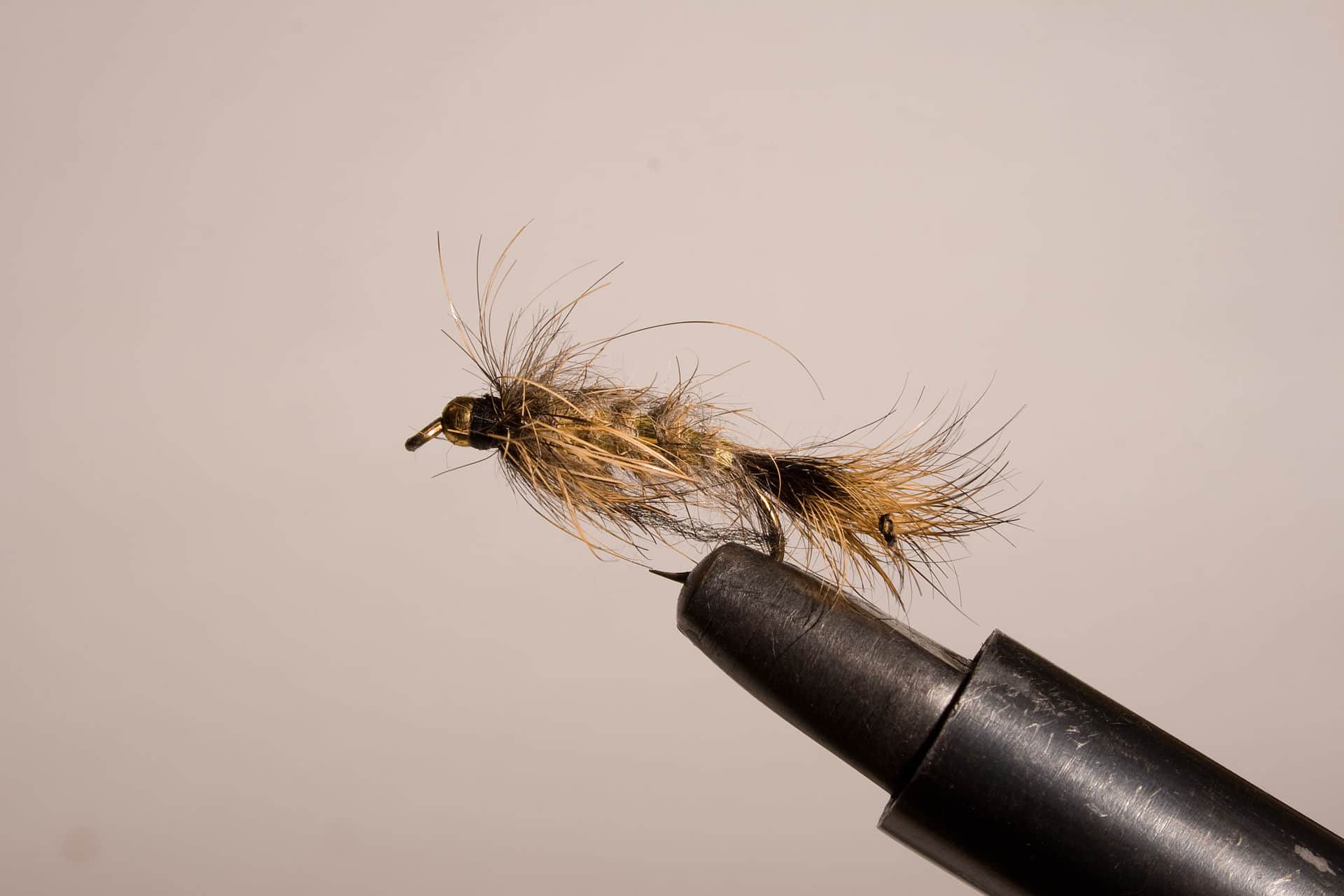
Zebra midge, BWO emerger, pheasant tail, small stonefly nymph
Early summer
Caddis, PMDs, yellow sallies
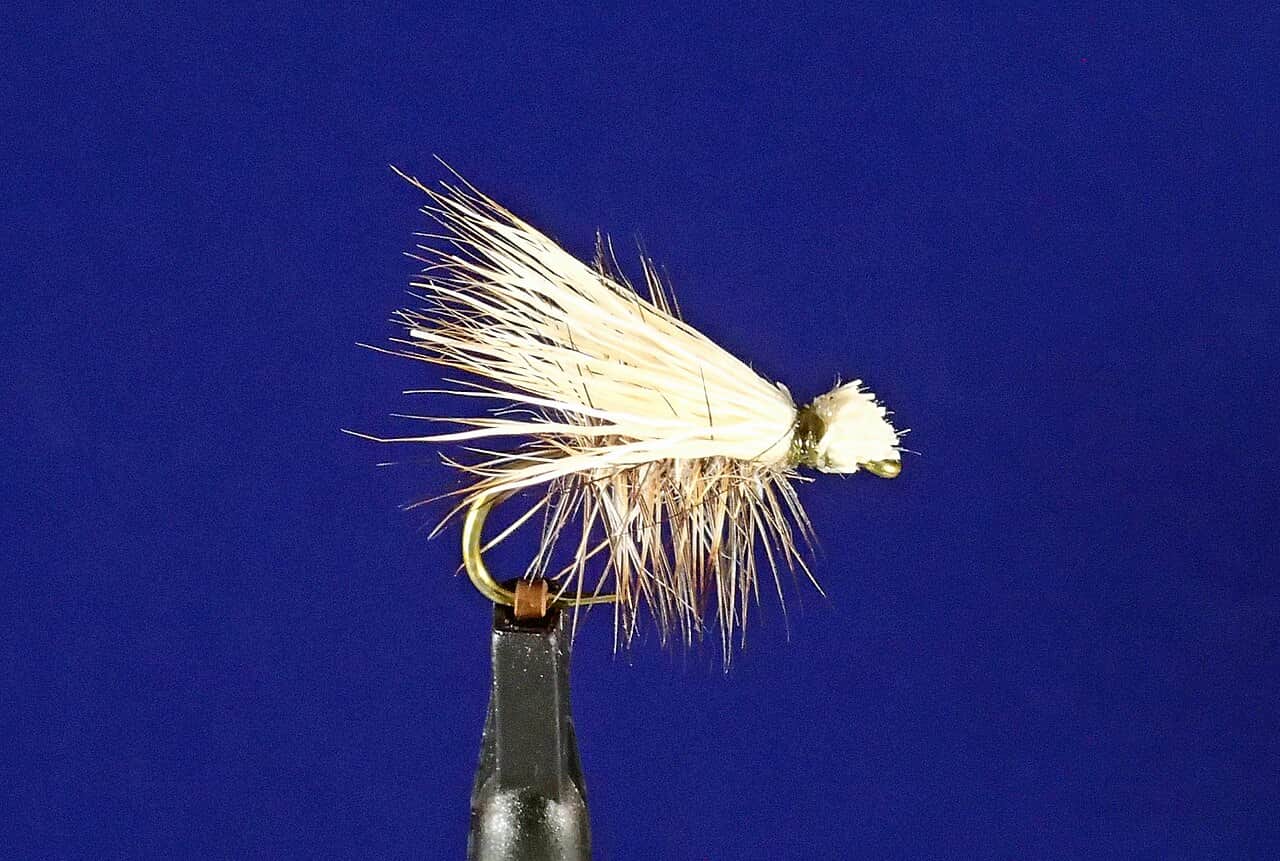
Elk hair caddis, PMD, yellow sally, hare's ear
Late summer
Tricos, ants, beetles, hoppers
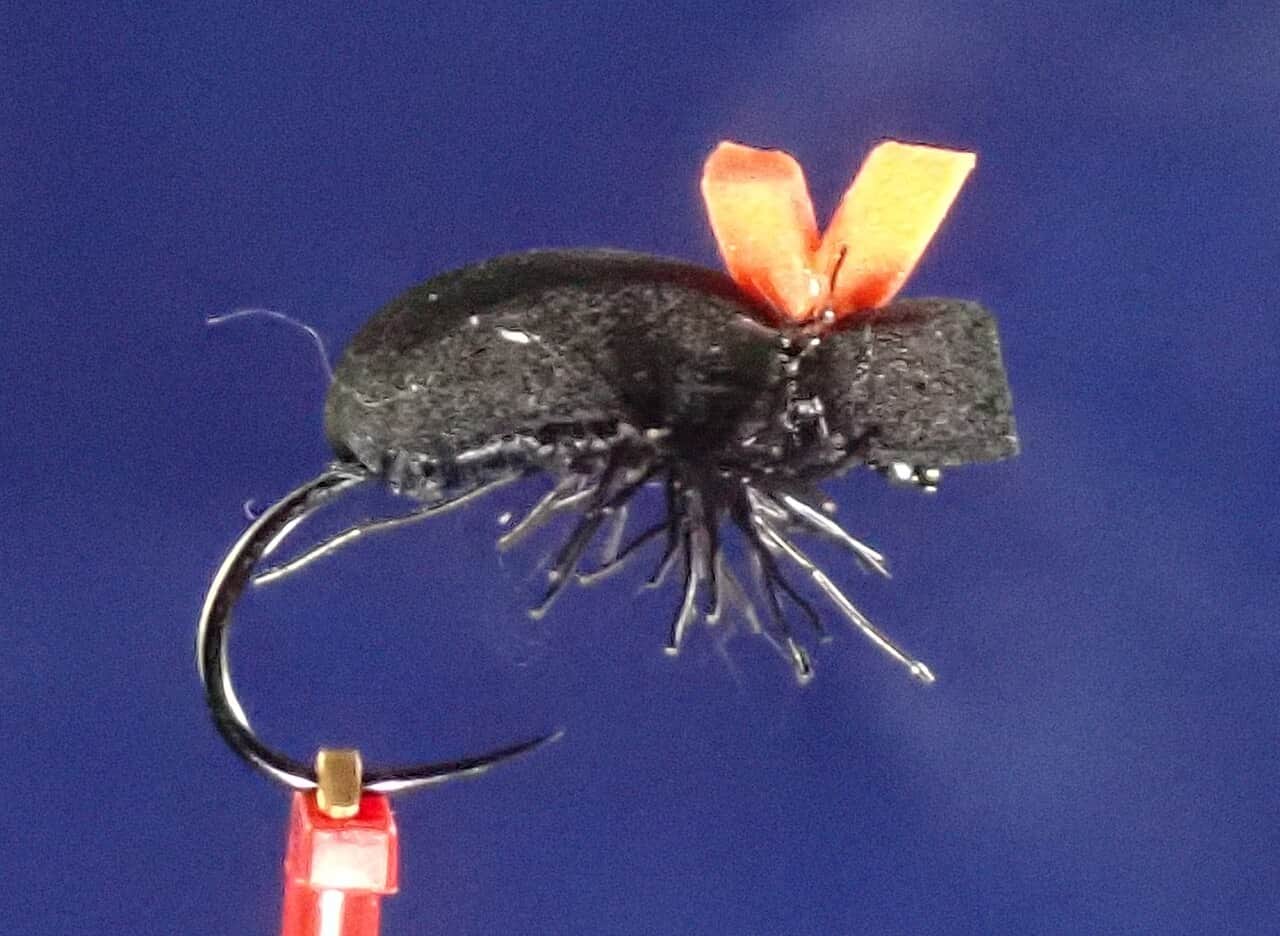
Trico spinner, foam ant, beetle, small hopper
Fall
BWOs, midges, terrestrials
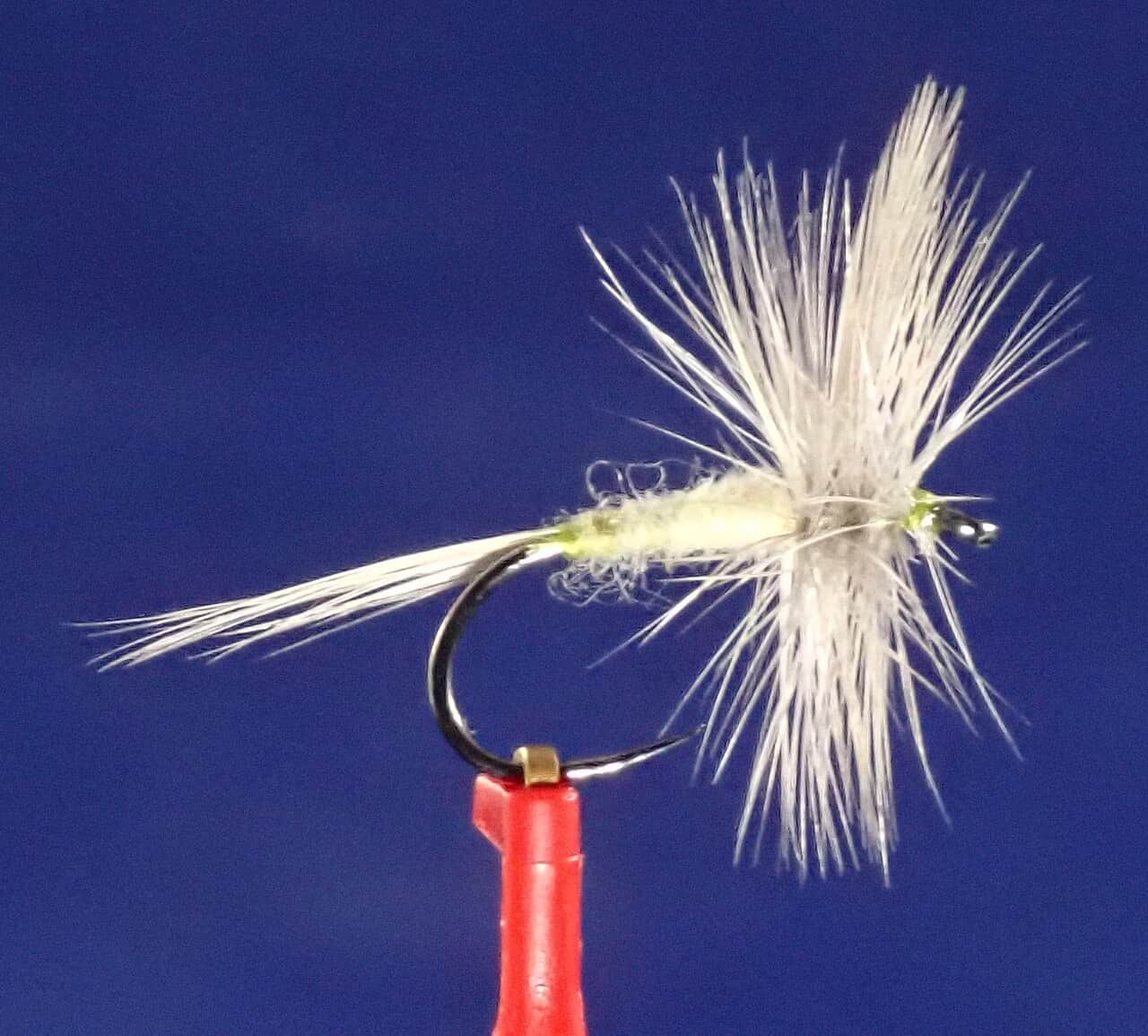
BWO dry, zebra midge, parachute Adams, ant
Small dries
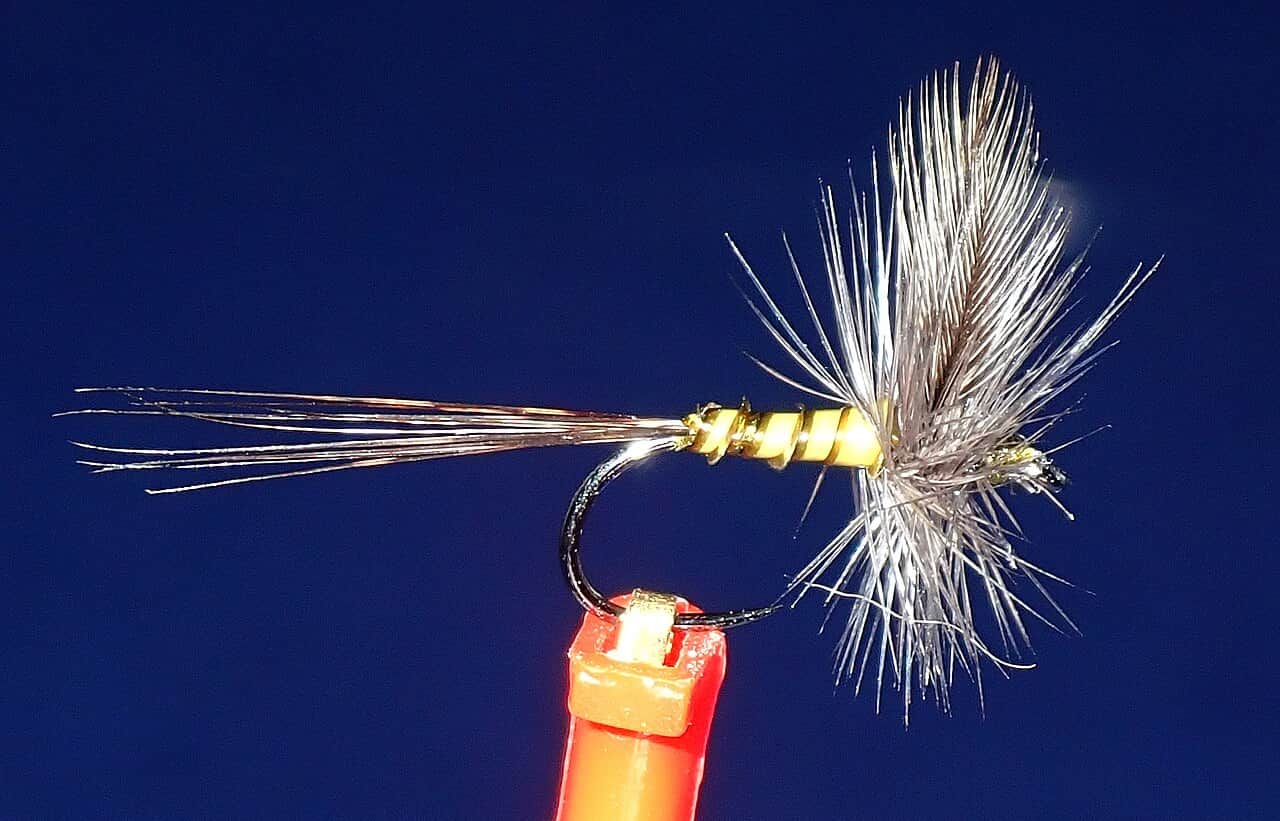
Parachute Adams, BWO, PMD, trico, elk hair caddis
Use in slicks, bends, and pool tails when fish look up.
Terrestrials
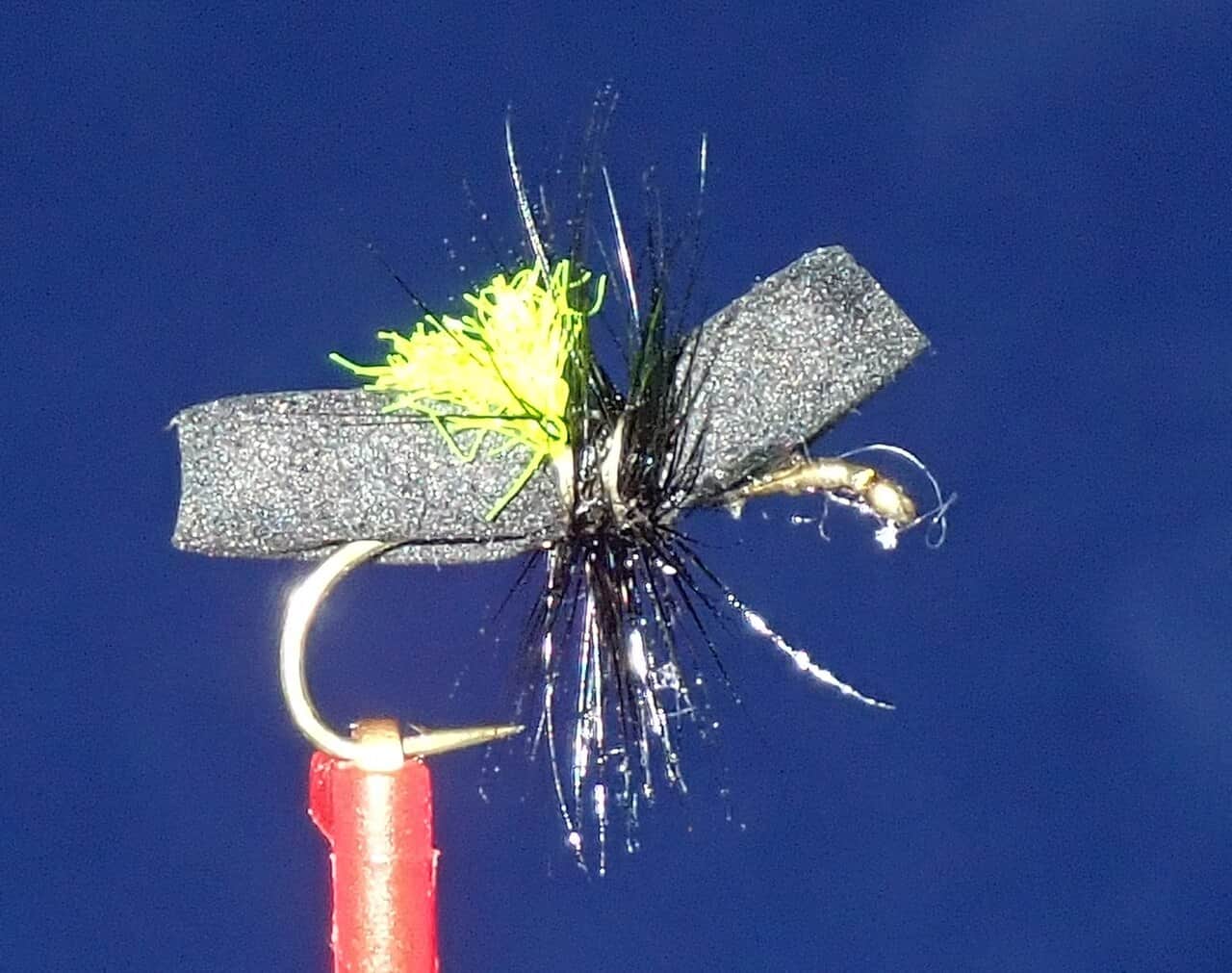
Foam ant, beetle, small hopper, cricket
Use along grassy undercuts and meadow banks in summer and early fall.
Light nymphs
Pheasant tail, hare's ear, zebra midge, perdigon
Use under a small dry or yarn indicator in deeper bends.
Small streamers
Micro bugger, leech, small sculpin
Use in deeper bends, stained water, or fall low light.
Tactics
How to fish it
Confirm the exact access property and season before fishing.
Use low profiles and first-cast accuracy around undercuts.
Avoid trampling soft banks and meadow vegetation.
Fish upstream when practical so you do not walk over likely holding water.
Leave gates, parking areas, beats, and posted signs exactly as directed.
Rigging
Rod, leader, and setup notes
A 7.5- to 9-foot 3-weight or 4-weight is ideal for tight meadow water.
Use 5X or 6X for small dries and light nymphs.
Carry small yarn indicators and dry-dropper materials.
Bring a thermometer, wind layer, and rain shell.
Use boots that handle mud, grass banks, and cold water.
Access
Access and planning notes
Tarryall Creek State Trust Land
Primary legal-access checkWade / float / trail
CPW / state trust / wade
When to pick it
Start here when the day depends on confirmed public trust-land access.
Caution
Follow current State Trust Land rules, signs, leases, and boundary limits.
Tarryall Reservoir / chart context
Flow and reach comparisonWade / float / trail
RiverReports / DWR / road scout
When to pick it
Use it when reservoir influence, wind, or flow trend will decide whether the creek is worth it.
Caution
No separate USGS station is attached to this route data.
South Park backup orbit
Wind and access pivotWade / float / trail
Road / meadow / public access comparison
When to pick it
Pick it when exposed creek conditions make another South Park reach smarter.
Caution
Each meadow reach has separate public-footprint and rule checks.
CPW lists Cline Ranch-specific special regulation language and seasonal closures.
The Tarryall Creek STL page describes foot access from adjoining BLM near the southeast corner.
Other ranch or posted reaches should be treated as closed unless current public access is clearly confirmed.
South Park wind, lightning, and muddy roads can change a short trip quickly.
Regulations
Check before fishing
Verify current CPW regulations for Cline Ranch, Tarryall Creek STL, Tarryall Reservoir area, and any posted local signs. Seasonal closures and access boundaries are central to this fishery.
Primary base
Jefferson, Lake George, or Fairplay, Colorado
Best day style
SWA, State Trust Land, reservoir-area, and seasonal posted access
Check first
Seasonal closures, posted beats, DWR flow, CPW rules, weather, and mud
Safety
Seasonal closures, private land, soft banks, lightning, cold water, and road conditions
Gear
Helpful gear for this water
Small-creek rod
A 3-weight or 4-weight fits meadow bends, undercuts, and short casts.
Terrestrial box
Ants, beetles, and small hoppers are important in summer and early fall.
Access notes
Seasonal closures and property-specific rules are not optional.
Thermometer and wind layer
South Park afternoons can be warm, windy, or stormy.
Nearby water
Other water to research
Backup logic
High water
Compare Eleven Mile Canyon, the South Platte below Antero, or wait for Tarryall to settle.
Heat
Fish early and stop trout pressure in shallow warm meadow water.
Storms or wind
Delay when lightning, wind, or storm stain makes exposed banks poor.
Access issue
Use CPW-listed State Trust Land access only; pivot if signs, leases, or boundaries are unclear.
South Platte River
A larger Deckers and Cheesman corridor plan with technical tailwater fishing.
Middle Fork of the South Platte
A nearby South Park headwater plan with similar meadow-water tactics.
South Platte River 11-Mile Canyon
A canyon tailwater option below Eleven Mile Reservoir.
FAQ
Fast answers
Is Tarryall Creek fishable today?
Tarryall Creek is a cautious call right now. The live score is 59/100, based on current flow, weather, public alerts, and the report's planning context. Recheck the linked gauge and forecast before leaving because conditions can change quickly after rain, heat, access changes, or flow swings.
What flow is best for Tarryall Creek?
Use the RiverReports Tarryall chart and Colorado DWR station as a trend check. Stable clear flow is the most useful window; very low warm water, sudden reservoir-related changes, or runoff stain should push you to a different plan.
When should I skip Tarryall Creek?
Skip Tarryall when access season, State Trust Land rules, or posted boundaries are unclear, when meadow water is too low and warm for responsible trout handling, or when wind and storms make accurate small-water fishing unrealistic.
Is Tarryall Creek safe to wade right now?
The fishability score is not a wading guarantee. Wade only where your chosen access has safe edges, clear footing, legal entry, and no forced crossings; high, rising, stained, or storm-affected water should be treated conservatively.
Is Tarryall Creek open all year?
Not on every access property. Some reaches have seasonal closures or property-specific access rules.
What flow should I check?
Use RiverReports and Colorado DWR TARTARCO for Reservoir-area flow context, then match conditions to the exact access point.
What flies should I bring?
Bring small mayflies, midges, caddis, tricos, ants, beetles, small hoppers, light nymphs, and small streamers.
What is the biggest mistake here?
Assuming every meadow bank is public or open. Verify the access property, season, and posted rules before fishing.
Sources
Source set for this report
Reviewed 2026-05-31