RiverReports preview · current series loading
Recent flow
RiverReports gauge
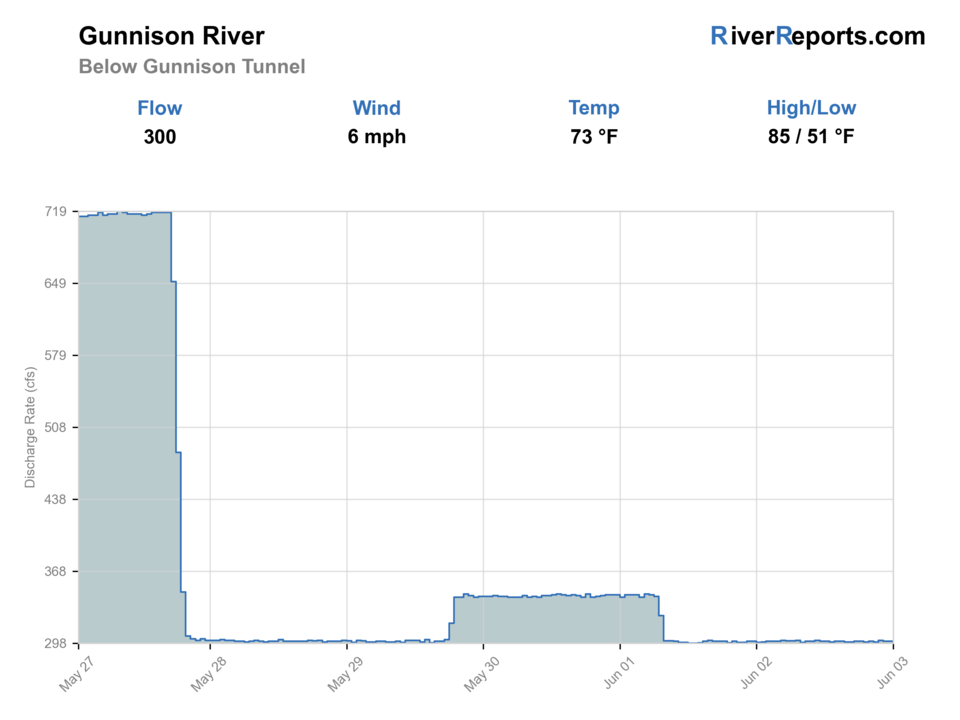
Showing the available RiverReports chart while the current structured flow series loads. Check the chart on RiverReports Opens in a new tab.
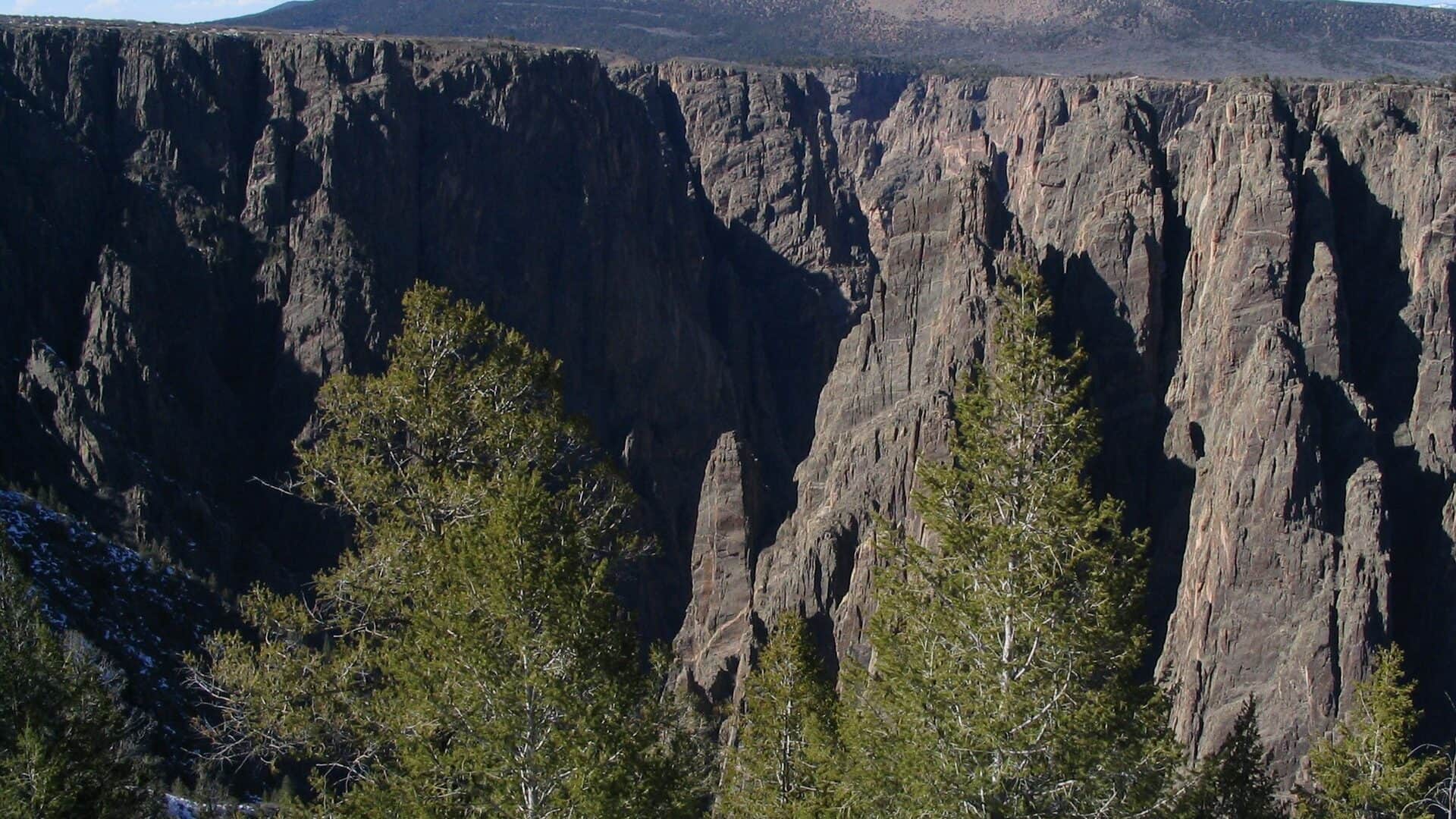
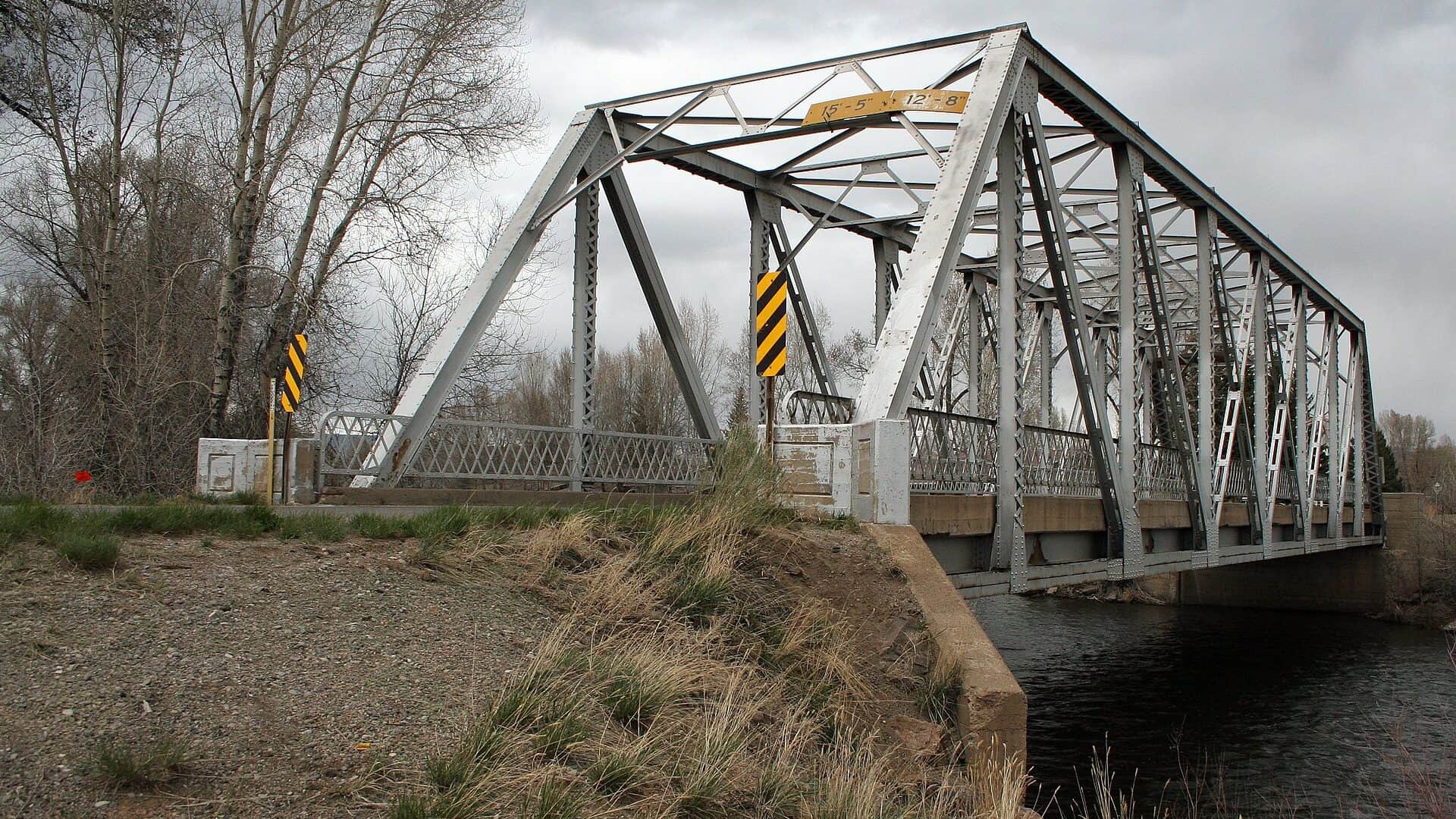
Photo: Ken Lund from Reno, Nevada, USA Opens in a new tab. · CC BY-SA 2.0
Best option: Wading. Wading is in play only where your chosen access has clear footing, legal entry, and no forced crossings.
Rating updatedRiver local time:
USGS shows 213 cfs. The flow has been stable over about 6 hours. USGS marks this reading provisional and may revise it. USGS records for this date (1911-2026, 116 readings) show a median near 423 cfs and the lower quartile near 280 cfs; today's flow is below normal for the date. This is below normal, so edge depth, temperature, and pressure matter.
NWS air forecast near
This is an air forecast, not a river-temperature reading. Check the water with a stream thermometer before fishing in hot weather.
RiverReports gauge
Showing the available RiverReports chart while the current structured flow series loads. Check the chart on RiverReports Opens in a new tab.
Chance Rain Showers
The National Weather Service forecast is temporarily unavailable.
RiverReports gauge: Gunnison River below Gunnison Tunnel
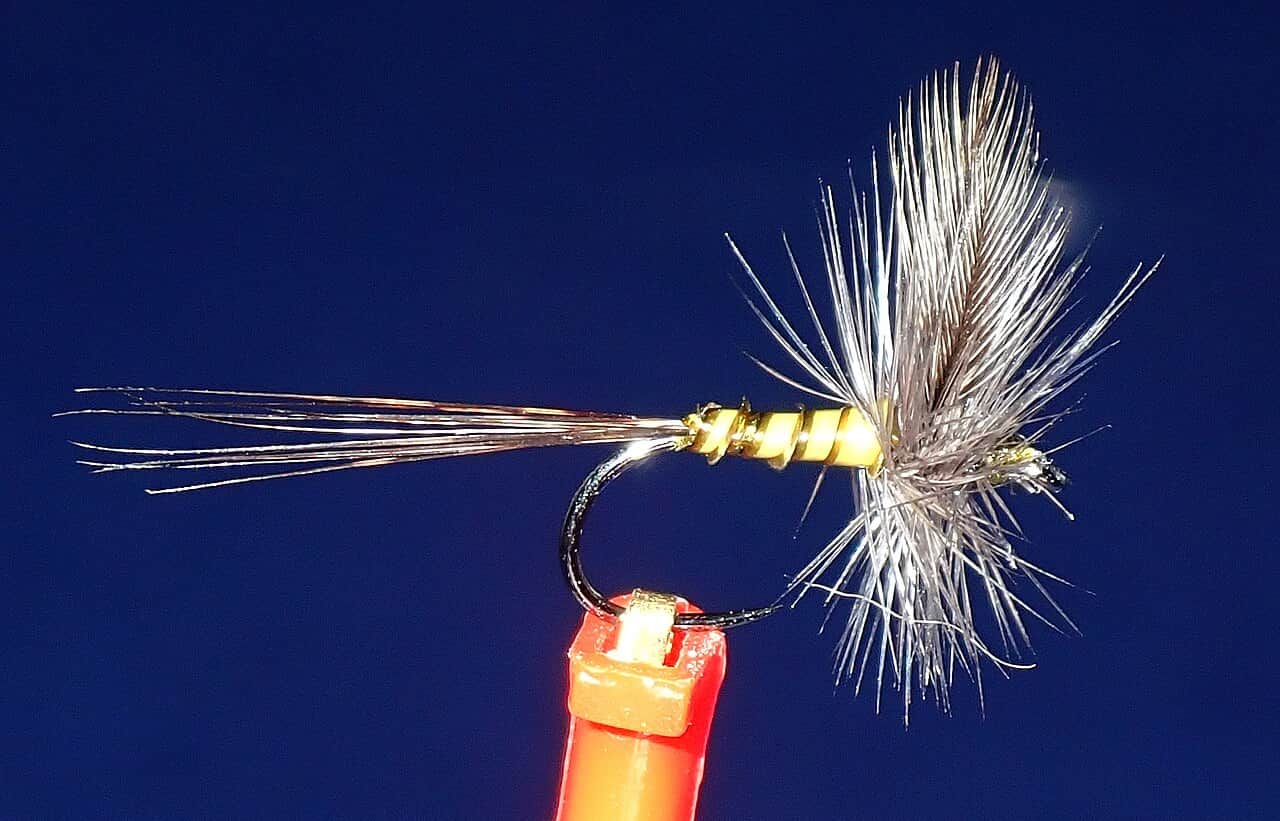
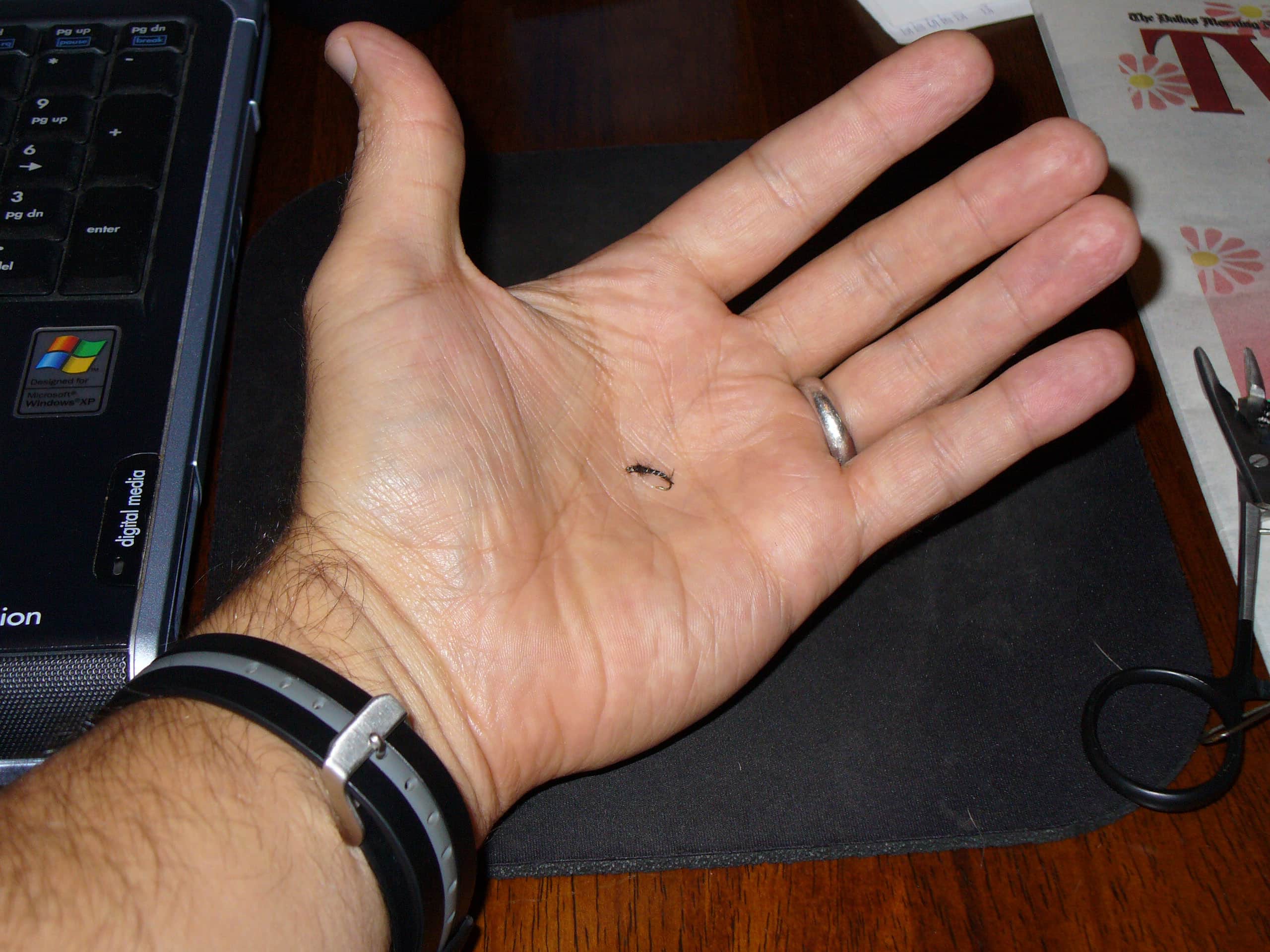
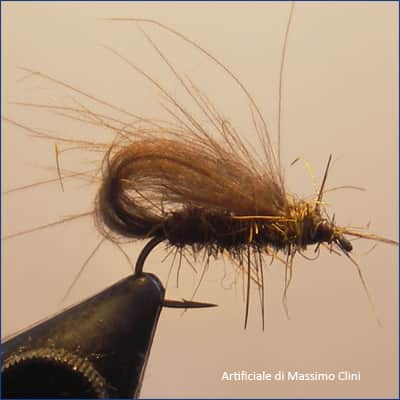
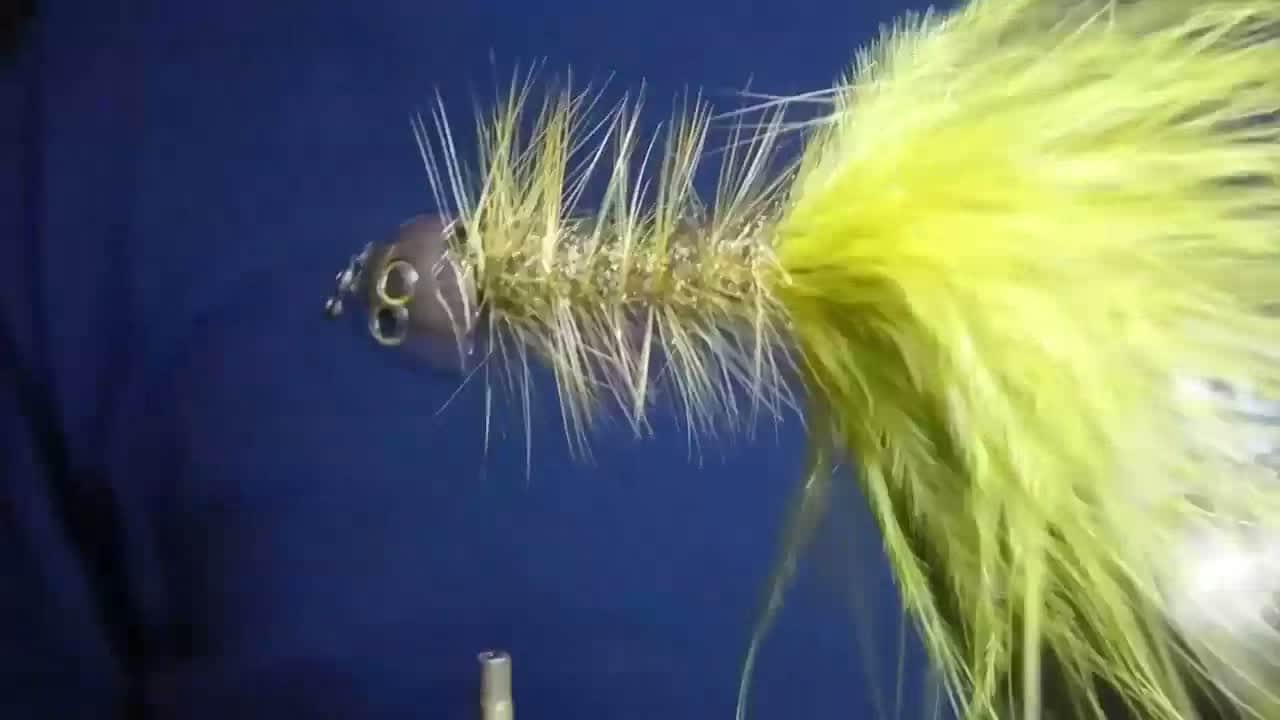
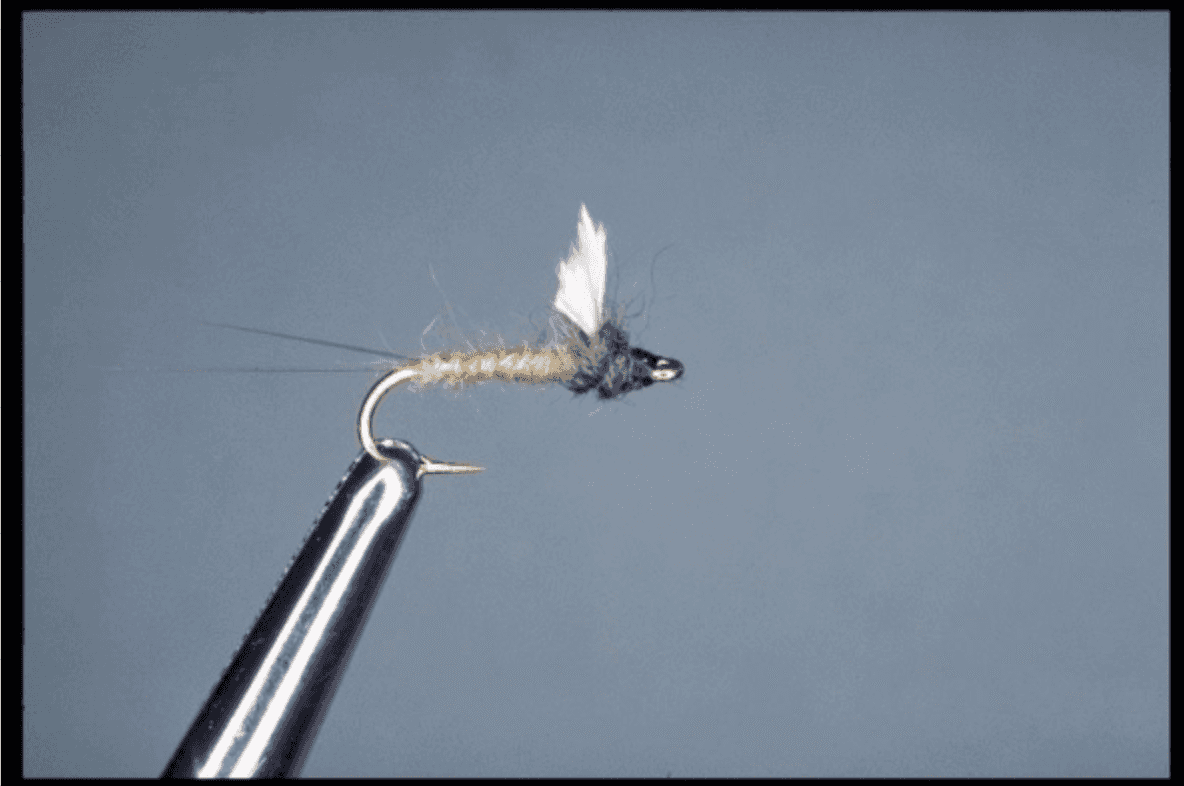
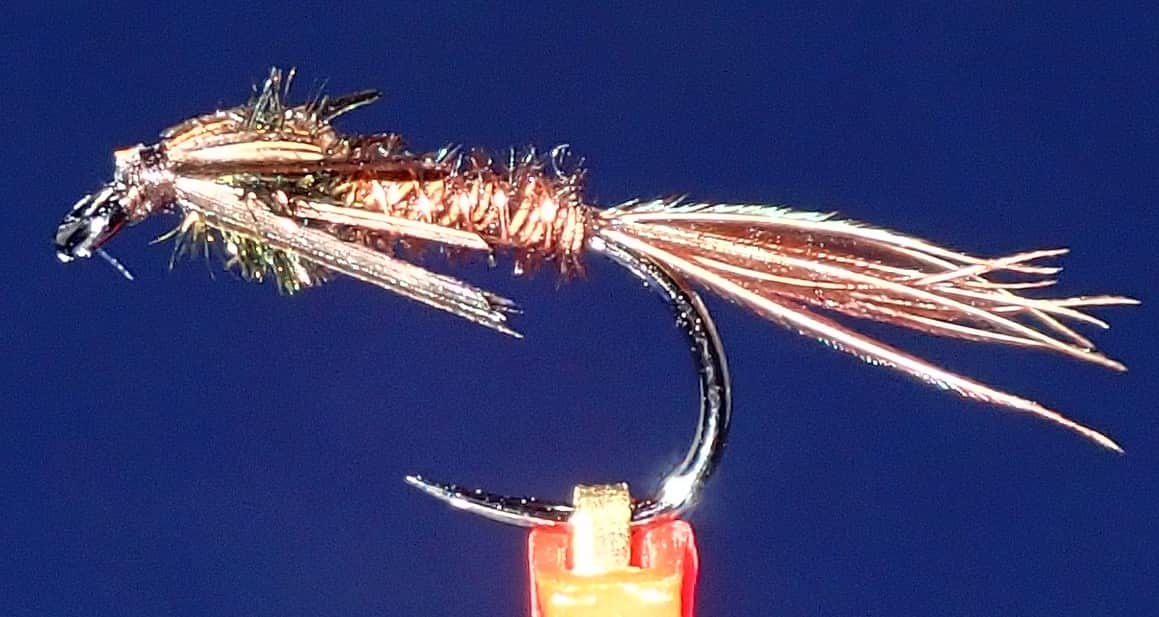
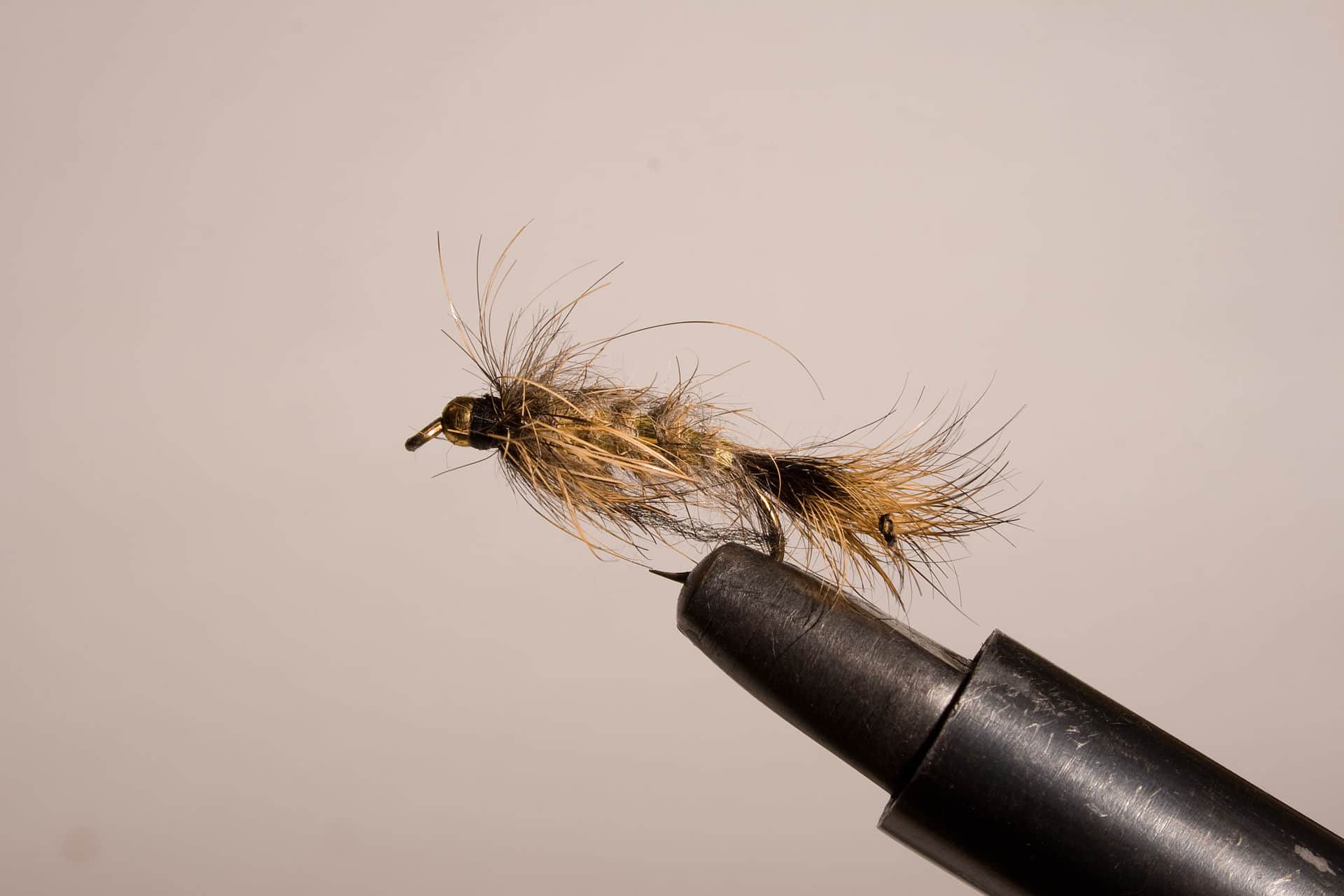
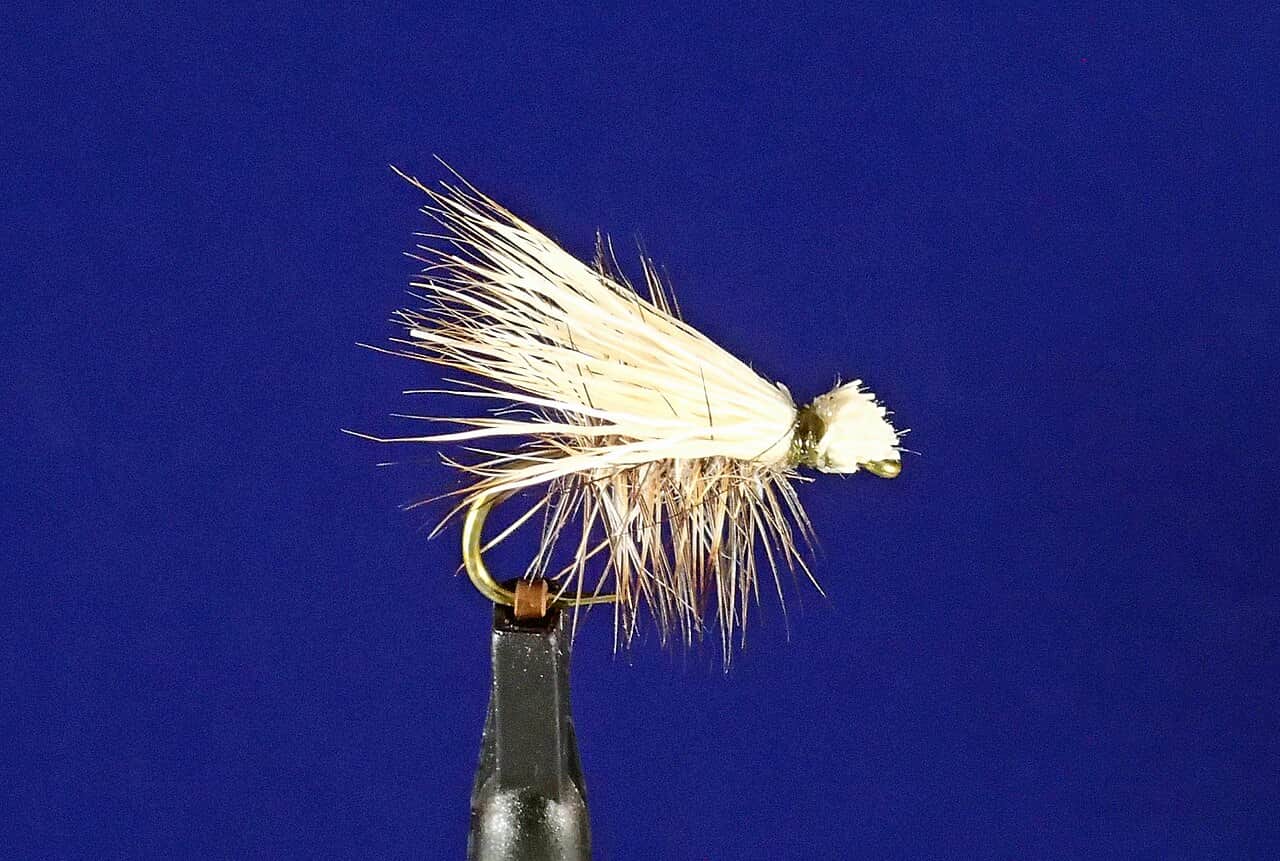
Seasonal starting points, not a live hatch report. Match what you see on the water.
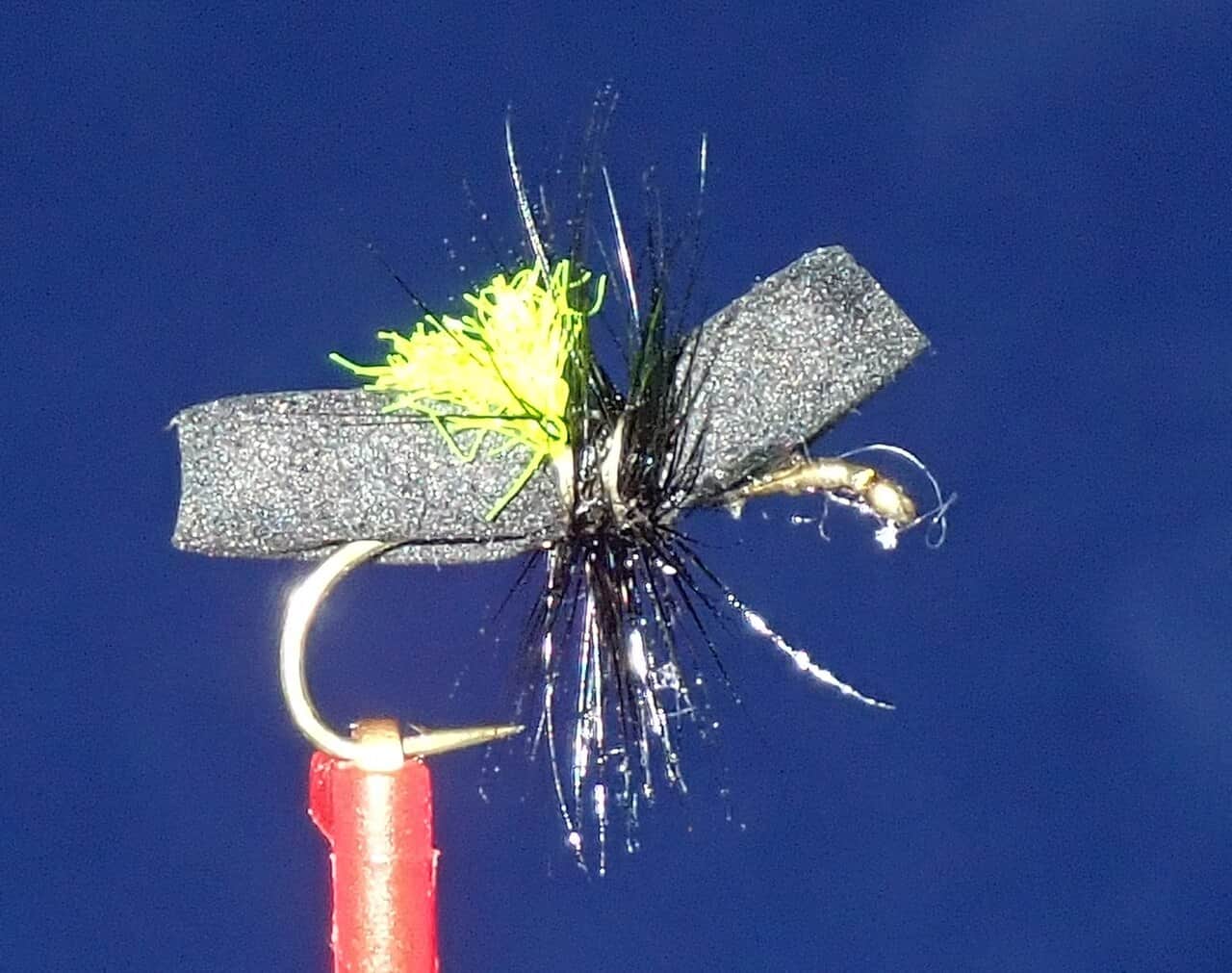
Also try black beauty
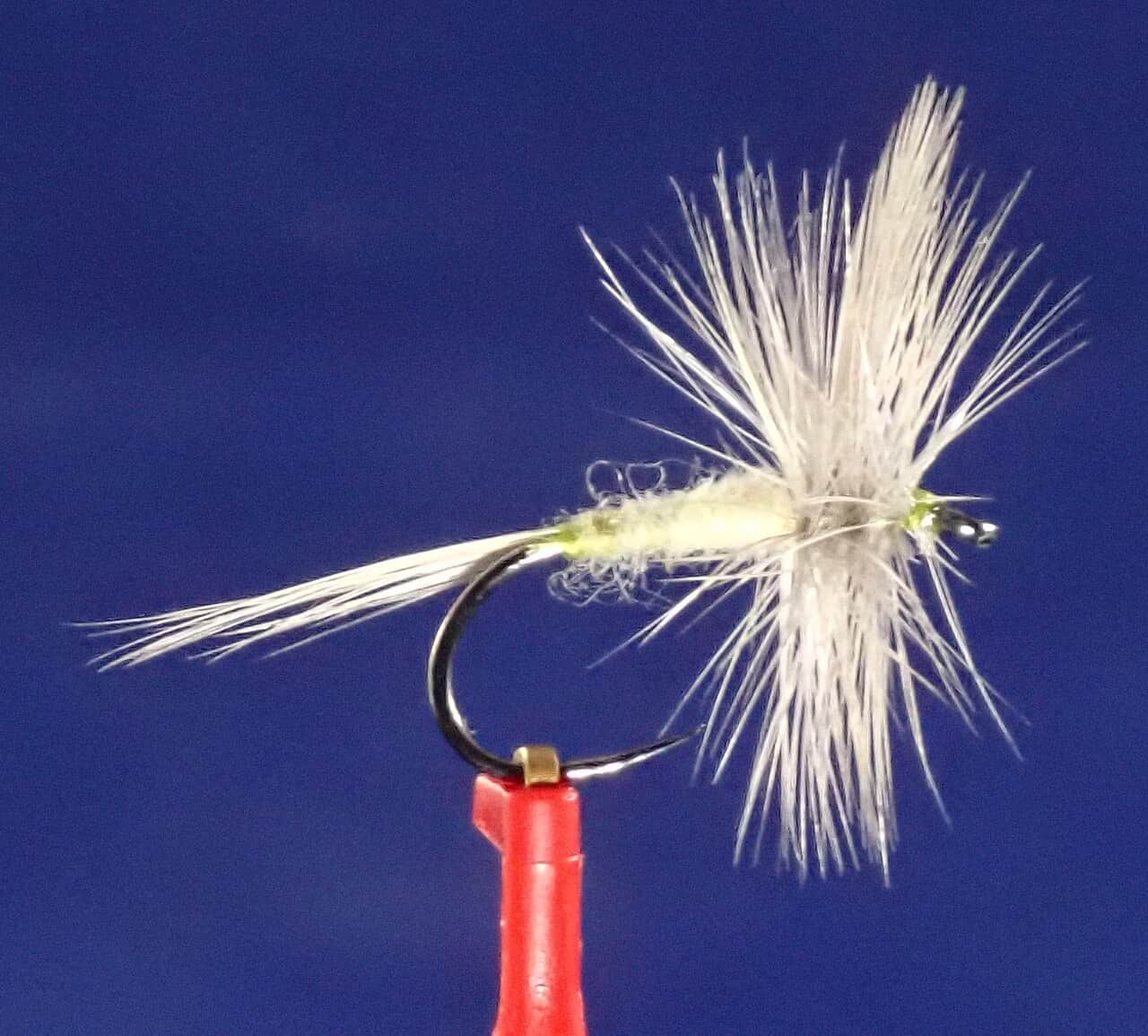
Each fly name opens its matching Fly Box guide.
Fish the Gorge only when flow, weather, access, and your group's fitness line up. When conditions are right, nymphs, dries, and streamers can all produce, but safe travel and current rules matter more than forcing a fishing window.
Use lighter nymph rigs, longer leaders, and careful approaches in slick, technical pools.
This is the most flexible fishing window for nymphs, soft hackles, dries, and streamers.
Reconsider wading and route choice. Canyon water can become dangerous quickly with limited escape options.
Plan early starts, carry extra water, and avoid overcommitting to exposed canyon hikes.
These scores compare the risks of wading, bank fishing, and floating.
Wading is in play only where your chosen access has clear footing, legal entry, and no forced crossings.
This report does not recommend bank fishing on this reach.
This report does not recommend floating this reach.
Is Gunnison Gorge of the Black Canyon worth the trip today? Check flow, weather, hatches, access, and rules for Colorado before you go.
The Gunnison Gorge can offer excellent trout fishing, but access and safety are the first filters. The river is remote, steep, and rule-sensitive, so build the plan around verified flows and official land-manager guidance.
USGS shows 213 cfs. The flow has been stable over about 6 hours. USGS marks this reading provisional and may revise it. USGS records for this date (1911-2026, 116 readings) show a median near 423 cfs and the lower quartile near 280 cfs; today's flow is below normal for the date. This is below normal, so edge depth, temperature, and pressure matter.
Fall: A prime window for cooler weather, BWOs, streamers, and lower visitor pressure.
The current NWS air forecast is about 50F, and the next 24-hour high reaches about 68F. Chance Rain Showers.
No active NWS alert was returned for this forecast point.
Skip the Gorge when you are not prepared for the hike or float logistics, when heat or thunderstorms raise canyon risk, when NPS or BLM rules are unclear for the exact water you plan to fish, or when release changes make safe wading unrealistic.
Use the RiverReports Gunnison Tunnel chart and USGS 09128000 together. Stable releases are the cleanest planning signal. Sudden changes, high pushy water, or flows that erase safe edge water should move you to a different reach or a different day.
Skip the Gorge when you are not prepared for the hike or float logistics, when heat or thunderstorms raise canyon risk, when NPS or BLM rules are unclear for the exact water you plan to fish, or when release changes make safe wading unrealistic.
Choose the access style first: East Portal and park context for a shorter controlled plan, or BLM Gunnison Gorge routes only when the group is ready for steep travel, limited shade, and a full exit commitment.
If the Gorge is too hot, too high, too stormy, or too logistically heavy, compare the Lower Gunnison for easier valley context, the Upper Gunnison for a different basin plan, or the Cimarron River for smaller high-country water after checking current rules.
Use these places as starting points. Open the access link below and check posted signs before you park or enter.
NPS lists artificial flies or lures only, catch-and-release for rainbow trout, brown trout limits, license requirements, and a closure within 200 yards downstream of Crystal Dam for the park/Curecanti East Portal reach. Always verify current CPW, NPS, and BLM rules before fishing.
The easiest park river access when the steep road is open. NPS notes restrictions and winter closure.
Very difficult NPS routes for fit, prepared anglers with realistic time and safety margins.
BLM-managed downstream wilderness access with permit, fee, route, and float-planning considerations.
Official agencies and primary river operators come first. Secondary tools are labeled so you know what carries the most weight.
Check what is allowed, where the rule applies, and whether the river is open.
Check the latest river reading and forecast before you leave.
Check public entry points, land rules, and seasonal access changes.
Check what is allowed, where the rule applies, and whether the river is open.
Open the current rules and check the river section, season, and special limits.
Check the latest river reading and forecast before you leave.
Open this page and check the latest safety advice before your trip.
Open this river reading to check the latest level, flow, and update time.
Open this river reading to check the latest level, flow, and update time.
Check public entry points, land rules, and seasonal access changes.
Open the land or access page, then check signs before you park or enter.
Open the land or access page, then check signs before you park or enter.
What was checked: This Gunnison Gorge report is maintained from RiverReports and USGS flow data, National Park Service fishing rules, BLM access sources, weather checks, and practical canyon-planning guidance. Review dates change only after material source review or content improvements.
Live measurements and forecasts keep their provider timestamps. Rules, access, and trip guidance use the source-review date shown here. BlueStreamFly planning advice is editorial interpretation, not an agency notice.
First-hand experience: BlueStreamFly does not claim a first-hand visit or local field test for this report unless a real contributor is explicitly named and linked.
No. Some access, especially inner-canyon and wilderness routes, is steep, remote, and physically demanding.
Use RiverReports and USGS 09128000 below the Gunnison Tunnel as the primary canyon flow reference.
Rules depend on the exact reach. NPS lists catch-and-release for rainbows and specific brown trout rules in its park reach, so verify current rules before fishing.
Bring midges, BWOs, caddis, stonefly nymphs, PMDs, terrestrials, dry-droppers, and streamers.