Colorado / West
Dolores River
A Dolores River report for McPhee tailwater planning, release-dependent flows, artificial-only regulations, canyon access, hatches, and trip safety.
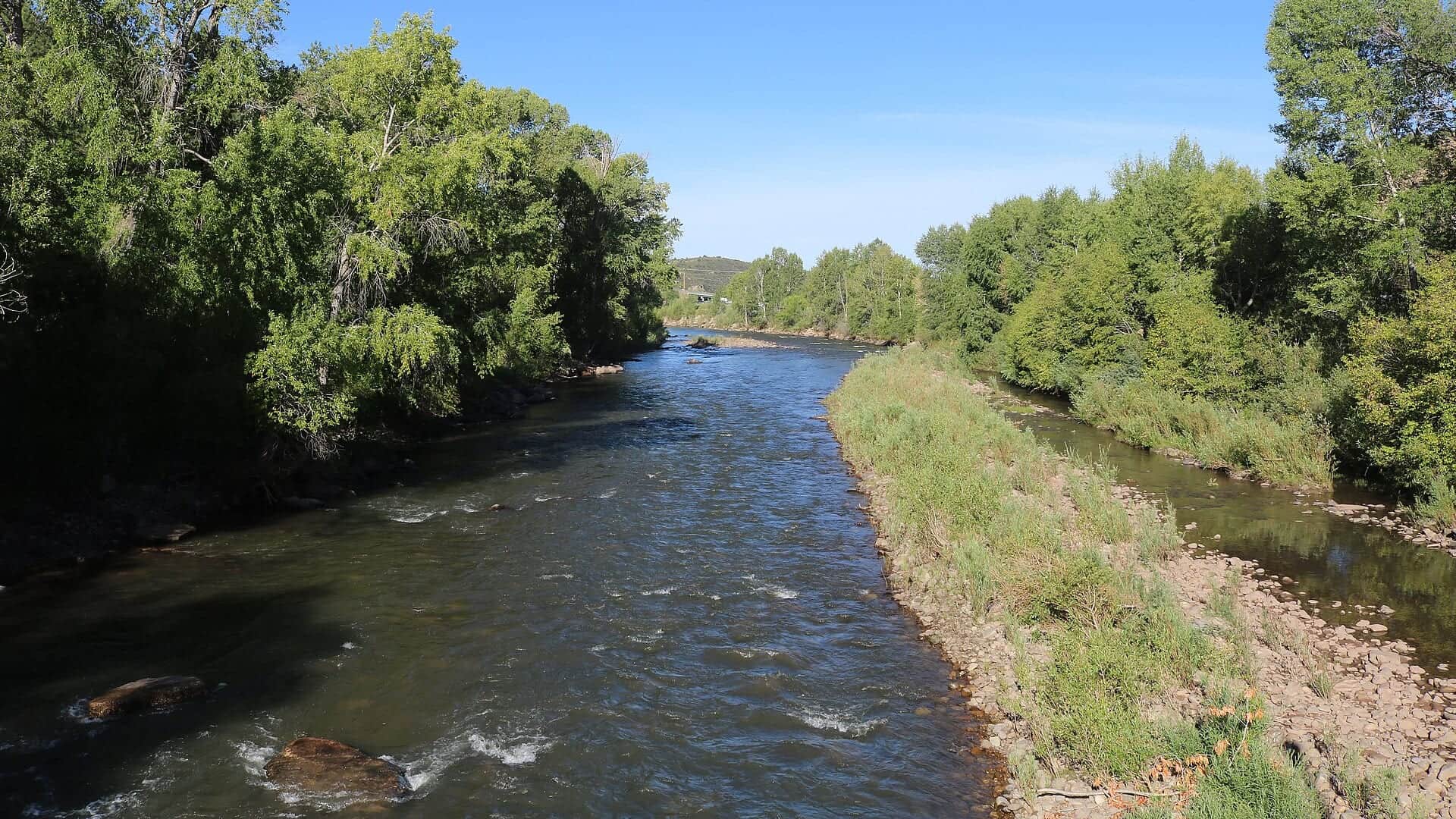
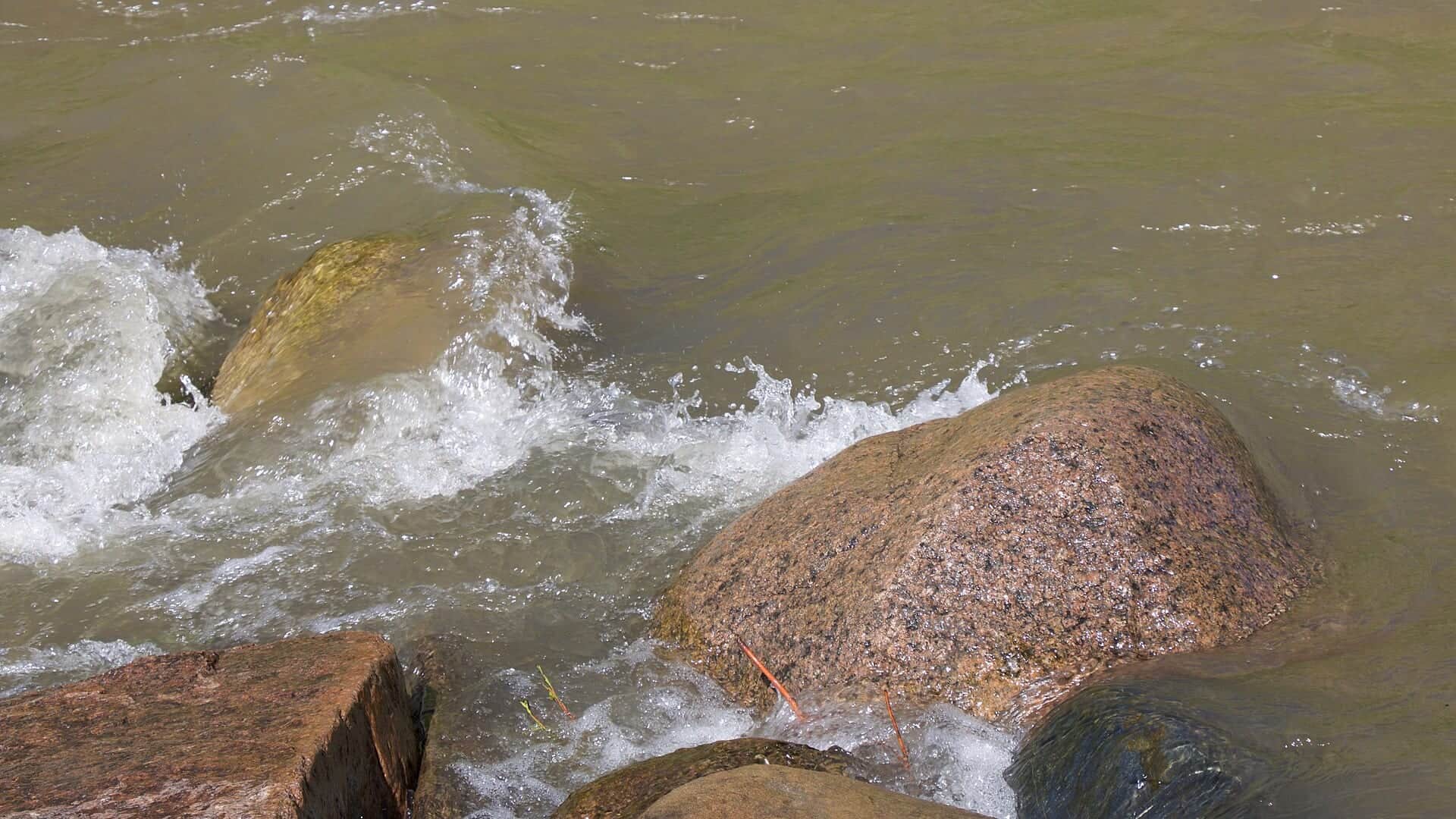
Image: Dolores River in Dolores, Colorado / CC BY 4.0 / Jeffrey BeallFishability now: Dolores River fishability today
CautionData confidence: High56/100
Cautious now because the live gauge is rising, weather is usable, and no public alert is active.
Flow observed
5:15 PM UTC
Weather observed
5:00 PM UTC
Score calculated
6:13 PM UTC
Why this rating
Flow
Water temperature
Public alerts
Next 6-12 hours
Watch
Recheck within the next few hours; rising water or active weather can change clarity and wading quickly.
USGS flow
12 cfs
Current trend: flow rising, rating can drop quickly if clarity or wading safety deteriorates.
More planning details: flies, flow bands, and live source checks
Fish it today
Start here
Choose the mission before you drive: below-McPhee public trout water if you want the clearest release-driven plan, or a different drainage if the lower canyon is the only realistic option that day. Match flies and timing to the release trend instead of to a generic freestone idea.
Best flow clue
Use the release trend first and the Bedrock gauge as broader downstream context. Stable cold releases are the best fit for trout fishing; abrupt changes, very low water, or warm lower-river conditions should end the idea quickly.
Skip trigger
Skip the trip when McPhee releases leave the trout water too thin or warm, when access into the canyon becomes more of a travel problem than a fishing opportunity, or when the river you want is really the lower warm-water Dolores instead of the tailwater corridor.
Flow decision bands
Low but fishable
Low stable release windows can fish in the trout corridor when cold water, cover, and legal public access line up.
Best release-stable window
Steady cold releases with mild weather are the cleanest nymph, caddis, BWO, and small-streamer signal.
Too thin, warm, or abrupt
Very low warm water, abrupt release changes, or uncertain downstream conditions should stop a trout-first plan.
Canyon logistics caution
Lower-canyon travel and access can be the limiting factor even when the gauge looks acceptable.
USGS flow
12 cfs
Current trend: flow rising, rating can drop quickly if clarity or wading safety deteriorates.
Live USGS flow
13 cfs / rising about 321%
Live NWS forecast
73F / Sunny
Live water temperature
68F from USGS
No NWS alert flag
No active NWS alert was returned for this forecast point.
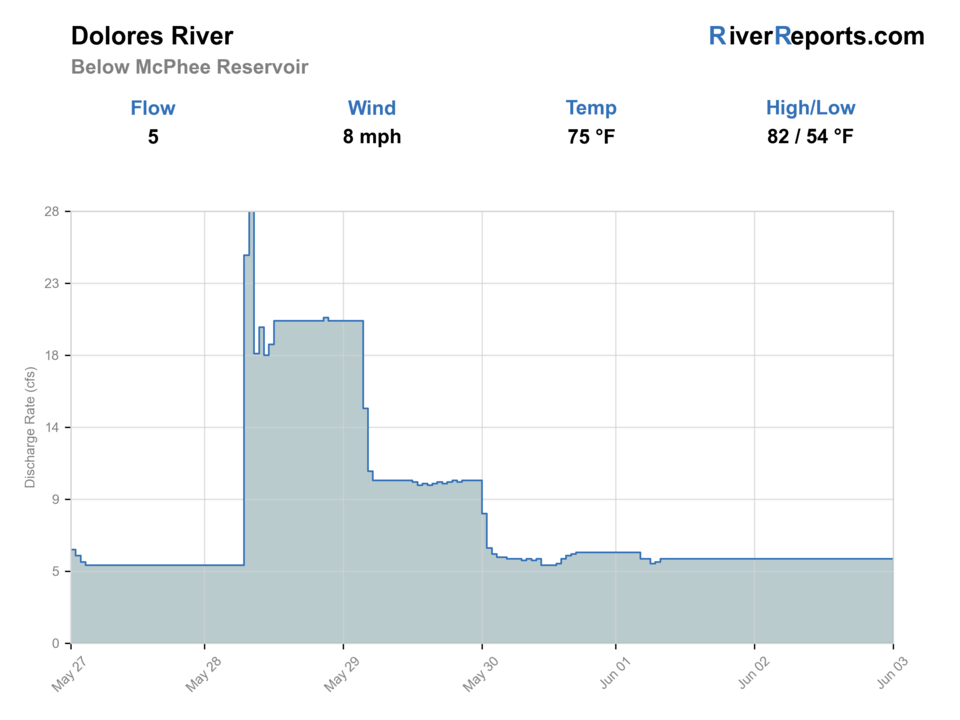
Use the below-McPhee RiverReports chart first, then check official gauge context.
Carry small nymphs, caddis, BWOs, terrestrials, and a few streamers.
Check CPW Dolores River and Dolores River SWA pages before fishing.
Separate tailwater planning near McPhee from lower canyon travel near Bedrock.
Editorial review
How this report is maintained
This Dolores River report is maintained from current Colorado regulation, McPhee-access, BLM corridor, flow, and weather checks so anglers can plan release-driven trout water without overstating lower-canyon certainty.
Byline
BlueStreamFly editorial team
Reviewed by
BlueStreamFly source review
Maintained by
Mountain Brook Run LLC
Last material review
2026-05-31
Report confidence
Good confidence
87/100
Good confidence: RiverReports below-McPhee chart, USGS 09169500 flow context, CPW Dolores River and SWA sources, BLM Dolores SRMA information, Colorado special-regulation sources, and weather data support the page. Confidence is moderated by release timing, below-McPhee versus lower-canyon scope, low warm water, and access logistics.
Regulations
Colorado special-regulation sources and CPW Dolores context support the legal-check path.
Access
CPW Dolores River SWA and BLM Dolores SRMA sources support public access planning, with exact reach and canyon logistics still needing current confirmation.
Flow and weather
RiverReports, USGS 09169500, and the National Weather Service point are attached to the route, with Bedrock flow used as downstream context for a release-driven page.
Fishing usefulness
The page now separates below-McPhee trout planning, SWA access, lower-canyon context, release stability, low-water restraint, and backup choices.
Fishability dashboard and source review
2026-05-31 / material content or source review
RiverReports Dolores River below McPhee Reservoir chart, USGS 09169500 Bedrock flow context, Colorado Parks and Wildlife Dolores River and Dolores River SWA sources, BLM Dolores River SRMA information, Colorado special-regulation sources, and the National Weather Service point were checked before updating the current fishability guidance.
2026-05-31
Updated Dolores River with release-aware flow guidance, below-McPhee and canyon access cards, low-water and warm-water cautions, backup cues, stable fishability SEO, and confidence signals.
2026-05-28
Added release-sensitive trip-fit guidance, wade-versus-canyon framing, low-water skip cues, access nuance, pressure timing, backup-water suggestions, and a page-specific report-confidence meter after source review.
2026-05-24
Initial source-reviewed report published with flows, weather, hatches, flies, tactics, access, regulations, and FAQs.
Angler planning edge
Local details that change the plan
Best for
Anglers who specifically want the below-McPhee trout plan instead of a vague all-Dolores assumption, Trips where release trend, tailwater temperature, and legal public access matter more than covering miles, Nymph, caddis, BWO, and small-streamer days when stable releases keep the trout water honest, Travel plans that can pivot quickly if low warm water or remote canyon logistics make trout fishing a bad call
Wade or float
Treat the below-McPhee Dolores as primarily a wade-focused report with selective canyon-travel context. The useful public plan is to pick tailwater-style access and fish on foot unless you have a separate lower-canyon logistics plan that matches the conditions.
Best flows
Use the release trend first and the Bedrock gauge as broader downstream context. Stable cold releases are the best fit for trout fishing; abrupt changes, very low water, or warm lower-river conditions should end the idea quickly.
When to skip
Skip the trip when McPhee releases leave the trout water too thin or warm, when access into the canyon becomes more of a travel problem than a fishing opportunity, or when the river you want is really the lower warm-water Dolores instead of the tailwater corridor.
Local plan
Choose the mission before you drive: below-McPhee public trout water if you want the clearest release-driven plan, or a different drainage if the lower canyon is the only realistic option that day. Match flies and timing to the release trend instead of to a generic freestone idea.
Pressure
Pressure compresses around the best-known tailwater access because the fishable coldwater windows are limited and obvious. Early sessions and a willingness to move when one public run is busy usually help more than changing patterns every few minutes.
Access nuance
The page is strongest in the tailwater and nearby public corridor. BLM lower-canyon context is useful for planning, but it should not be treated as a blanket promise that every lower-river mile is a simple trout walk-wade option.
Backup water
If the Dolores is too low, too warm, or too release-sensitive, pivot to the Taylor River for a more controlled tailwater day or to the San Miguel when you want a freestone-style southwest Colorado backup.
About the river
Setting, character, and why it fishes the way it does.
The Dolores River drains southwest Colorado and is heavily influenced by McPhee Reservoir below the dam.
This report focuses on the trout-oriented below-McPhee plan while acknowledging that lower canyon reaches can be a very different travel and fishery problem.
Because releases can change fishability, a useful Dolores report needs live flow context, regulation checks, and clear access notes.
Target species
Brown trout
A primary trout target in deeper banks, runs, and streamer water below McPhee.
Rainbow trout
Present in managed trout water where cold releases and habitat support them.
Cutthroat trout context
Native-trout framing should be tied to exact CPW reach information before making target guidance.
Warmwater and native-fish context
Lower Dolores canyon reaches can shift away from a simple trout plan, especially in low warm water.
Reading the water
Low release
Use stealth, small flies, and avoid stressing trout in thin warm water.
Stable release
Nymphs, dry-droppers, caddis, and small streamers can all be useful.
High release
Treat wading and canyon travel conservatively; use bank water and safe access.
Warm lower canyon
Check temperature and avoid trout-focused fishing when handling risk is high.
Best seasons
Winter
Condition-dependent nymphing can work, but cold weather and access limit options.
Spring
Release schedules, BWOs, and caddis can shape the best windows.
Summer
Early and late sessions can work if releases keep water cool enough.
Fall
Cooler weather, lower pressure, BWOs, and streamers can improve the plan.
Preferred flow source
Dolores River below McPhee Reservoir
RiverReports is the preferred chart source when coverage exists. When a matching USGS gauge exists, keep it open as the official backstop for station data and current hydrograph context.

USGS data chart
Official USGS trend
Streamflow over the latest USGS reporting window.
Latest
13 cfs
Jun 3, 5 PM UTC
Weather
River weather report
Weather can change wading safety, road access, water temperature, hatches, and the best time of day to fish.
Live forecast loads as you reach this section
This keeps the report fast while still using the official National Weather Service forecast point.
Hatches and flies
Hatch chart and fly picks
Winter
Midges, small baetis
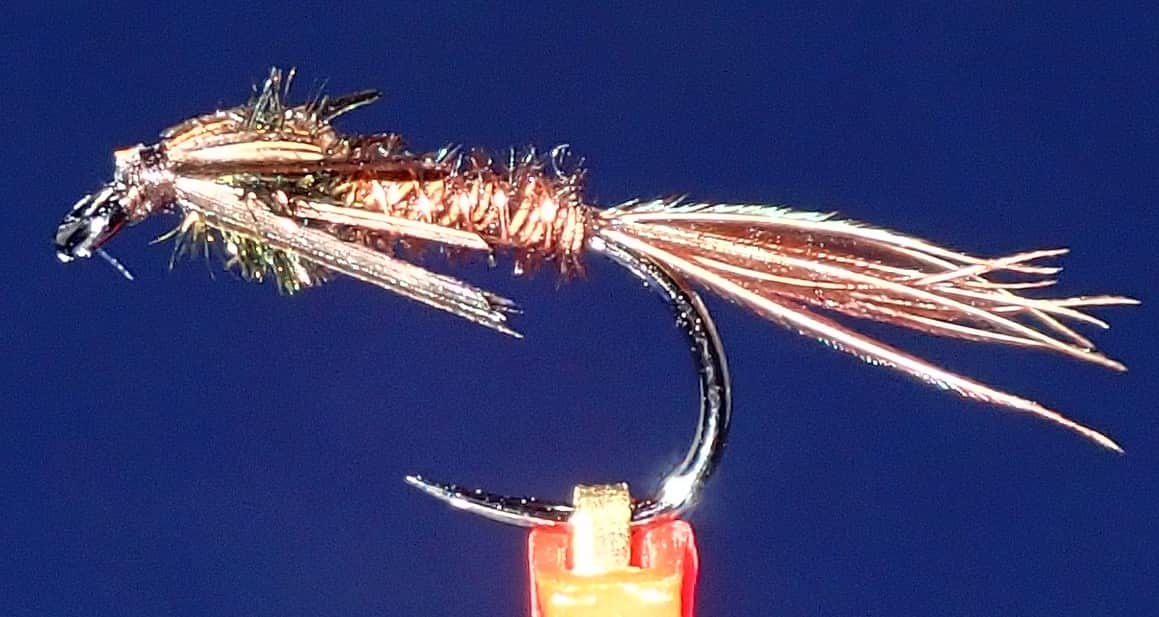
Zebra midge, RS2, black beauty, pheasant tail
Spring
BWOs, caddis, small stones
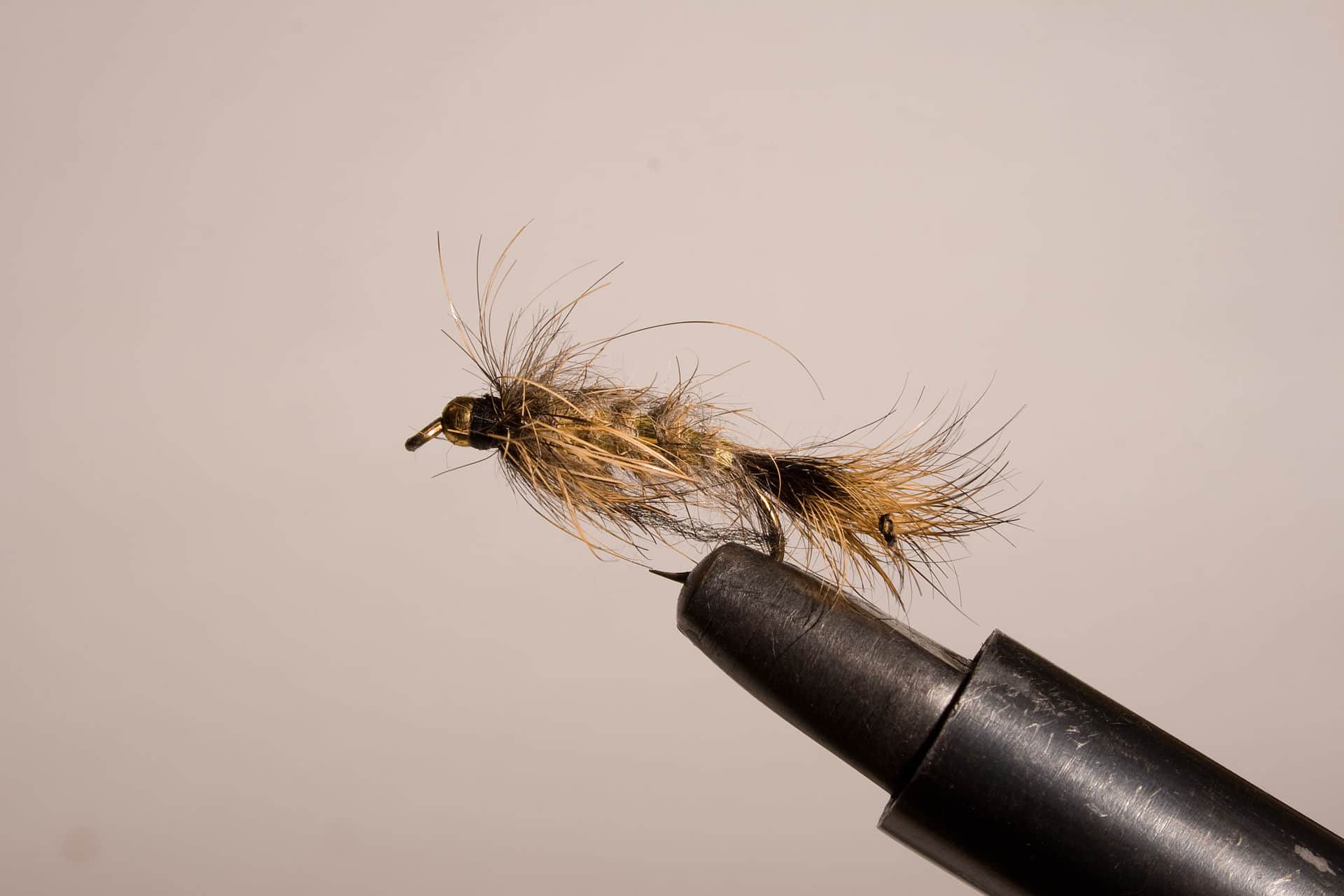
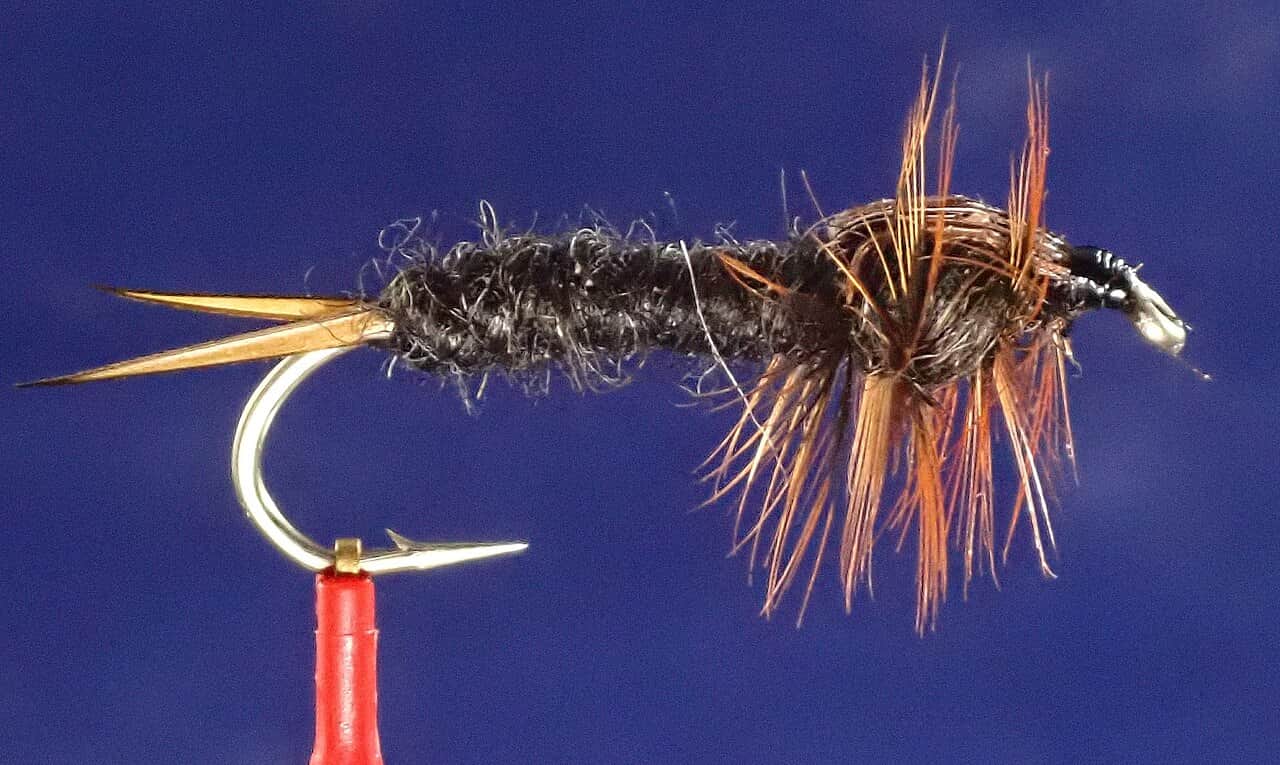
BWO emerger, caddis pupa, hare's ear, stonefly nymph
Summer
Caddis, PMDs, yellow sallies, terrestrials
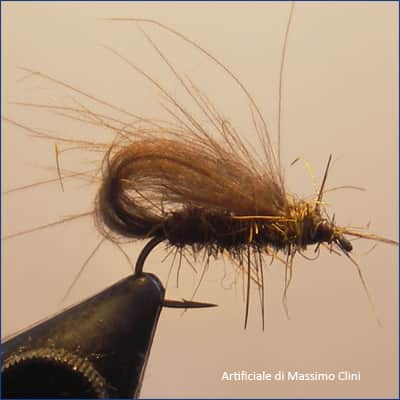
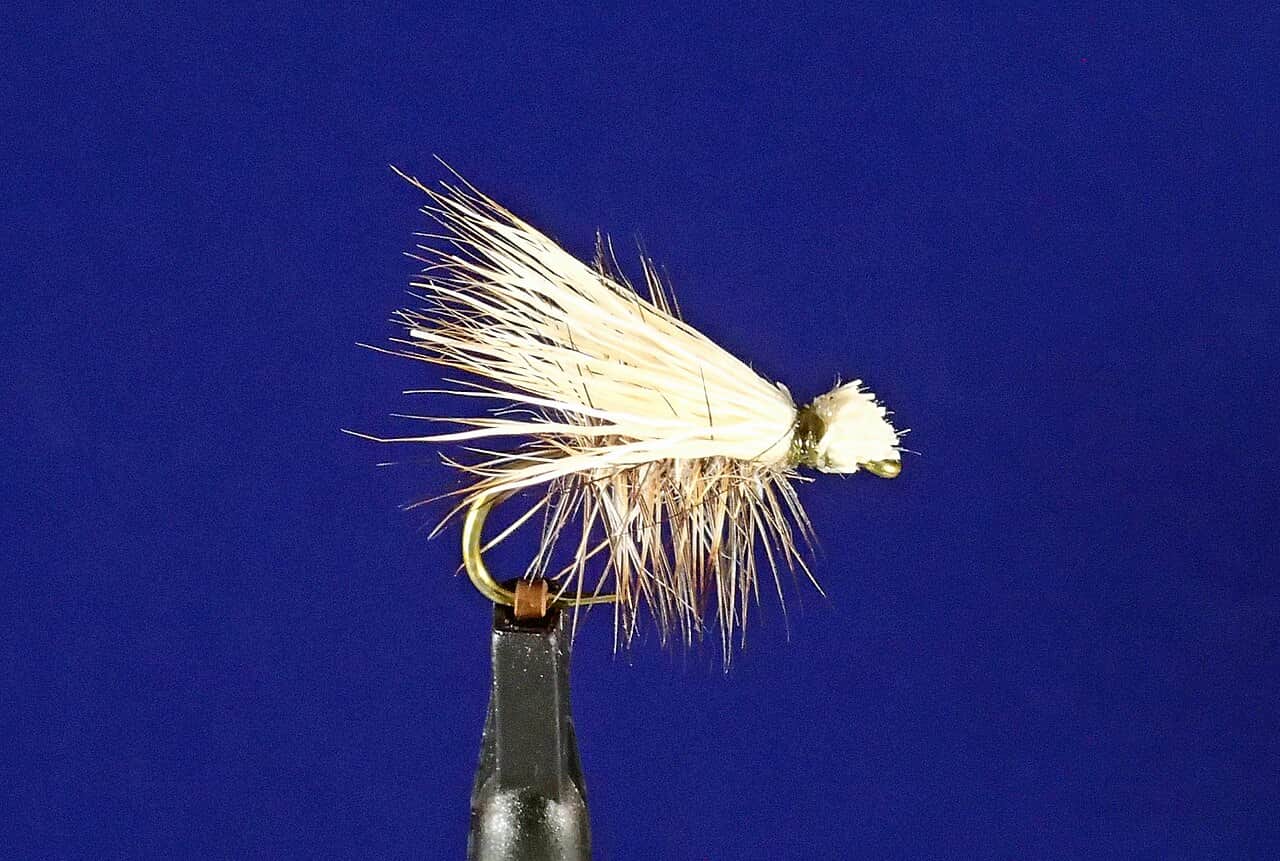
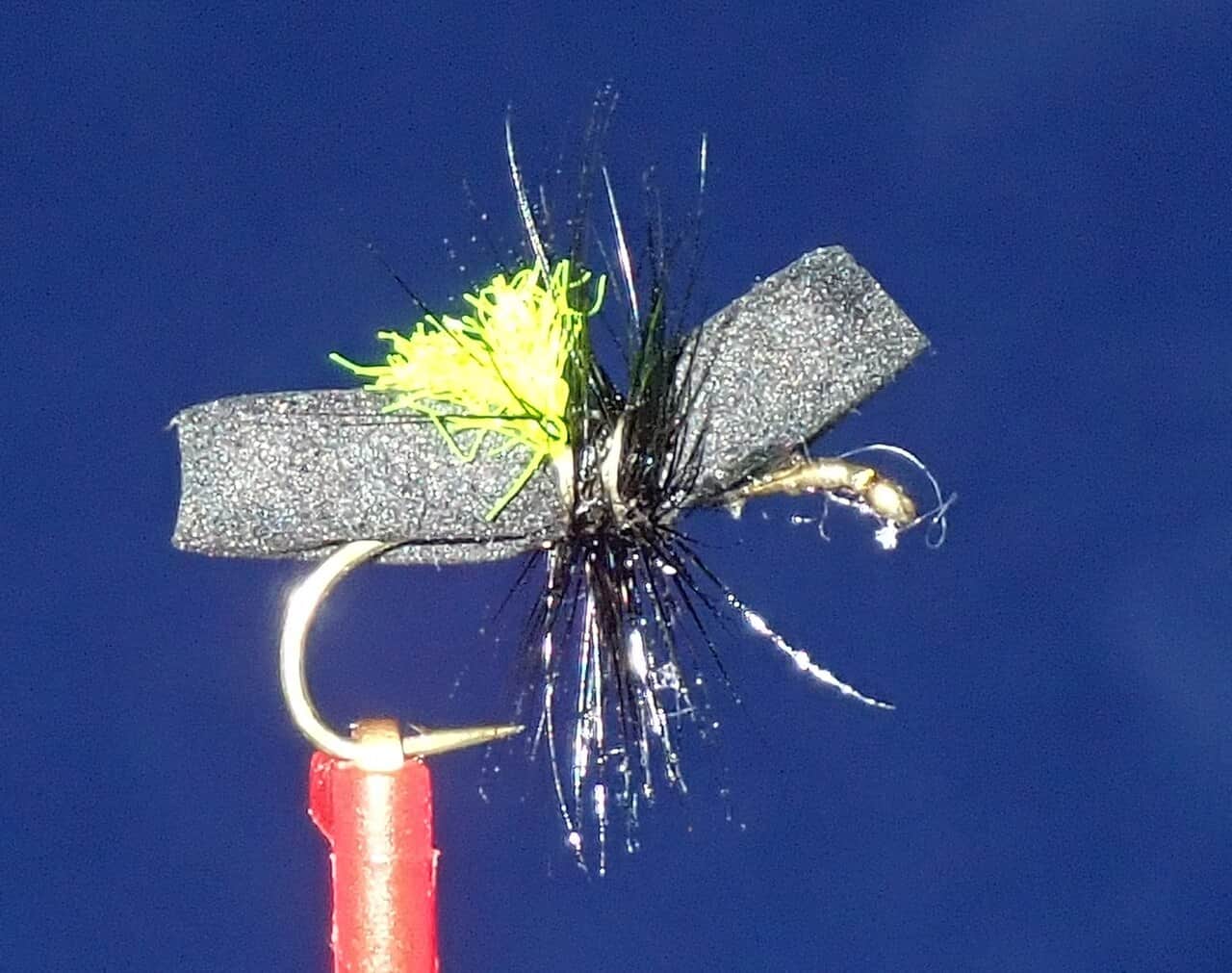
Elk hair caddis, PMD, yellow sally, ant, small hopper
Fall
BWOs, midges, October caddis
BWO dry, zebra midge, October caddis, streamer
Nymphs
Pheasant tail, hare's ear, perdigon, zebra midge, caddis pupa
Use through runs and pockets when no hatch is obvious.
Dry flies
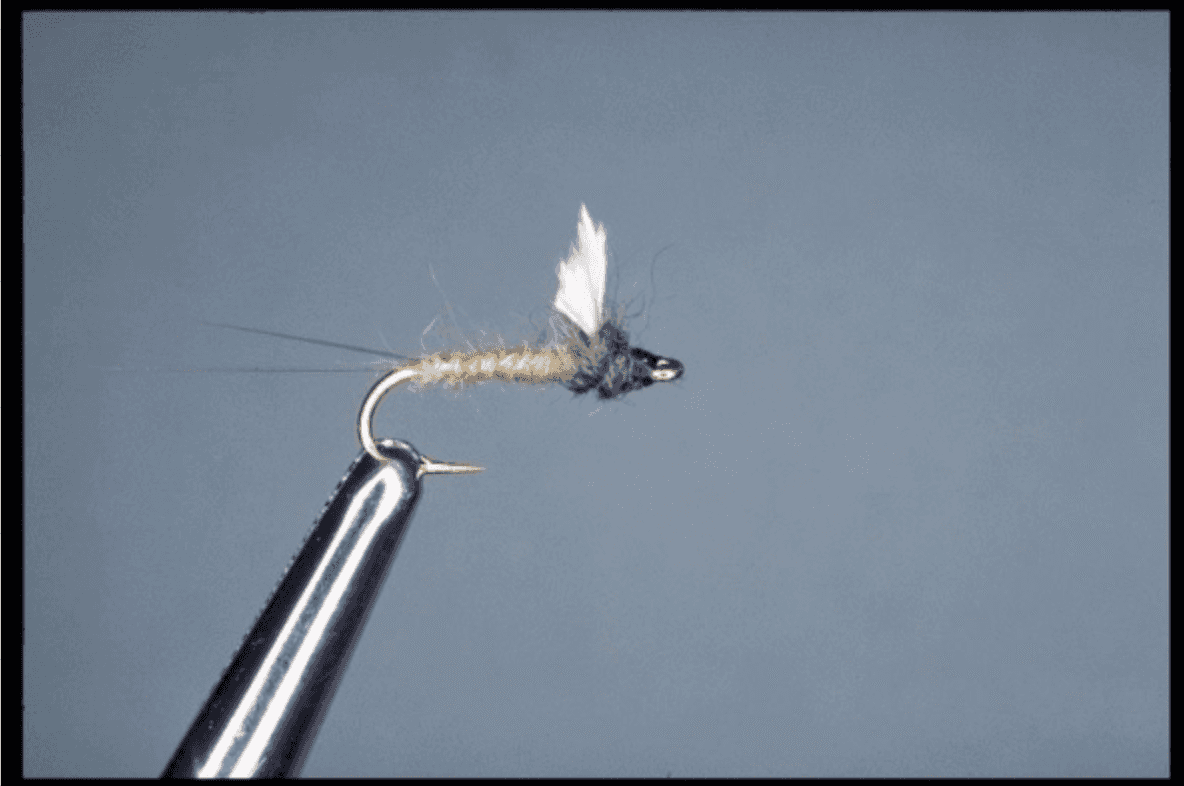
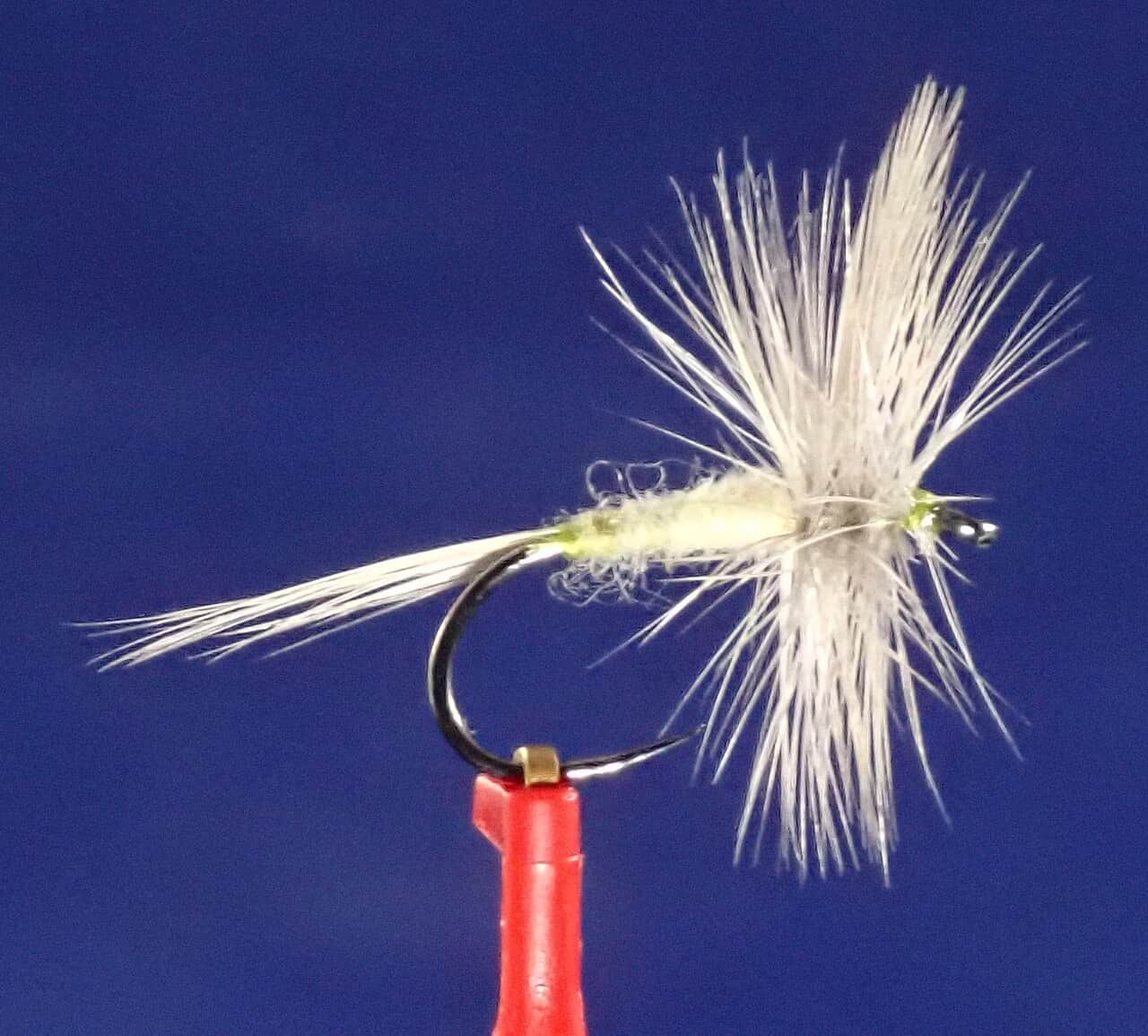
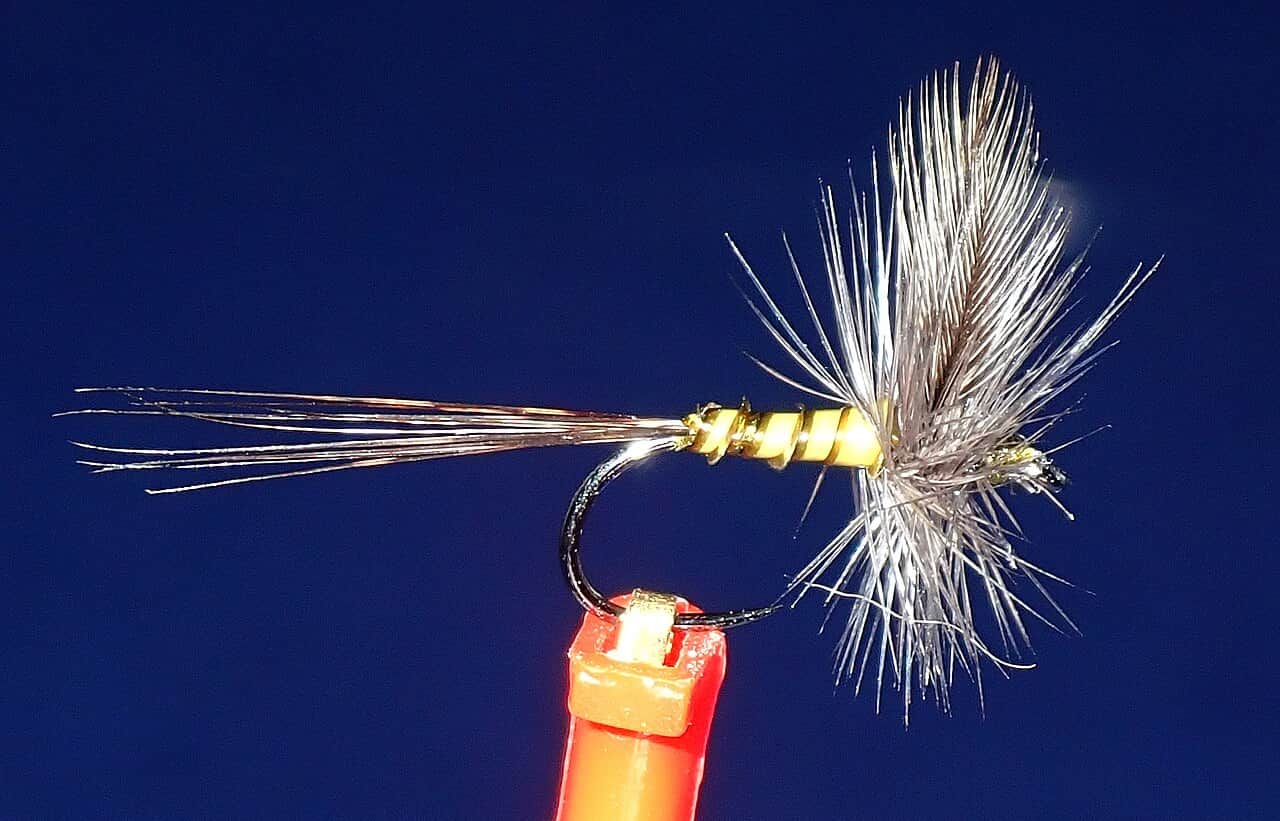
BWO, caddis, PMD, parachute Adams, ant
Use during hatch windows and low clear summer evenings.
Dry-droppers
Stimulator, chubby, small hopper, tungsten dropper
Use for mixed pocket water when releases are stable.
Streamers
Sculpin, leech, bugger, small baitfish
Use around deeper banks, light stain, or low-light periods.
Tactics
How to fish it
Check McPhee release context before choosing a reach.
Use small flies and careful approaches in low release periods.
Do not assume lower canyon flows match the tailwater plan.
Fish early and carry a thermometer in warm weather.
Plan access and exit before entering remote canyon sections.
Rigging
Rod, leader, and setup notes
A 9-foot 5-weight covers most Dolores trout fishing.
Use 4X to 6X for clear tailwater nymphs and dries.
Carry a 6-weight or stronger leader for streamers.
Bring split shot and dry-dropper rigs for fast adjustments.
Use traction and a wading staff in remote or pushy water.
Access
Access and planning notes
Below McPhee trout water
Release-driven wade planWade / float / trail
Tailwater / wade / bank
When to pick it
Start here when releases are steady and the legal reach fits your trout plan.
Caution
Release changes and exact public boundaries need current checks.
Dolores River SWA
CPW access anchorWade / float / trail
SWA / bank / wade
When to pick it
Use it when CPW access and rules match the day you want.
Caution
Posted boundaries and seasonal rules can override a simple map check.
BLM Dolores River SRMA
Broader canyon contextWade / float / trail
BLM / road / canyon scout
When to pick it
Pick it when you are intentionally planning beyond the immediate tailwater.
Caution
Lower-river conditions may not match the below-McPhee trout fishery.
McPhee releases can change the fishing more than the calendar.
Remote canyon sections need more planning than roadside tailwater water.
Check SWA rules and pass/license requirements before entering CPW property.
Low warm water should change or cancel a trout plan.
Regulations
Check before fishing
CPW identifies Dolores River special regulations and Dolores River SWA access information. Verify current artificial-only language, reach boundaries, and any emergency guidance before fishing.
Primary base
Dolores, Cortez, or McPhee Reservoir
Best day style
Tailwater, SWA, BLM canyon, road access, and remote reaches
Check first
Reservoir releases, CPW rules, road access, weather, and low-flow conditions
Safety
Remote canyon travel, low flows, warm water, storms, and limited services
Gear
Helpful gear for this water
Thermometer
Important when releases are low or summer weather is hot.
Offline map
Useful for canyon access and limited-service areas.
Nymph and dry-dropper kit
The river often asks for quick depth changes.
Extra water and layers
Remote southwest Colorado conditions can be dry, hot, windy, or stormy.
Nearby water
Other water to research
Backup logic
High water
Check release changes and compare San Miguel or Taylor River options before forcing the Dolores.
Heat
Prioritize cold release water and stop trout pressure when lower-river temperatures are questionable.
Storms or stain
Let canyon weather, road condition, and visibility stabilize before committing.
Access issue
Use CPW or BLM-listed access only; pick another southwest Colorado river if boundaries are unclear.
Animas River
A Durango-area town river with more convenient access and a verified gauge.
Cimarron River
A high-country Silver Jack option when you want smaller remote trout water.
Colorado River Lower Colorado
A larger western Colorado river plan near Glenwood Springs.
FAQ
Fast answers
Is Dolores River fishable today?
Dolores River is a cautious call right now. The live score is 56/100, based on current flow, weather, public alerts, and the report's planning context. Recheck the linked gauge and forecast before leaving because conditions can change quickly after rain, heat, access changes, or flow swings.
What flow is best for Dolores River?
Use the release trend first and the Bedrock gauge as broader downstream context. Stable cold releases are the best fit for trout fishing; abrupt changes, very low water, or warm lower-river conditions should end the idea quickly.
When should I skip Dolores River?
Skip the trip when McPhee releases leave the trout water too thin or warm, when access into the canyon becomes more of a travel problem than a fishing opportunity, or when the river you want is really the lower warm-water Dolores instead of the tailwater corridor.
Is Dolores River safe to wade right now?
The fishability score is not a wading guarantee. Wade only where your chosen access has safe edges, clear footing, legal entry, and no forced crossings; high, rising, stained, or storm-affected water should be treated conservatively.
What reach does this Dolores report cover?
It focuses on the below-McPhee trout plan and includes lower canyon context where flow and access differ.
Why are releases so important?
McPhee Reservoir controls much of the below-dam fishability, so flow, temperature, and access can change sharply.
What flies should I carry?
Carry midges, BWOs, caddis, PMDs, terrestrials, dry-droppers, and a few small streamers.
When should I avoid fishing?
Avoid very low warm water, unsafe high releases, storm risk, and remote canyon trips without a clear access plan.
Sources
Source set for this report
Reviewed 2026-05-31