California / West
Sacramento River Lower
A Lower Sacramento report for Keswick and Redding tailwater planning, drift-boat trout, flow checks, access, salmon regulation cautions, and fly selection.
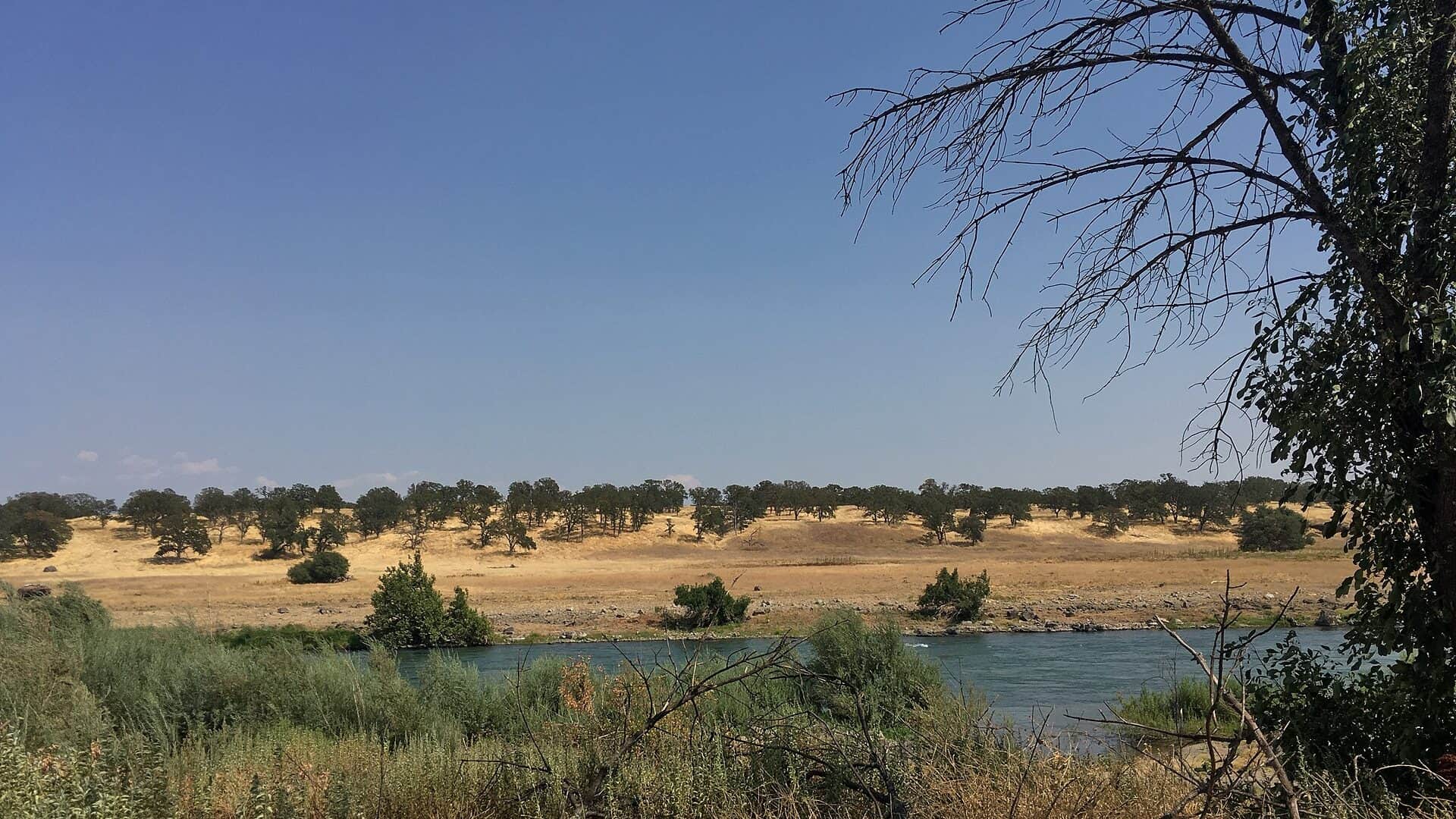
Image: Generated regional planning image for Sacramento River Lower / BlueStreamFly generated; not exact location / BlueStreamFlyFishability now: Sacramento River Lower fishability today
GreatData confidence: High96/100
Fishable now because Keswick gauge is stable, weather is usable, and no public alert is active.
Flow observed
5:15 PM UTC
Weather observed
5:00 PM UTC
Score calculated
5:26 PM UTC
Why this rating
Flow
Weather
Public alerts
Next 6-12 hours
Hold
Stable live data supports staying with the plan, but recheck the gauge and forecast before leaving.
USGS flow
11,600 cfs
Current trend: flow stable, so weather, temperature, and access checks drive the next change.
More planning details: flies, flow bands, and live source checks
Fish it today
Start here
Decide whether the day is a Keswick-to-Redding trout plan or a broader lower-river exploration before you tie anything on. Once the objective is clear, match access, flies, and expectations to one lower corridor instead of trying to treat the entire Lower Sac as one interchangeable beat.
Best flow clue
Use the lower-river trend as a planning tool, not a promise. Stable releases are the cleanest fit for trout lanes and safer edges; if releases change quickly or the river starts feeling too broad and pushy for your intended access, shift to a bank-oriented plan or to another river.
Skip trigger
Skip the Lower Sac when current salmon-season rules are unclear, when releases erase the edge water you were counting on, when summer heat pushes the lower reaches out of a good trout-handling window, or when you really want an Upper Sacramento-style freestone day.
Flow decision bands
Low but fishable
Lower stable releases can make edges, riffles, and bank approaches more workable, but the Lower Sacramento is still a large tailwater.
Best boat-first window
Stable Keswick releases, mild weather, and a current legal target plan create the most useful trout, salmon, steelhead, or striper setup.
Pushy or unsafe
High or rising releases should move the plan to boats, protected banks, or a different river instead of forcing edge wading.
Season and redd caution
Salmon-season rules, spawning fish, closure language, and redd avoidance can override a good-looking gauge.
USGS flow
11,600 cfs
Current trend: flow stable, so weather, temperature, and access checks drive the next change.
Live USGS flow
11,600 cfs / stable
Live NWS forecast
79F / Sunny
Water temperature not verified
Heat guidance uses weather and river type unless an official water-temperature value is available.
No NWS alert flag
No active NWS alert was returned for this forecast point.
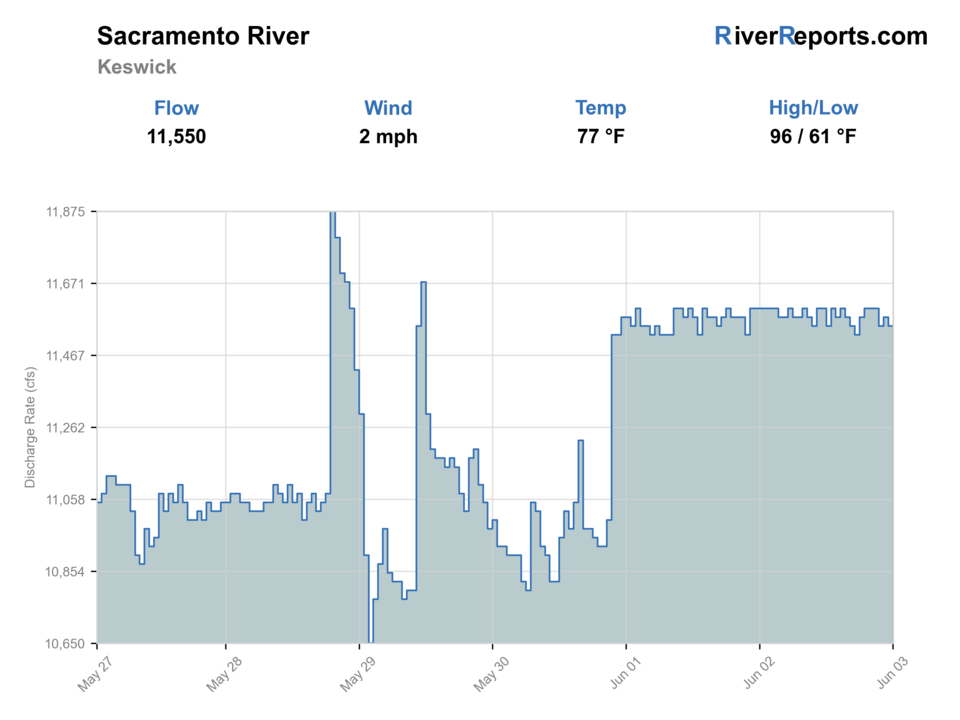
Use the Keswick gauge and RiverReports chart for current tailwater flow context.
Treat salmon seasons, closures, and quotas as current CDFW questions.
Boat fishing is often more practical than wading on many lower-river stretches.
Respect redds, closed areas, and temperature-sensitive salmonid habitat.
Editorial review
How this report is maintained
This Lower Sacramento report is maintained from current California regulation, access, flow, weather, and salmon-basin sources so anglers can plan the Redding tailwater with current season context instead of stale Lower Sac assumptions.
Byline
BlueStreamFly editorial team
Reviewed by
BlueStreamFly source review
Maintained by
Mountain Brook Run LLC
Last material review
2026-05-31
Report confidence
Good confidence
87/100
Good confidence: RiverReports, USGS Keswick flow, BLM access pages, California salmon-season information, NOAA basin context, and weather data support the page. Confidence is moderated by broad reach complexity, boat-versus-bank differences, seasonal rules, and target-species shifts.
Regulations
California salmon-season and CDFW rule sources support the legal-check path for this lower tailwater.
Access
BLM Sacramento River Rail Trail and Bend Area pages support strong public access planning, with exact launch and bank suitability still dependent on flow and reach choice.
Flow and weather
RiverReports, USGS 11370500, and the National Weather Service point are attached to the route.
Fishing usefulness
The page now separates Keswick releases, boat-first planning, edge-wading limits, salmon-season checks, heat, and backup water choices.
Fishability dashboard and source review
2026-05-31 / material content or source review
RiverReports, USGS Sacramento River at Keswick flow, BLM Sacramento River Rail Trail and Bend Area access pages, California salmon-season information, NOAA Sacramento basin context, and the National Weather Service point were checked before updating the current fishability guidance.
2026-05-31
Updated Lower Sacramento River with Keswick release guidance, boat-versus-wade planning, access cards, backup cues, stable fishability SEO, and confidence signals.
2026-05-29
Added a page-specific report-confidence meter for Lower Sacramento flow, salmon-season context, BLM access, weather, and boat-versus-wade planning guidance.
2026-05-28
Added lower-river trip-fit guidance, boat-first framing, salmon-season skip cues, access nuance around Keswick and downstream public corridors, pressure timing, backup-water suggestions, and stronger editorial review signals after source review.
Angler planning edge
Local details that change the plan
Best for
Anglers who want a large tailwater trout day and will sort out the current salmon-season context before leaving town, Boat-assisted or targeted bank-and-edge trips around Keswick, Redding, and the lower public corridor, Mixed-method days where nymphing, soft hackles, and limited edge wading matter more than classic small-river dry-fly expectations, Travelers who need a clear backup when release changes, warm lower-river conditions, or season news narrow the best reach
Wade or float
Treat the Lower Sacramento as a boat-first page with selective edge-wading windows. Some public banks and riffle edges can fish well when flows are cooperative, but the broader lower river usually rewards a deliberate drift plan or a short targeted stop more than an all-day wade mission.
Best flows
Use the lower-river trend as a planning tool, not a promise. Stable releases are the cleanest fit for trout lanes and safer edges; if releases change quickly or the river starts feeling too broad and pushy for your intended access, shift to a bank-oriented plan or to another river.
When to skip
Skip the Lower Sac when current salmon-season rules are unclear, when releases erase the edge water you were counting on, when summer heat pushes the lower reaches out of a good trout-handling window, or when you really want an Upper Sacramento-style freestone day.
Local plan
Decide whether the day is a Keswick-to-Redding trout plan or a broader lower-river exploration before you tie anything on. Once the objective is clear, match access, flies, and expectations to one lower corridor instead of trying to treat the entire Lower Sac as one interchangeable beat.
Pressure
Guides, local anglers, and visiting anglers compress quickly around the best-known public access and boat corridors, especially during salmon reopenings and comfortable spring or fall windows. Midweek timing and a willingness to fish less obvious stops usually help more than trying to force the most popular lot.
Access nuance
The BLM trail and day-use access help, but the Lower Sac still mixes boating water, levee edges, seasonal fishery concerns, and reach-specific public entry. The visible river is much bigger than the number of places that make equal sense for a fly-only day on foot.
Backup water
If the Lower Sac is too crowded, too rule-sensitive, or running too hard for the plan you wanted, pivot to the Upper Sacramento for a freestone walk-and-wade day or to the Feather if another large lower-river option fits the season better.
About the river
Setting, character, and why it fishes the way it does.
The Lower Sacramento below Keswick Dam is a cold, dam-managed river running through Redding and into the Central Valley.
Shasta and Keswick operations shape flows, water temperature, and fish habitat, so a current gauge check is mandatory.
The river supports major salmonid habitat, including sensitive Chinook and steelhead populations, which is why regulations and redd avoidance matter.
This page focuses on the fly-fishing tailwater plan around Keswick, Redding, and downstream valley access, not the Upper Sacramento freestone river near Dunsmuir.
Target species
Rainbow trout
The primary fly target near Redding, often fished from drift boats and safe wade edges.
Steelhead
Present in the Sacramento system and tied to current report-card and regulation requirements.
Chinook salmon
Highly regulated. Check 2026 CDFW updates before any salmon-oriented fishing.
Striped bass and warmwater species
More relevant in lower valley reaches and seasonal warmwater fly plans.
Reading the water
Stable tailwater release
The best all-around window for drift-boat nymphing, riffle fishing, and safe edge work.
Low clear release
Use longer leaders, smaller nymphs, and careful boat positioning.
High release
Wading becomes dangerous. Favor boat plans and avoid marginal banks.
Warm lower valley
Shift species or location if trout or salmonid handling becomes stressful.
Best seasons
Winter
Trout nymphing and steelhead context can be useful when flows and rules allow.
Spring
Caddis, PMDs, and trout nymphing often improve as daylight and bug activity build.
Summer
Cold releases can keep Redding-area trout fishing viable, but lower valley heat matters.
Fall
Salmon activity and closures require careful current-rule checks and redd avoidance.
Preferred flow source
Sacramento River at Keswick
RiverReports is the preferred chart source when coverage exists. When a matching USGS gauge exists, keep it open as the official backstop for station data and current hydrograph context.

USGS data chart
Official USGS trend
Streamflow over the latest USGS reporting window.
Latest
11,600 cfs
Jun 3, 6 PM UTC
Weather
River weather report
Weather can change wading safety, road access, water temperature, hatches, and the best time of day to fish.
Live forecast loads as you reach this section
This keeps the report fast while still using the official National Weather Service forecast point.
Hatches and flies
Hatch chart and fly picks
Winter
Midges, BWOs, egg and alevin context
Zebra midge, BWO emerger, egg pattern where legal, small mayfly
Spring
Caddis, PMDs, March browns
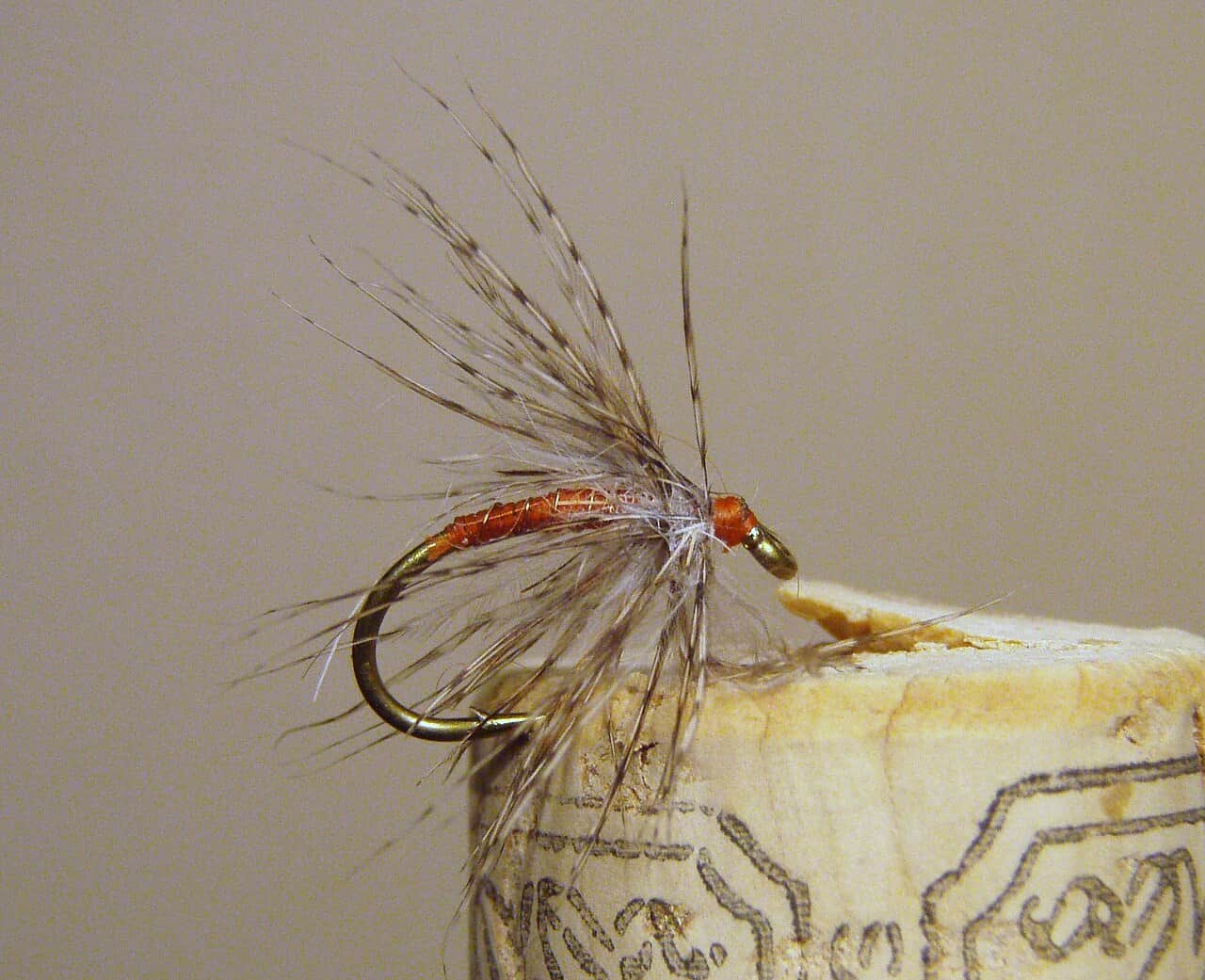
Caddis pupa, PMD nymph, March brown, soft hackle
Summer
Caddis, PMDs, terrestrials
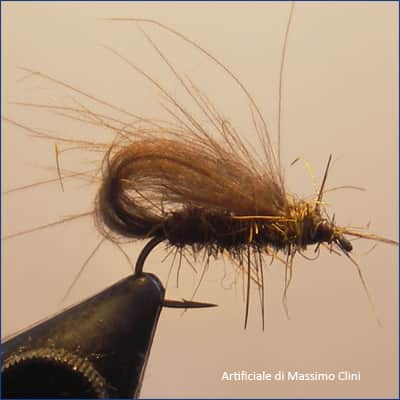
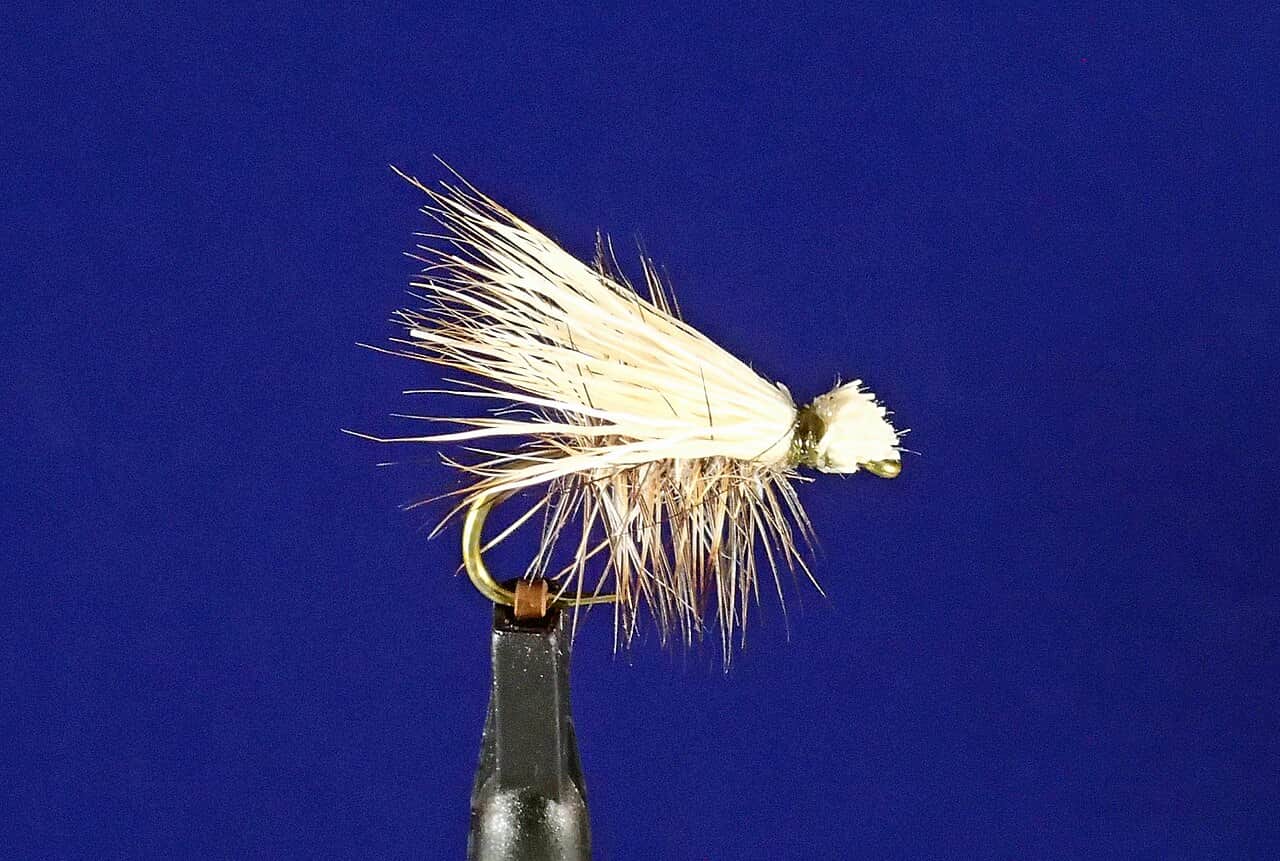
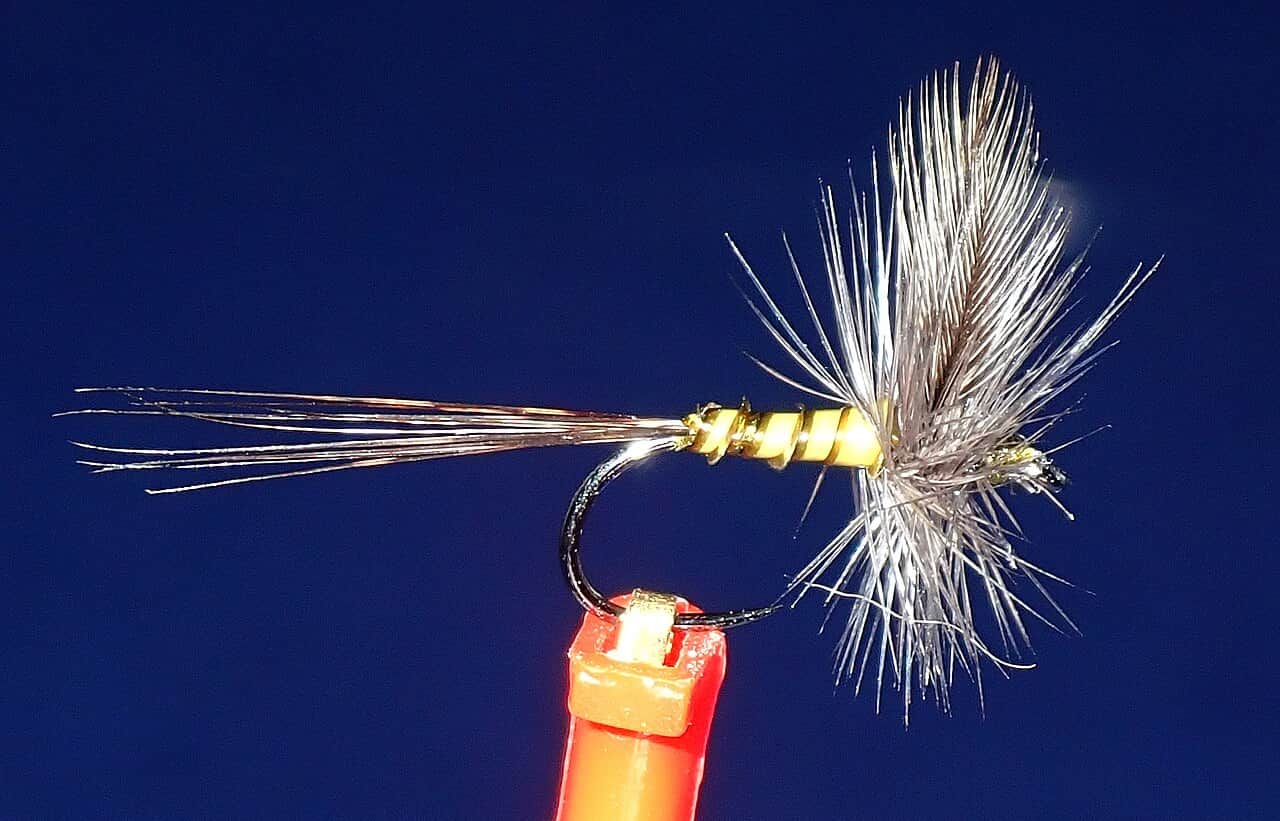
Elk hair caddis, PMD dry, hopper-dropper, caddis pupa
Fall
Caddis, BWOs, salmon-egg context
BWO, caddis, egg pattern where legal, stonefly nymph
Tailwater nymphs
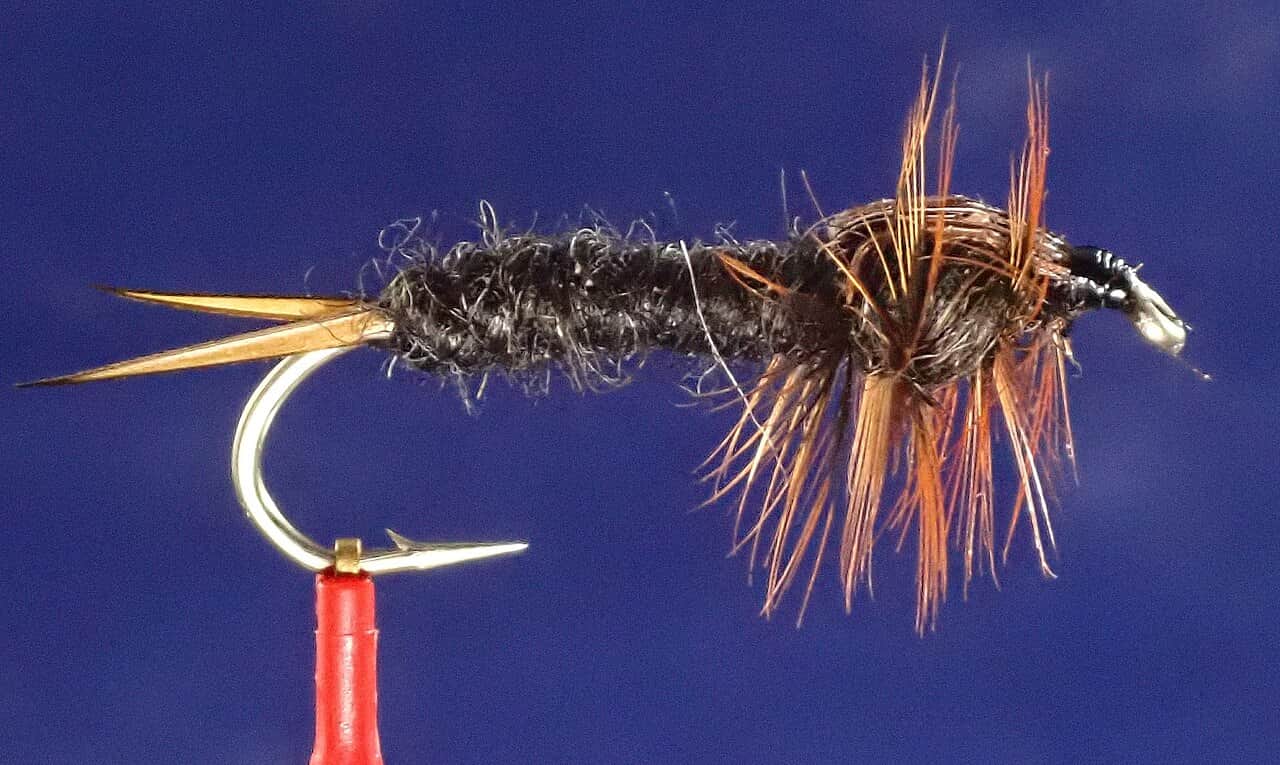
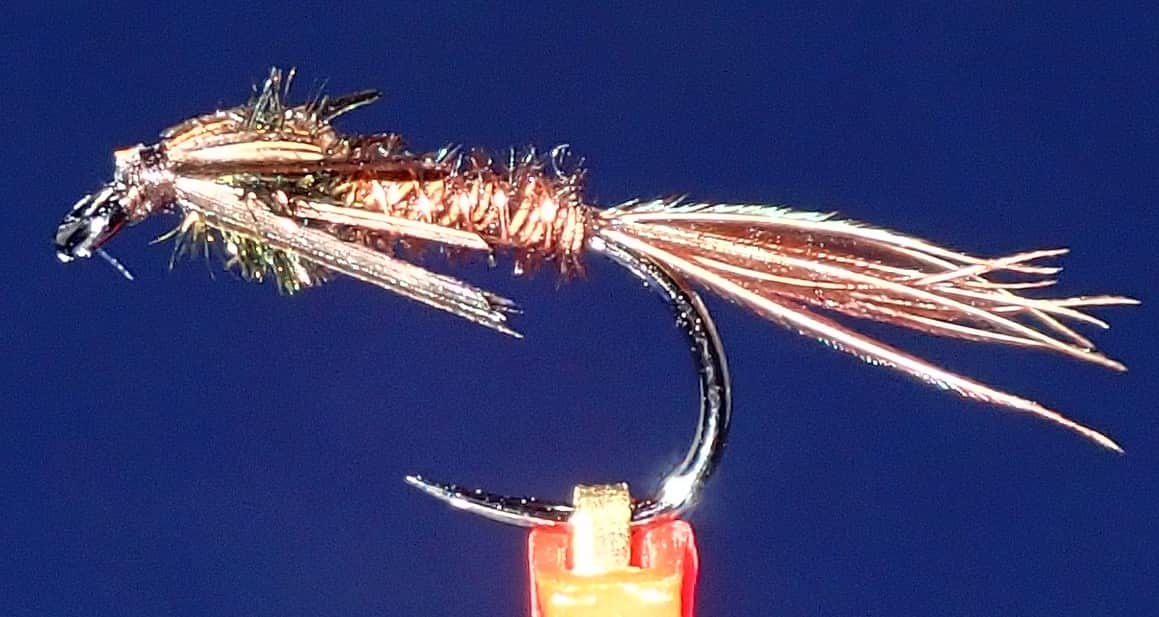
Caddis pupa, PMD nymph, pheasant tail, rubberlegs, zebra midge
Use from drift boats or safe wade edges through riffles and buckets.
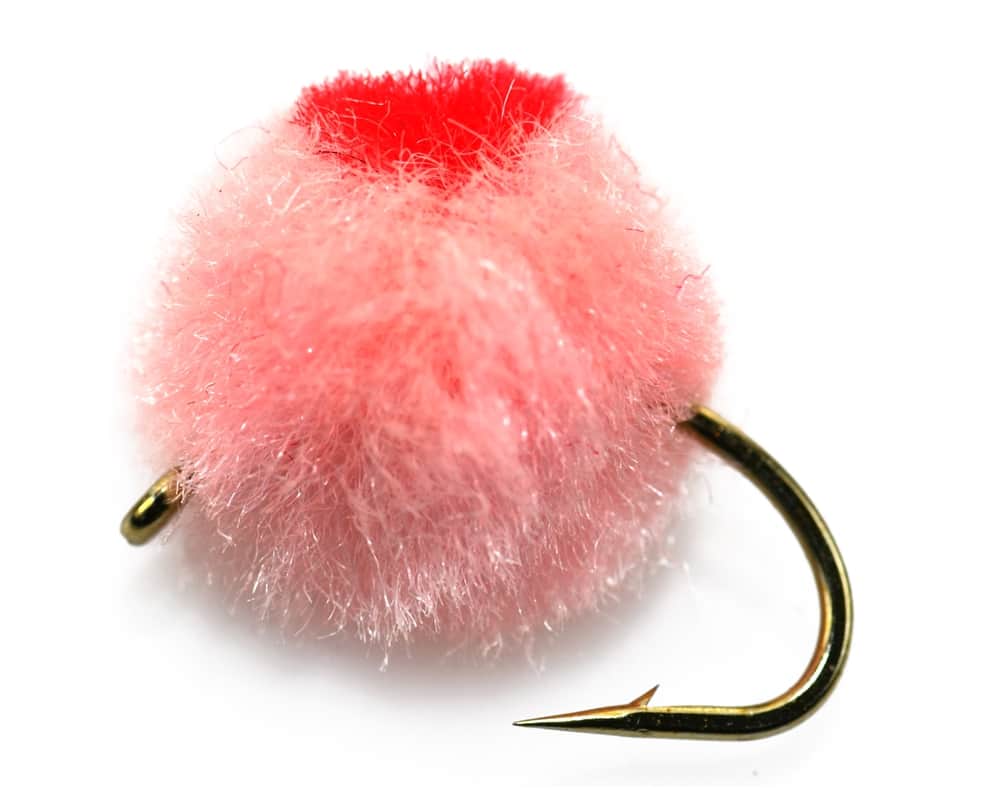
Egg and alevin patterns
Small egg, alevin, bead-style pattern where legal
Use only where legal and never by targeting active spawning fish.
Dry flies
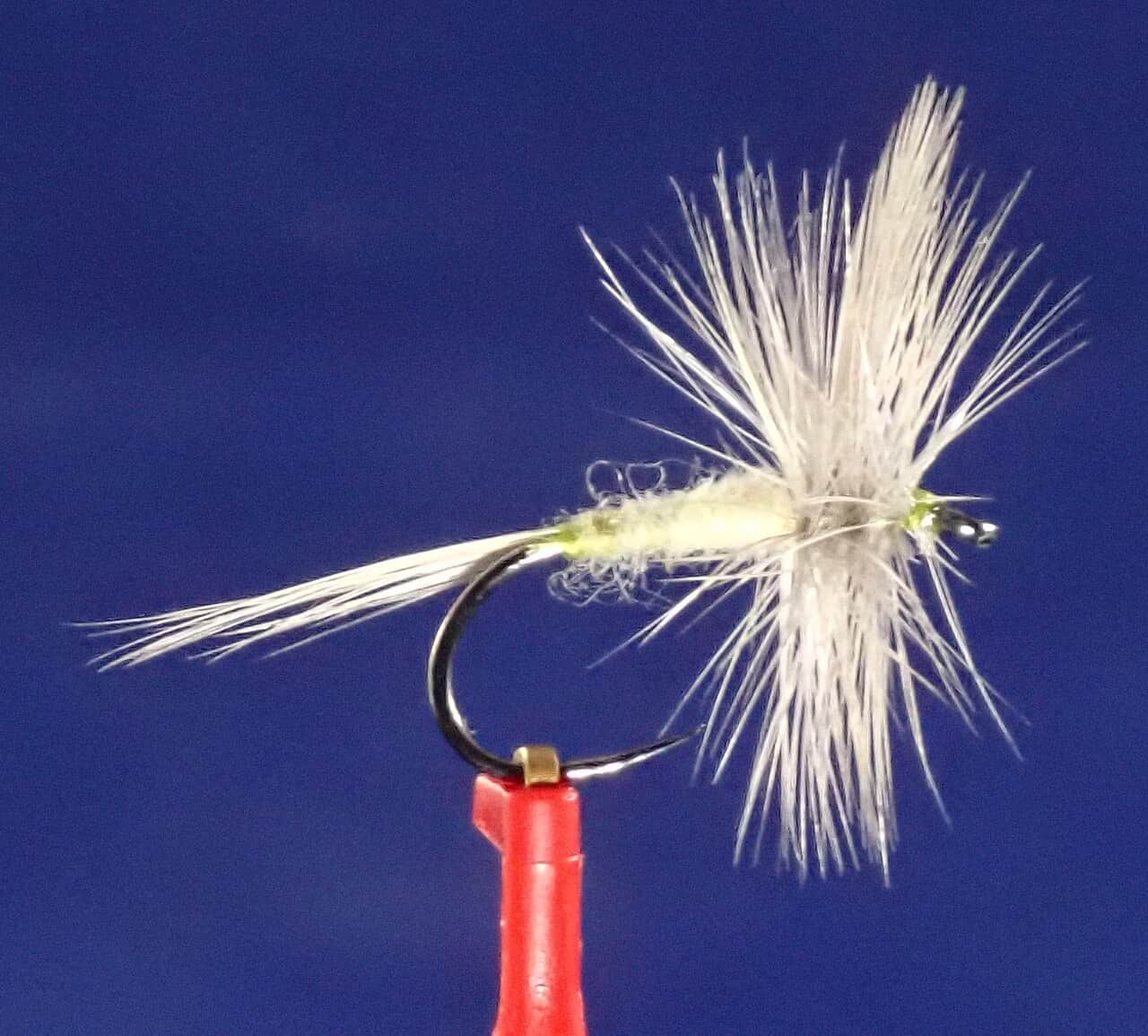
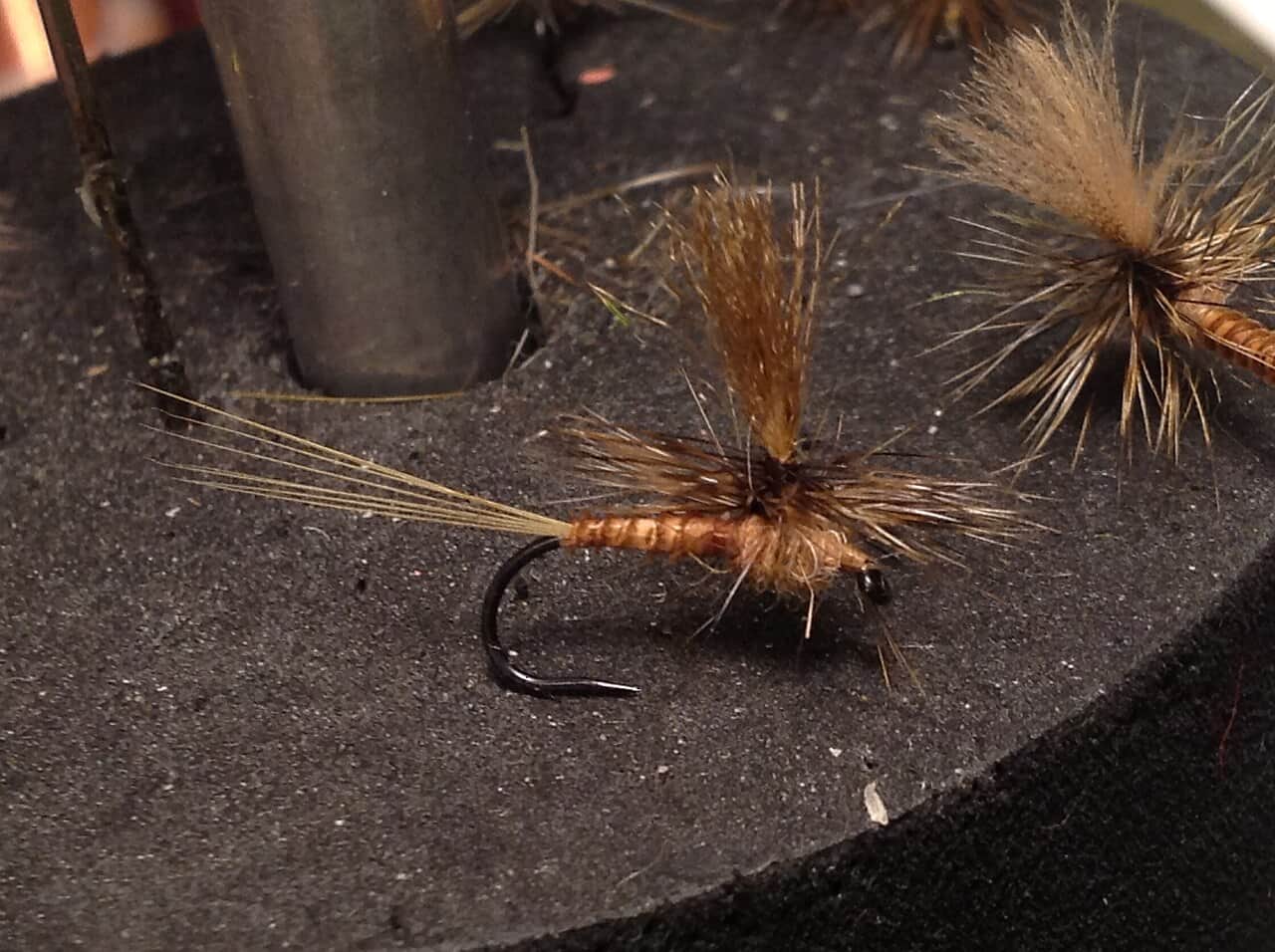
Caddis, PMD, BWO, parachute Adams
Use during visible surface feeding on calmer seams and edges.
Streamers
Sculpin, leech, small baitfish, clouser for lower reaches
Use around banks, structure, or lower-river baitfish windows.
Tactics
How to fish it
Check Keswick flow before deciding whether to wade or book a boat day.
For trout, drift nymphs through riffles, drop-offs, and soft inside seams.
Do not anchor or wade on redds or active spawning areas.
Use current CDFW salmon rules before discussing harvest, season, or gear.
Bring a lower-river species backup if heat or rules make trout fishing a poor choice.
Watch boat traffic and give guides, rowers, and wading anglers room.
Rigging
Rod, leader, and setup notes
A 9-foot 5-weight or 6-weight works for most trout nymphing.
Use a 7-weight or 8-weight for lower-river stripers or heavier salmonid setups where legal.
Carry indicators, split shot, long leaders, and a few sink-tip options.
Use a rubber net and barbless hooks for quick releases.
Bring sun protection and cold-water wading layers even in warm air.
Access
Access and planning notes
Keswick / Redding tailwater
Main release checkWade / float / trail
Boat / bank / selective wade
When to pick it
Start here when the Keswick trend and legal target match the method.
Caution
Do not assume a tailwater edge is wadeable just because the river looks clear.
Sacramento River Rail Trail
Bank and scout accessWade / float / trail
Trail / bank / bike scout
When to pick it
Use it when you need public corridor access and quick checks on clarity, heat, and pressure.
Caution
Trail access does not make all banks safe or legal to enter.
BLM Bend Area
Lower corridor baseWade / float / trail
Road / bank / boat planning
When to pick it
Pick it when a lower-river plan fits the release, target species, and weather.
Caution
Launch, bank, and seasonal rule details still need day-of confirmation.
Many productive reaches are boat-first, not easy wading water.
Dam releases can make otherwise familiar banks unsafe.
Salmon rules can change by reach and date; check current CDFW updates.
Do not disturb redds, spawning salmon, or restoration areas.
Summer heat and smoke can change both safety and fish handling.
Regulations
Check before fishing
Verify CDFW's current Lower Sacramento trout, steelhead, and salmon rules before fishing. 2026 salmon-season changes make current CDFW updates especially important.
Primary base
Redding, Anderson, or Red Bluff, California
Best day style
Boat-first tailwater, trails, parks, and selective wading
Check first
Keswick flow, CDFW salmon and trout rules, weather, ramp access
Safety
Cold swift releases, boats, limited wading, salmon closures, summer heat
Gear
Helpful gear for this water
Drift-boat ready nymph box
Caddis, PMDs, rubberlegs, midges, and egg/alevin patterns where legal cover many trout days.
Sun protection
Redding-area boat days can be bright and hot even with cold water below you.
Long leaders
Clear tailwater lanes often require clean drifts and controlled depth.
Current regulation link
Keep CDFW pages handy because salmon and steelhead rules are not static.
Nearby water
Other water to research
Backup logic
High water
Use a drift or bank-only plan, compare the Upper Sacramento, McCloud, or Yuba, or wait for releases to settle.
Heat
Fish early, shorten trout handling, or switch toward lower-river warmwater targets when salmonid stress rises.
Storms or stain
Let tributary color and release changes settle before committing to a long float.
Access issue
Use signed BLM or public access only; move to another reach rather than guessing at private banks.
Sacramento River
The Upper Sacramento freestone page for Dunsmuir and Shasta Lake upstream trout planning.
Lower Yuba River
A technical tailwater and wild-trout option south of the Lower Sac corridor.
Feather River
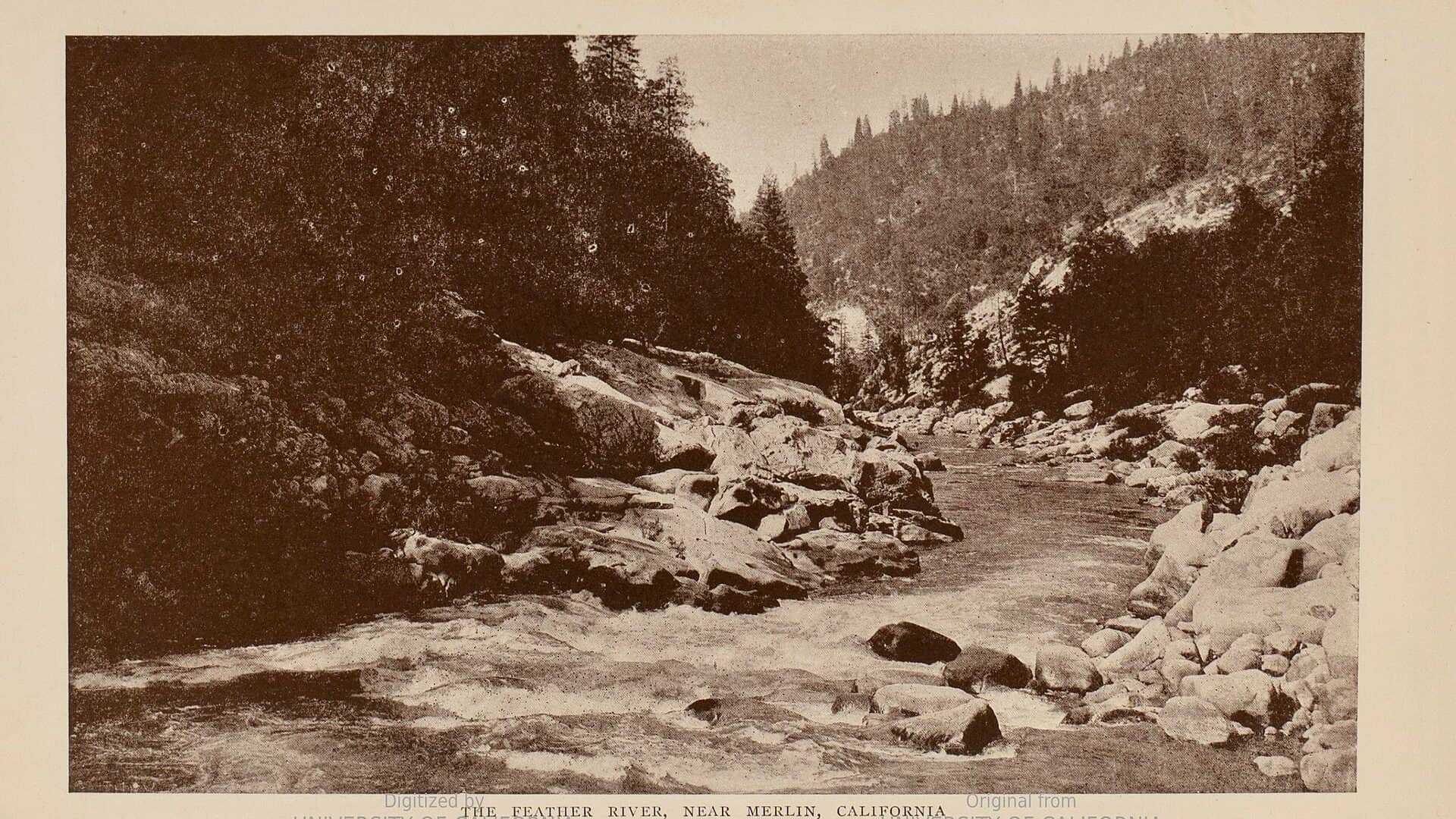
Another Central Valley anadromous river with hatchery-zone and flow complexity.
FAQ
Fast answers
Is Sacramento River Lower fishable today?
Sacramento River Lower looks very fishable right now. The live score is 96/100, based on current flow, weather, public alerts, and the report's planning context. Recheck the linked gauge and forecast before leaving because conditions can change quickly after rain, heat, access changes, or flow swings.
What flow is best for Sacramento River Lower?
Use the lower-river trend as a planning tool, not a promise. Stable releases are the cleanest fit for trout lanes and safer edges; if releases change quickly or the river starts feeling too broad and pushy for your intended access, shift to a bank-oriented plan or to another river.
When should I skip Sacramento River Lower?
Skip the Lower Sac when current salmon-season rules are unclear, when releases erase the edge water you were counting on, when summer heat pushes the lower reaches out of a good trout-handling window, or when you really want an Upper Sacramento-style freestone day.
Is Sacramento River Lower safe to wade right now?
The fishability score is not a wading guarantee. Wade only where your chosen access has safe edges, clear footing, legal entry, and no forced crossings; high, rising, stained, or storm-affected water should be treated conservatively.
What section is the Lower Sacramento page about?
It focuses on the Keswick and Redding tailwater plan, with downstream Red Bluff context where useful.
What gauge should I use?
Use the Sacramento River at Keswick gauge, USGS 11370500, with RiverReports as the quick chart view.
Do I need a boat?
Often yes for the best trout water. There are bank and trail options, but many productive lanes are boat-first.
Can I fish for salmon?
Only if the exact reach, date, method, and quota are open under current CDFW rules.
Sources
Source set for this report
Reviewed 2026-05-31