California / West
Putah Creek
A Putah Creek report for the Monticello Dam to Lake Solano tailwater, special regulations, access-site planning, flow checks, small flies, and careful handling.
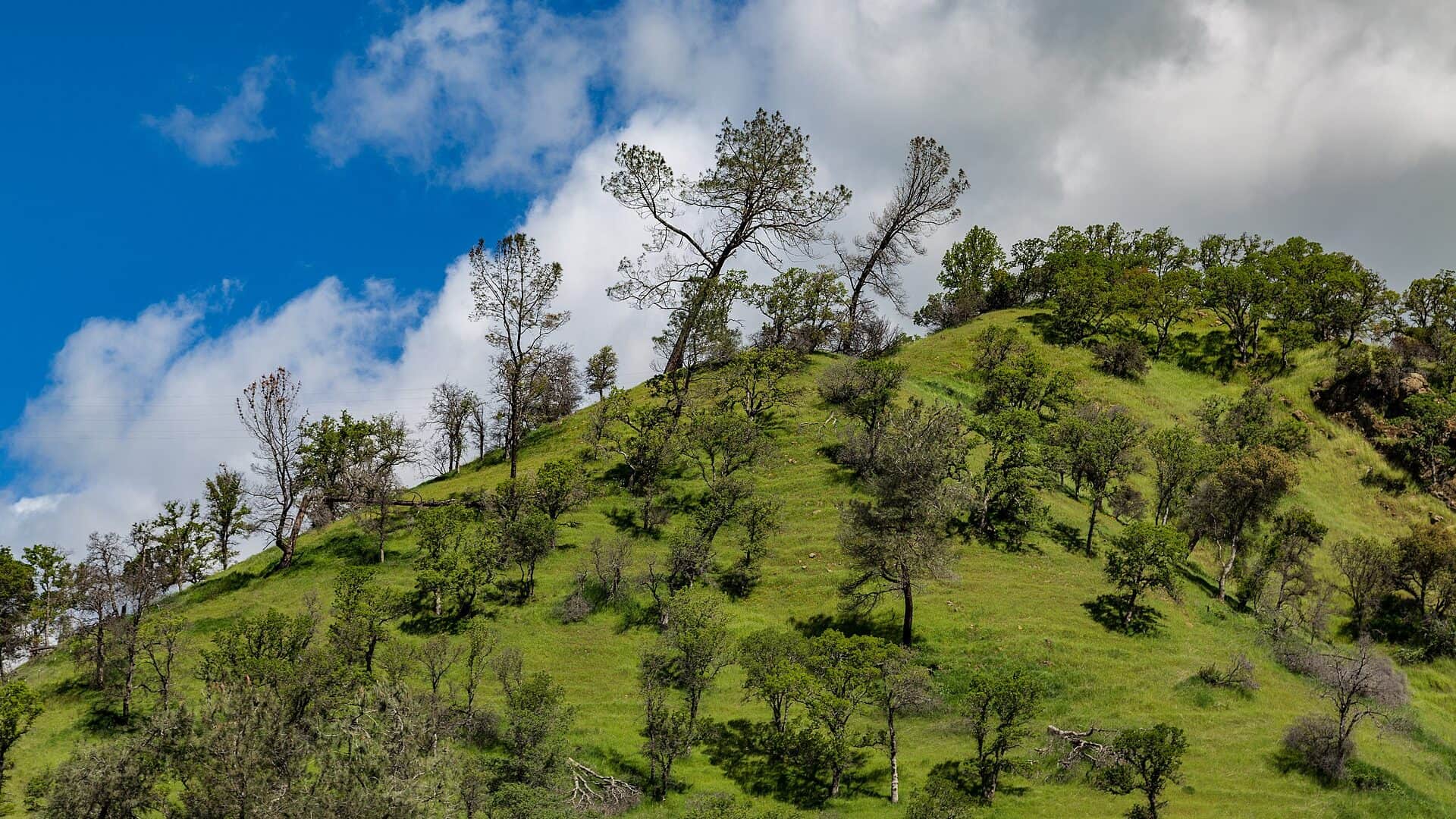
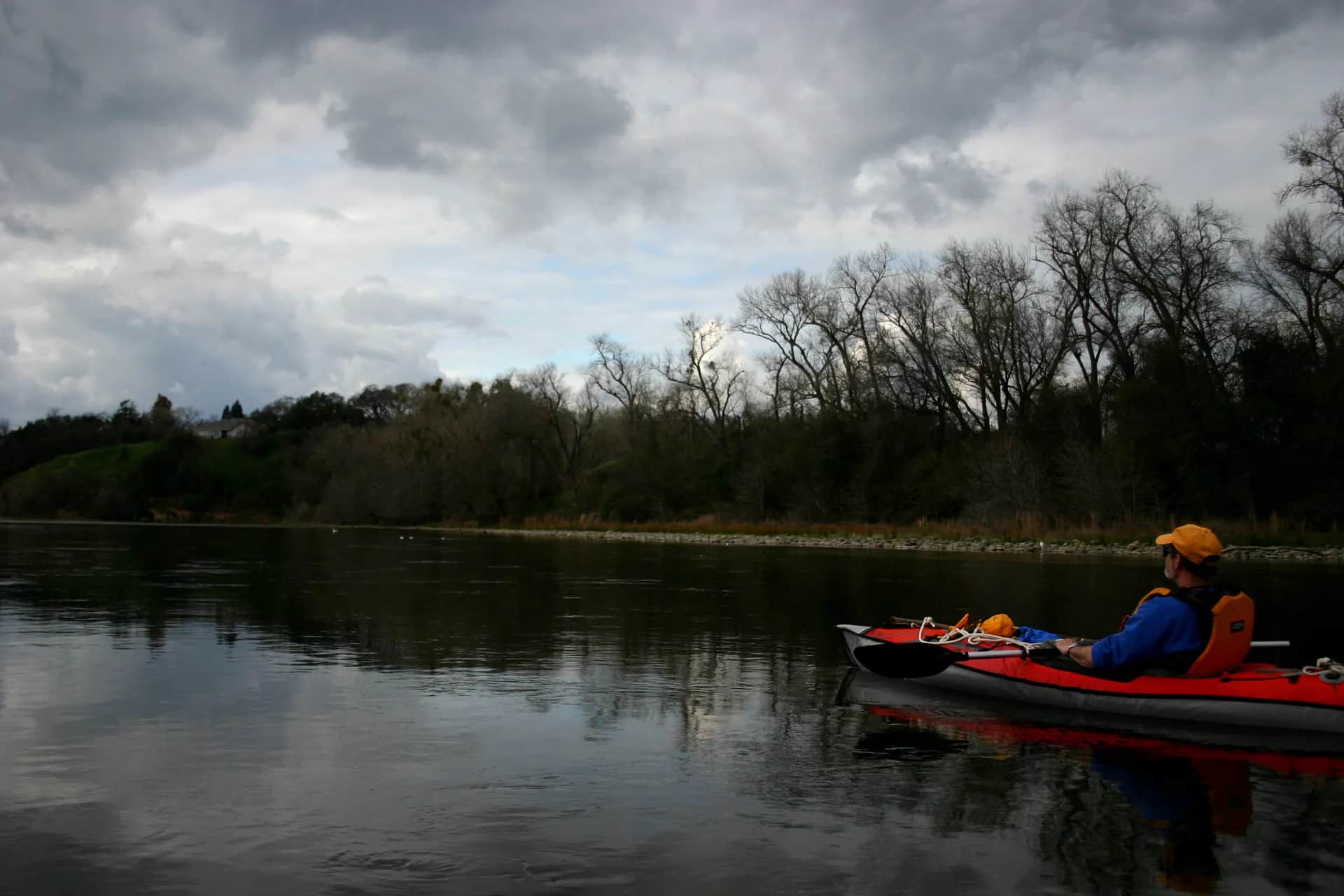
Image: Thompson Canyon Putah Creek California (25375183124) / CC BY-SA 2.0 / Tony Webster from Minneapolis, Minnesota, United StatesFishability now: Putah Creek fishability today
GreatData confidence: High96/100
Fishable now because the live gauge is stable, weather is usable, and no public alert is active.
Flow observed
5:00 PM UTC
Weather observed
5:00 PM UTC
Score calculated
6:14 PM UTC
Why this rating
Flow
Weather
Public alerts
Next 6-12 hours
Hold
Stable live data supports staying with the plan, but recheck the gauge and forecast before leaving.
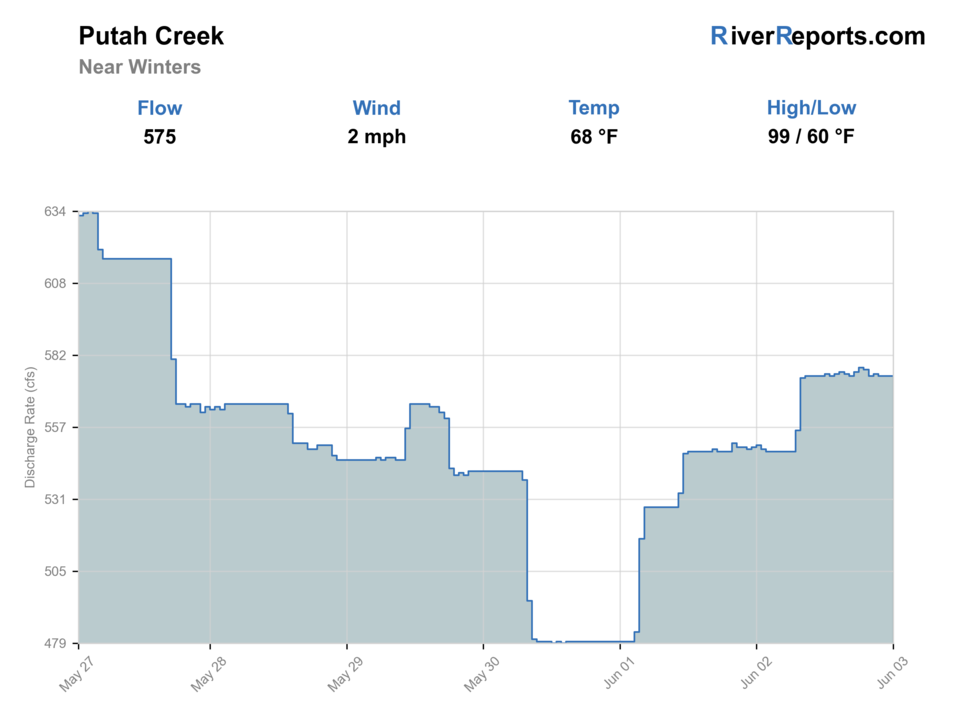
USGS flow
575 cfs
Current trend: flow stable, so weather, temperature, and access checks drive the next change.
More planning details: flies, flow bands, and live source checks
Fish it today
Start here
Choose the access before choosing the fly box: verify which of Yolo County Sites 1 through 5 are open, decide whether you want the easier county-side pullouts or a wildlife-area walk, then fish one or two pieces of water thoroughly instead of bouncing between every parking lot.
Best flow clue
Use the Winters gauge trend more than a single magic number. Stable tailwater releases fish better than abrupt bumps, and once flows rise enough to push the banks or erase the soft edges, the best move is usually to fish only obvious safe seams or come back another day.
Skip trigger
Skip the trip when the access site you planned is closed, when the creek is already crowded at the legal pullouts, when warm weather makes trout handling questionable, or when changing releases would force you to guess about safe wading.
Flow decision bands
Low but fishable
Low clear tailwater can fish technically with small flies, fine tippet, and careful bank-first approaches.
Best technical window
Stable or gently falling Winters flow with cool weather, open access, and current CDFW rules creates the best trout signal.
Pushy or crowded
High releases, narrow exits, crowding, or damaged access should shrink or stop the wade plan.
Redd or rule caution
Spawning activity, special regulations, and closures override an otherwise usable flow.
USGS flow
575 cfs
Current trend: flow stable, so weather, temperature, and access checks drive the next change.
Live USGS flow
575 cfs / stable
Live NWS forecast
73F / Sunny
Water temperature not verified
Heat guidance uses weather and river type unless an official water-temperature value is available.
No NWS alert flag
No active NWS alert was returned for this forecast point.
Use the Winters gauge to understand tailwater flow below Lake Berryessa.
Treat the special-regulation reach as catch-and-release planning water unless current CDFW rules say otherwise.
Use small flies, careful approaches, and quick handling.
Respect closed or damaged parking areas, private land, and narrow access lanes.
Editorial review
How this report is maintained
This Putah Creek report combines current regulation, access, flow, weather, and safety sources with practical small-water planning guidance. Public review dates change only after material source review or content improvements.
Byline
BlueStreamFly editorial team
Reviewed by
BlueStreamFly source review
Maintained by
Mountain Brook Run LLC
Last material review
2026-05-31
Report confidence
Good confidence
88/100
Good confidence: RiverReports, USGS Winters flow, Yolo County and CDFW access sources, CDFW regulation/closure sources, wild-trout context, and weather data support the page. Confidence is moderated by release-sensitive wading, crowd pressure, seasonal heat, and access-site changes.
Regulations
CDFW inland regulations, closures, and wild-trout sources support the legal and fish-protection check path.
Access
Yolo County access-site information and CDFW Putah Creek Wildlife Area support strong public access planning, with site closures still requiring current checks.
Flow and weather
RiverReports, USGS 11454000, and the National Weather Service point are attached to the route.
Fishing usefulness
The page now separates Winters flow, special rules, access sites, crowd/redd caution, heat, and backup water choices.
Fishability dashboard and source review
2026-05-31 / material content or source review
RiverReports, USGS Putah Creek near Winters flow, Yolo County access information, CDFW Putah Creek access and wild-trout sources, California regulation/closure sources, and the National Weather Service point were checked before updating the current-fishability decision layer.
2026-05-31
Updated Putah Creek to the current fishability-page standard with Winters flow guidance, special-rule access cards, backup cues, stable fishability SEO, and confidence signals.
2026-05-29
Added a page-specific report-confidence meter for Putah Creek flow, regulation, access, weather, fish-handling, and crowd-sensitive tailwater planning.
2026-05-28
Added original trip-fit guidance, wade-only planning, release-trend framing, access-site nuance, pressure timing, backup-water suggestions, and a clearer correction path after source review.
Angler planning edge
Local details that change the plan
Best for
Technical tailwater anglers who are comfortable fishing small flies and light tippet, Close-to-home Sacramento or Bay Area trips where access and regulations are checked before leaving town, Short wade sessions built around stable releases instead of all-day mileage, Weekday or low-light plans when crowd pressure is easier to manage
Wade or float
Treat Putah Creek as a wade-first report. The practical public plan is to fish on foot from the numbered Yolo County access sites or the wildlife-area side rather than looking for a general float option.
Best flows
Use the Winters gauge trend more than a single magic number. Stable tailwater releases fish better than abrupt bumps, and once flows rise enough to push the banks or erase the soft edges, the best move is usually to fish only obvious safe seams or come back another day.
When to skip
Skip the trip when the access site you planned is closed, when the creek is already crowded at the legal pullouts, when warm weather makes trout handling questionable, or when changing releases would force you to guess about safe wading.
Local plan
Choose the access before choosing the fly box: verify which of Yolo County Sites 1 through 5 are open, decide whether you want the easier county-side pullouts or a wildlife-area walk, then fish one or two pieces of water thoroughly instead of bouncing between every parking lot.
Pressure
Putah gets close-range pressure from Sacramento and Bay Area anglers, so weekends and prime hatch windows compress people quickly. Early starts and weekday visits usually matter more than changing patterns every fifteen minutes.
Access nuance
The county sites and the wildlife-area side solve different problems. Yolo County notes that Site 3's west parking lot is closed, the county access points are the clearest public framework, and the wildlife-area side is steeper and more limited than it looks from Highway 128.
Backup water
If Putah is too crowded, too warm, or running awkwardly, pivot to the Lower Yuba for a larger tailwater plan or to the American for a different Sacramento-area day that is less dependent on one narrow access corridor.
About the river
Setting, character, and why it fishes the way it does.
Putah Creek flows out of Lake Berryessa below Monticello Dam and runs toward Lake Solano and the lower Yolo-Solano valley.
The trout reach is a short, pressured tailwater where dam releases, water clarity, and angler behavior have an outsized effect on fishing quality.
Yolo County's numbered access sites are the practical planning framework for many visiting anglers.
Because access is narrow and the fishery is sensitive, good etiquette matters as much as fly choice.
Target species
Rainbow trout
The main catch-and-release fly target in the special-regulation tailwater reach.
Wild trout
Handle quickly, keep fish wet, and avoid redds or spawning fish.
Warmwater species
Lower and warmer water outside the core trout reach can hold different species.
Aquatic insects
Midges, small mayflies, caddis, and tiny nymphs drive much of the technical fishing.
Reading the water
Low clear flow
Use 5X to 7X, small midges, careful approaches, and long drifts.
Stable medium release
Nymph seams, buckets, and undercut banks with enough weight for clean depth control.
High release
Wading and crossings become harder. Fish edges only if access and footing are safe.
Spawning activity
Do not fish over redds or visible spawning trout. Move to non-spawning water.
Best seasons
Winter
Midges, eggs where legal, and careful nymphing can be useful, with spawning ethics front and center.
Spring
Mayflies, caddis, and improving flows can make technical nymph and dry-fly windows.
Summer
Morning fishing and temperature awareness matter. Crowds and heat can be limiting.
Fall
Cooling weather can improve fishing, but redd awareness and regulations remain critical.
Preferred flow source
Putah Creek near Winters
RiverReports is the preferred chart source when coverage exists. When a matching USGS gauge exists, keep it open as the official backstop for station data and current hydrograph context.

USGS data chart
Official USGS trend
Streamflow over the latest USGS reporting window.
Latest
575 cfs
Jun 3, 5 PM UTC
Weather
River weather report
Weather can change wading safety, road access, water temperature, hatches, and the best time of day to fish.
Live forecast loads as you reach this section
This keeps the report fast while still using the official National Weather Service forecast point.
Hatches and flies
Hatch chart and fly picks
Winter
Midges, BWOs, tiny mayflies
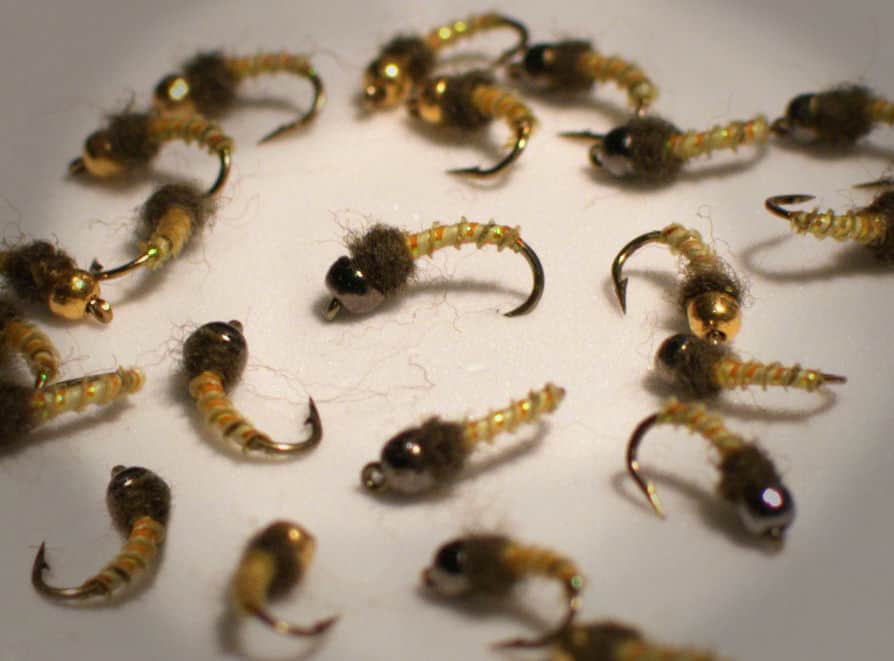
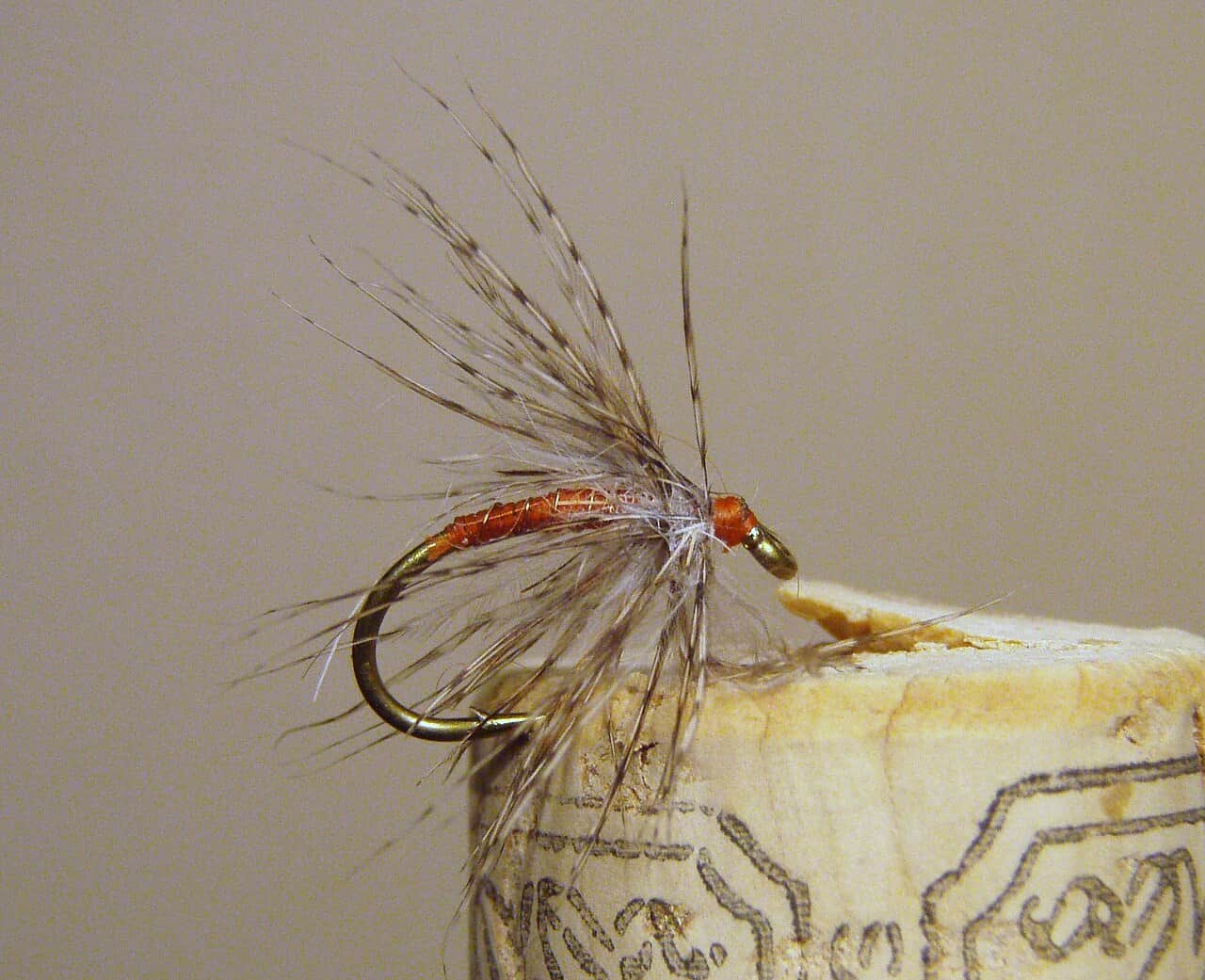
Zebra midge, WD-40, BWO emerger, micro mayfly
Spring
PMDs, caddis, BWOs, midges
PMD nymph, caddis pupa, BWO dry, midge emerger
Summer
Midges, caddis, terrestrials
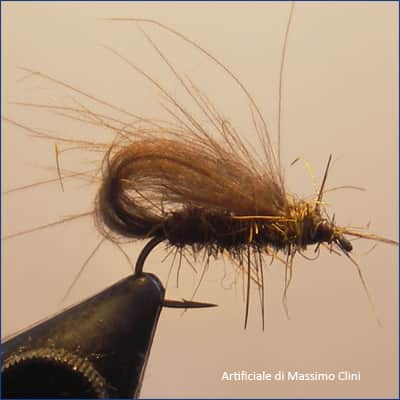
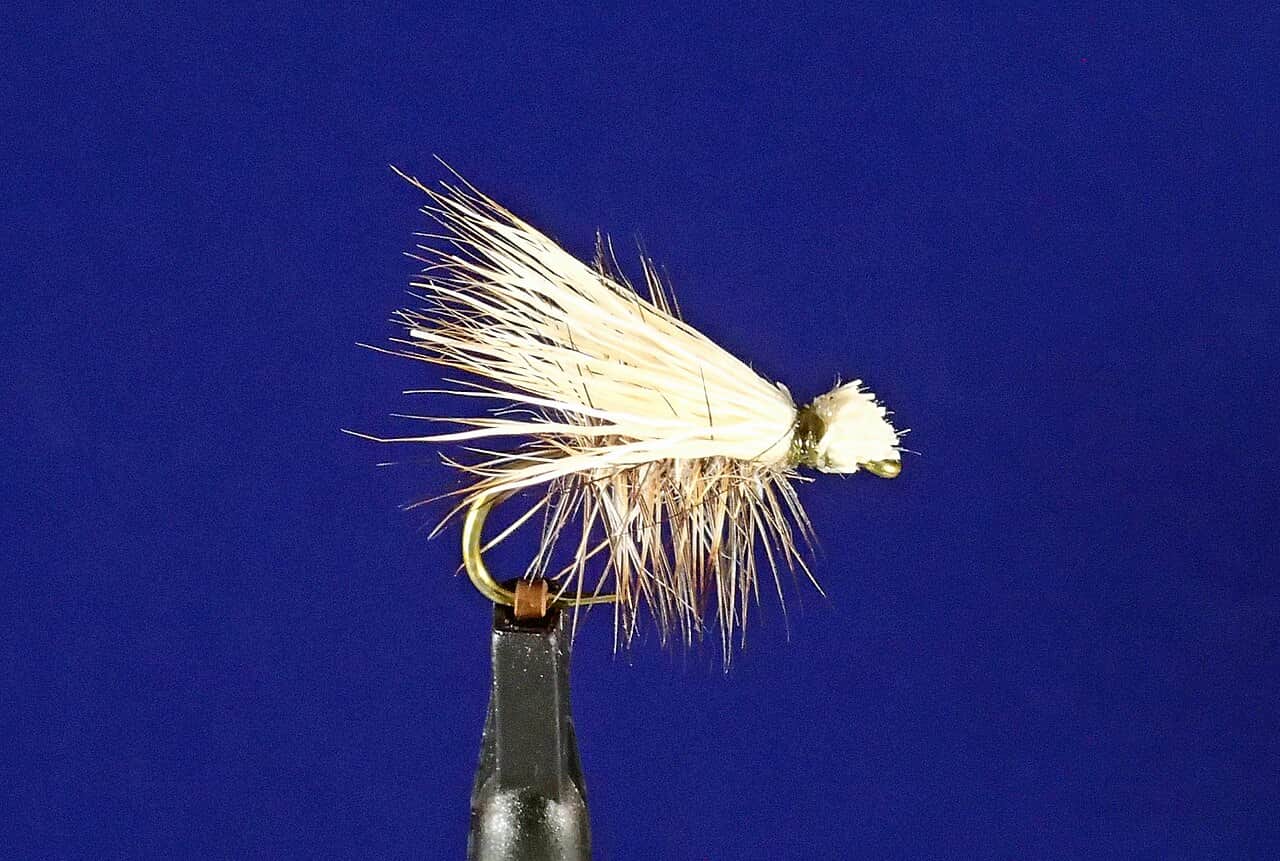
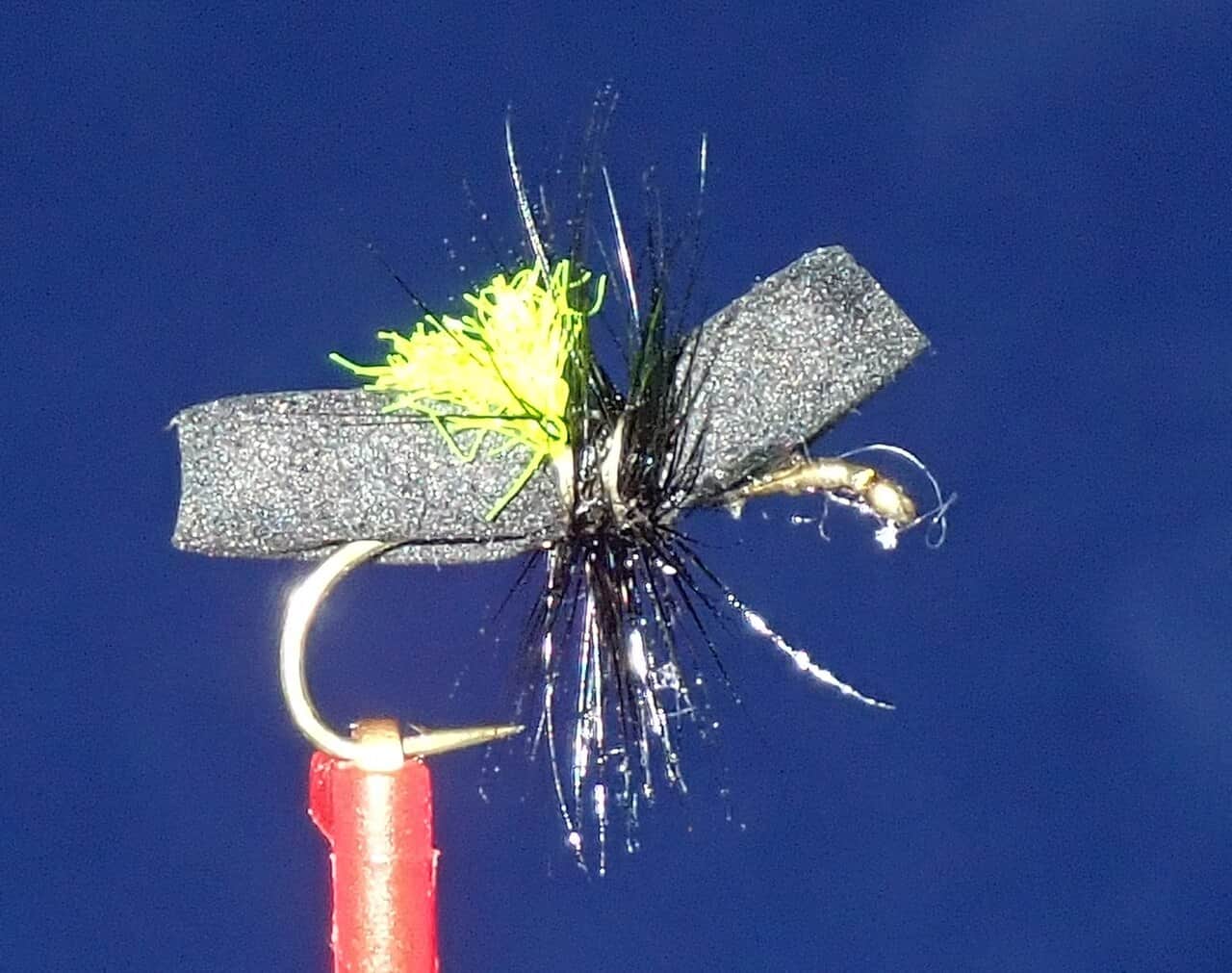
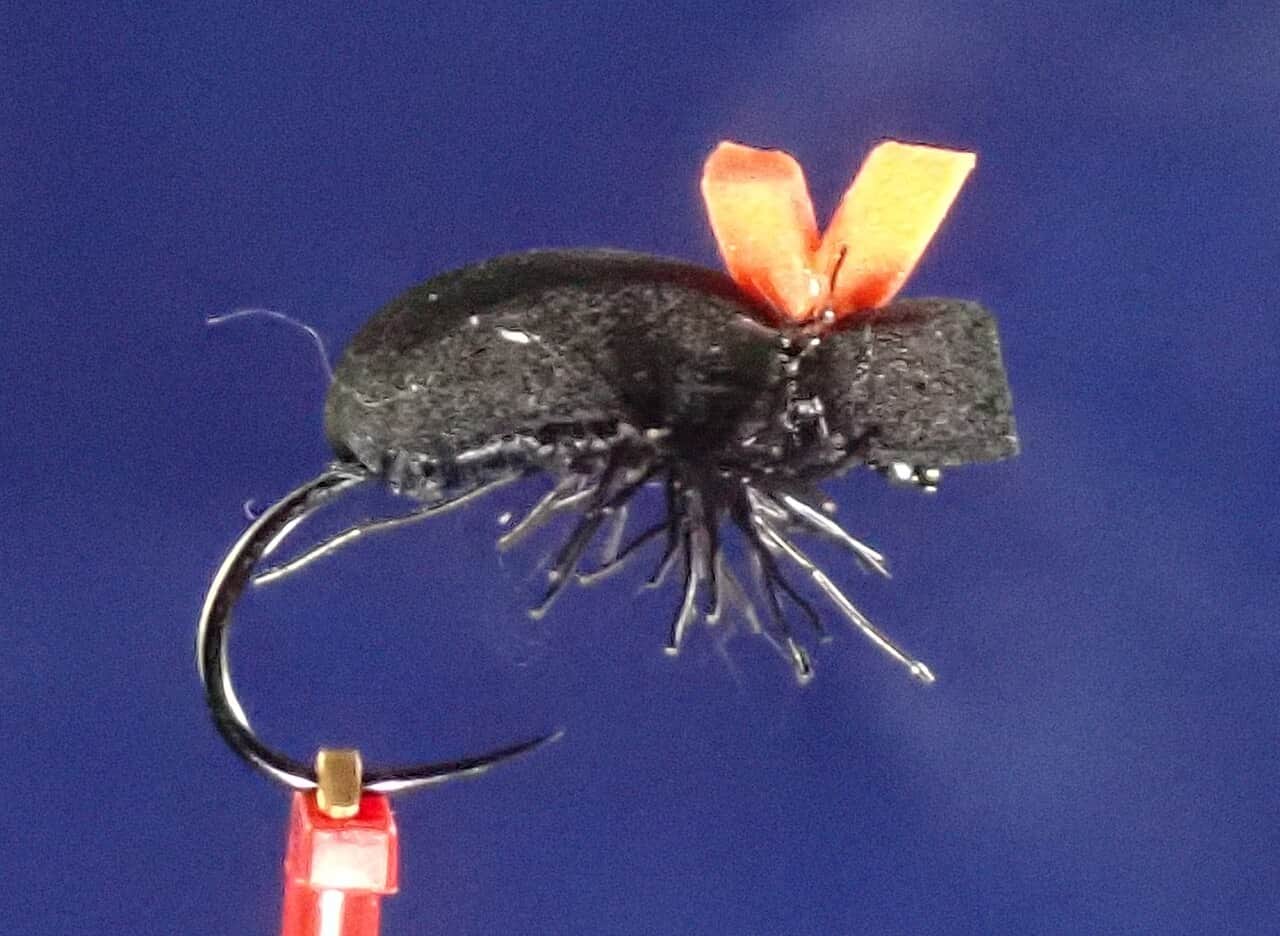
Zebra midge, elk hair caddis, ant, beetle, small dropper
Fall
BWOs, midges, caddis
BWO emerger, midge cluster, caddis pupa, soft hackle
Tiny nymphs
Zebra midge, WD-40, micro mayfly, small perdigon, pheasant tail
Use in clear water when fish are holding low or ignoring larger flies.
Dry flies
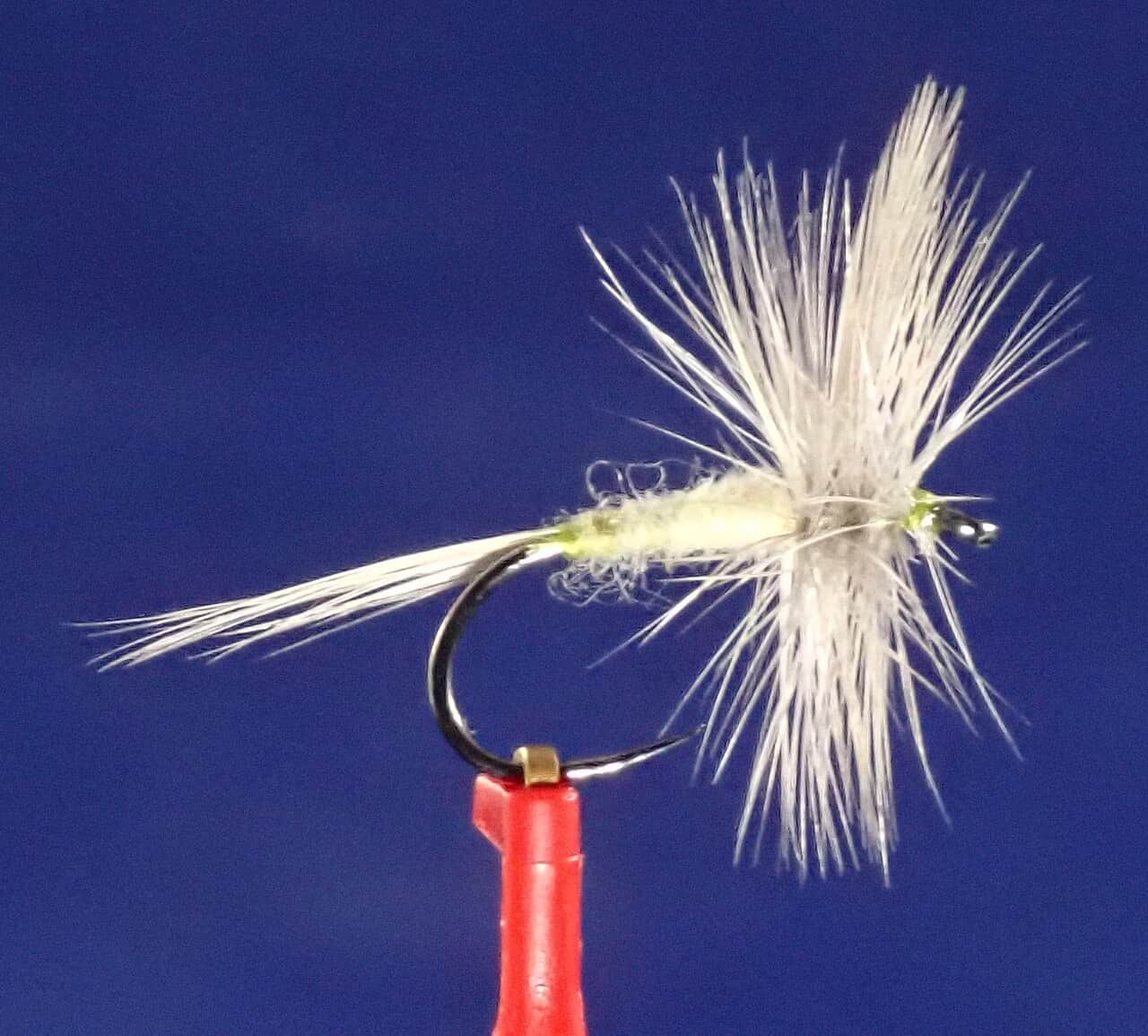
BWO, small caddis, Griffith's gnat, parachute Adams
Use during visible rises in slow seams and slicks.
Eggs and worms
Small egg, San Juan worm, micro worm
Use only where legal and never by targeting actively spawning fish or redds.
Small streamers
Micro leech, small bugger, sculpin
Use in higher flows or deeper banks when trout are not feeding on tiny insects.
Tactics
How to fish it
Pick an access site and fish slowly instead of constantly leapfrogging other anglers.
Keep a low profile and fish from the bank before stepping into the run.
Change weight and depth in small increments; drag is easy to spot on Putah.
Use barbless hooks and land fish quickly.
Avoid redds, spawning fish, and crowded lanes.
If a parking area or bank is closed, choose another site instead of improvising.
Rigging
Rod, leader, and setup notes
A 9-foot 4-weight or 5-weight is ideal for most Putah Creek trout fishing.
Use 5X to 7X for tiny flies in clear water.
Carry indicators, split shot, and tight-line options for different pocket depths.
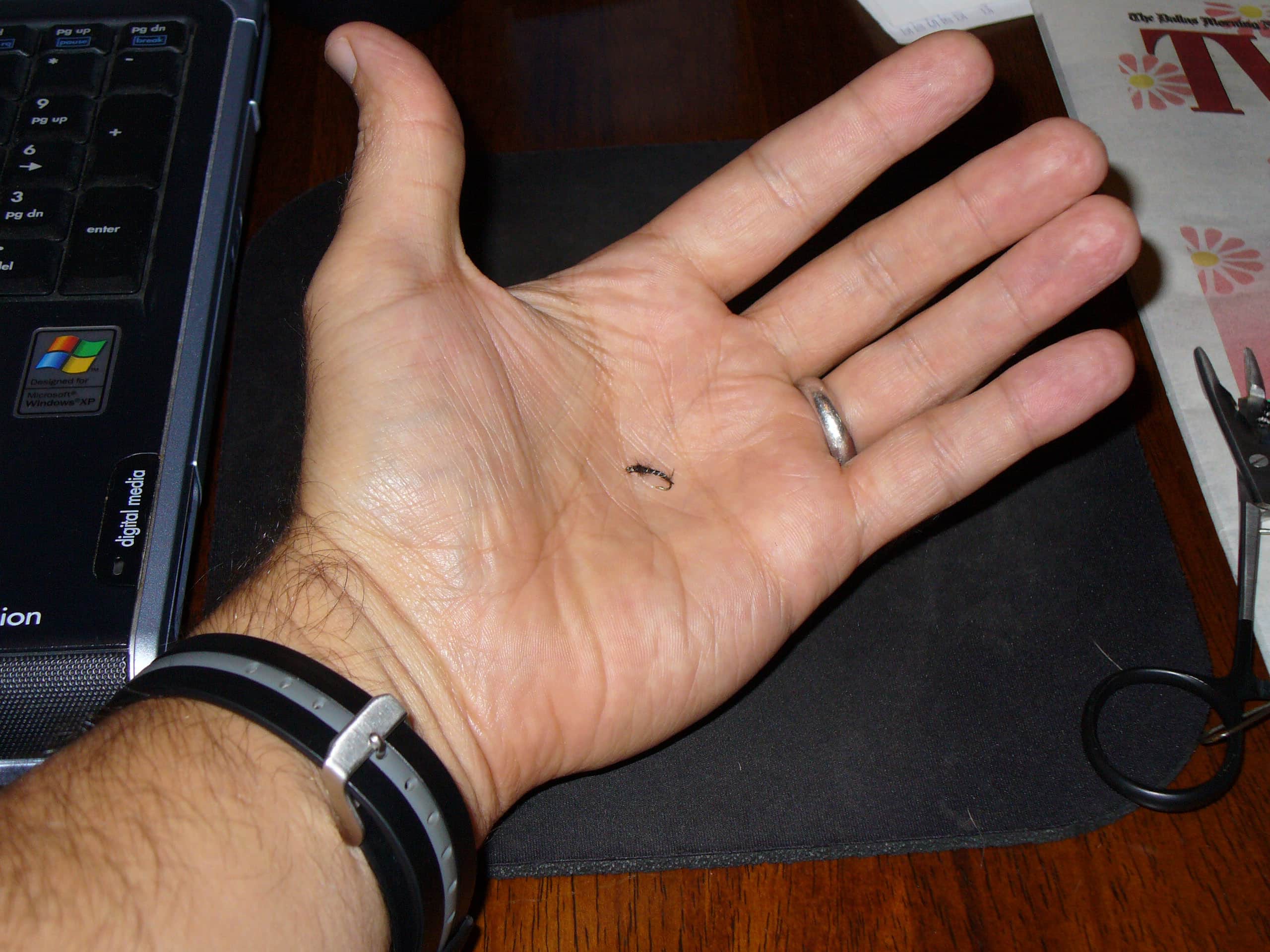
Bring a thermometer, forceps, rubber net, and small-fly storage.
Use wading boots with good traction even though the creek is not large.
Access
Access and planning notes
Yolo County access sites
Primary public access frameWade / float / trail
Numbered sites / bank / short wade
When to pick it
Start here when current county access, CDFW rules, and flow all line up.
Caution
Damaged or closed parking and narrow banks need day-of checks.
Monticello Dam to Lake Solano reach
Special-regulation trout waterWade / float / trail
Walk-and-wade / bank-first
When to pick it
Use it when current special rules, flow, and crowd levels support careful fishing.
Caution
Do not fish over redds or crowd visible fish.
Putah Creek Wildlife Area
Access and land-status contextWade / float / trail
Public-land / bank scout
When to pick it
Use it when CDFW land context helps separate legal access from private edges.
Caution
Wildlife-area context is not blanket permission for every bank.
Yolo County has reported access-site issues, including damaged or closed parking in places.
Private land and narrow roadside access make etiquette important.
The creek is small enough that crowding can ruin pools quickly.
Dam releases affect both fish behavior and wading safety.
Do not post or follow informal access paths that cross private land.
Regulations
Check before fishing
Verify CDFW's current Putah Creek special regulations before fishing, especially the Monticello Dam to Lake Solano reach. Treat access and harvest details as current-source questions, not memory.
Primary base
Winters, Davis, Vacaville, or Sacramento, California
Best day style
Numbered public access sites with private-boundary caution
Check first
CDFW rules, Yolo access status, Winters flow, weather, water temperature
Safety
Narrow access, slick banks, dam releases, private land, summer heat
Gear
Helpful gear for this water
Small midge box
Tiny midges and mayflies solve more Putah problems than oversized attractors.
Fine tippet
Clear, pressured water often calls for 5X to 7X and clean drifts.
Rubber net
Fast landing and wet handling matter on a catch-and-release tailwater.
Access notes
Know the legal parking and access status before driving Highway 128.
Nearby water
Other water to research
Backup logic
High water
Avoid risky crossings and compare Lower Yuba, American River, or another tailwater.
Heat
Fish early, check water temperature, and stop trout fishing when handling conditions deteriorate.
Crowds or redds
Rest pressured fish and choose another access or another river.
Access issue
Use a different signed county/CDFW access or leave rather than forcing private banks.
Lower Yuba River
A larger technical tailwater when you want more room and hatch-driven trout fishing.
American River
An urban anadromous river near Sacramento with steelhead, shad, and striper options.
Sacramento River Lower
A bigger tailwater trout plan with boats, flows, and salmon-season rule complexity.
FAQ
Fast answers
Is Putah Creek fishable today?
Putah Creek looks very fishable right now. The live score is 96/100, based on current flow, weather, public alerts, and the report's planning context. Recheck the linked gauge and forecast before leaving because conditions can change quickly after rain, heat, access changes, or flow swings.
What flow is best for Putah Creek?
Use the Winters gauge trend more than a single magic number. Stable tailwater releases fish better than abrupt bumps, and once flows rise enough to push the banks or erase the soft edges, the best move is usually to fish only obvious safe seams or come back another day.
When should I skip Putah Creek?
Skip the trip when the access site you planned is closed, when the creek is already crowded at the legal pullouts, when warm weather makes trout handling questionable, or when changing releases would force you to guess about safe wading.
Is Putah Creek safe to wade right now?
The fishability score is not a wading guarantee. Wade only where your chosen access has safe edges, clear footing, legal entry, and no forced crossings; high, rising, stained, or storm-affected water should be treated conservatively.
Is Putah Creek catch and release?
The core trout reach is managed under special regulations. Verify CDFW's current Putah Creek rule language before fishing.
What gauge should I use?
Use USGS 11454000, Putah Creek near Winters, with RiverReports as the quick chart view.
What flies should I bring?
Bring midges, BWOs, small mayfly nymphs, caddis pupa, and a few careful small streamers.
Is Putah Creek beginner friendly?
Not usually. It is small, pressured, technical, and rule-sensitive.
Sources
Source set for this report
Reviewed 2026-05-31