7-day U.S. Geological Survey chart
Recent flow
Discharge
1,960 cfs839 cfs
Oct 15Oct 22
Latest reading: 1,310 cfs. Stable over about 6 hours. Chart covers Oct 15 through Oct 22; readings are provisional and may be revised.
No single best way to fish. Wading, Bank fishing, and Floating have the same top score. Use current access, footing, weather, and local rules to choose.
Rating updatedRiver local time:
USGS shows 1,310 cfs. The flow has been stable over about 6 hours. USGS marks this reading provisional and may revise it. USGS records for this date (1976-2026, 51 readings) show a typical middle range of 1,140 cfs to 1,420 cfs. Flow is within the typical range for this date, so weather, temperature, and access become the next checks.
NWS air forecast near
This is an air forecast, not a river-temperature reading. Check the water with a stream thermometer before fishing in hot weather.
Discharge
Latest reading: 1,310 cfs. Stable over about 6 hours. Chart covers Oct 15 through Oct 22; readings are provisional and may be revised.
Slight Chance Light Rain
The National Weather Service forecast is temporarily unavailable.
Current U.S. Geological Survey gauge: Pit River below Pit No. 1 PH near Fall River Mills
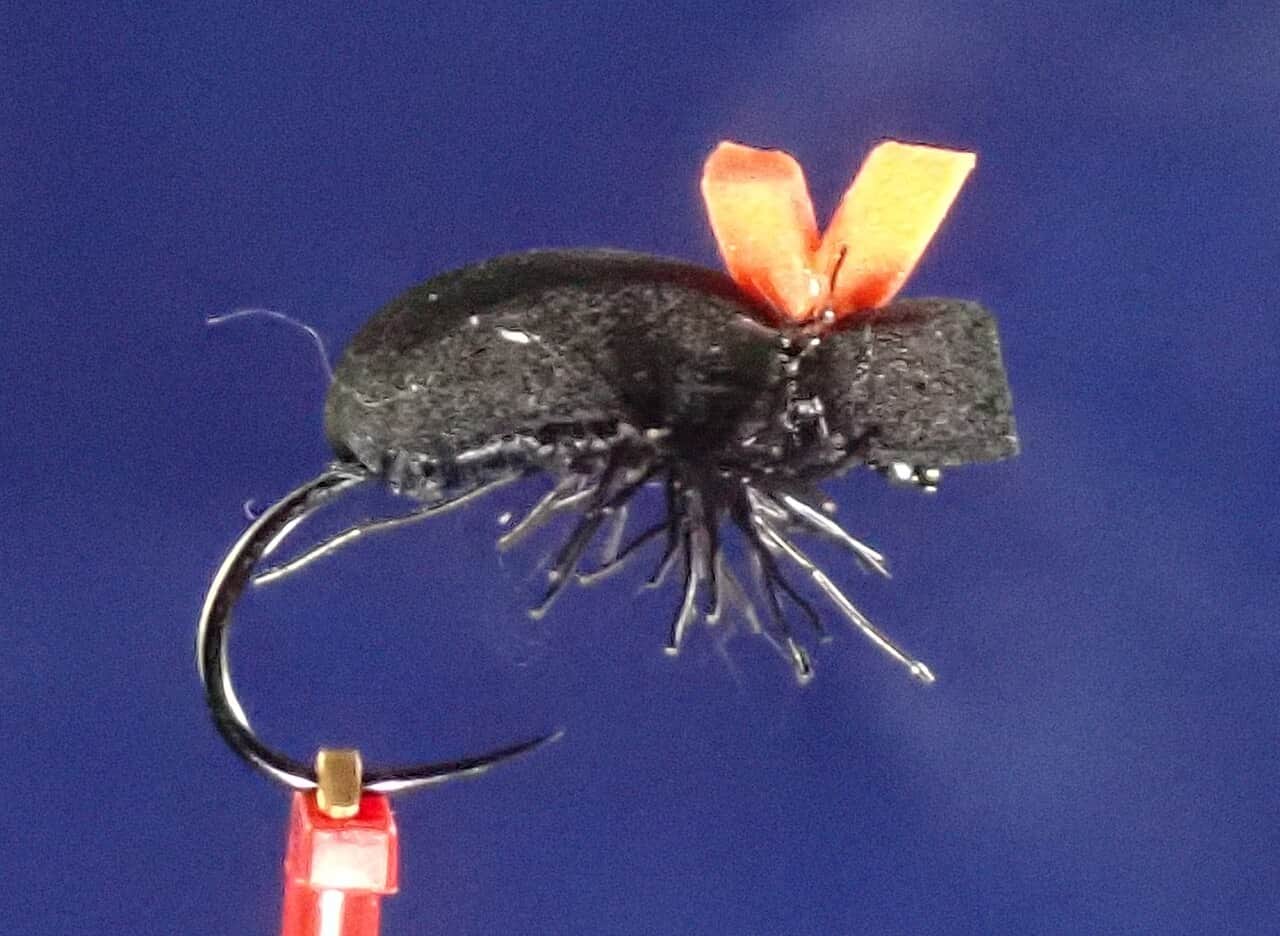
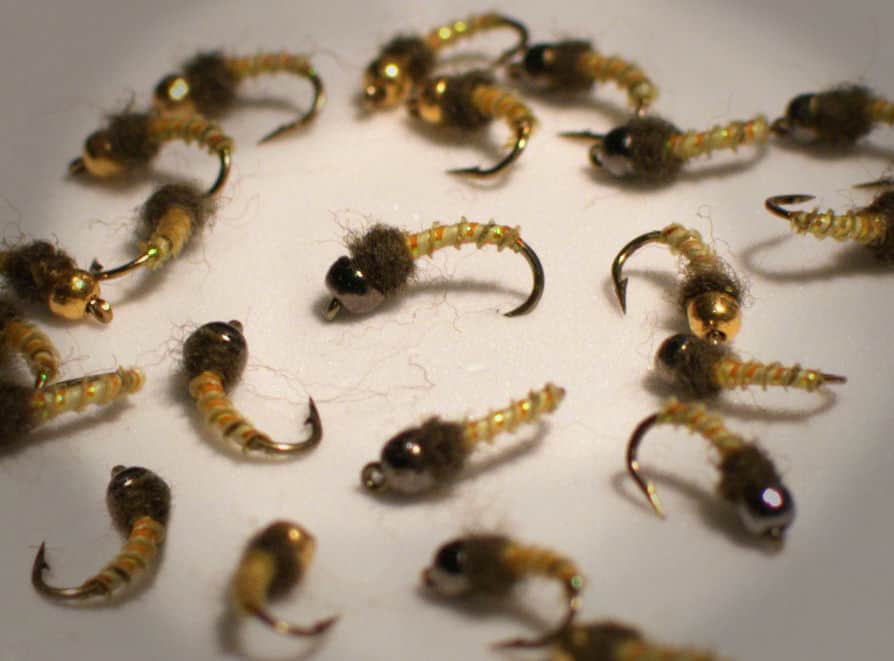
Seasonal starting points, not a live hatch report. Match what you see on the water.
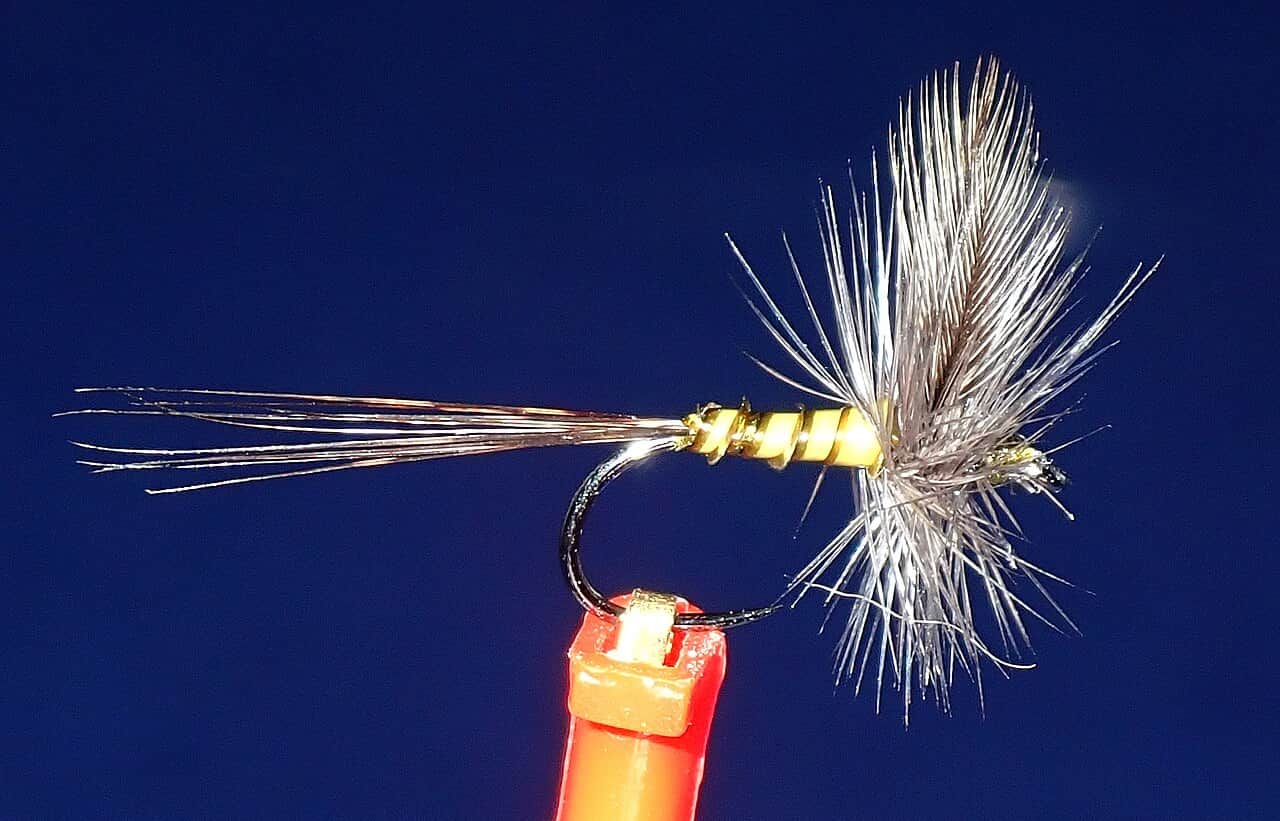
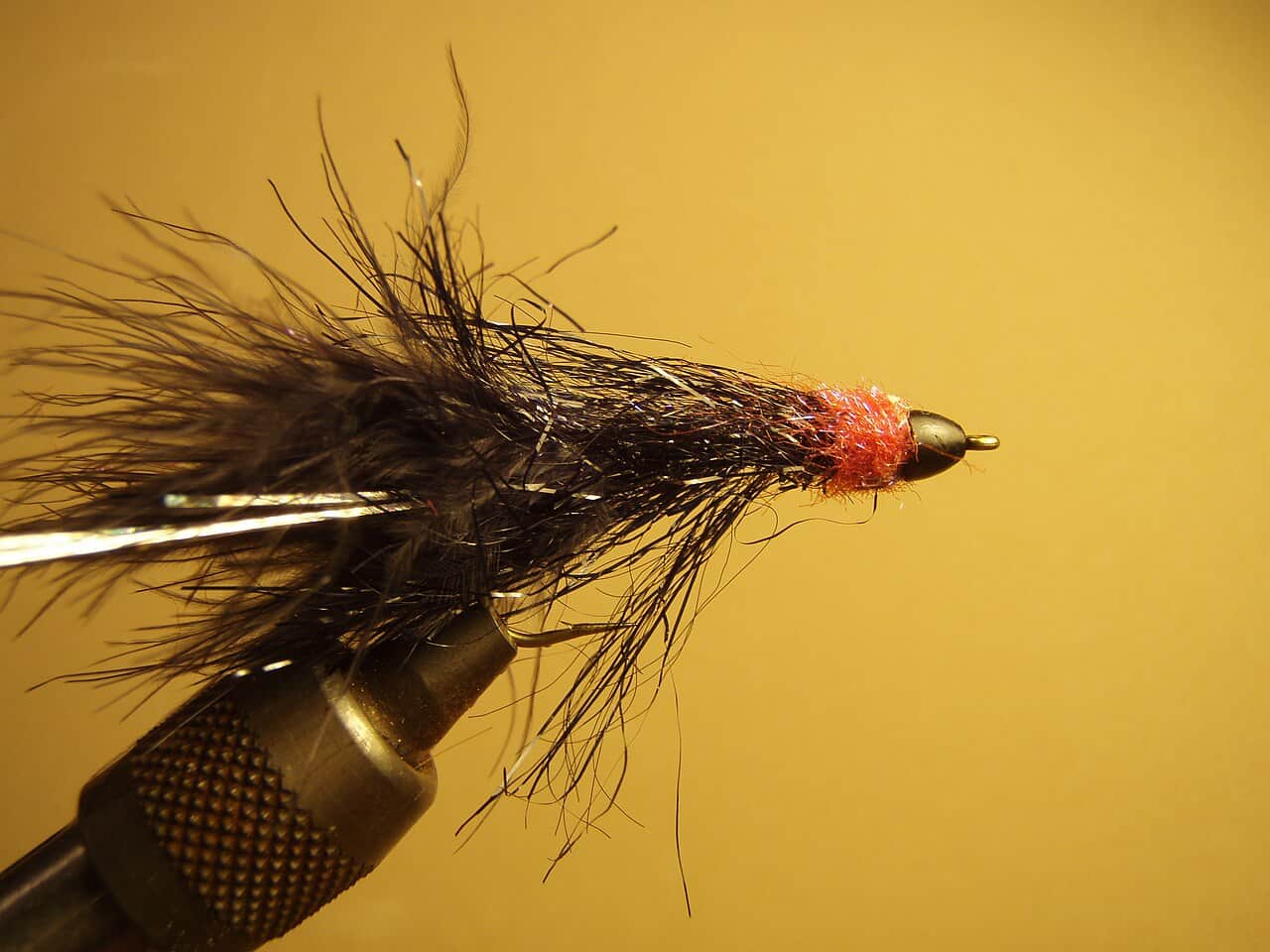
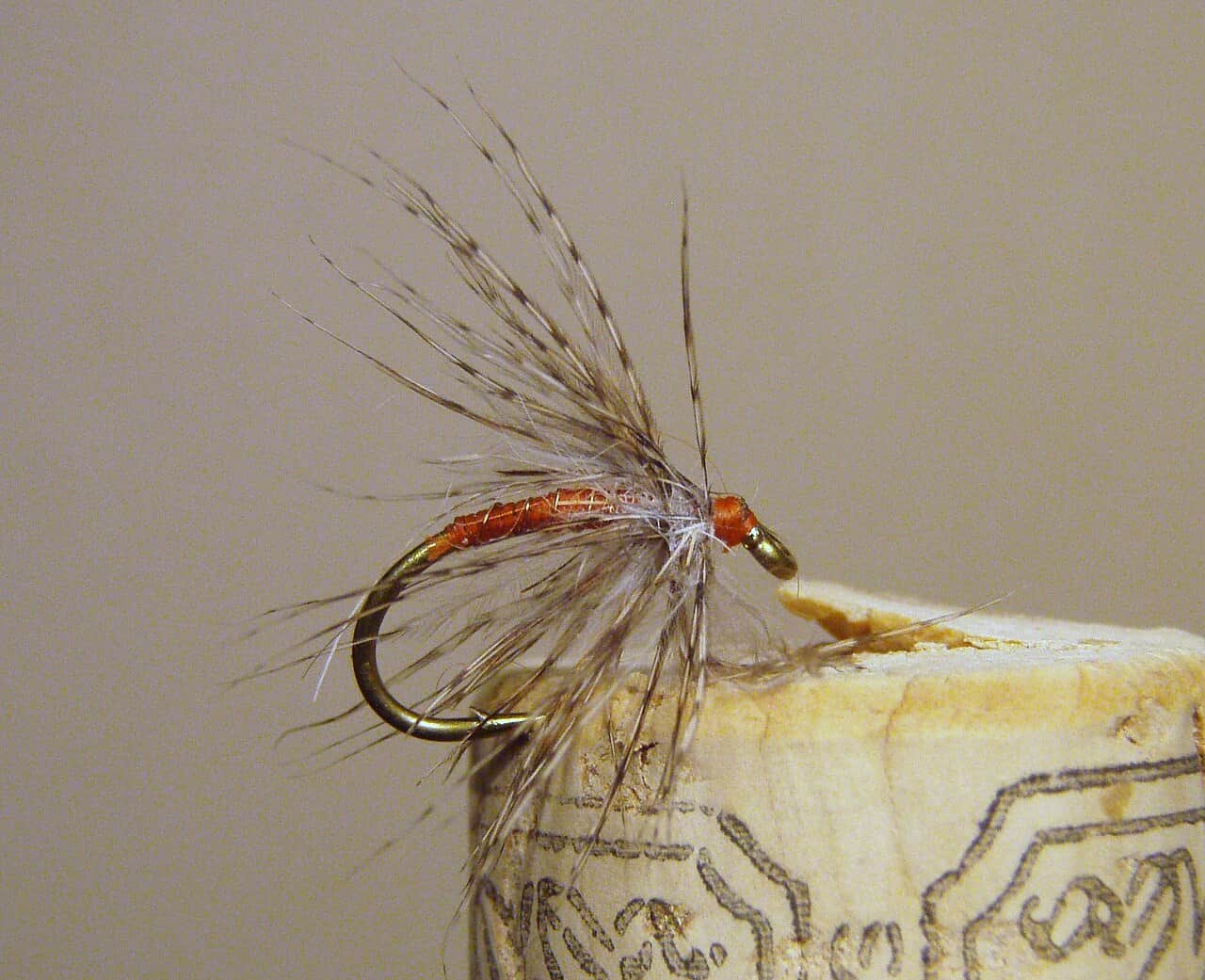
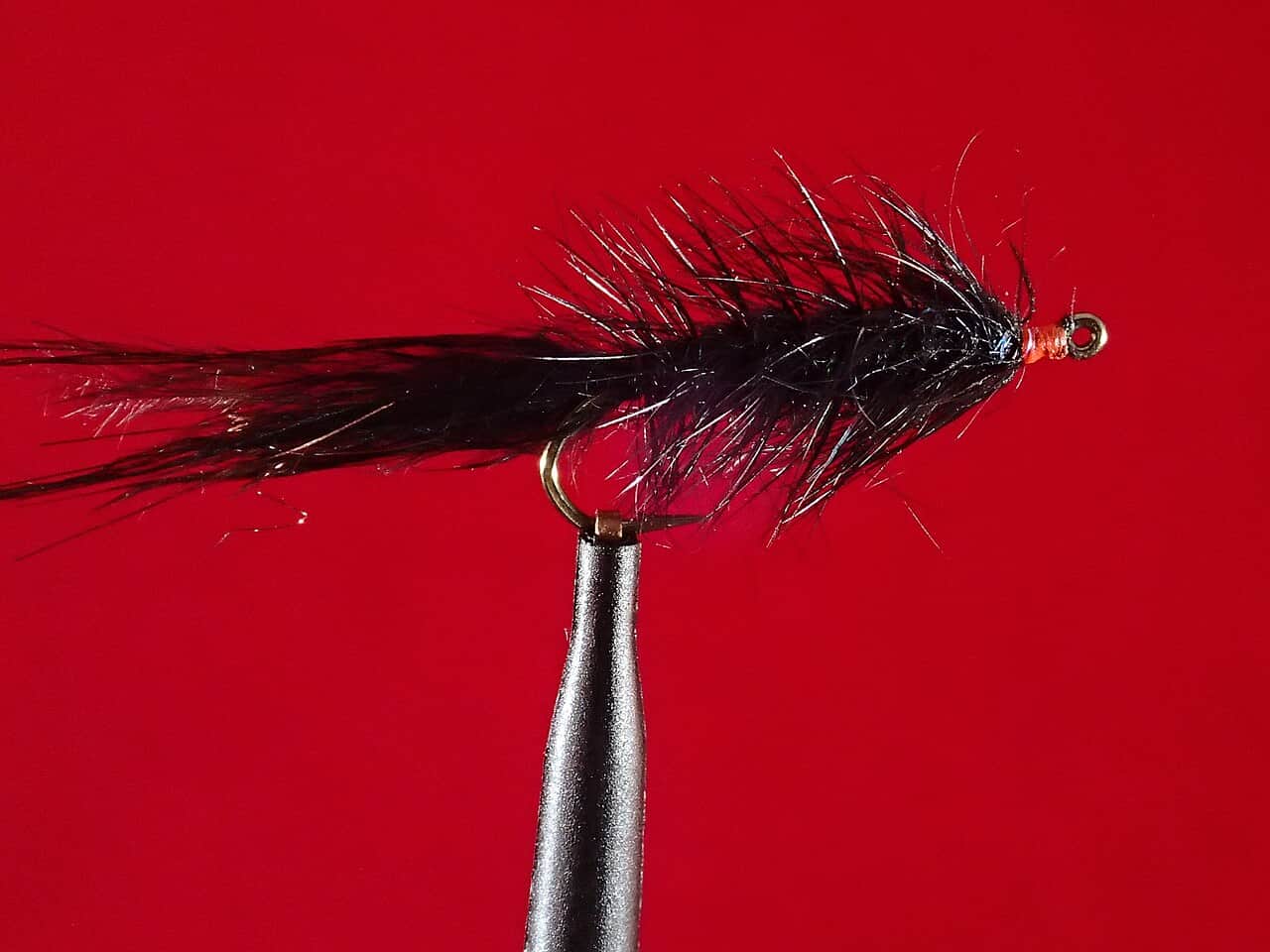
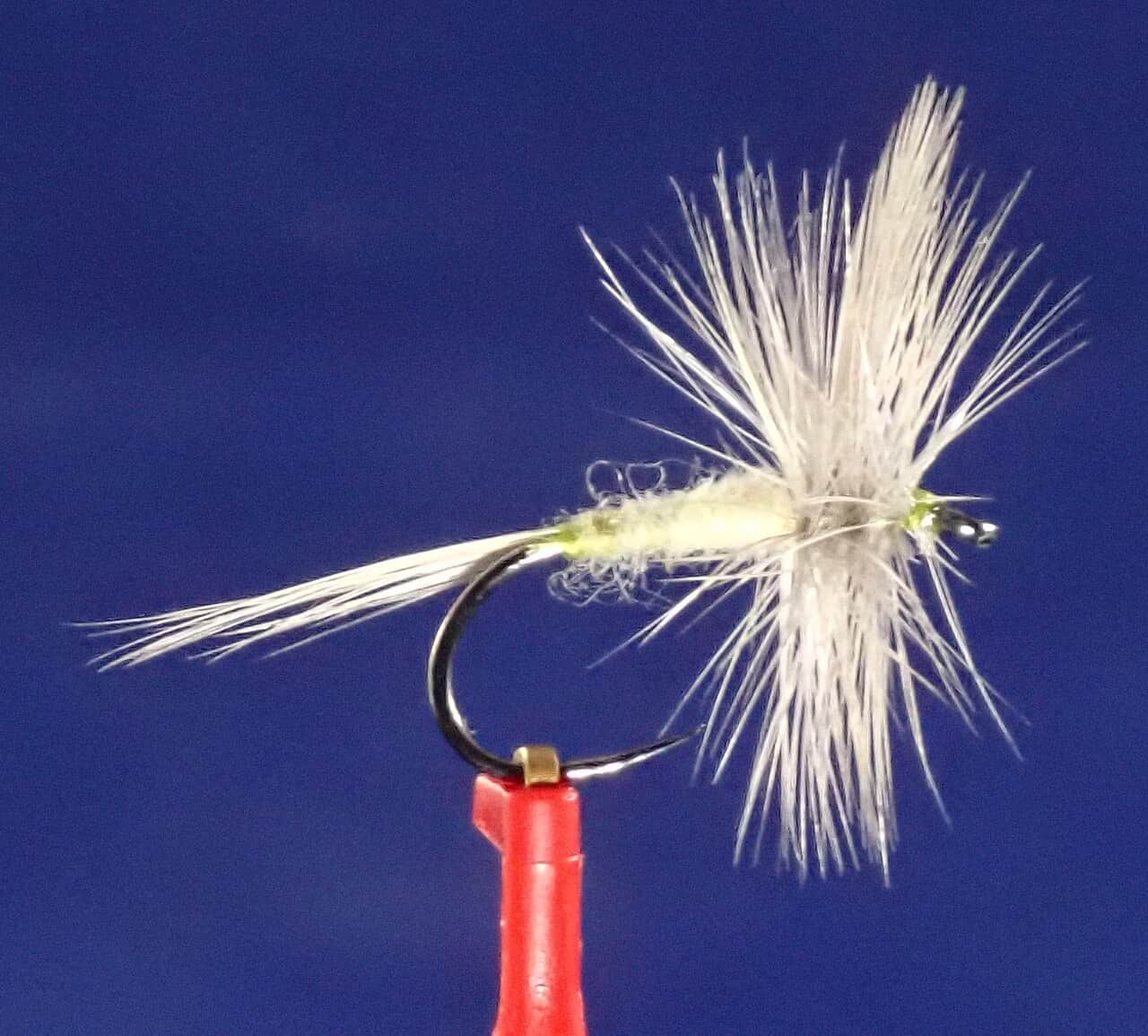
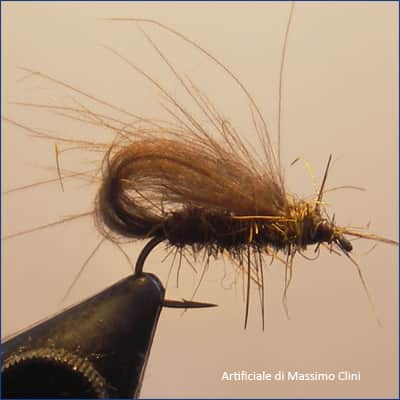
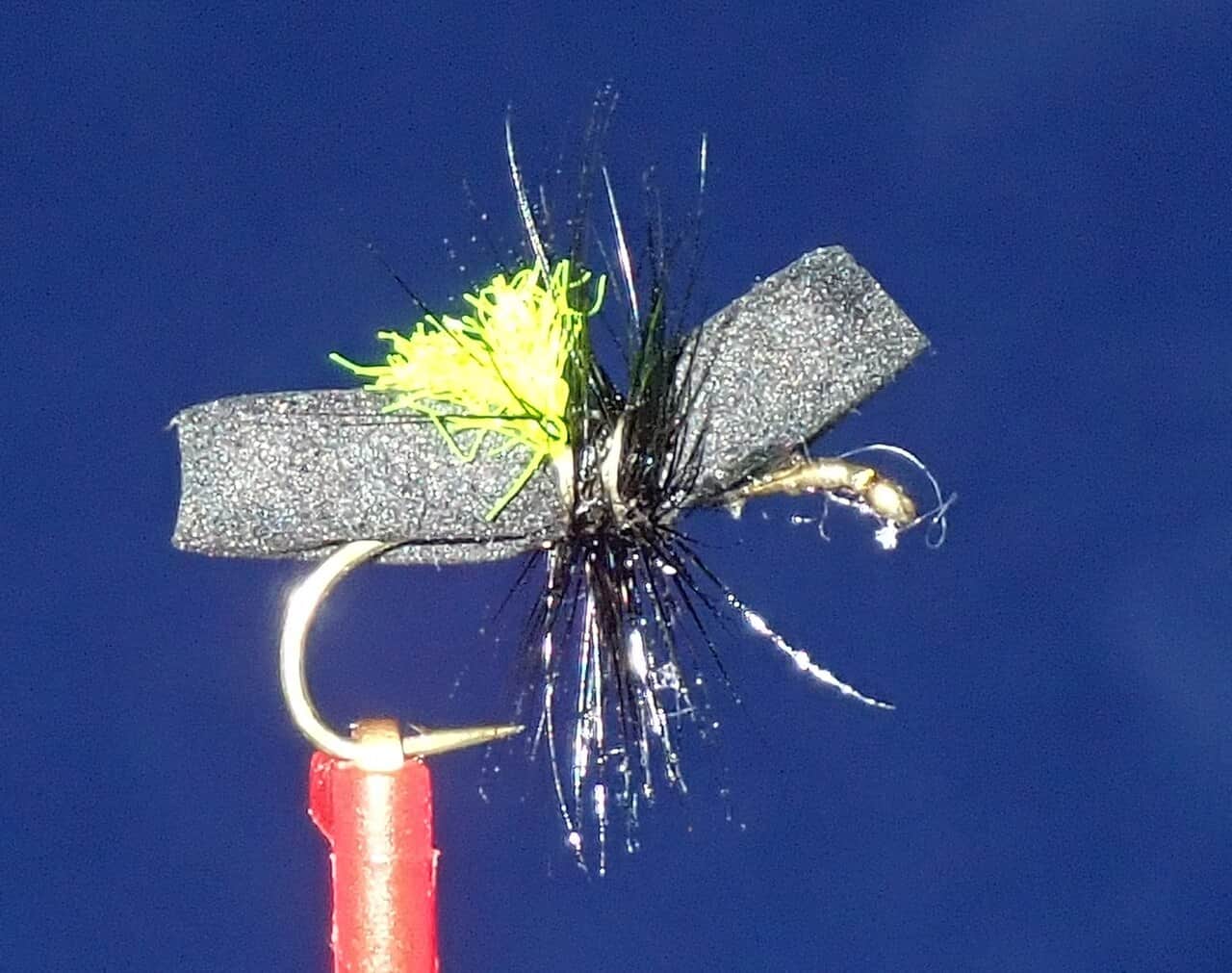
Also try callibaetis spinner, damsel nymph
Each fly name opens its matching Fly Box guide.
Fall River fishes like a clear spring creek: slow presentations, boat control, and hatch timing are more important than covering miles of water. If wind, access, or rules do not line up, choose a different nearby water instead.
Use long leaders, fine tippet, and slow controlled casts from the boat or bank.
Shorten casts, use slightly heavier flies, and prioritize boat control over delicate long presentations.
Find lanes, edges, and openings rather than dragging flies through vegetation.
Use the Pit River proxy only as watershed context, then rely on local access, clarity, and weather information.
Wading, Bank fishing, and Floating have the same top score. Use current access, footing, weather, and local rules to choose.
Wading is in play only where your chosen access has clear footing, legal entry, and no forced crossings.
Bank and edge fishing remains a practical low-commitment option if access is legal and footing is safe.
A float is in play where this report supports boat access and wind, releases, and shuttle logistics are manageable.
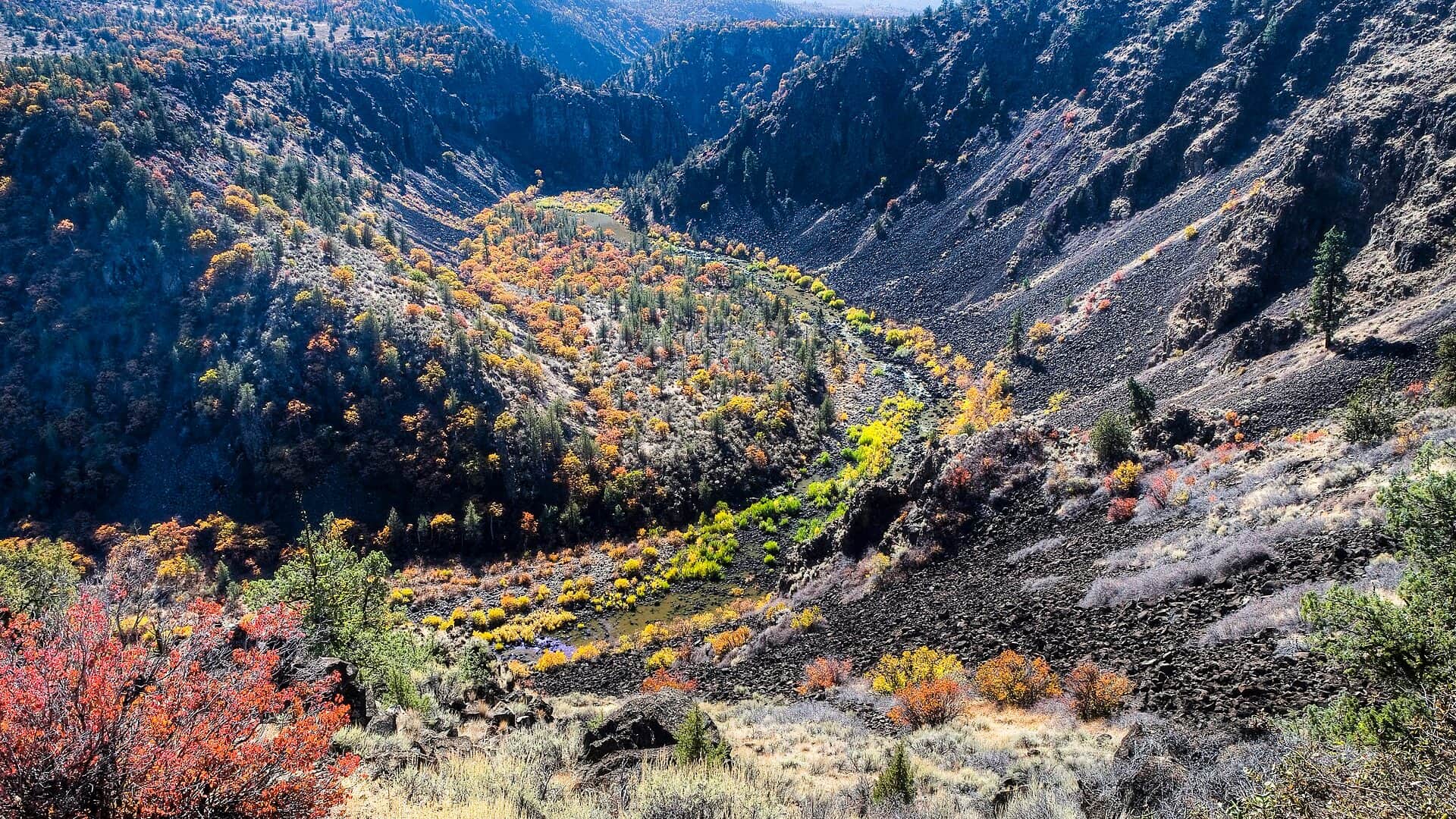
Is Fall River worth the trip today? Check flow, weather, hatches, access, and rules for California before you go.
Fall River is valuable because of cold, clear spring water and technical trout fishing, but public access is limited. Confirm legal access, boat logistics, and CDFW rules before treating it like an easy roadside river.
USGS shows 1,310 cfs. The flow has been stable over about 6 hours. USGS marks this reading provisional and may revise it. USGS records for this date (1976-2026, 51 readings) show a typical middle range of 1,140 cfs to 1,420 cfs. Flow is within the typical range for this date, so weather, temperature, and access become the next checks.
Fall: Cooler weather and lower pressure can make technical dry-fly and nymph fishing attractive.
The current NWS air forecast is about 44F, and the next 24-hour high reaches about 56F. Slight Chance Light Rain.
No active NWS alert was returned for this forecast point.
Skip the trip when legal access is uncertain, when wind makes boat control or long leaders unrealistic, when weed growth closes the lanes you planned to fish, or when you would have to improvise across private land to reach the water.
There is no perfect live upper-river gauge here, so use proxy flow only as watershed context. Clear, stable water is normal. The real day-to-day decision is whether wind, weeds, and access let you fish the river efficiently.
Skip the trip when legal access is uncertain, when wind makes boat control or long leaders unrealistic, when weed growth closes the lanes you planned to fish, or when you would have to improvise across private land to reach the water.
Build the day around logistics, not just hatches: confirm launch or permission in the Fall River Mills area, decide whether you are fishing from a boat or one known access point, then match flies to the slowest clean lane you can control well.
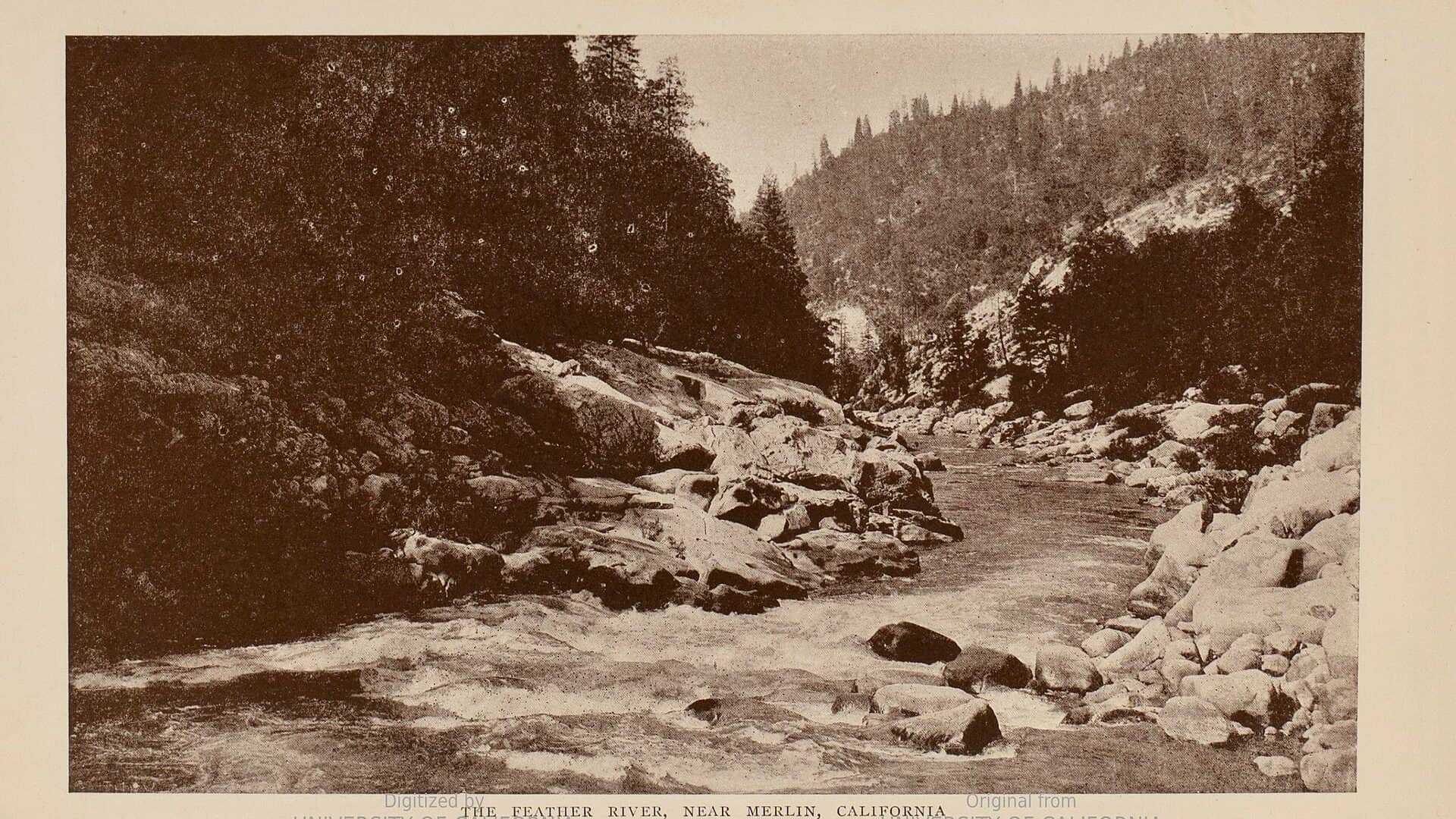
If wind, weeds, or access make Fall River a poor fit, pivot to Hat Creek for a more walkable technical-trout day or to the Feather if you want a larger California river with broader public access.
Use these places as starting points. Open the access link below and check posted signs before you park or enter.
Verify CDFW's current Fall River Complex rules before fishing. Current source review flagged artificial-lure, barbless-hook, and zero-trout harvest context, but the official CDFW rule source should be checked again before any trip.
The primary service and planning base for legal access, launches, and local conditions.
Often mentioned in public-access discussions, but confirm current access details before relying on it.
Primitive launch planning may be relevant for boat access, depending on current conditions and rules.
A boat-only park in the broader spring-water landscape. Check state park orders and restrictions.
Official agencies and primary river operators come first. Secondary tools are labeled so you know what carries the most weight.
Check what is allowed, where the rule applies, and whether the river is open.
Check the latest river reading and forecast before you leave.
Check public entry points, land rules, and seasonal access changes.
Use these links for stocking, safety, and other local details.
Check what is allowed, where the rule applies, and whether the river is open.
Open the current rules and check the river section, season, and special limits.
Check the latest river reading and forecast before you leave.
Open this page and check the latest safety advice before your trip.
Open this river reading to check the latest level, flow, and update time.
Open this river reading to check the latest level, flow, and update time.
Check public entry points, land rules, and seasonal access changes.
Open the land or access page, then check signs before you park or enter.
Use these links for stocking, safety, and other local details.
Open this page for more river information and check when it was last updated.
Open this page for more river information and check when it was last updated.
What was checked: This report starts with official regulation, access, flow, weather, and public-river sources, then adds practical planning guidance for anglers.
Live measurements and forecasts keep their provider timestamps. Rules, access, and trip guidance use the source-review date shown here. BlueStreamFly planning advice is editorial interpretation, not an agency notice.
First-hand experience: BlueStreamFly does not claim a first-hand visit or local field test for this report unless a real contributor is explicitly named and linked.
No. Public bank access is limited, and many good plans involve a boat, legal launch, or permission-based access.
This page did not verify a precise live upper Fall River gauge. Use USGS 11355010 only as a nearby watershed proxy.
Bring PMDs, BWOs, tricos, midges, callibaetis, caddis, damsel nymphs, scuds, emergers, and small leeches.
Check CDFW's current Fall River Complex rules. This source review flagged zero-trout harvest context, but the official rule source controls.