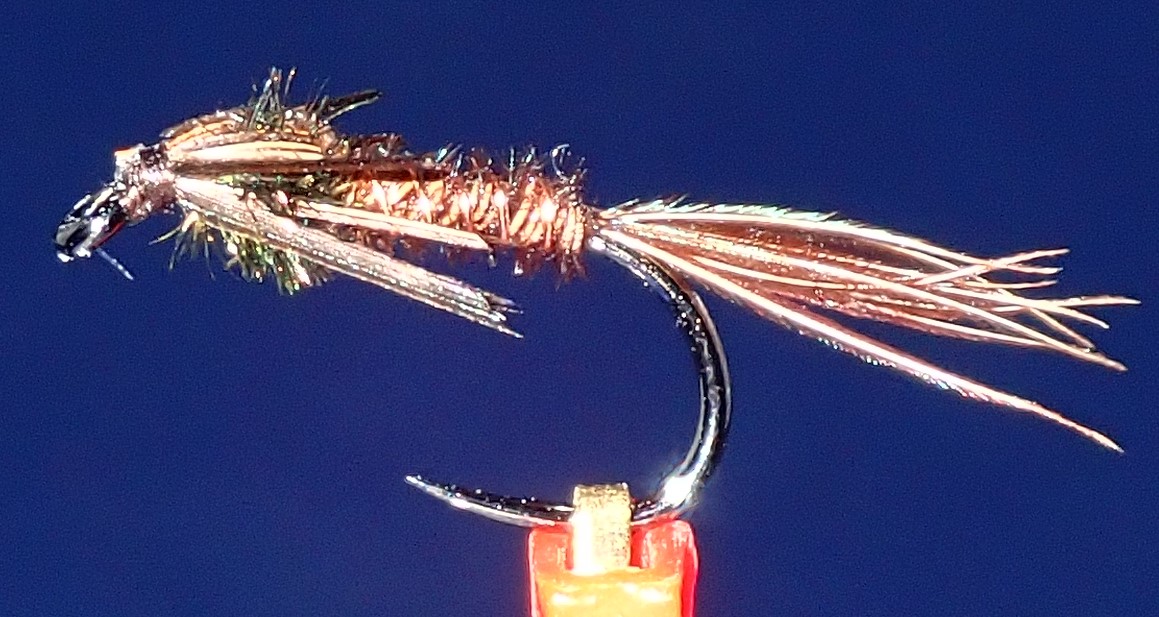
Clear technical trout water suited to short-line Euro nymphing setup decisions
All guides

Trip Planning · 11 min read

How to Build a Euro Nymphing Setup for Trout

A plain-language rigging guide for anglers who want tight contact, fewer tangles, and a better way to fish short current lanes.

Get the short answer
Published 2026-07-16Updated 2026-07-168 cited sources

The short answer

A good beginner Euro nymphing setup is a long, level leader with a colored sighter, a tippet ring, 3 to 6 feet of tippet, and one or two weighted nymphs matched to the depth and speed of the lane. Use it when you can stay close, keep most line off the water, and drift the flies with light contact. Check the BlueStreamFly fishability score, flow trend, water clarity, access, and local rig rules before you make it your plan for the day.

Remember these three things
01

Euro nymphing is a contact system, not a magic leader formula.

02

The setup works best in close, broken, moderate-depth current where you can control the drift.

03

Local rules can limit added weight, droppers, hook style, or fly-fishing-only methods, so check the exact water first.

01

Start with the water, not the leader

Euro nymphing works because it keeps a direct connection to weighted flies. That only helps when the water lets you stay close enough to lead the drift without dragging it.

Before tying the rig, check whether the river is actually a good fit. Use the BlueStreamFly score, the gauge trend, the weather, and the access notes to decide if close-range nymphing is safe and useful.

If the river is blown out, too warm, too crowded, or too deep to wade safely, a perfect sighter will not fix the day.

River signalGood Euro setup waterBetter plan
Flow and depthStable or gently falling flow with knee- to thigh-deep slots, riffles, and pocket edges.High, pushy, rising, or unclear water where you cannot stand safely near the lane.
Water clarityClear to lightly stained water where trout can find a small weighted fly.Heavy mud, debris, or visibility so poor that a safer backup river makes more sense.
AccessBank or wading positions that let you fish short drifts without stepping through holding water.Steep banks, private edges, no legal access, or no safe exit if the flow changes.
WeatherLight wind and no nearby lightning, so the sighter is readable and the rod is not a hazard.Gusts, storms, or lightning risk that should move you to shelter or a different plan.

The best Euro nymphing setup starts with water you can fish at short range without forcing the approach.

02

Build one simple sighter leader

Do not start with five formulas. Start with one rig you can understand, inspect, and rebuild at the truck.

A beginner-friendly setup uses a long leader, a visible sighter, a small tippet ring, and a replaceable tippet section. The exact diameters can vary, but the job of each part stays the same.

The butt section gives turnover, the sighter shows speed and pauses, the tippet ring makes repairs easy, and the tippet gets the flies down without pulling them sideways.

PartSimple roleBeginner check
Butt section or tapered leader baseCarries the rig and keeps fly line away from the drift.Long enough to keep bright fly line off the water, but not so long that you cannot cast it.
Colored sighterShows depth changes, ticks, pauses, and subtle takes.Use high-contrast material you can see against shade, glare, and broken water.
Tippet ringConnects the sighter to replaceable tippet.Small, clean, and easy to retie when the lower section gets short.
TippetLets weighted flies sink and drift below the sighter.Start around 3 to 6 feet, then adjust for depth and speed instead of guessing.
Weighted fly or fliesProvides depth and contact without a bulky indicator.Start with one fly until you can cast, lead, and detect bottom without tangles.

This is a role-based rig checklist, not a rule that every river needs the same formula.

03

Choose one fly before adding a dropper

Two flies can cover depth and size, but they also add tangles, rule questions, and more ways to foul the drift. A single weighted nymph is often the cleanest first setup.

Add a dropper only when the first fly is drifting cleanly and the water is legal for multiple flies. Keep the spacing simple and make one change at a time.

The point fly usually controls depth. The upper fly can test size, color, or food type, but it should not turn the rig into a knot pile.

SituationFirst rigWhen to add a second fly
Fast pocket or short riffleOne tungsten nymph heavy enough to tick bottom now and then.Add a lighter upper fly only after you can lead the point fly without hanging every drift.
Smooth technical seamOne slim nymph on finer tippet with a quiet entry.Add a tiny dropper only when refusals suggest size or profile is the issue.
Mixed depth runOne medium point fly and adjust angle before changing weight.Add a second fly if depth changes every few feet and rules allow it.
Low clear waterOne small, lightly weighted nymph and a careful approach.Usually wait. Extra flies can spook fish, drag, or prolong fights.

Most beginner Euro nymphing problems get better by simplifying the rig before adding more flies.

04

Cast less and lead the drift

A Euro nymphing cast is more of a smooth lob or tension cast than a normal false-casting rhythm. Heavy flies, long leaders, and split-second contact do not reward big aerial loops.

Keep the cast short. Land the flies upstream of the lane, raise the rod enough to keep slack off the water, and move the rod tip at the speed of the current.

The sighter should not rip downstream. It should track the lane while the flies drift near bottom. If it stalls hard, you may be snagged. If it races, the rig is probably too light, too shallow, or dragging.

SignalLikely problemFix
Sighter races aheadToo much tension, too light a fly, or the rod tip is leading too fast.Slow the lead, add depth, or choose a slightly heavier point fly.
Sighter stops every driftToo much weight, too much depth, or the flies are below the lane.Lighten the fly, shorten tippet, or change angle before casting again.
No contact at allSlack is on the water or the flies are not reaching depth.Lift line off the current, cast shorter, or add controlled weight.
Fish eat but come offToo much slack before the set or too hard a hook set on fine tippet.Keep light contact and use a short lift instead of a sweep.

The sighter is a drift instrument. Read speed, depth, and hesitation before changing flies.

05

Match the setup to the BlueStreamFly plan

The rig is only one part of the decision. BlueStreamFly reports help you decide where Euro nymphing fits the current river, not just how to tie the leader.

On a technical tailwater, the setup may help you fish narrow slots, small flies, and pressured water. On a freestone during runoff, it may be the wrong tool until flows and clarity settle.

Build a short checklist before you drive: one legal access point, one safer exit, one simple rig, one backup method, and one reason to stop if the conditions change.

  • Use the streamflow guide when the gauge trend decides whether short-line wading is realistic.
  • Use the tippet guide when clear water, fly size, or fish size forces a lighter or stronger lower section.
  • Use the low-clear-water guide when approach matters more than rig complexity.
  • Use the water-temperature guide when warm summer trout water should override the nymphing plan.
  • Use the backup-water guide when the first river is too high, dirty, unsafe, or crowded.
BlueStreamFly readEuro nymphing decisionBackup
Good score, stable gauge, cool waterTry the simple sighter rig in close seams and pocket edges.Carry dry-dropper or indicator supplies if fish move shallower.
Fair score, falling but still highFish only bank-accessible edges you can reach safely.Pick a smaller tributary, tailwater, or lake option if wading is forced.
Low score, warm waterSkip trout or stop early. A sensitive rig does not solve fish stress.Choose colder legal water or a warmwater species.
Low score, rising or muddy waterDo not force a contact rig in unsafe or unreadable water.Use the backup-water plan before driving farther.

The strongest setup is the one that fits today's score, trend, access, and conservation margin.

Next step

Open the BlueStreamFly report for your river, confirm the flow and access make close-range wading realistic, then rig one simple sighter leader before adding a second fly or extra weight.

Find a river

Questions answered

Keep the plan simple.

What is the simplest Euro nymphing setup?+

Start with one long leader, a visible sighter, a tippet ring, 3 to 6 feet of tippet, and one weighted nymph. Add a second fly only after the single-fly rig drifts cleanly and local rules allow it.

Do I need a special Euro nymphing rod?+

A longer, lighter nymphing rod helps with reach and sighter control, but you can learn the basic drift on a normal trout rod if you keep casts short and the rig simple.

How long should the tippet be on a Euro nymph rig?+

Many beginner rigs use about 3 to 6 feet of tippet below the sighter, then adjust for depth and speed. Faster or deeper lanes may need more depth; shallow pocket water may need less.

Should I use one fly or two flies?+

Use one fly first. Two flies can help once you control depth and drift, but they add tangles and may be illegal on some waters.

When is Euro nymphing the wrong setup?+

It is the wrong setup when you cannot wade or stand safely near the lane, when water is too warm or muddy, when storms make the rod unsafe, or when local rules do not allow the rig you want to fish.

How does BlueStreamFly help with Euro nymphing?+

BlueStreamFly helps you decide if the river is worth a tight-line plan before you rig. Use the fishability score, gauge trend, weather, access notes, and related guides to choose the water and the safer backup.

References

Sources used.

These references support the decisions and thresholds explained in this guide.

Orvis Fly Fishing Learning CenterIntroduction to Euro NymphingOrvis Fly Fishing Learning CenterHow to Tie a Euro Nymphing LeaderOrvis Fly Fishing Learning CenterHow to Add Droppers to a Euro Nymphing LeaderOrvis Fly Fishing Learning CenterHow to Cast a Euro Nymphing RigTroutbittenThe Mono RigU.S. Geological SurveyWater Data for the NationOregon Department of Fish and WildlifeOregon fishing and hunting regulations and updatesMontana Fish, Wildlife & ParksFishing Regulations