RiverReports chart
Recent flow
RiverReports gauge
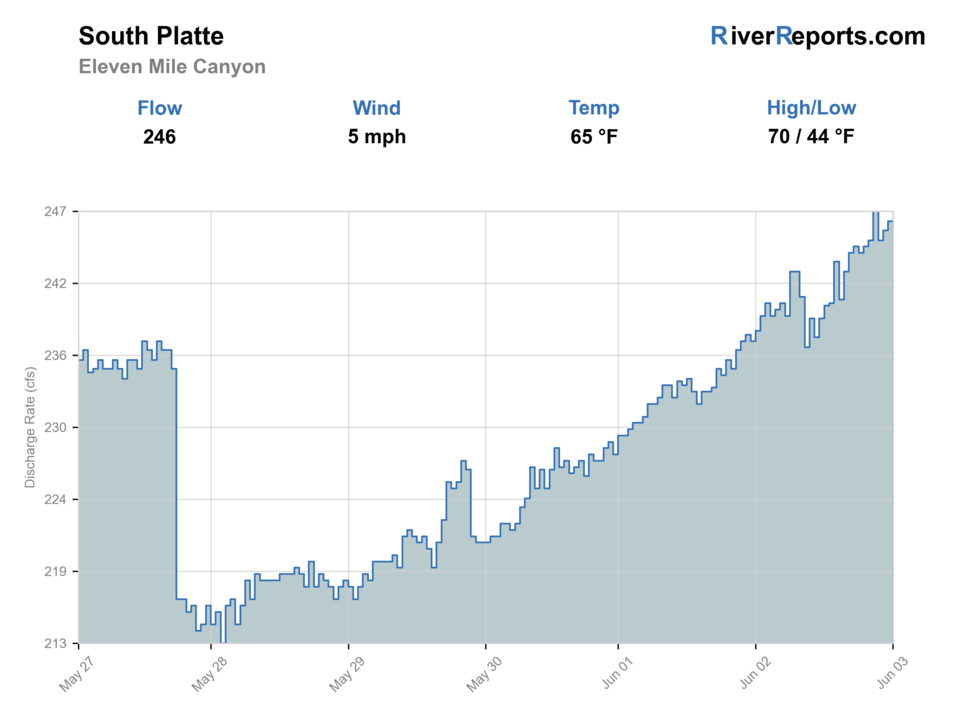
BlueStreamFly cannot read the latest value from this image. Check the chart on RiverReports Opens in a new tab.
If you go: Wading. Wading is in play only where your chosen access has clear footing, legal entry, and no forced crossings.
Check first: No structured live flow
Rating updatedRiver local time:
Wade: Wading is in play only where your chosen access has clear footing, legal entry, and no forced crossings.
NWS air forecast near
This is an air forecast, not a river-temperature reading. Check the water with a stream thermometer before fishing in hot weather.
RiverReports gauge
BlueStreamFly cannot read the latest value from this image. Check the chart on RiverReports Opens in a new tab.
Chance Rain Showers
The National Weather Service forecast is temporarily unavailable.
RiverReports gauge: South Platte River at Eleven Mile Canyon
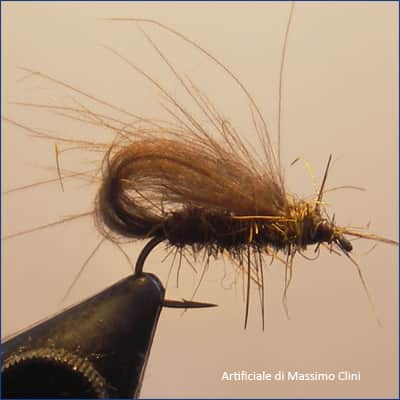
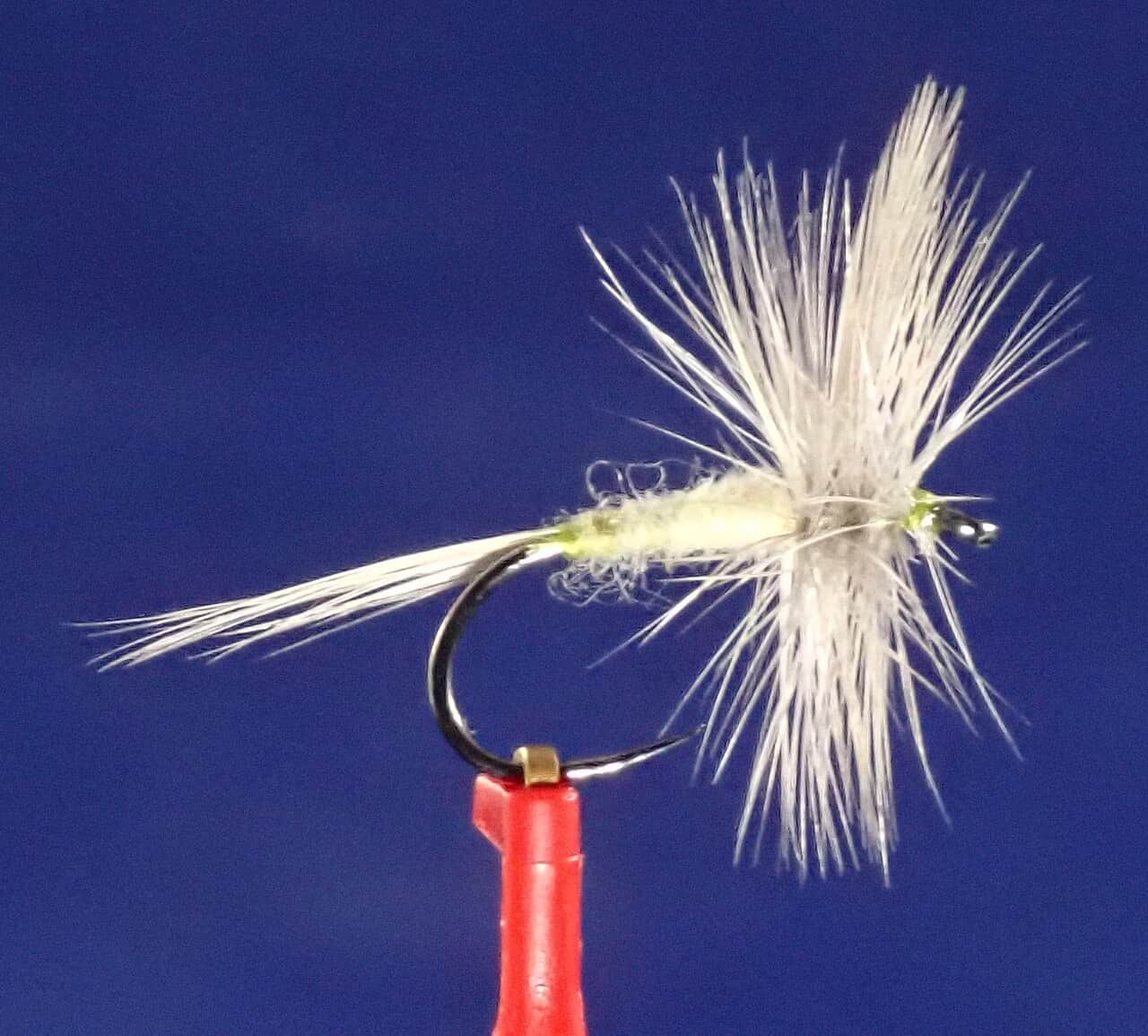
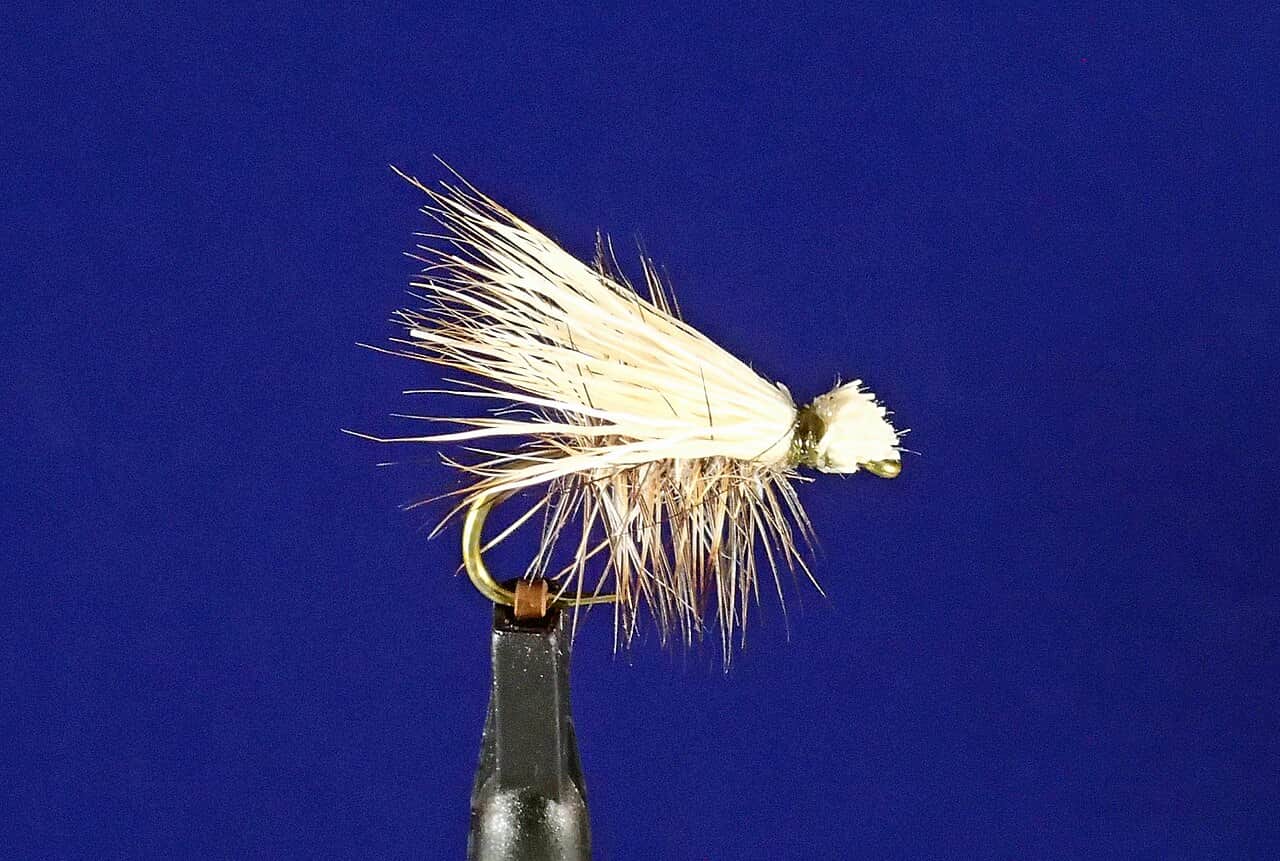
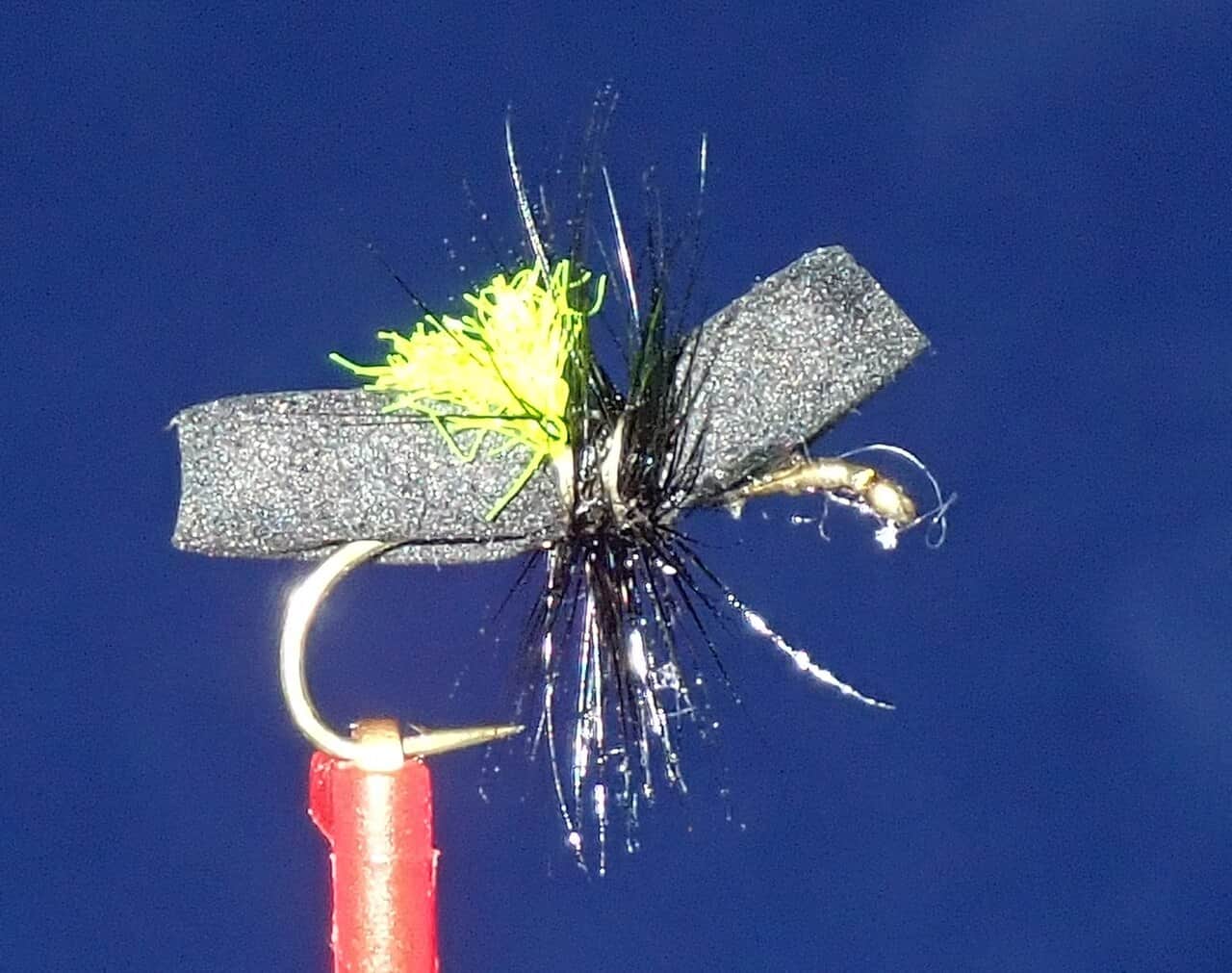
Seasonal starting points, not a live hatch report. Match what you see on the water.
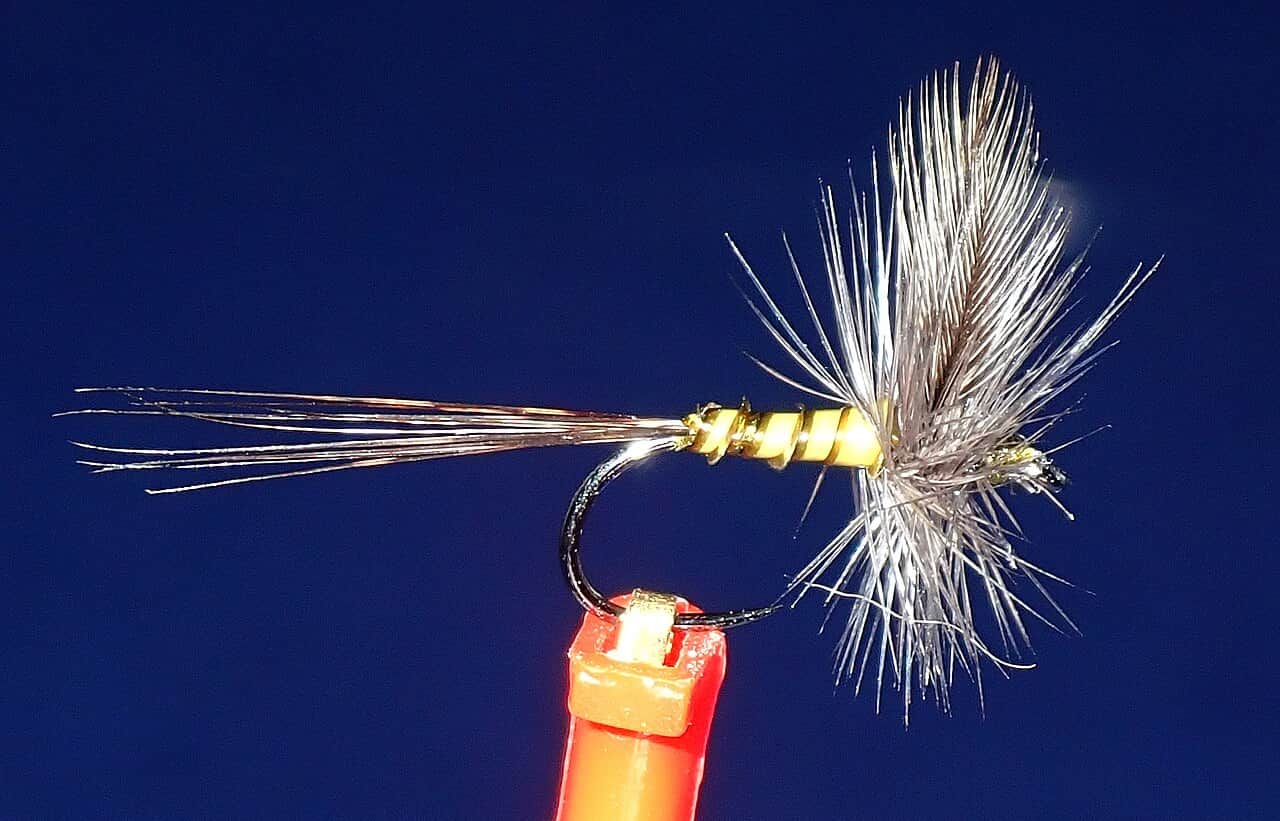
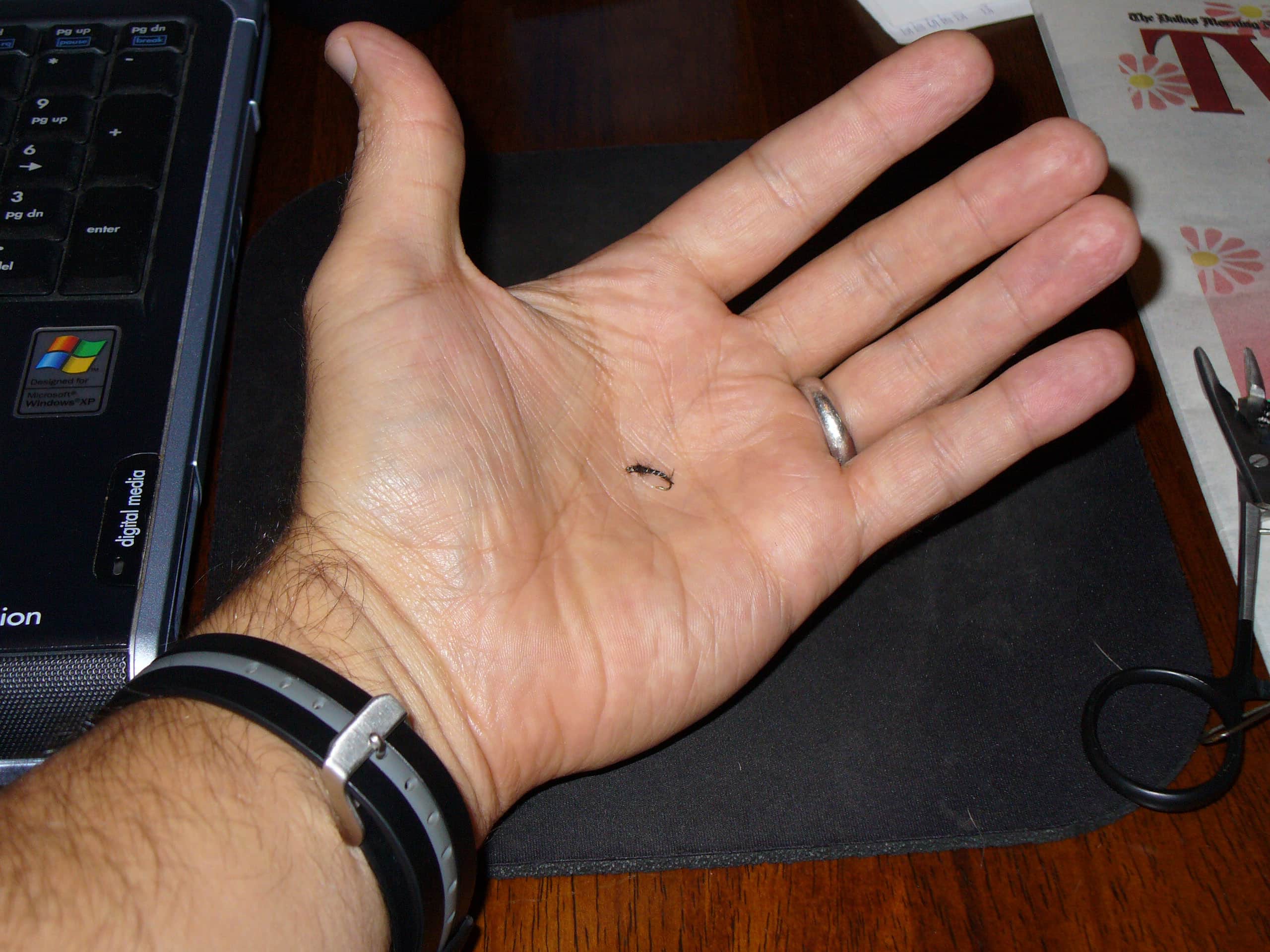
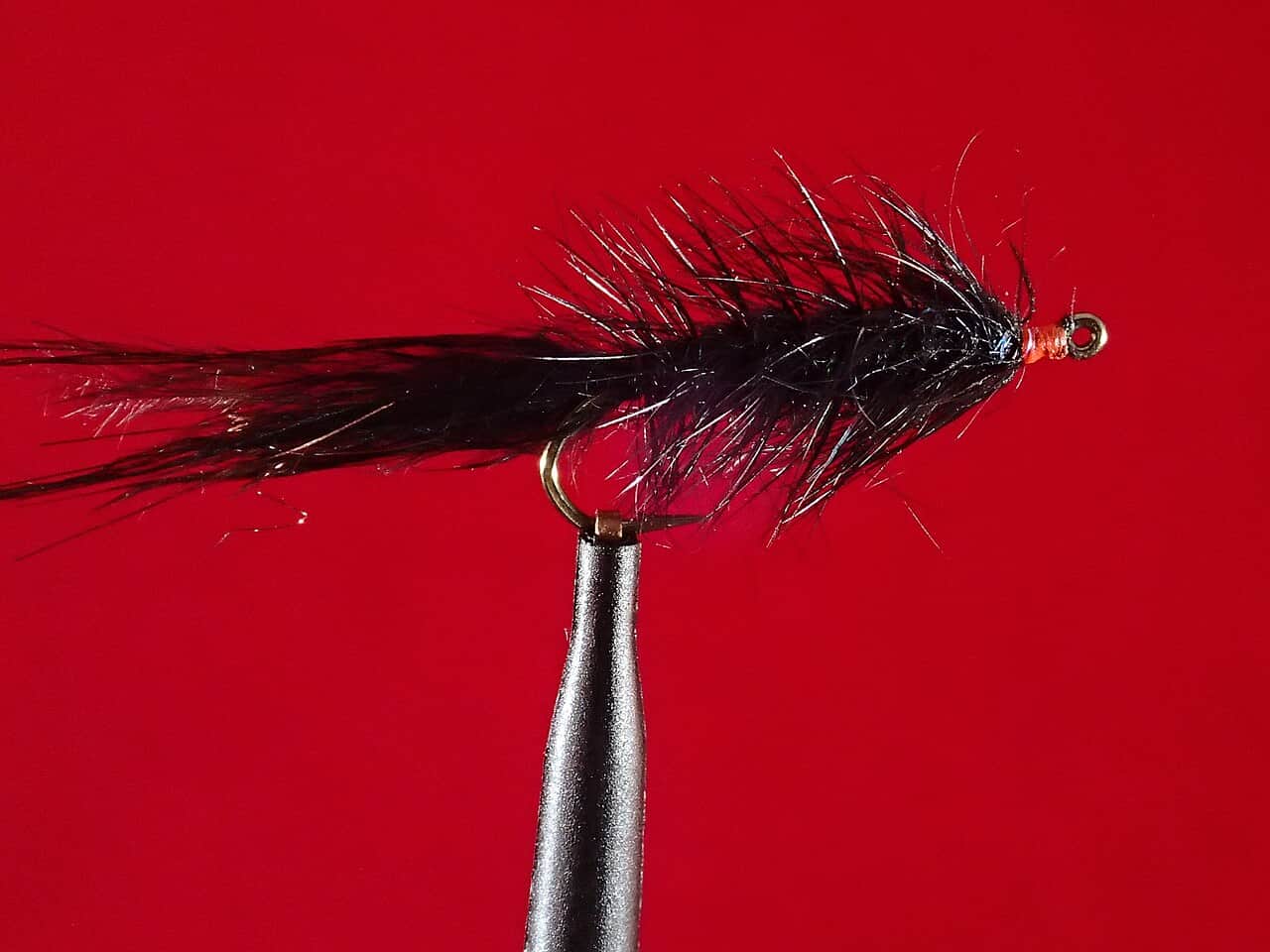
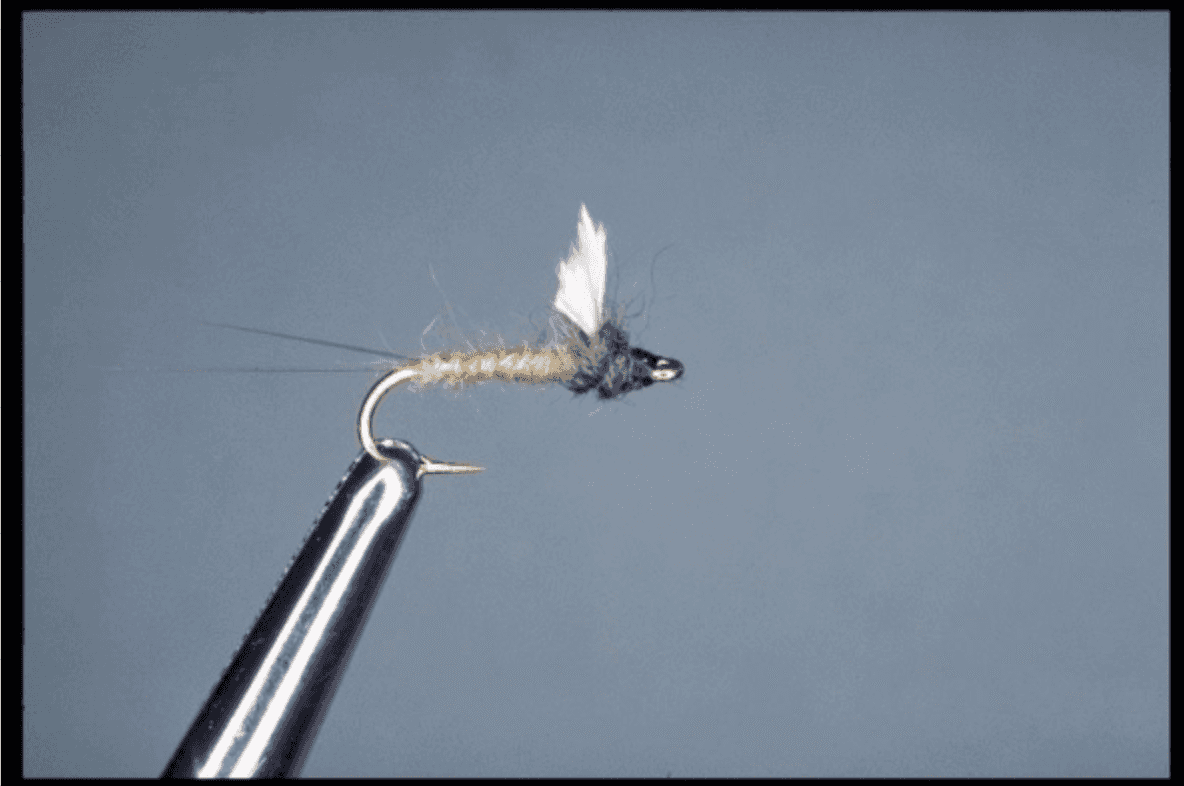
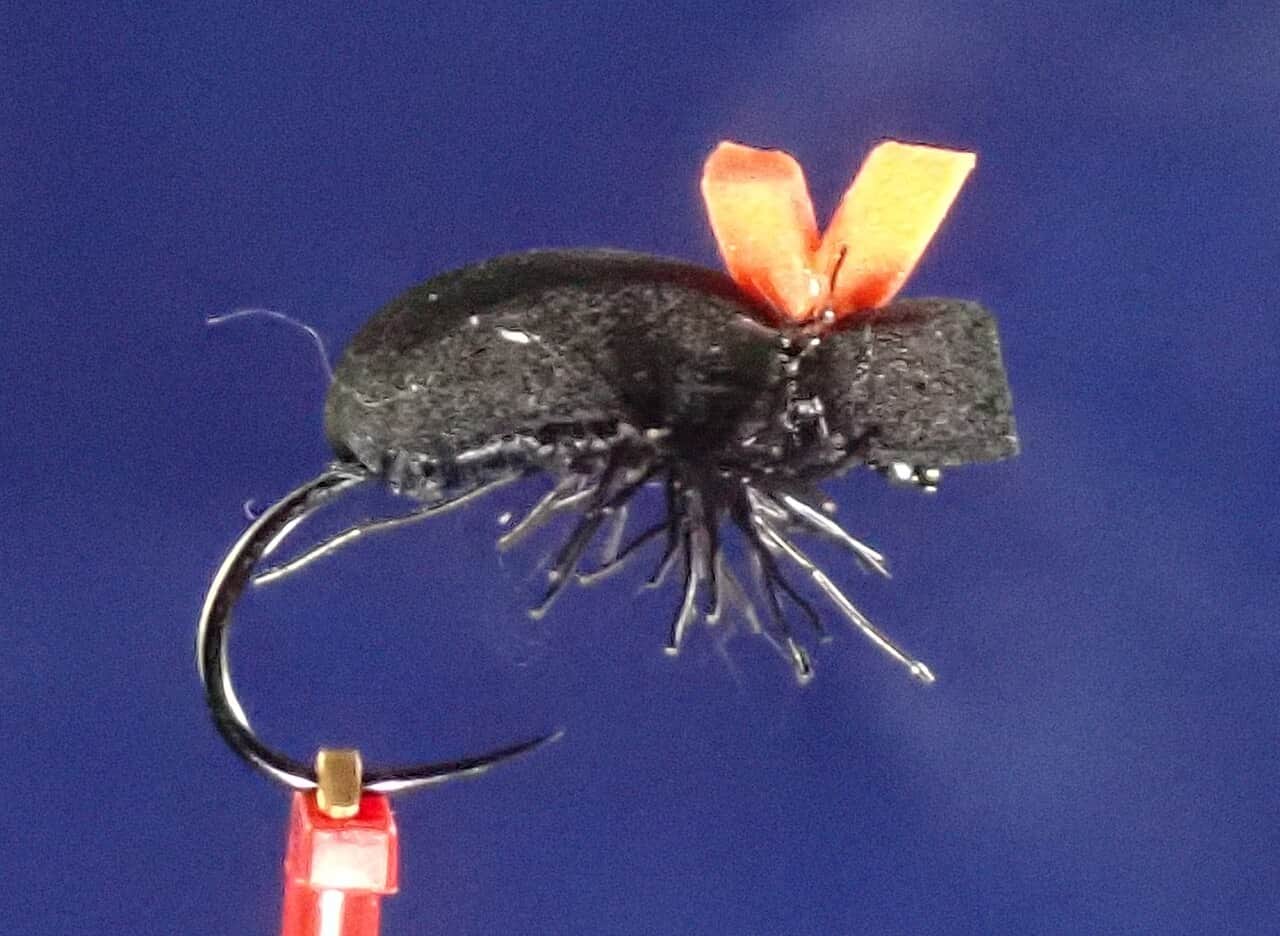
Also try black beauty, top secret midge
Also try juju baetis, mercury midge
Also try trico spinner
Also try October caddis
Each fly name opens its matching Fly Box guide.
Eleven Mile fishes best when releases are stable and the canyon road and weather are manageable. Slow down, fish small flies well, and respect the tight access area.
Use fine tippet, small flies, and long leaders. Approach pools carefully.
Nymph riffles, pockets, and seams. Watch for short dry windows.
Add weight, fish soft edges, and avoid crossing where the canyon current is pushy.
Midges can fish, but ice, narrow roads, and cold canyon shade raise the safety bar.
These scores compare the risks of wading, bank fishing, and floating.
Wading is in play only where your chosen access has clear footing, legal entry, and no forced crossings.
This report does not recommend bank fishing on this reach.
This report does not recommend floating this reach.
Is South Platte River 11-Mile Canyon worth the trip today? Check flow, weather, hatches, access, and rules for Colorado before you go.
Eleven Mile Canyon is a distinct South Platte plan below Eleven Mile Reservoir. The river is accessible, productive, and heavily used, so current flow, rules, and etiquette matter.
Wade: Wading is in play only where your chosen access has clear footing, legal entry, and no forced crossings.
RiverReports is linked for the flow chart, but this page does not have a structured live flow value the score can read automatically. Treat the rating as conservative and open the chart before committing.
Fall: BWOs, midges, and small streamers can make strong canyon fishing.
The current NWS air forecast is about 56F, and the next 24-hour high reaches about 59F. Chance Rain Showers.
No active NWS alert was returned for this forecast point.
Use the RiverReports Eleven Mile chart and Colorado DWR Lake George station together. Stable releases are the most useful signal for small flies and sight fishing. Sharp release changes or pushy water should keep you on edges or send you to another South Platte option.
Skip the canyon when fee-area access, parking, or current rules are unclear, when flows make safe wading unrealistic, when ice or storms make the canyon hazardous, or when crowding would force you into poor etiquette or unsafe water.
Choose the canyon plan before tying on flies: lower pullouts for quick technical checks, quieter mid-canyon water when parking allows, or a pivot to nearby South Park water if flows, weather, or people stack against the day.
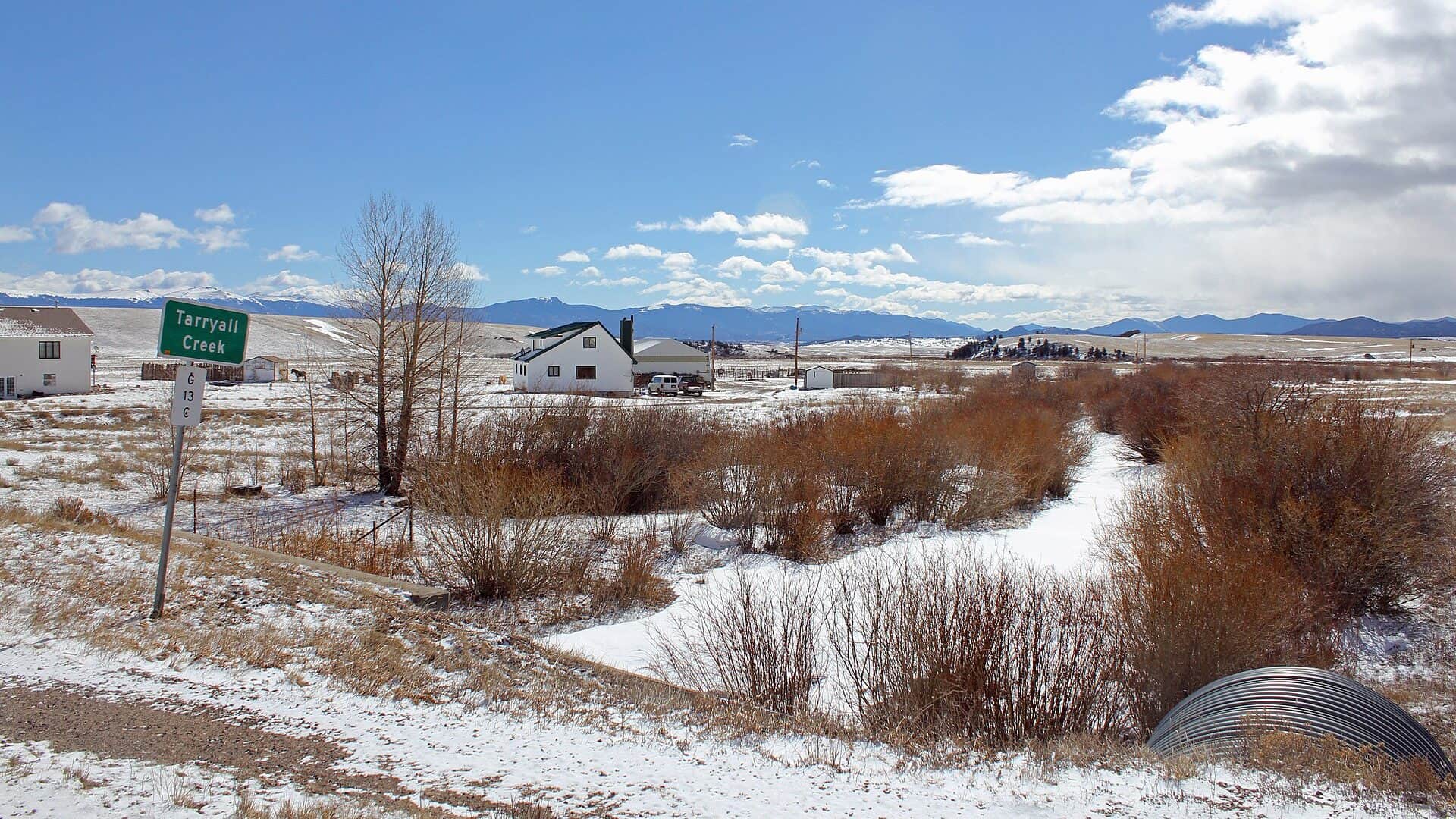
If Eleven Mile Canyon is too crowded, icy, or release-sensitive, compare the broader South Platte River, Middle Fork of the South Platte, or Tarryall Creek after checking current flow, access, and rule details.
Use these places as starting points. Open the access link below and check posted signs before you park or enter.
Check current Colorado special fishing rules for the reach from Eleven Mile Dam through the canyon. CPW lists artificial flies and lures only with all trout returned immediately for key canyon water.
USFS fee-area access via County Road 96 with narrow canyon driving and designated use rules.
Important rule-boundary and access context for the below-dam tailwater.
Common named canyon access areas where parking, pressure, and posted rules matter.
Official agencies and primary river operators come first. Secondary tools are labeled so you know what carries the most weight.
Check what is allowed, where the rule applies, and whether the river is open.
Check the latest river reading and forecast before you leave.
Check public entry points, land rules, and seasonal access changes.
Use these links for stocking, safety, and other local details.
Check what is allowed, where the rule applies, and whether the river is open.
Open the current rules and check the river section, season, and special limits.
Check the latest river reading and forecast before you leave.
Open this river reading to check the latest level, flow, and update time.
Open this page and check the latest safety advice before your trip.
Open this river reading to check the latest level, flow, and update time.
Check public entry points, land rules, and seasonal access changes.
Open the land or access page, then check signs before you park or enter.
Use these links for stocking, safety, and other local details.
Open this page for more river information and check when it was last updated.
What was checked: This Eleven Mile Canyon South Platte report is maintained from RiverReports and Colorado DWR flow data, USFS access information, Colorado regulation sources, CPW river context, weather checks, and technical-tailwater planning guidance.
Live measurements and forecasts keep their provider timestamps. Rules, access, and trip guidance use the source-review date shown here. BlueStreamFly planning advice is editorial interpretation, not an agency notice.
First-hand experience: BlueStreamFly does not claim a first-hand visit or local field test for this report unless a real contributor is explicitly named and linked.
No. It is a separate South Platte tailwater below Eleven Mile Reservoir near Lake George.
Use RiverReports and the Colorado DWR PLAGEOCO station for canyon release context.
USFS lists a vehicle day-use fee for Eleven Mile Canyon. Check current fee and pass details before entering.
Bring midges, RS2s, BWOs, PMDs, tricos, caddis, small terrestrials, and small streamers.