Live flow is not available
No verified live public gauge or CFS graph is used because this is a tidal fishery. Check NOAA Dahlgren tide and water-level data, marine weather, wind, and restricted-water notices before fishing.
We could not confirm a live gauge for this river. Check the weather, recent rain, local reports, and the water before you fish.
Check first: Live information is incomplete. Treat this score as a planning estimate.
Rating updatedRiver local time:
No verified live public gauge is attached, so the page cannot make a strong real-time call.
NWS air forecast near
This is an air forecast, not a river-temperature reading.
No verified live public gauge or CFS graph is used because this is a tidal fishery. Check NOAA Dahlgren tide and water-level data, marine weather, wind, and restricted-water notices before fishing.
Sunny
The National Weather Service forecast is temporarily unavailable.
Official flow source: Virginia tidal Potomac tide and wind
No verified live public gauge or CFS graph is used because this is a tidal fishery. Check NOAA Dahlgren tide and water-level data, marine weather, wind, and restricted-water notices before fishing.
Seasonal starting points, not a live hatch report. Match what you see on the water.
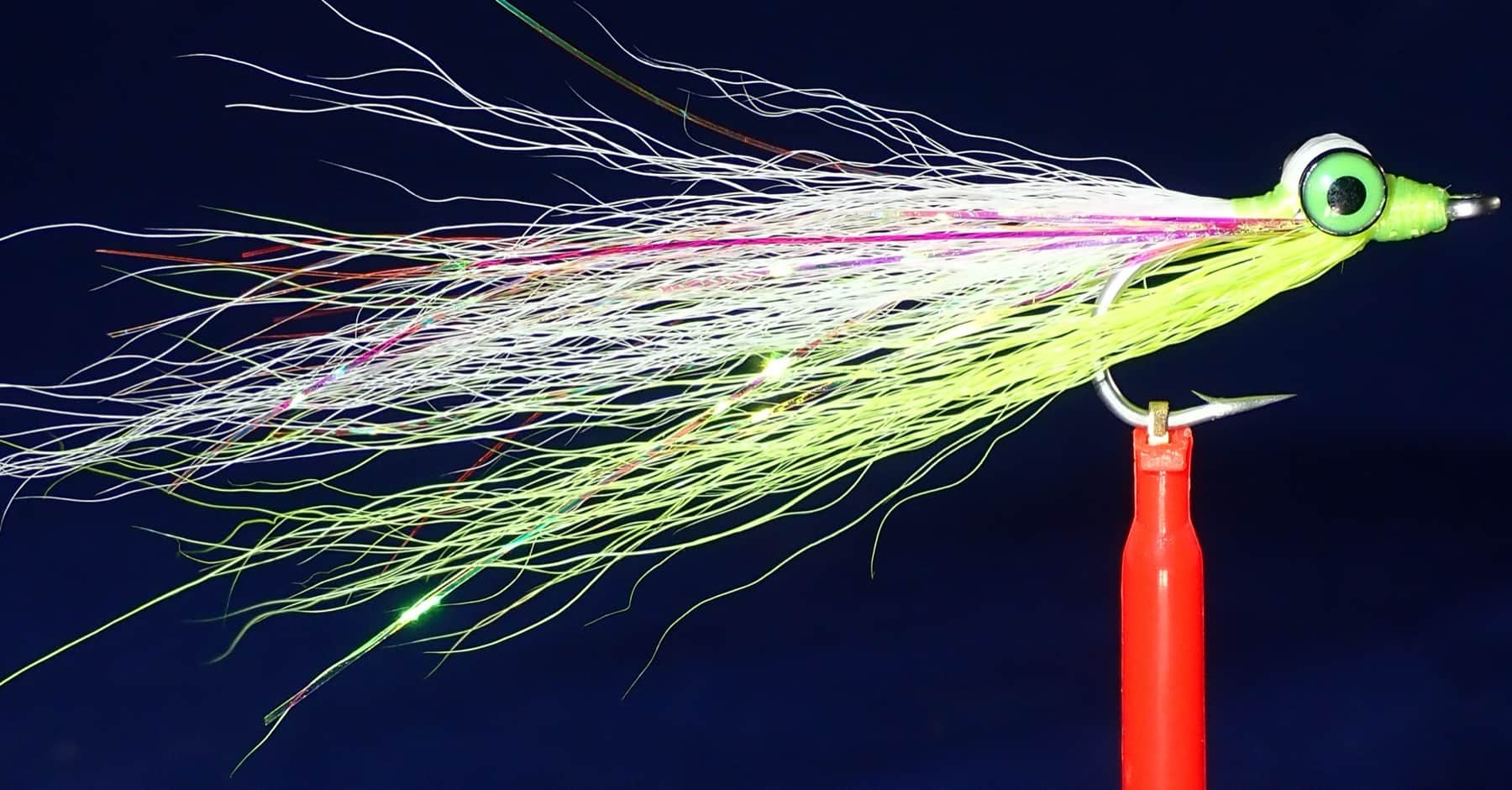
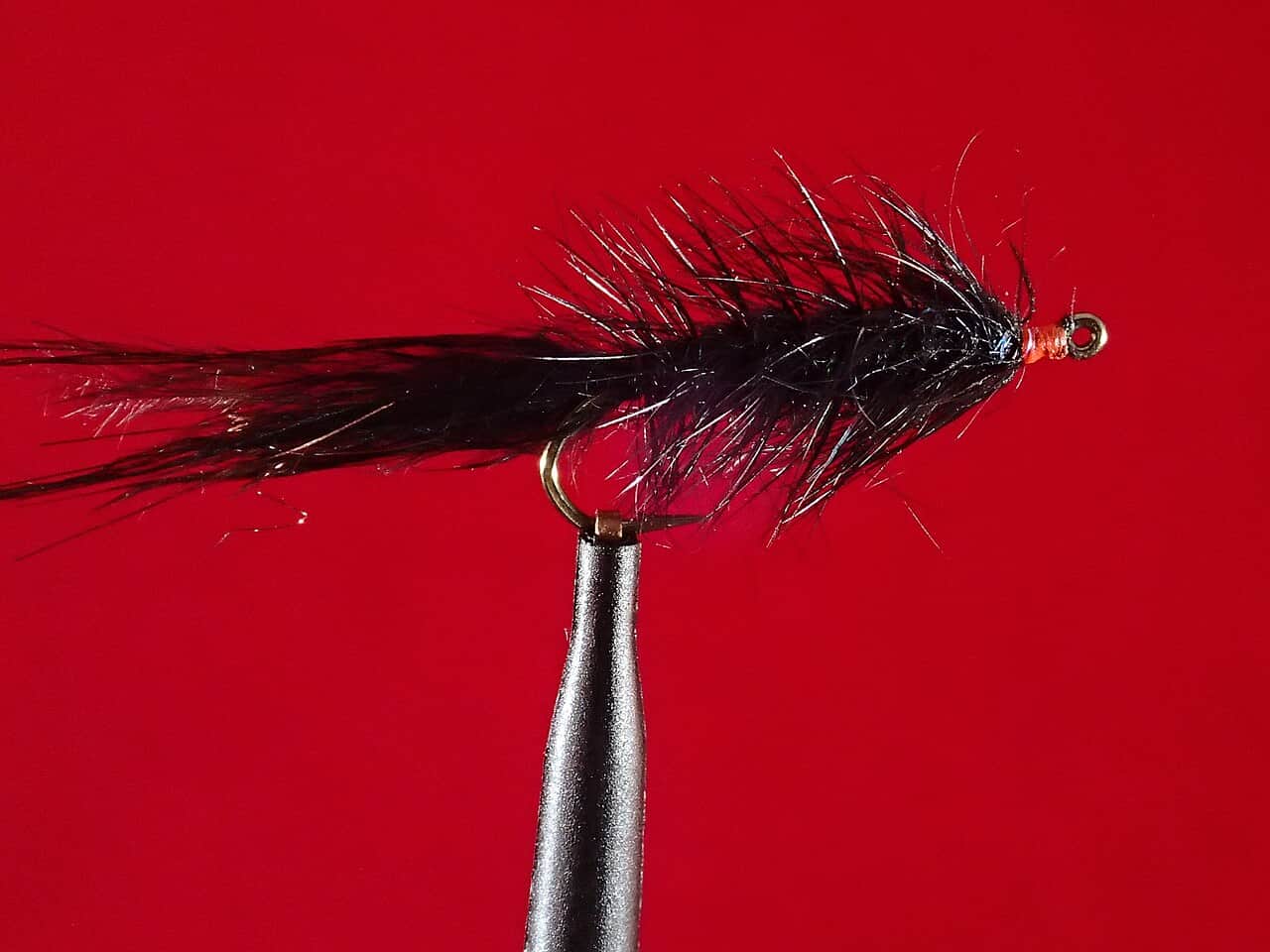
Also try sliders, shrimp or minnow pattern
Each fly name opens its matching Fly Box guide.
The best tidal Potomac fly day has moving water, manageable wind, legal access, and a clear target species. If wind stacks the tide or storms threaten open water, stay protected or pick a creek plan.
Fish flooded grass, spatterdock edges, docks, and creek banks.
Focus on drains, creek mouths, current seams, points, and bait leaving cover.
Expect rougher open water and choose protected creeks or banks.
Fish early, carry water, and avoid long exposed paddles during storms or high heat.
We could not confirm all current conditions. Check locally before choosing how to fish.
Current conditions at the exact access are not verified. No access method is recommended until they are checked.
Current conditions at the exact access are not verified. No access method is recommended until they are checked.
Current conditions at the exact access are not verified. No access method is recommended until they are checked.
Is Tidal Potomac River worth the trip today? Check flow, weather, hatches, access, and rules for Virginia before you go.
The Virginia tidal Potomac is a moving-water, tide, wind, and rule puzzle. Do not use upstream Little Falls flow logic for this page.
No verified live public gauge is attached, so the page cannot make a strong real-time call.
Fall: Baitfish, striped bass windows, and streamer fishing improve.
The current NWS air forecast is about 52F, and the next 24-hour high reaches about 66F. Sunny.
No active NWS alert was returned for this forecast point.
Skip or change the plan when wind stacks the tide, storms threaten open water, restricted or danger zones affect the route, rules are unclear across jurisdictions, heat is excessive, or fish-consumption guidance has not been checked for harvest plans.
No verified live public gauge or CFS graph is used for this tidal fishery. Use NOAA Dahlgren tide and water-level data, NDBC wind, marine weather, and the exact creek or main river exposure before deciding where to fish.
Skip or change the plan when wind stacks the tide, storms threaten open water, restricted or danger zones affect the route, rules are unclear across jurisdictions, heat is excessive, or fish-consumption guidance has not been checked for harvest plans.
Start with PRFC and Virginia DWR rule boundaries, then match the Dahlgren tide/wind read to one protected Virginia creek, bank, ramp, or kayak route with a safe retreat if weather changes.
If the tidal Potomac is windy, restricted, stormy, rule-complicated, or too exposed, compare the nontidal Potomac River or James River before forcing the same plan.
Use these places as starting points. Open the access link below and check posted signs before you park or enter.
Check PRFC, Virginia DWR, Maryland striped bass/tidal bass sources, and current local access rules before fishing the tidal Potomac.
Dogue, Pohick, Occoquan, and nearby creek plans are tide and access dependent.
Good fishing context but restricted areas and wind exposure matter.
Lower Virginia-side planning with NOAA tide and restricted-water awareness.
Official agencies and primary river operators come first. Secondary tools are labeled so you know what carries the most weight.
Check what is allowed, where the rule applies, and whether the river is open.
Check the latest river reading and forecast before you leave.
Check public entry points, land rules, and seasonal access changes.
Check what is allowed, where the rule applies, and whether the river is open.
Open the current rules and check the river section, season, and special limits.
Open the current fish eating advice and check which fish and waters it covers.
Open the current rules and check the river section, season, and special limits.
Open the current rules and check the river section, season, and special limits.
Check the latest river reading and forecast before you leave.
Open this page and check the latest safety advice before your trip.
Open this page and check the latest safety advice before your trip.
Open this river reading to check the latest level, flow, and update time.
Open this river reading to check the latest level, flow, and update time.
Open this page for more river information and check when it was last updated.
Check public entry points, land rules, and seasonal access changes.
Open the land or access page, then check signs before you park or enter.
What was checked: This report is maintained from current regulation, access, flow, weather, and public planning sources so anglers can make better trip decisions than a raw gauge or generic overview would allow.
Live measurements and forecasts keep their provider timestamps. Rules, access, and trip guidance use the source-review date shown here. BlueStreamFly planning advice is editorial interpretation, not an agency notice.
First-hand experience: BlueStreamFly does not claim a first-hand visit or local field test for this report unless a real contributor is explicitly named and linked.
Check PRFC/DWR rules, tide stage, wind, marine forecast, restricted zones, and consumption advisories.
Start with a protected Virginia creek or bank access and time it around moving tide.
Only in shallow protected areas with safe footing. Much of the fishery is better from a boat, kayak, or bank.
Bring the seasonal fly box, then adjust size, weight, and color to the water level, clarity, temperature, and pressure you find.