Virginia / Southeast
South Fork of Shenandoah River
A South Fork Shenandoah report for Luray, Page Valley, and Front Royal smallmouth floats, with flows, access, flies, and safety.
Image: Generated regional planning image for South Fork of Shenandoah River / BlueStreamFly generated; not exact location / BlueStreamFlyFishability now: South Fork of Shenandoah River fishability today
GreatData confidence: High96/100
Fishable now because Lynnwood gauge is falling, weather is usable, and no public alert is active.
Flow observed
4:45 PM UTC
Weather observed
5:00 PM UTC
Score calculated
5:27 PM UTC
Why this rating
Flow
Weather
Public alerts
Next 6-12 hours
Improving / hold
A falling gauge and usable weather should keep the next 6-12 hours in play unless tributaries stain or heat builds.
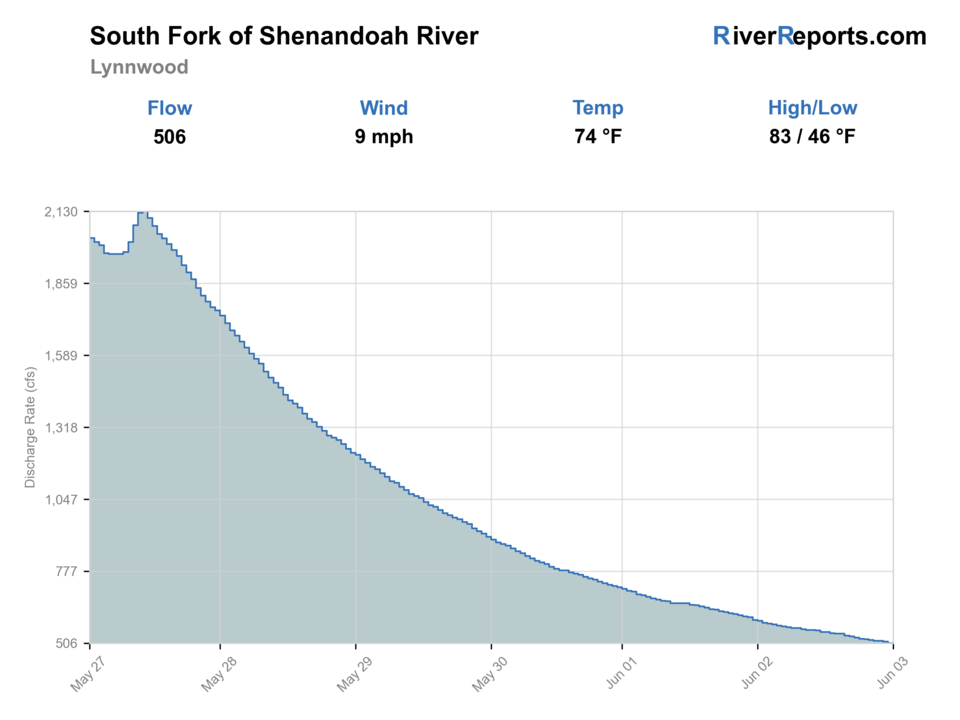
USGS flow
503 cfs
Current trend: flow falling, rating likely holding strong unless weather or clarity changes.
More planning details: flies, flow bands, and live source checks
Fish it today
Start here
Start with DWR access and the Luray-area flow, then choose a realistic Port Republic, Luray, Page Valley, Bentonville, or Front Royal float with a confirmed takeout and storm backup.
Best flow clue
Use RiverReports for the Lynnwood context and USGS 01629500 near Luray as the main official live trend. Stable, clear, moderate water is the best smallmouth window; high, rising, or very low water should change float length or postpone the trip.
Skip trigger
Skip or shorten the plan when thunderstorms are upstream, ledges are pushy, water is muddy, low water makes the float a drag, summer heat is excessive, or fish-health and consumption advisories have not been checked for harvest plans.
Flow decision bands
Stable Page Valley flow
Stable, clear, moderate Luray-area flow is the best smallmouth and float-planning signal.
Best float window
Confirmed DWR ramps, a realistic shuttle, safe ledges, manageable heat, and no upstream storms make the day strongest.
Low, high, or muddy
Very low water can drag floats; high, rising, or muddy water should shorten or postpone the plan.
Health and harvest checks
Fish-health information and consumption guidance should be checked before harvest or when warm, low water stresses the river.
USGS flow
503 cfs
Current trend: flow falling, rating likely holding strong unless weather or clarity changes.
Live USGS flow
503 cfs / falling about 24%
Live NWS forecast
77F / Sunny
Water temperature not verified
Heat guidance uses weather and river type unless an official water-temperature value is available.
No NWS alert flag
No active NWS alert was returned for this forecast point.
Use the Lynnwood/Luray flow context before picking a float length.
Fish riffles, ledges, bedrock seams, and shaded banks for smallmouth.
Carry topwater for low light and crayfish or streamers for deeper runs.
Check fish consumption advisories and DWR access before keeping fish.
Editorial review
How this report is maintained
This report is maintained from current regulation, access, flow, weather, and public planning sources so anglers can make better trip decisions than a raw gauge or generic overview would allow.
Byline
BlueStreamFly editorial team
Reviewed by
BlueStreamFly source review
Maintained by
Mountain Brook Run LLC
Last material review
2026-06-01
Report confidence
High confidence
90/100
High confidence: Virginia DWR regulation, waterbody, ramp, forecast, fish-consumption, and fish-health sources, RiverReports plus USGS Luray flow, weather coverage, generated-image disclosure, and route-specific float guidance support the page. Confidence is moderated by long-float logistics, low-water dragging, summer heat, and storm risk.
Regulations
Virginia DWR freshwater rules, fish-consumption guidance, and fish-health planning sources support the current legal and harvest-check framework.
Access
DWR South Fork Shenandoah waterbody and access-list pages support ramp and float planning.
Flow and weather
RiverReports coverage is supported by the Luray-area flow context, including USGS 01629500 near Luray, and the National Weather Service point supports live weather decisions.
Fishing usefulness
The page now separates smallmouth float length, ledge safety, ramp planning, fish-health checks, heat, storm risk, and backup-water choices.
Fishability dashboard and source review
2026-06-01 / material content or source review
Virginia DWR freshwater regulation, South Fork Shenandoah waterbody and access-list sources, non-tidal river forecast, fish-consumption and fish-health context, RiverReports, USGS Luray flow, National Weather Service data, and generated-image disclosure were checked before updating the current-fishability decision layer.
2026-06-01
Updated South Fork Shenandoah River to the current fishability-page standard with Luray flow bands, Page Valley float cards, backup cues, stable fishability SEO, and confidence signals.
2026-05-29
Added South Fork Shenandoah trip-fit guidance, Luray and Lynnwood flow framing, DWR ramp planning, float-length decisions, fish-health and harvest checks, backup-water suggestions, editorial review signals, and a page-specific confidence meter after source review.
2026-05-24
Initial source-reviewed report published with flows, weather, hatches, flies, tactics, access, regulations, and FAQs.
Angler planning edge
Local details that change the plan
Best for
Shenandoah Valley fly anglers planning South Fork smallmouth floats around Luray, Page Valley, Bentonville, and Front Royal, Topwater, crayfish, hellgrammite, and baitfish-streamer sessions when flow, clarity, heat, and shuttle length match, Warmwater anglers who need DWR ramps, fish-health information, and consumption advisory checks before harvest, Trips that can pivot to Mossy Creek, Rivanna River, or James River when the South Fork is high, hot, or too low for the planned float
Wade or float
Treat the South Fork as a float-first or selective-wade warmwater report. Wading can work around safe ledges and access points, but longer Page Valley plans need a shuttle, PFD, legal ramps, and flow matched to distance.
Best flows
Use RiverReports for the Lynnwood context and USGS 01629500 near Luray as the main official live trend. Stable, clear, moderate water is the best smallmouth window; high, rising, or very low water should change float length or postpone the trip.
When to skip
Skip or shorten the plan when thunderstorms are upstream, ledges are pushy, water is muddy, low water makes the float a drag, summer heat is excessive, or fish-health and consumption advisories have not been checked for harvest plans.
Local plan
Start with DWR access and the Luray-area flow, then choose a realistic Port Republic, Luray, Page Valley, Bentonville, or Front Royal float with a confirmed takeout and storm backup.
Pressure
Pressure follows summer weekends, tubing and paddling traffic, easy ramps, and strong topwater windows. Longer floats spread anglers out but raise the cost of bad flow or missed takeouts.
Access nuance
DWR ramps and access lists support planning, but private banks, long float spacing, low-water dragging, and fish-health notices still shape where and how to fish.
Backup water
If the South Fork is high, muddy, too hot, crowded, or too low for the planned float, compare Mossy Creek, Rivanna River, or James River before forcing the same shuttle.
About the river
Setting, character, and why it fishes the way it does.
The South Fork of the Shenandoah runs through the Shenandoah Valley from Port Republic toward Front Royal. It is known for smallmouth, sunfish, ledges, riffles, wooded bends, and scenic floats.
This is not a trout report in disguise. The useful fly plan centers on warmwater species, safe flows, legal ramps, temperature, and whether a float or wade makes sense.
The page adds value by translating DWR access and source material into a practical river day: what to fish, when to avoid it, and how to keep private banks and health advisories in mind.
Target species
Smallmouth bass
Primary fly target around ledges, riffle tails, shaded banks, and current seams.
Redbreast and bluegill
Reliable action on smaller poppers and nymph-like warmwater flies.
Muskie
Possible in deeper pools with heavy gear and low expectations.
Largemouth and channel catfish
More likely in slower pools, woody cover, and lower sections.
Reading the water
Low summer flow
Shorten floats, fish early, and expect wary bass in clear water.
Stable moderate flow
Target ledges, riffle tails, islands, and shaded banks with poppers and streamers.
High or stained
Avoid wading and postpone floats until the river is falling and safe.
Hot weather
Carry water, use sun protection, and fish lower-light feeding windows.
Best seasons
Spring
Rising smallmouth activity after high flows settle.
Summer
Topwater, wet-wading, and float season, with low-water planning important.
Fall
Cooling water and baitfish movement favor streamers.
Winter
Slow deep water only during mild, stable windows.
Preferred flow source
South Fork of Shenandoah River at Lynnwood
RiverReports is the preferred chart source when coverage exists. When a matching USGS gauge exists, keep it open as the official backstop for station data and current hydrograph context.

USGS data chart
Official USGS trend
Streamflow over the latest USGS reporting window.
Latest
503 cfs
Jun 3, 5 PM UTC
Weather
River weather report
Weather can change wading safety, road access, water temperature, hatches, and the best time of day to fish.
Live forecast loads as you reach this section
This keeps the report fast while still using the official National Weather Service forecast point.
Hatches and flies
Hatch chart and fly picks
March to May
Warming smallmouth water, caddis, minnows, crayfish, and bank insects
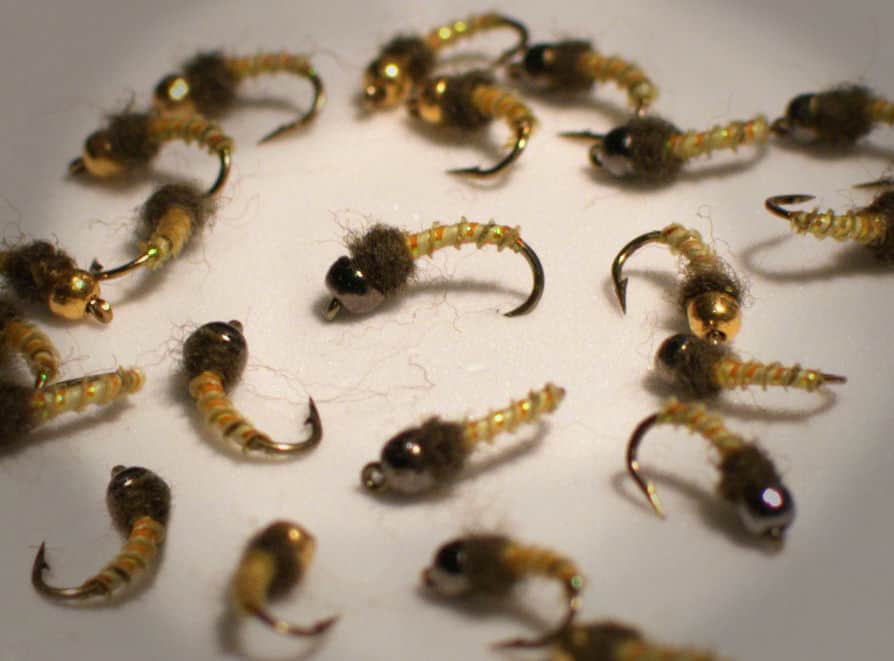
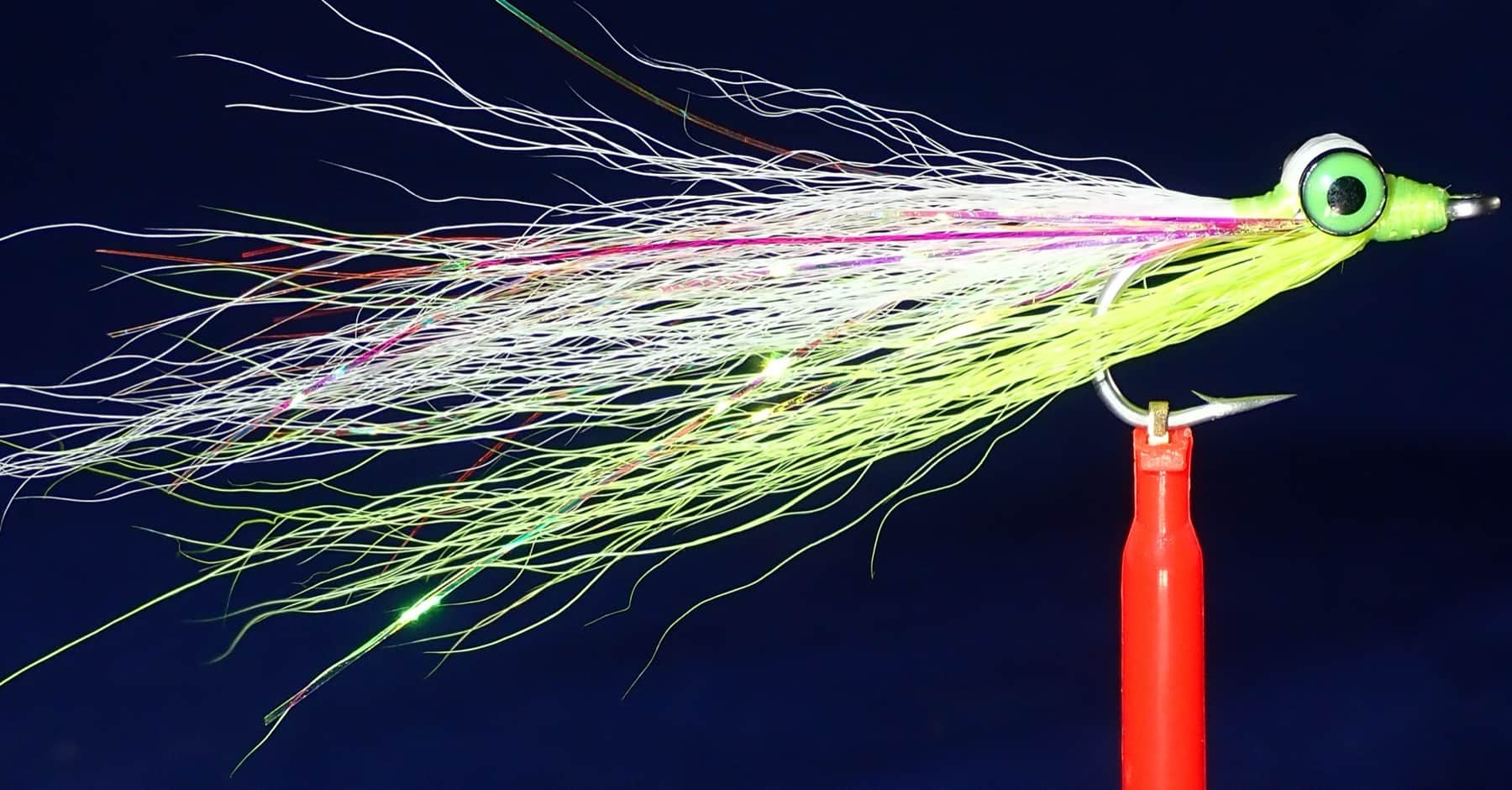
Clouser, crayfish, hellgrammite, swimming nymph, small popper
June to August
Low-light topwater, cicadas, hoppers, damselflies, and shade-line baitfish
Foam popper, slider, cicada, hopper, baitfish streamer, crayfish
September to November
Cooling water, shad or minnow movement, crayfish, and steady streamer fishing
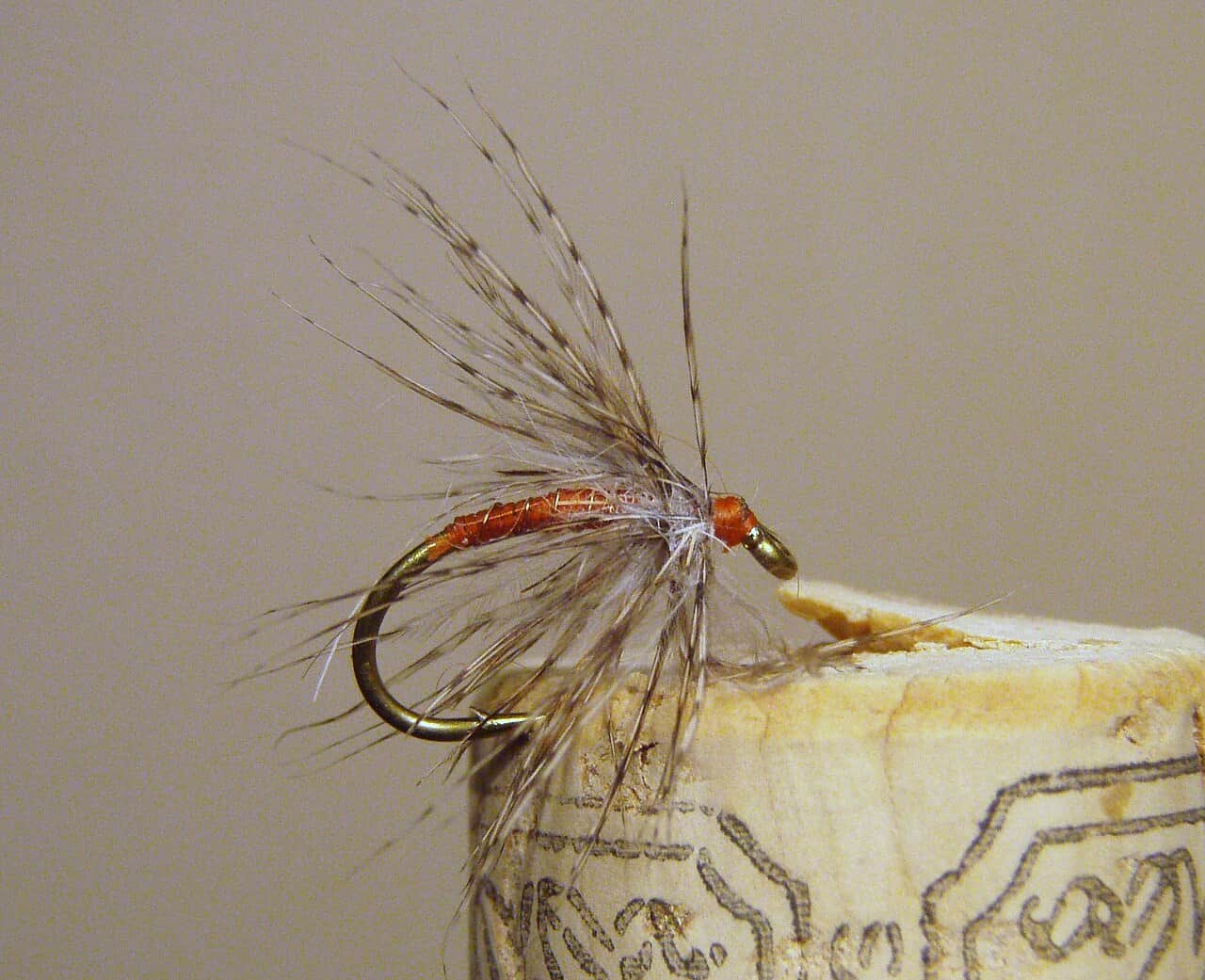
Baitfish streamer, crayfish, hellgrammite, olive bugger, soft hackle
December to February
Deep winter holding water, midges, small baitfish, and limited warmwater windows
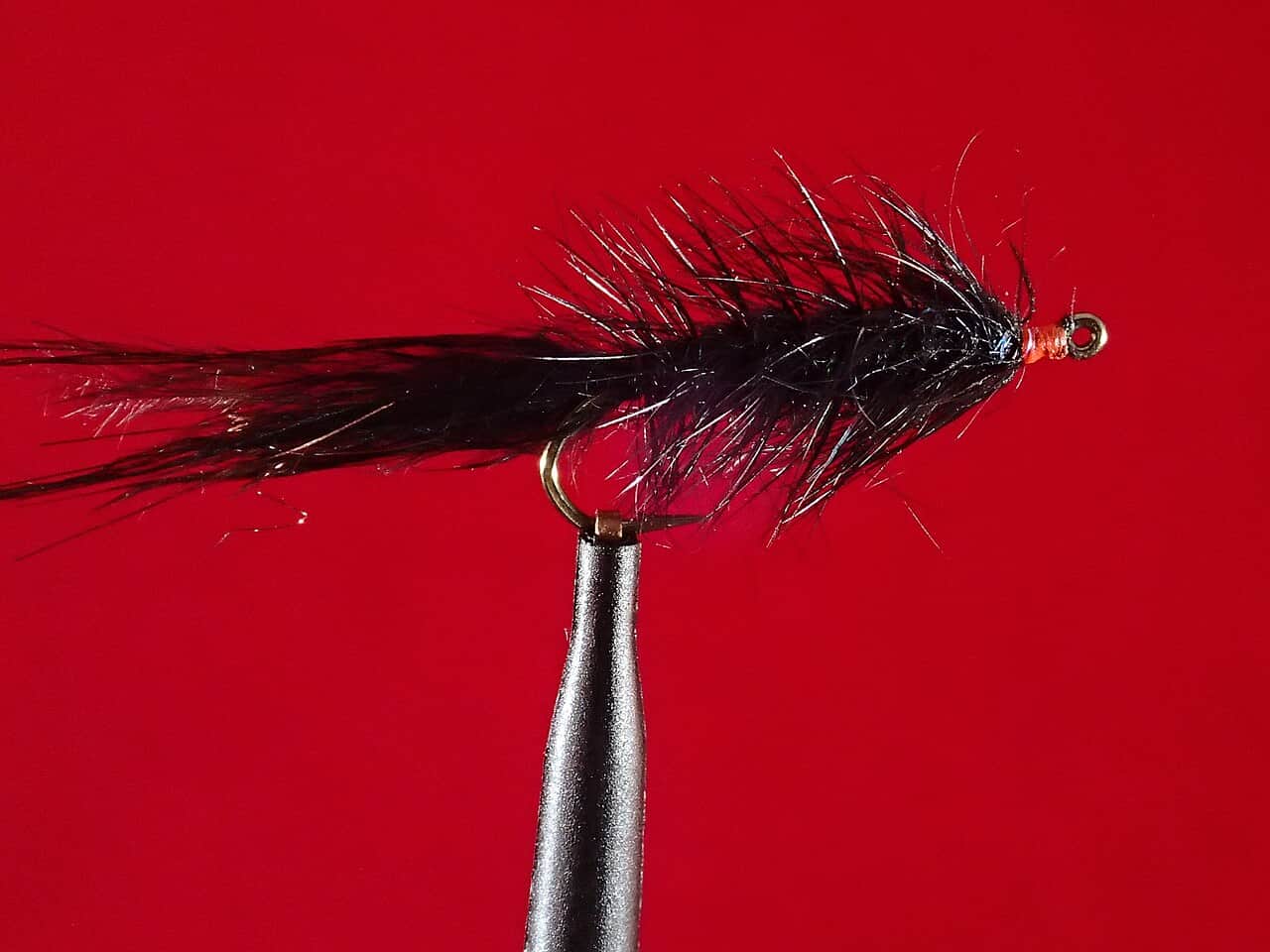
Small streamer, crawfish, black bugger, midge, jig fly
Topwater
Poppers, sliders, foam bugs, cicadas, hoppers, deer-hair divers
Use early, late, around shade, and on stable summer flows.
Streamers
Clouser, deceiver, shad streamer, olive bugger, articulated minnow
Use along current seams, ledges, bridge shade, wood, and deeper banks.
Bottom flies
Crayfish, hellgrammite, jig bugger, carp nymph, small leech
Use when bright sun, cold fronts, or low water push fish down.
Tactics
How to fish it
Match float length to flow before launching.
Run poppers tight to shade, grass edges, wood, and bedrock shelves.
Fish crayfish and hellgrammites slowly through ledge pockets after the sun rises.
Strip baitfish streamers along island cuts and deeper bends.
Respect private banks between DWR ramps and do not create informal access.
Rigging
Rod, leader, and setup notes
A 6 or 7-weight floating line covers most South Fork smallmouth work.
Use 0X to 2X leaders around rock, wood, and bigger flies.
Carry an intermediate line for deeper pools and fall streamer days.
A PFD, shuttle plan, sun protection, and spare water are core gear.
Access
Access and planning notes
Luray flow
Primary South Fork trendWade / float / trail
RiverReports / USGS gauge / float
When to pick it
Start here when flow and clarity decide float length and wading edges.
Caution
The gauge does not replace ramp, takeout, fish-health, or thunderstorm checks.
Luray and Page Valley ramps
Core smallmouth floatWade / float / trail
Float / ramp / shuttle
When to pick it
Use this when distance, flow, weather, and legal takeout all match.
Caution
Tubing traffic, ledges, low-water dragging, and private banks can change the plan quickly.
Bentonville to Front Royal context
Downstream comparisonWade / float / trail
Float / bank / access
When to pick it
Pick this when a lower Page Valley or Front Royal-area plan fits flow and access better.
Caution
Long float spacing and missed exits are bigger problems than fly choice.
Use DWR ramps and legal parking rather than informal bank access.
Long floats can become unsafe or exhausting when flows are wrong.
Fish-health and consumption advisories should be checked before harvest.
Regulations
Check before fishing
Check Virginia DWR freshwater rules, access guidance, fish-health updates, and consumption advisories before fishing the South Fork.
Primary base
Luray, Front Royal, or Harrisonburg, Virginia
Best day style
DWR ramps, float shuttles, wading on safe ledges, and private-bank awareness
Check first
DWR access, Lynnwood/Luray flow, storms, water clarity, heat, and consumption advisories
Safety
Long floats, low-water dragging, ledges, storms, private banks, fish-health issues, and heat
Gear
Helpful gear for this water
Six or seven-weight rod
Handles poppers, streamers, bass current, and wind.
Floating line
Covers most smallmouth topwater, streamer, and crayfish work.
Intermediate line
Helpful on deeper ledges, channels, and fall baitfish windows.
PFD and shuttle plan
Use one for floats, tidal water, and bigger river days.
Sun and heat plan
Carry water, sun protection, and a backup when summer water warms.
Nearby water
Other water to research
Backup logic
High or muddy water
Compare Mossy Creek, Rivanna River, or James River before forcing a poor-visibility float.
Low dragging water
Shorten the float, choose bank water, or wait for a better level.
Heat or fish-health concern
Fish early, limit handling, or pick a cooler or more resilient option.
Ramp or shuttle problem
Use only confirmed DWR access and a known takeout, or switch rivers.
Mossy Creek
A technical Valley spring creek with strict access rules.
Rivanna River
A Charlottesville-area smallmouth river.
James River
A larger Virginia smallmouth and float system.
FAQ
Fast answers
Is South Fork of Shenandoah River fishable today?
South Fork of Shenandoah River looks very fishable right now. The live score is 96/100, based on current flow, weather, public alerts, and the report's planning context. Recheck the linked gauge and forecast before leaving because conditions can change quickly after rain, heat, access changes, or flow swings.
What flow is best for South Fork of Shenandoah River?
Use RiverReports for the Lynnwood context and USGS 01629500 near Luray as the main official live trend. Stable, clear, moderate water is the best smallmouth window; high, rising, or very low water should change float length or postpone the trip.
When should I skip South Fork of Shenandoah River?
Skip or shorten the plan when thunderstorms are upstream, ledges are pushy, water is muddy, low water makes the float a drag, summer heat is excessive, or fish-health and consumption advisories have not been checked for harvest plans.
Is South Fork of Shenandoah River safe to wade right now?
The fishability score is not a wading guarantee. Wade only where your chosen access has safe edges, clear footing, legal entry, and no forced crossings; high, rising, stained, or storm-affected water should be treated conservatively.
What should I check first before fishing South Fork of Shenandoah River?
Check DWR access, Lynnwood/Luray flow, storms, water clarity, heat, and consumption advisories.
Where should a first-time visitor start on South Fork of Shenandoah River?
Start near Luray or Page Valley with a float length that fits current flow.
Can I wade South Fork of Shenandoah River?
Yes at safe flows around ledges and access points, but many plans are better as floats.
What flies should I bring for South Fork of Shenandoah River?
Bring the seasonal fly box, then adjust size, weight, and color to the water level, clarity, temperature, and pressure you find.
Sources
Source set for this report
Reviewed 2026-06-01