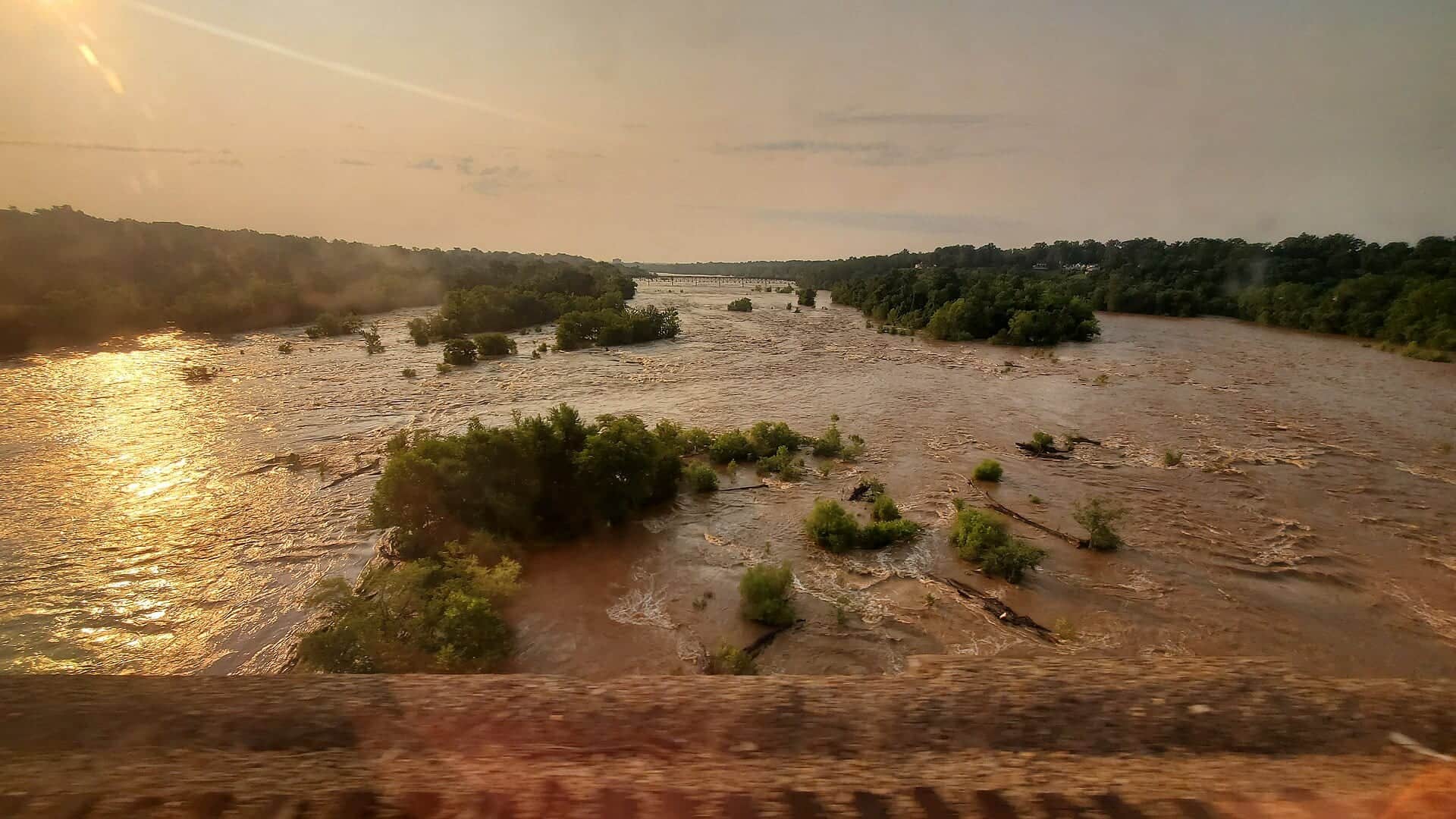
Rivanna River water or watershed scenery in Virginia

Virginia / Southeast

Rivanna River

A Charlottesville and Palmyra-area Rivanna report for smallmouth, sunfish, float planning, flows, access, flies, and warmwater tactics.

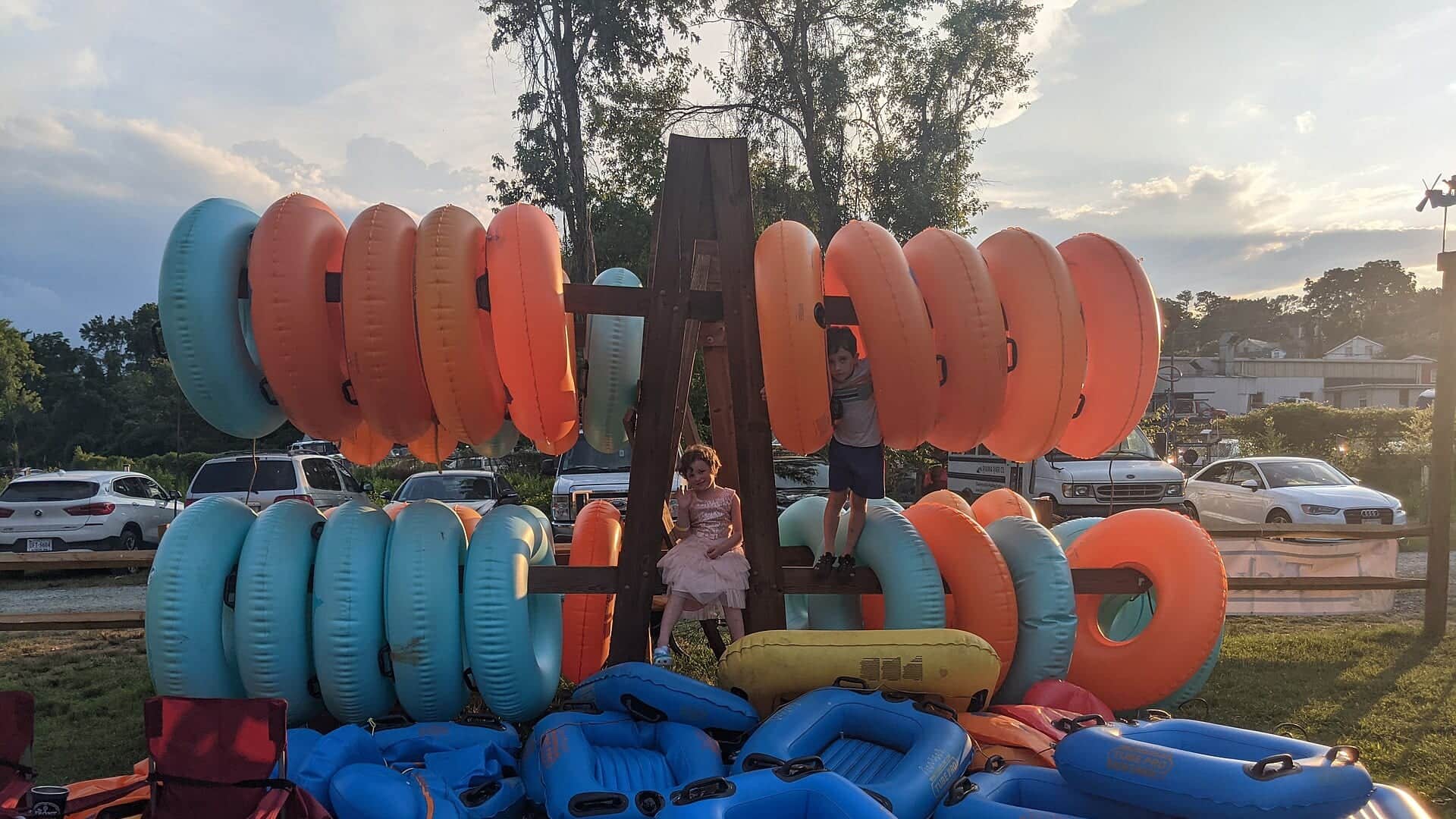
Image: Flotation devices Rivanna River Company Charlottesville VA June 2022 / CC BY-SA 4.0 / Artaxerxes

Fishability now: Rivanna River fishability today

GreatData confidence: High

96/100

Fishable now because Palmyra gauge is falling, weather is usable, and no public alert is active.

Flow observed

5:05 PM UTC

Weather observed

5:00 PM UTC

Score calculated

5:25 PM UTC

Why this rating

Flow

Weather

Public alerts

Next 6-12 hours

Improving / hold

A falling gauge and usable weather should keep the next 6-12 hours in play unless tributaries stain or heat builds.

More planning details: flies, flow bands, and live source checks

Fish it today

Start here

Start with the Palmyra flow and DWR Rivanna source, then choose a Charlottesville, Milton, Crofton, Palmyra, or Columbia plan with legal access and a short enough float for current water.

Best flow clue

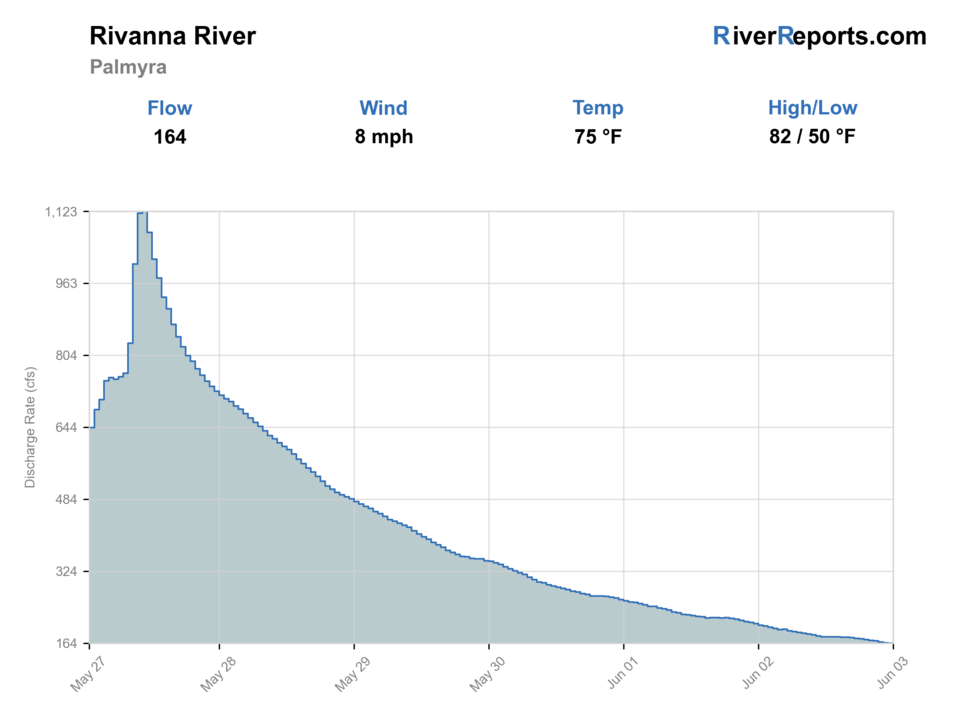
Use RiverReports and USGS 02034000 at Palmyra as the main live trend. Stable, clear, moderate water is best for smallmouth; very low water can turn floats into dragging, and rising or stained water should delay the plan.

Skip trigger

Skip or shorten the plan when storms are upstream, the river is rising, water is too muddy to fish well, heat makes a long shuttle risky, or the only access option is an informal bridge or private bank.

Flow decision bands

Stable and clear

Stable or slowly falling Palmyra flow with workable clarity is the best smallmouth signal.

Best short-float window

Legal access, confirmed shuttle length, moderate current, and manageable heat make topwater, crayfish, and baitfish plans strongest.

Low drag or storm stain

Very low water can turn floats into dragging, while rising or muddy storm water should delay the trip.

Access-limited

Informal bridge banks, private fields, or unclear exits can make the day weaker than the gauge suggests.

USGS flow

164 cfs

Open

Current trend: flow falling, rating likely holding strong unless weather or clarity changes.

Live USGS flow

164 cfs / falling about 32%

Live NWS forecast

76F / Sunny

Water temperature not verified

Heat guidance uses weather and river type unless an official water-temperature value is available.

No NWS alert flag

No active NWS alert was returned for this forecast point.

Primary waterCharlottesville, Darden Towe, Milton, Crofton, Palmyra, and Columbia context
Flow checkRiverReports Rivanna River at Palmyra and USGS 02034000
Access styleLimited formal access, short floats, road-crossing caution, and private-bank awareness
ReviewedJune 1, 2026

Use the Palmyra gauge before choosing a float or wade plan.

Fish shaded banks, ledges, riffle tails, and wood for smallmouth.

Carry poppers for low light and crayfish or hellgrammites for sun.

Do not turn road crossings or private banks into informal access points.

Editorial review

How this report is maintained

This report is maintained from current regulation, access, flow, weather, and public planning sources so anglers can make better trip decisions than a raw gauge or generic overview would allow.

Byline

BlueStreamFly editorial team

Reviewed by

BlueStreamFly source review

Maintained by

Mountain Brook Run LLC

Last material review

2026-06-01

Report confidence

Good confidence

87/100

Good confidence: Virginia DWR regulation and waterbody sources, fish-consumption guidance, RiverReports plus USGS Palmyra flow, weather coverage, media credit, and route-specific warmwater guidance support the page. Confidence is moderated by limited formal access, low-water float practicality, runoff after storms, and private-bank boundaries.

Regulations

Virginia DWR freshwater rules and fish-consumption advisory sources support the legal and harvest-check framework.

Access

DWR Rivanna River context supports planning, while exact public access and private-bank boundaries still need current confirmation.

Flow and weather

RiverReports coverage is backed by USGS 02034000 at Palmyra, and the National Weather Service point supports live weather and storm decisions.

Fishing usefulness

The page now separates Palmyra flow, short-float logistics, low-water dragging, heat, storm stain, water-quality checks, and backup-water choices.

Fishability dashboard and source review

2026-06-01 / material content or source review

Virginia DWR freshwater regulation, Rivanna River waterbody information, fish-consumption advisory context, RiverReports, USGS Palmyra flow, National Weather Service data, and media-credit sources were checked before updating the current-fishability decision layer.

2026-06-01

Updated Rivanna River to the current fishability-page standard with Palmyra flow bands, Charlottesville-area access cards, backup cues, stable fishability SEO, and confidence signals.

2026-05-29

Added Rivanna River trip-fit guidance, Palmyra gauge framing, limited-access planning, low-flow float decisions, warmwater safety, water-quality and harvest checks, backup-water suggestions, editorial review signals, and a page-specific confidence meter after source review.

2026-05-24

Initial source-reviewed report published with flows, weather, hatches, flies, tactics, access, regulations, and FAQs.

Angler planning edge

Local details that change the plan

Best for

Charlottesville and Palmyra-area fly anglers planning smallmouth, sunfish, and warmwater streamer days, Short floats and selective wades where legal access, Palmyra flow, clarity, and shuttle length line up, Summer topwater and crayfish-pattern sessions when heat, thunderstorms, and low water are handled conservatively, Anglers who need James River or South Fork Shenandoah backups when the Rivanna is too low, stained, or access-limited

Wade or float

Treat the Rivanna as a short-float or selective-wade report. Some ledges and banks can fish well at safe levels, but limited formal access and private banks mean the stronger plan starts with legal put-ins and a realistic exit.

Best flows

Use RiverReports and USGS 02034000 at Palmyra as the main live trend. Stable, clear, moderate water is best for smallmouth; very low water can turn floats into dragging, and rising or stained water should delay the plan.

When to skip

Skip or shorten the plan when storms are upstream, the river is rising, water is too muddy to fish well, heat makes a long shuttle risky, or the only access option is an informal bridge or private bank.

Local plan

Start with the Palmyra flow and DWR Rivanna source, then choose a Charlottesville, Milton, Crofton, Palmyra, or Columbia plan with legal access and a short enough float for current water.

Pressure

Pressure is moderate but concentrates near obvious Charlottesville-area access and weekend summer floats. Low water makes crowding and dragging more noticeable.

Access nuance

Formal access can be sparse. Road crossings, neighborhood banks, and private fields should not be treated as public entries unless current public access information supports them.

Backup water

If the Rivanna is low, muddy, crowded, storm-affected, or access-limited, compare the James River, Upper James River, or South Fork of Shenandoah River before forcing the same plan.

About the river

Setting, character, and why it fishes the way it does.

The Rivanna River drains the Charlottesville area and joins the James at Columbia. It is a smaller warmwater river with wooded banks, shallow drops, ledges, and useful smallmouth habitat.

Unlike larger destination rivers, the Rivanna rewards practical planning. Access spacing, low summer flows, and private banks often matter more than a perfect fly list.

This report helps an angler decide whether to wade, float, or wait. It also links the local Rivanna plan to the broader James River system without pretending they fish the same.

Target species

Smallmouth bass

Primary fly target around ledges, riffle tails, wood, and current seams.

Redbreast and bluegill

Common fun targets along shaded banks and slower pockets.

Largemouth bass

More likely around backwaters, wood, and slower lower-river habitat.

Fallfish, rock bass, and catfish

Part of the warmwater mix and useful for reading forage.

Reading the water

Low clear water

Fish early, use stealth, and expect shallow floats to scrape.

Stable fishable flow

Target ledges, riffle tails, islands, and wooded shade.

High or stained

Skip wading and wait for the river to fall unless you have a safe bank plan.

Hot weather

Fish early or late and carry water; warmwater fish still handle better in cooler windows.

Best seasons

Spring

Smallmouth activity improves as flows settle and water warms.

Summer

Topwater and wet-wading season, with low-flow planning important.

Fall

Cooling water improves streamers and baitfish patterns.

Winter

Slow deep presentations only during mild, stable windows.

Preferred flow source

Rivanna River at Palmyra

RiverReports is the preferred chart source when coverage exists. When a matching USGS gauge exists, keep it open as the official backstop for station data and current hydrograph context.

Rivanna River at Palmyra RiverReports flow chart

USGS data chart

Official USGS trend

Streamflow over the latest USGS reporting window.

Latest

164 cfs

Jun 3, 6 PM UTC

Site

02034000

Low / high

160 / 1,150 cfs

Source

Open USGS

Weather

River weather report

Weather can change wading safety, road access, water temperature, hatches, and the best time of day to fish.

Live forecast loads as you reach this section

This keeps the report fast while still using the official National Weather Service forecast point.

Hatches and flies

Hatch chart and fly picks

March to May

Warming smallmouth water, caddis, minnows, crayfish, and bank insects

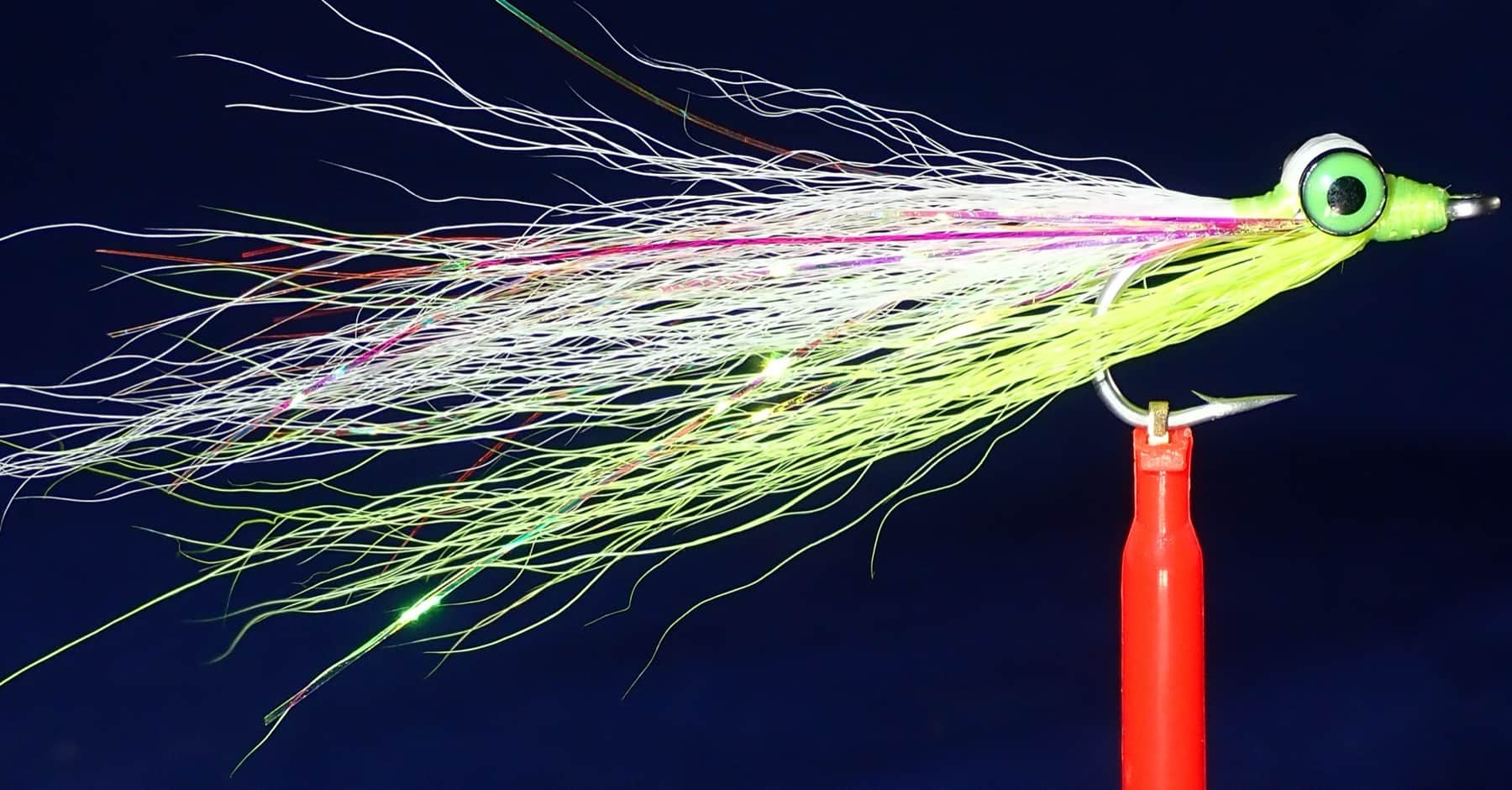
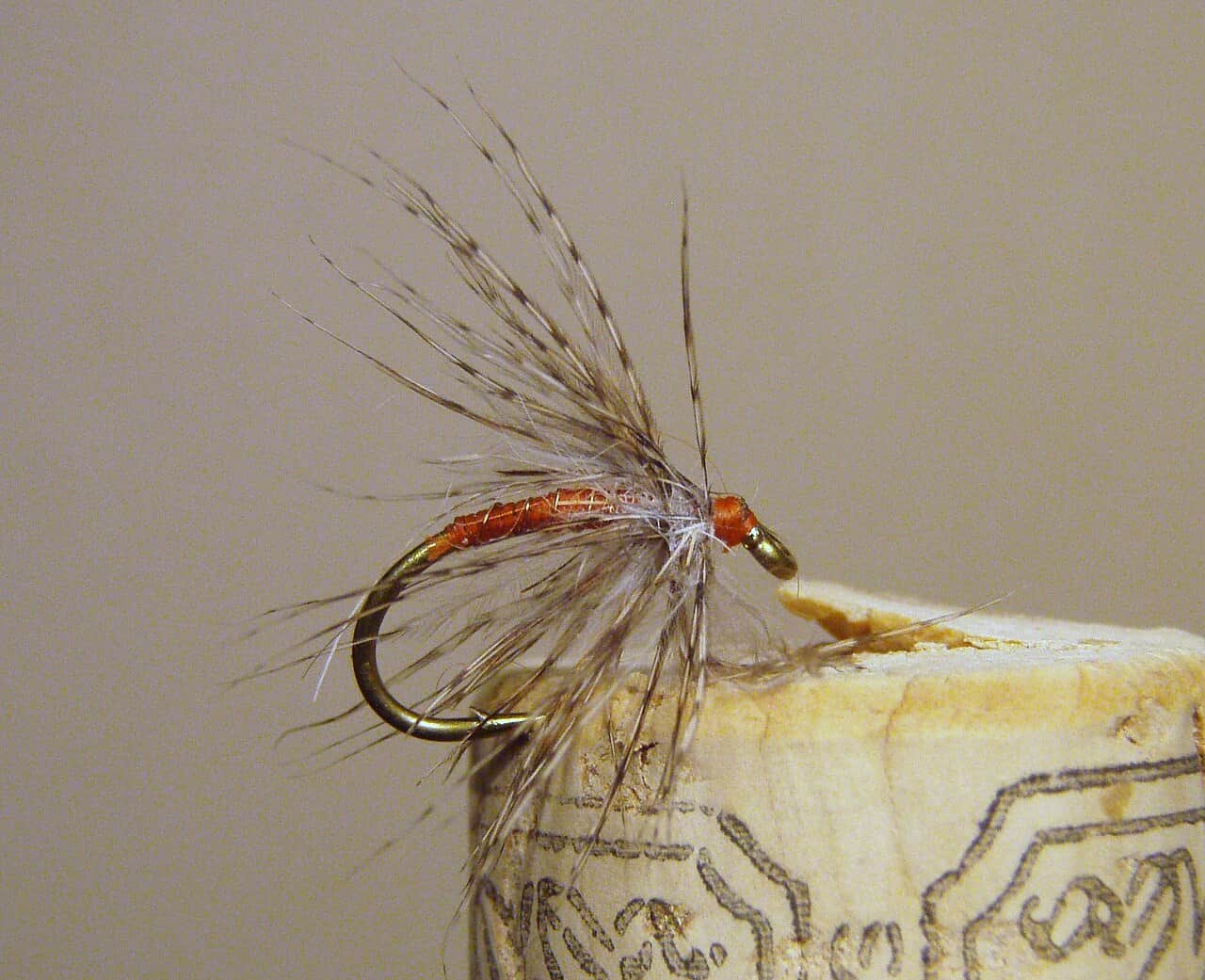
Clouser, crayfish, hellgrammite, swimming nymph, small popper

June to August

Low-light topwater, cicadas, hoppers, damselflies, and shade-line baitfish

Foam popper, slider, cicada, hopper, baitfish streamer, crayfish

September to November

Cooling water, shad or minnow movement, crayfish, and steady streamer fishing

Baitfish streamer, crayfish, hellgrammite, olive bugger, soft hackle

December to February

Deep winter holding water, midges, small baitfish, and limited warmwater windows

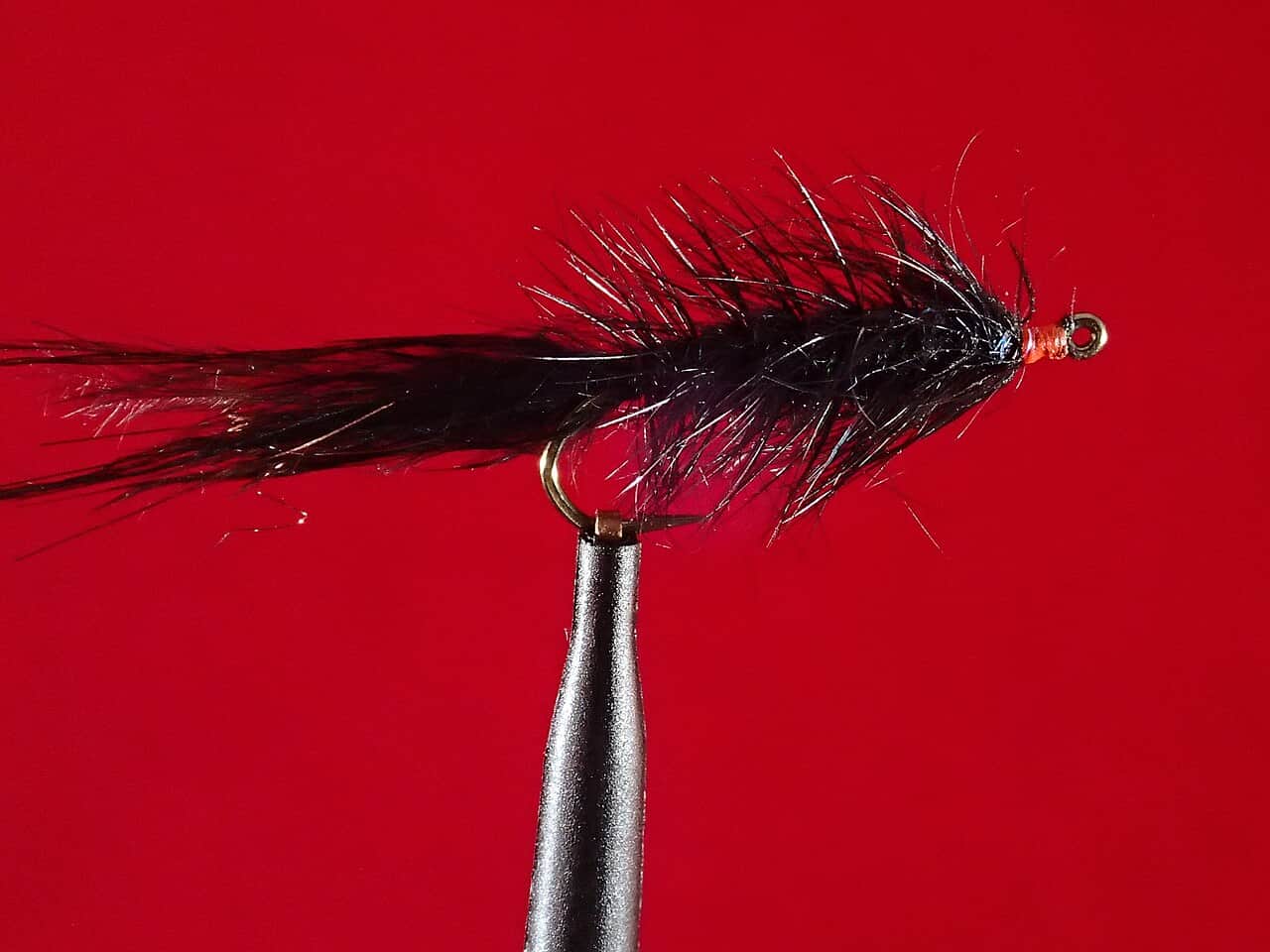
Small streamer, crawfish, black bugger, midge, jig fly

Topwater

Poppers, sliders, foam bugs, cicadas, hoppers, deer-hair divers

Use early, late, around shade, and on stable summer flows.

Streamers

Clouser, deceiver, shad streamer, olive bugger, articulated minnow

Use along current seams, ledges, bridge shade, wood, and deeper banks.

Bottom flies

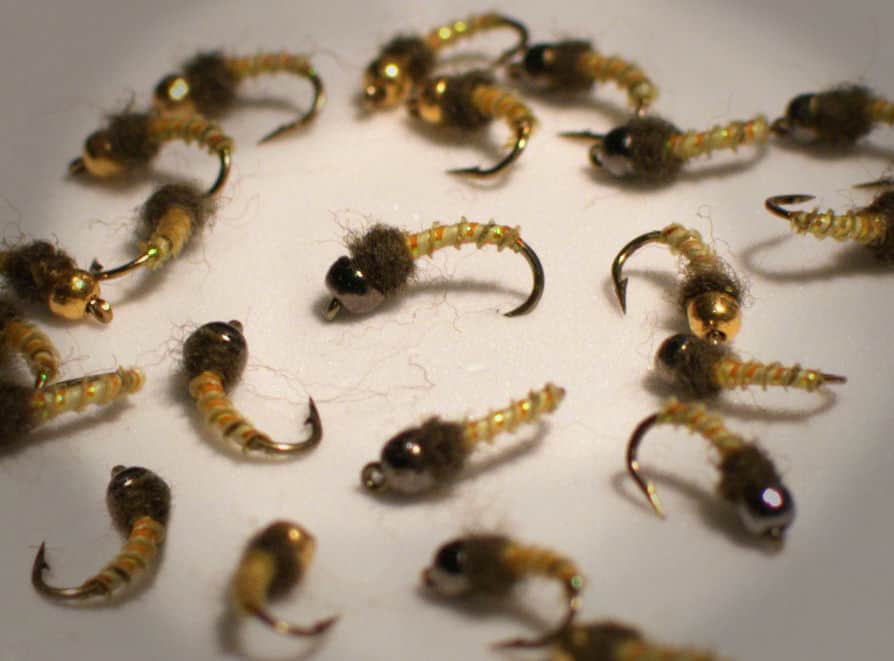
Crayfish, hellgrammite, jig bugger, carp nymph, small leech

Use when bright sun, cold fronts, or low water push fish down.

Tactics

How to fish it

Use poppers and sliders along shaded banks before the sun gets high.

Drift crayfish and hellgrammites through ledge pockets and riffle tails.

Strip small baitfish streamers along wood and bridge shade.

Shorten the plan when low flow makes a long float unrealistic.

Check DWR access instead of assuming every bridge is a legal put-in.

Rigging

Rod, leader, and setup notes

A 6-weight floating line covers most Rivanna smallmouth work.

Use a short heavy leader for poppers and streamers around wood.

Carry an intermediate line only if you plan to fish deeper pools slowly.

Bring wet-wading shoes, PFD for floats, and a realistic shuttle plan.

Access

Access and planning notes

Palmyra gauge

Primary warmwater trend

Wade / float / trail

RiverReports / USGS gauge / float

When to pick it

Start here when current speed and clarity decide whether a short float or selective wade makes sense.

Caution

The gauge does not confirm legal put-ins, takeouts, private-bank boundaries, or water quality after storms.

Charlottesville to Milton

Short local access plan

Wade / float / trail

Bank / selective wade / short float

When to pick it

Use this when heat, flow, and legal access support a close-to-town session.

Caution

Neighborhood banks and road crossings are not automatically public access.

Crofton, Palmyra, and Columbia context

Longer float comparison

Wade / float / trail

Float / shuttle / ramp check

When to pick it

Pick this when one put-in, one takeout, and the day length are already confirmed.

Caution

Low water, missed takeouts, and summer heat make long floats unforgiving.

Formal Rivanna access can be sparse; plan conservatively.

Low flows can turn a float into a long walk over rocks.

Private banks and road crossings are not automatic access points.

Regulations

Check before fishing

Check Virginia DWR freshwater rules, access guidance, and fish consumption advisories before fishing or keeping fish.

Primary base

Charlottesville or Palmyra, Virginia

Best day style

Limited formal access, short floats, road-crossing caution, and private-bank awareness

Check first

DWR access, Palmyra flow, storms, water clarity, heat, and shuttle length

Safety

Low-water dragging, Class I-II drops, private banks, strainers, storms, and summer heat

Gear

Helpful gear for this water

Six or seven-weight rod

Handles poppers, streamers, bass current, and wind.

Floating line

Covers most smallmouth topwater, streamer, and crayfish work.

Intermediate line

Helpful on deeper ledges, channels, and fall baitfish windows.

PFD and shuttle plan

Use one for floats, tidal water, and bigger river days.

Sun and heat plan

Carry water, sun protection, and a backup when summer water warms.

Nearby water

Other water to research

Backup logic

Low or dragging water

Compare the James River or South Fork Shenandoah for a larger warmwater plan.

Storm stain

Wait for clarity to return or choose a better-settled nearby river.

Heat or long shuttle risk

Shorten the float, fish early, or move to bank water with an easy exit.

Access uncertainty

Use a confirmed public access or switch to a river with clearer ramp information.

James River

A larger middle-river smallmouth and float option.

Upper James River

Mountain and upper valley James smallmouth water.

South Fork of Shenandoah River

A major Valley smallmouth float fishery.

FAQ

Fast answers

Is Rivanna River fishable today?

Rivanna River looks very fishable right now. The live score is 96/100, based on current flow, weather, public alerts, and the report's planning context. Recheck the linked gauge and forecast before leaving because conditions can change quickly after rain, heat, access changes, or flow swings.

What flow is best for Rivanna River?

Use RiverReports and USGS 02034000 at Palmyra as the main live trend. Stable, clear, moderate water is best for smallmouth; very low water can turn floats into dragging, and rising or stained water should delay the plan.

When should I skip Rivanna River?

Skip or shorten the plan when storms are upstream, the river is rising, water is too muddy to fish well, heat makes a long shuttle risky, or the only access option is an informal bridge or private bank.

Is Rivanna River safe to wade right now?

The fishability score is not a wading guarantee. Wade only where your chosen access has safe edges, clear footing, legal entry, and no forced crossings; high, rising, stained, or storm-affected water should be treated conservatively.

What should I check first before fishing Rivanna River?

Check Palmyra flow, DWR access, storms, water clarity, heat, and shuttle distance.

Where should a first-time visitor start on Rivanna River?

Start near Charlottesville or Palmyra after confirming a legal access and realistic float length.

Can I wade Rivanna River?

Often at low to moderate flows, but avoid high water, private banks, and unsafe road crossings.

What flies should I bring for Rivanna River?

Bring the seasonal fly box, then adjust size, weight, and color to the water level, clarity, temperature, and pressure you find.