RiverReports preview · current series loading
Recent flow
RiverReports gauge
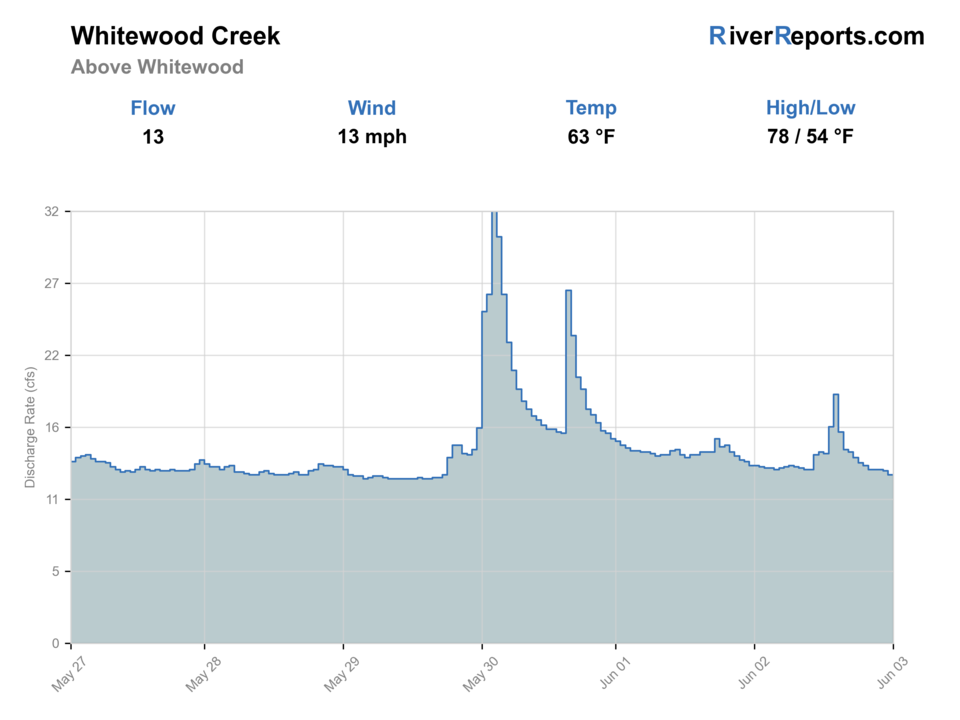
Showing the available RiverReports chart while the current structured flow series loads. Check the chart on RiverReports Opens in a new tab.
No single best way to fish. Wading and Bank fishing have the same top score. Use current access, footing, weather, and local rules to choose.
Rating updatedRiver local time:
USGS shows 3 cfs. The flow has been stable over about 6 hours. USGS marks this reading provisional and may revise it. USGS records for this date (1984-2025, 42 readings) show a median near 14 cfs and a low-water marker near 5 cfs; today's flow is unusually low for the date. Low water can make fish spooky, warm, pressured, or concentrated; check temperature and handling risk.
NWS air forecast near
This is an air forecast, not a river-temperature reading. Check the water with a stream thermometer before fishing in hot weather.
RiverReports gauge
Showing the available RiverReports chart while the current structured flow series loads. Check the chart on RiverReports Opens in a new tab.
Partly Sunny
The National Weather Service forecast is temporarily unavailable.
RiverReports gauge: Whitewood Creek above Whitewood
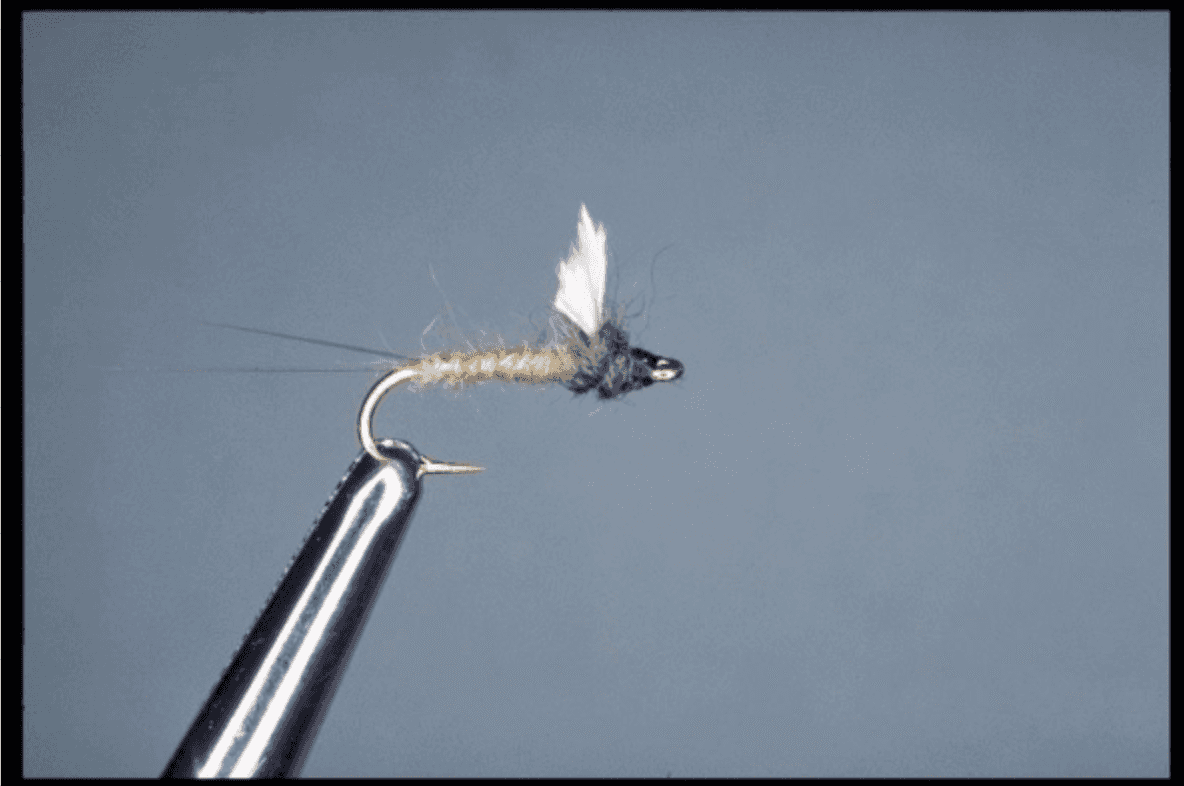
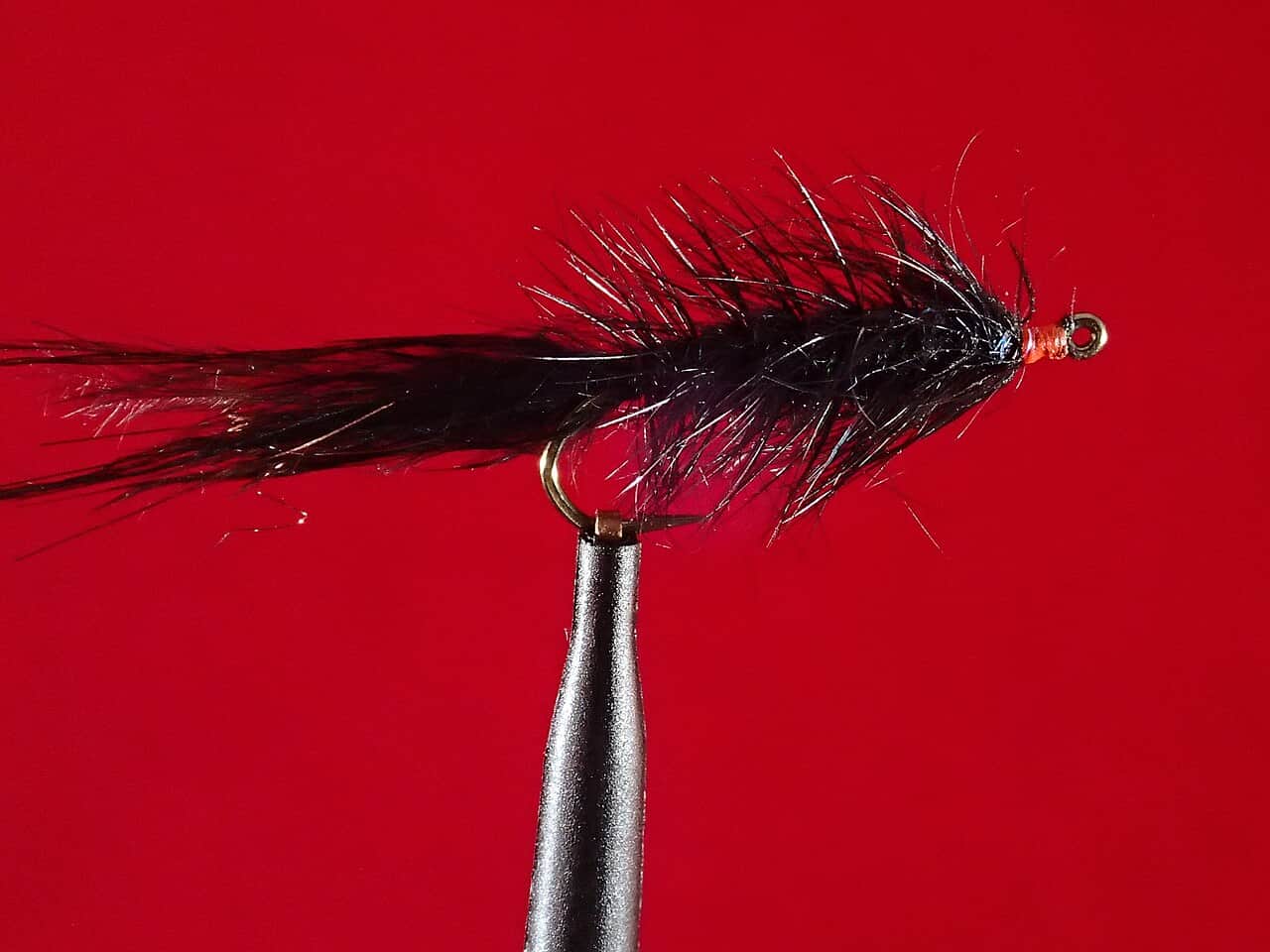
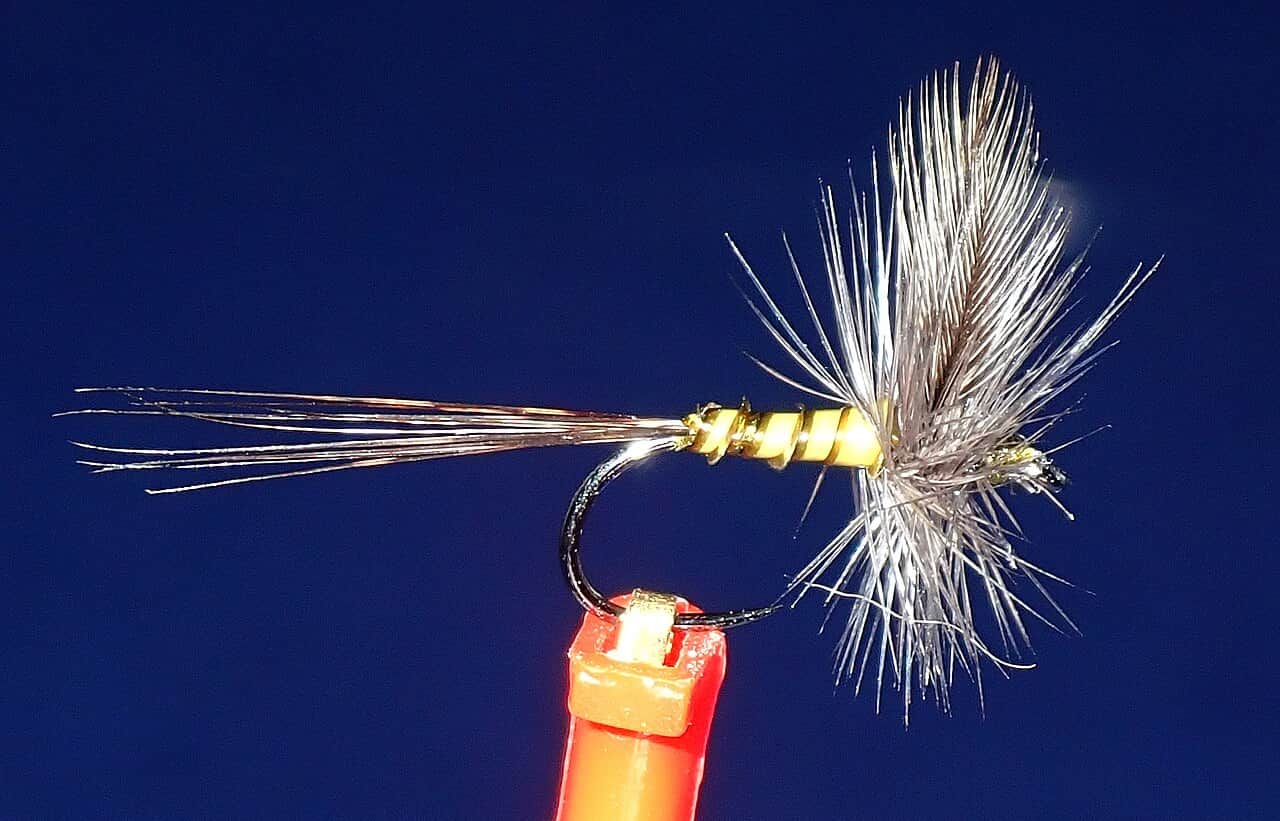
Seasonal starting points, not a live hatch report. Match what you see on the water.
Each fly name opens its matching Fly Box guide.
The best upper Whitewood sessions come on clear stable flow when the creek has enough current to define pocket seams without carrying storm color or debris out of the upper basin. If the gauge spikes, thunder is building over the Black Hills, or the trail area feels crowded, shorten the session and keep a backup plan ready.
Best for small nymphs, compact dries, and short streamer swings through pocket water and cutbank slots.
A strong caution signal because the upper basin can send quick color and debris into a small creek with limited exit space.
Fish only the coolest part of the day and skip it if water temperatures or clarity stop looking like trout water.
Often the best fit for an upper Whitewood session when the trout margin is strong and the creek stays readable.
Wading and Bank fishing have the same top score. Use current access, footing, weather, and local rules to choose.
Wading is in play only where your chosen access has clear footing, legal entry, and no forced crossings.
Bank and edge fishing remains a practical low-commitment option if access is legal and footing is safe.
This report does not recommend floating this reach.
Is Whitewood Creek worth the trip today? Check flow, weather, hatches, access, and rules for South Dakota before you go.
The upper Whitewood area is the better choice when you want the coldest water in this drainage and are willing to keep the day disciplined around the Deadwood trail area, legal crossings, and a fast weather exit. Start with RiverReports, keep USGS 06436180 open, and treat this reach as a short-session trout plan where clarity and access certainty matter more than how many bends you can cover.
USGS shows 3 cfs. The flow has been stable over about 6 hours. USGS marks this reading provisional and may revise it. USGS records for this date (1984-2025, 42 readings) show a median near 14 cfs and a low-water marker near 5 cfs; today's flow is unusually low for the date. Low water can make fish spooky, warm, pressured, or concentrated; check temperature and handling risk.
Wade: Wading is in play only where your chosen access has clear footing, legal entry, and no forced crossings.
Fall: Often the cleanest mix of stable weather, clear water, and trail-friendly trout fishing.
The current NWS air forecast is about 54F, and the next 24-hour high reaches about 76F. Partly Sunny.
No active NWS alert was returned for this forecast point.
Use the above-Whitewood gauge with clarity and upper-basin weather. Stable cool flow is the best signal.
Skip when water is stained, flow is rising, storms are active, legal access is uncertain, water is warm, or trail footing is unsafe.
Start with USGS 06436180 and the Deadwood trail area, then decide whether to stay high, slide toward Whitewood, or use a Spearfish backup.
Compare Whitewood Creek at Whitewood, Spearfish Creek Spearfish, or Spearfish Canyon when upper Whitewood is too small, warm, colored, or access-limited.
Use these places as starting points. Open the access link below and check posted signs before you park or enter.
Recheck the 2026 South Dakota Fishing Handbook before fishing because Black Hills trout rules and seasonal exceptions can change.
The clearest official walk-in public area for this upper-reach page, and the best place to begin a disciplined upper Whitewood session.
Useful only where a public right-of-way is obvious and you can stay entirely within legal access.
A backup short-stop option when the uppermost trail water is too small or crowded and you want to slide slightly lower without jumping to the valley page.
Official agencies and primary river operators come first. Secondary tools are labeled so you know what carries the most weight.
Check what is allowed, where the rule applies, and whether the river is open.
Check the latest river reading and forecast before you leave.
Check public entry points, land rules, and seasonal access changes.
Check what is allowed, where the rule applies, and whether the river is open.
Open the current rules and check the river section, season, and special limits.
Check the latest river reading and forecast before you leave.
Open this page and check the latest safety advice before your trip.
Open this river reading to check the latest level, flow, and update time.
Open this river reading to check the latest level, flow, and update time.
Open this river reading to check the latest level, flow, and update time.
Check public entry points, land rules, and seasonal access changes.
Open the land or access page, then check signs before you park or enter.
Open the land or access page, then check signs before you park or enter.
What was checked: This report starts with official regulation, access, flow, weather, and public-water sources, then adds practical planning guidance for fly anglers.
Live measurements and forecasts keep their provider timestamps. Rules, access, and trip guidance use the source-review date shown here. BlueStreamFly planning advice is editorial interpretation, not an agency notice.
First-hand experience: BlueStreamFly does not claim a first-hand visit or local field test for this report unless a real contributor is explicitly named and linked.
Use the RiverReports chart for quick reads and keep USGS site 06436180 open as the official upper-area backstop.
This page is built around colder, tighter upper-basin water and the Deadwood trail area, while the lower page focuses more on bridge-access valley fishing near Whitewood.
No. South Dakota says Black Hills stream access comes through adjacent-landowner permission or a public right-of-way such as a road crossing or public land.