Pennsylvania / Northeast
Twenty Mile Creek
An Erie County steelhead report for Twentymile Creek, focused on access, rain timing, fly choices, upstream flow context, and PFBC Lake Erie rules.
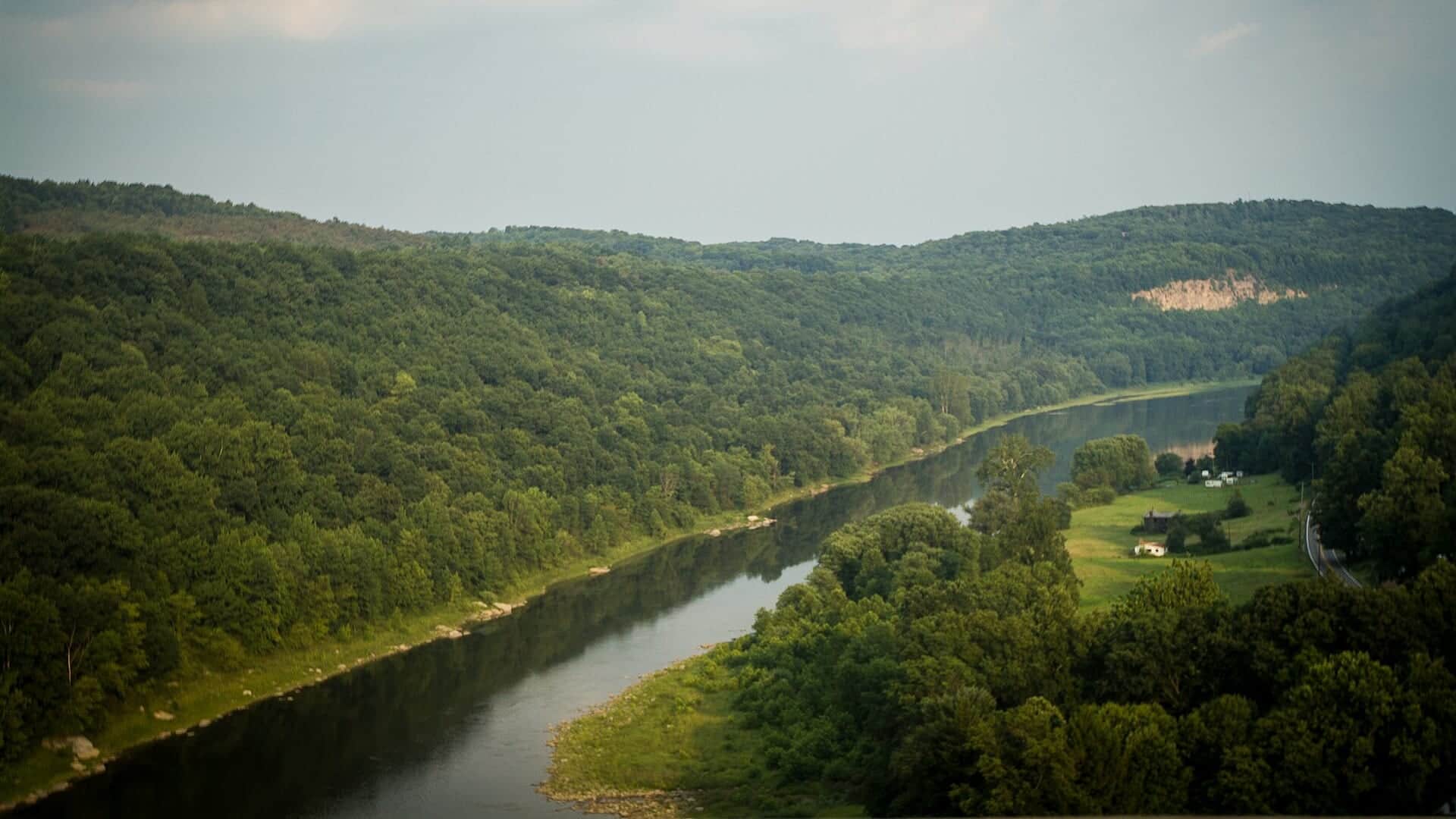
Image: Generated regional planning image for Twenty Mile Creek / BlueStreamFly generated; not exact location / BlueStreamFlyFishability now: Twenty Mile Creek fishability today
UnknownData confidence: High44/100
Check live sources first because flow has been checked, weather is mild, and no public alert is active.
Flow observed
Not returned
Weather observed
5:00 PM UTC
Score calculated
5:26 PM UTC
Why this rating
Flow
Weather
Public alerts
Next 6-12 hours
Hold
Wait for a better live check before committing the drive or choosing a wading plan.
USGS flow
Check gauge
Current trend: previous-score comparison will become more useful after repeated live checks.
More planning details: flies, flow bands, and live source checks
Fish it today
Start here
Start with PFBC steelhead, Lake Erie, and access information, the South Ripley gauge trend, weather, and one legal lower-creek access choice. Bring a smaller low-clear setup and a stained-water streamer or stonefly option.
Best flow clue
Use USGS 04213305 at South Ripley as upstream trend context, not a perfect lower Pennsylvania depth reading. Confirm current color, safe footing, ice, and legal access on the Pennsylvania reach before fishing.
Skip trigger
Skip or pivot when the creek is blown out, low and clear with heavy pressure, iced in, posted or access-limited, or when Lake Erie tributary rules and permit requirements have not been checked.
Flow decision bands
Enough color and water
Fishability improves when rain gives the lower creek safe color and depth without blowing out the Pennsylvania reach.
Best steelhead window
A steady or falling South Ripley trend after rain, with safe footing and legal access confirmed, is the best planning signal.
Blown out or iced
High muddy water, shelf ice, or unsafe crossings should move the day to a different tributary or a wait.
Low, clear, or crowded
Low clear water with heavy pressure can make the creek technically fishable but poor unless you have a quiet legal plan.
USGS flow
Check gauge
Current trend: previous-score comparison will become more useful after repeated live checks.
No current flow value
The source loaded, but did not return streamflow or gauge height.
Live NWS forecast
66F / Sunny
Water temperature not verified
Heat guidance uses weather and river type unless an official water-temperature value is available.
No NWS alert flag
No active NWS alert was returned for this forecast point.
Fish after rain pulses when the creek has color but is not blown out.
Use eggs, sucker spawn, stones, and small streamers before thinking about dry flies.
Public easement and posted-land awareness matter as much as water level.
Carry backup Erie tributaries because low, clear, or crowded water can make a day unproductive.
Editorial review
How this report is maintained
This Twenty Mile Creek report is maintained from Pennsylvania Fish and Boat Commission steelhead, Lake Erie, public-access, and regulation sources, USGS South Ripley upstream flow context, weather, generated-image disclosure, and Lake Erie tributary trip-planning sources.
Byline
BlueStreamFly editorial team
Reviewed by
BlueStreamFly source review
Maintained by
Mountain Brook Run LLC
Last material review
2026-06-01
Report confidence
Good confidence
87/100
Good confidence: Pennsylvania steelhead, Lake Erie, public-access, regulation, weather, upstream USGS flow-context, and image-disclosure sources support the page. Confidence is moderated by the upstream gauge location, fast-changing lower-creek color, ice, posted-land details, crowding, and the lack of an exact location photo.
Regulations
Pennsylvania fishing regulations plus PFBC steelhead and Lake Erie sources support the current rule-check path.
Access
PFBC public access information supports the access framework, with easement and posted-land checks still needed.
Flow and weather
USGS 04213305 at South Ripley and the National Weather Service point support upstream trend and weather context, but lower Pennsylvania conditions still need on-site confirmation.
Fishing usefulness
The page now separates rain timing, low-clear tactics, blown-out skips, access scouting, permit context, pressure, and backup tributary choices.
Fishability dashboard and source review
2026-06-01 / material content or source review
Pennsylvania fishing regulations, PFBC steelhead information, PFBC Lake Erie guidance, PFBC Twenty Mile Creek public access information, USGS 04213305 at South Ripley, the National Weather Service point, and image disclosure were checked before updating the current-fishability decision layer.
2026-06-01
Updated Twenty Mile Creek to the current fishability-page standard with Erie-tributary trend bands, public access cards, backup cues, stable fishability SEO, and confidence signals.
2026-05-28
Added Erie tributary trip fit, upstream-gauge guidance, public access and Lake Erie permit context, low-clear and blown-out skip cues, backup-water suggestions, editorial review signals, generated-image disclosure, and a page-specific report-confidence meter after source review.
2026-05-25
Initial source-reviewed report published with upstream flow context, weather, hatches, flies, tactics, access, regulations, and FAQs.
Angler planning edge
Local details that change the plan
Best for
Lake Erie steelhead anglers planning Twenty Mile Creek around rain pulses, legal access, PFBC steelhead rules, Lake Erie permit context, and water color, Egg, sucker-spawn, stonefly, nymph, and small-streamer days when the creek has safe color and enough water for moving fish, Trips where upstream gauge context, posted-land awareness, crowding, ice, and backup tributary choices need current planning, Anglers comparing Twenty Mile Creek with Elk Creek, Walnut Creek, or Chagrin River when Erie tributaries rise and clear at different speeds
Wade or float
Treat Twenty Mile Creek as wade-first Lake Erie tributary water. Rain timing, lower-creek color, access signs, crowding, ice, and steelhead movement should decide the day before fly choice.
Best flows
Use USGS 04213305 at South Ripley as upstream trend context, not a perfect lower Pennsylvania depth reading. Confirm current color, safe footing, ice, and legal access on the Pennsylvania reach before fishing.
When to skip
Skip or pivot when the creek is blown out, low and clear with heavy pressure, iced in, posted or access-limited, or when Lake Erie tributary rules and permit requirements have not been checked.
Local plan
Start with PFBC steelhead, Lake Erie, and access information, the South Ripley gauge trend, weather, and one legal lower-creek access choice. Bring a smaller low-clear setup and a stained-water streamer or stonefly option.
Pressure
Pressure rises quickly after fresh fish and good color line up. Earlier starts, quiet pool rotation, and a backup tributary often matter more than changing through a large box.
Access nuance
PFBC documents a significant public access addition, but easement boundaries, posted land, parking, night restrictions, and crowding still need current sign-level confirmation.
Backup water
If Twenty Mile Creek is high, low, iced, or crowded, compare Elk Creek for another Pennsylvania tributary, Walnut Creek for nearby gauge context, or Chagrin River for an Ohio steelhead option.
About the river
Setting, character, and why it fishes the way it does.
Twentymile Creek is a Lake Erie tributary near North East, Pennsylvania. It draws anglers when lake-run steelhead move with fall, winter, and spring water conditions.
This is not a classic hatch-chart trout stream. The report keeps steelhead access, permit rules, weather, and clarity at the top so anglers do not make a trip based on a generic fly list.
The available public gauge is upstream at South Ripley, New York. It is useful for trend and storm response, but anglers should still judge lower Pennsylvania water color and legal access in person.
Target species
Steelhead
The main draw from fall through spring when rain and lake conditions bring fish into the creek.
Brown trout and stocked trout context
Possible in tributary management context; check PFBC stocking and Lake Erie rules.
Smallmouth bass
More relevant outside the steelhead season and in warmer lower-water periods.
Baitfish and eggs
Steelhead fly choice is built more around eggs, nymphs, and baitfish than hatches.
Reading the water
Low and clear
Use smaller eggs, single sucker spawn, sparse streamers, and lighter tippet.
Good stain
Fish slots, tailouts, and walking-speed seams with eggs, stones, and buggers.
Blown out
Do not force it. Clay banks, high flow, and poor visibility make fishing and wading unsafe.
Ice and cold
Watch shelf ice, frozen banks, and hypothermia risk before committing to a pool.
Best seasons
Fall
Fresh rain can bring moving fish and the first strong steelhead windows.
Winter
Fish hold in slower pools and soft seams when ice and clarity allow.
Spring
Drop-backs and new pushes can overlap with changing flows.
Summer
Do not plan a steelhead trip; look to warmwater or lake options.
USGS flow
Twentymile Creek at South Ripley NY
This is the fallback for rivers that are not covered by RiverReports. Use the official USGS monitoring page for the live hydrograph, station metadata, and current water trend.
Open USGS gaugeUSGS data chart
Twentymile Creek at South Ripley NY
Streamflow over the latest USGS reporting window.
Weather
River weather report
Weather can change wading safety, road access, water temperature, hatches, and the best time of day to fish.
Live forecast loads as you reach this section
This keeps the report fast while still using the official National Weather Service forecast point.
Hatches and flies
Hatch chart and fly picks
October to December
Lake-run steelhead, eggs, baitfish, and post-rain color windows
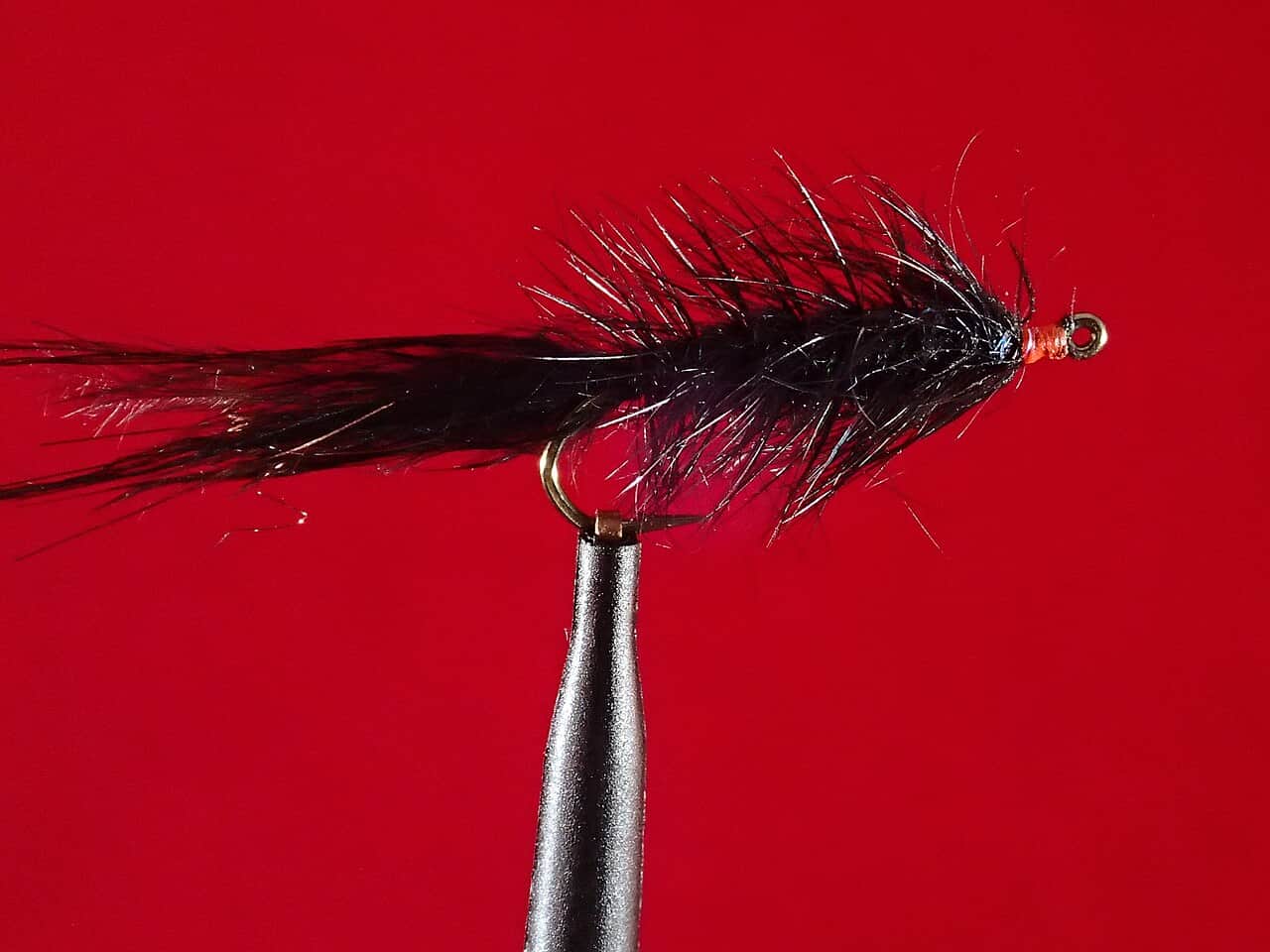
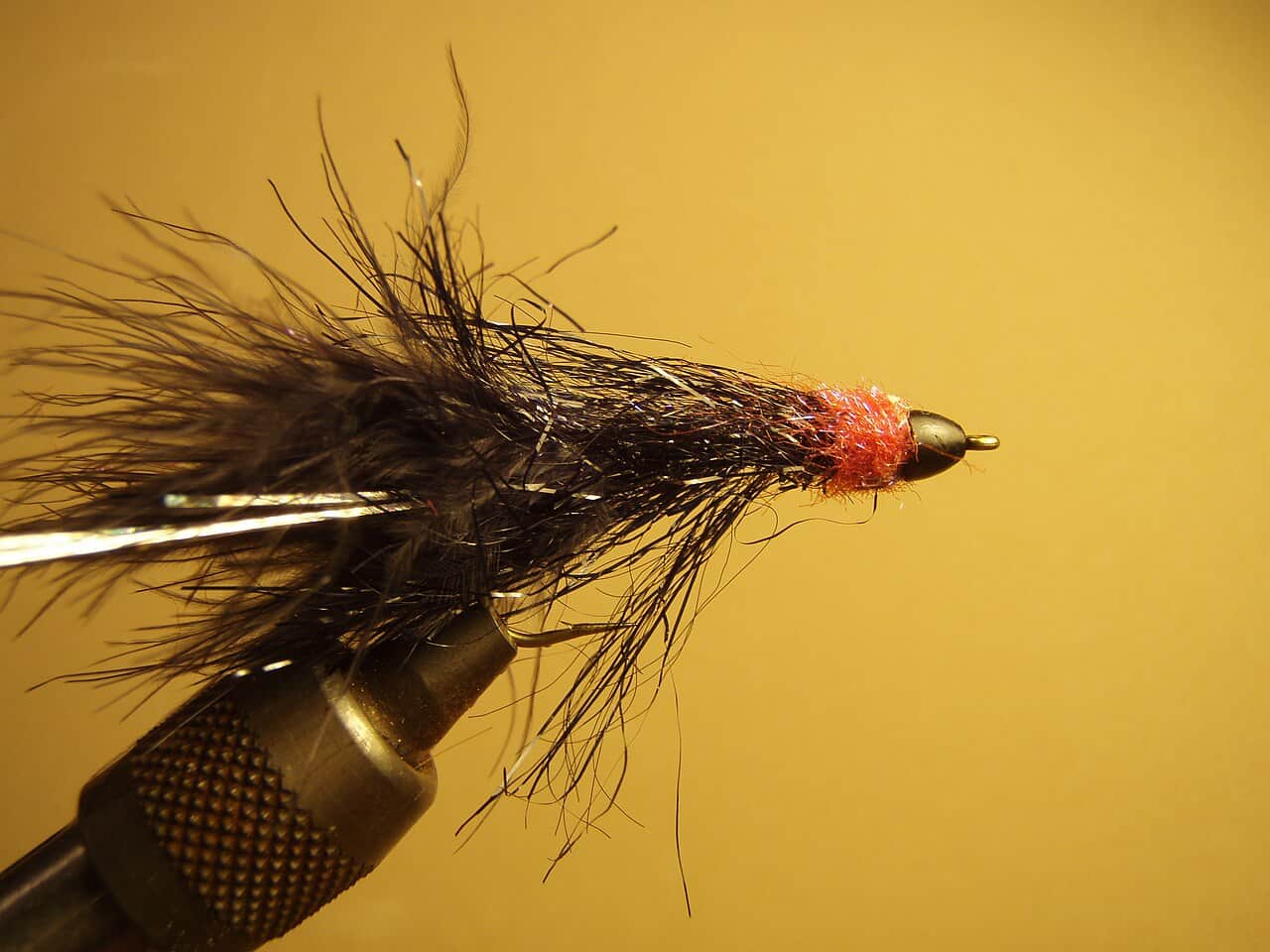
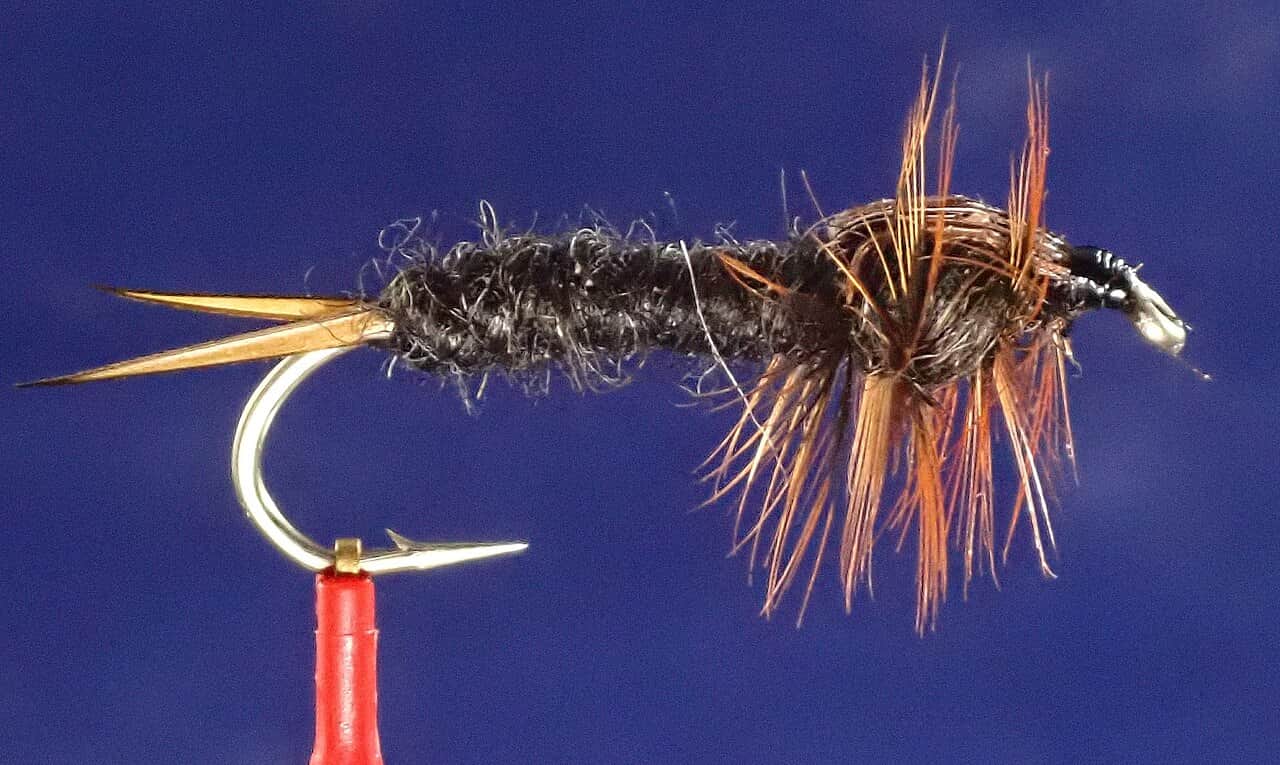
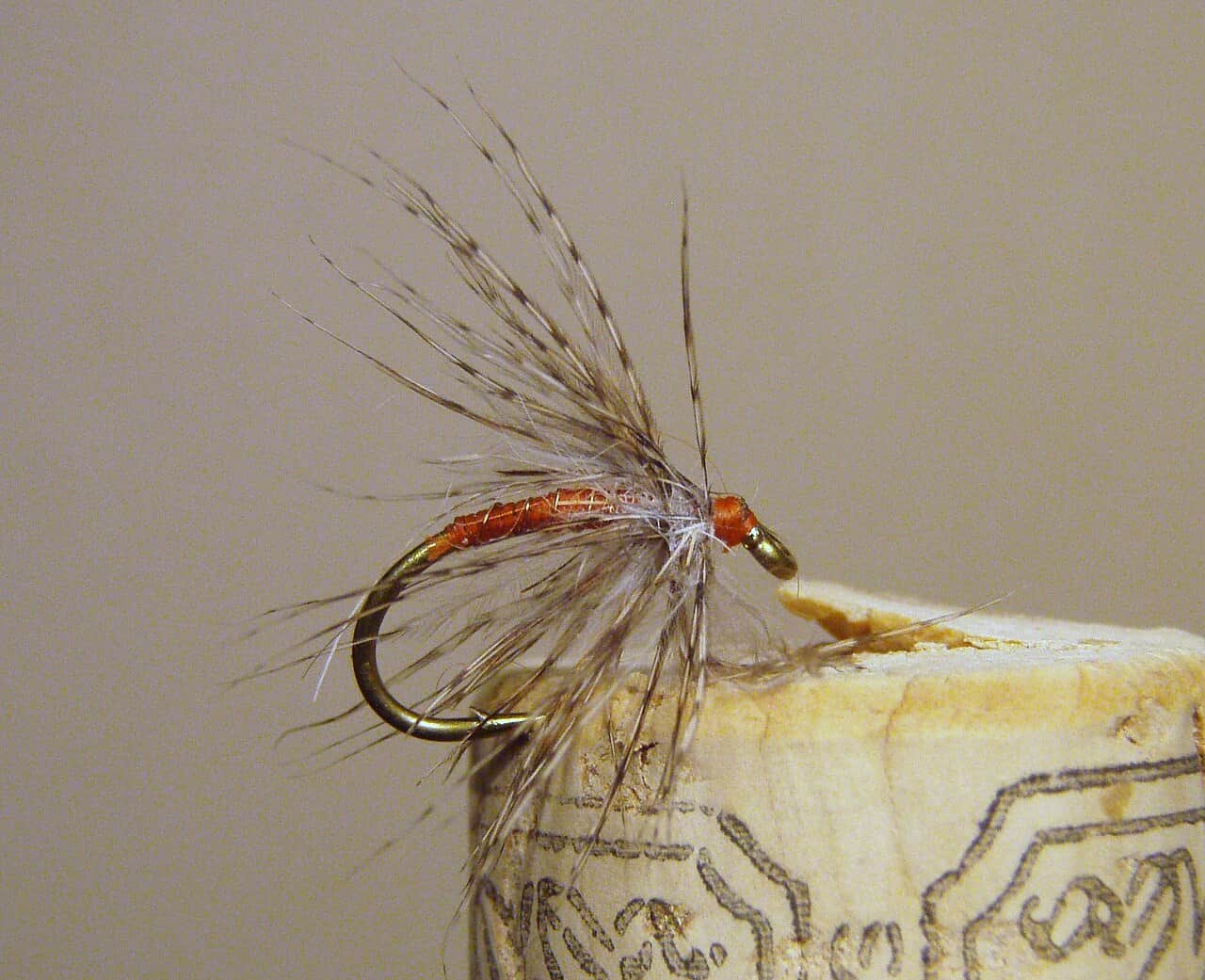
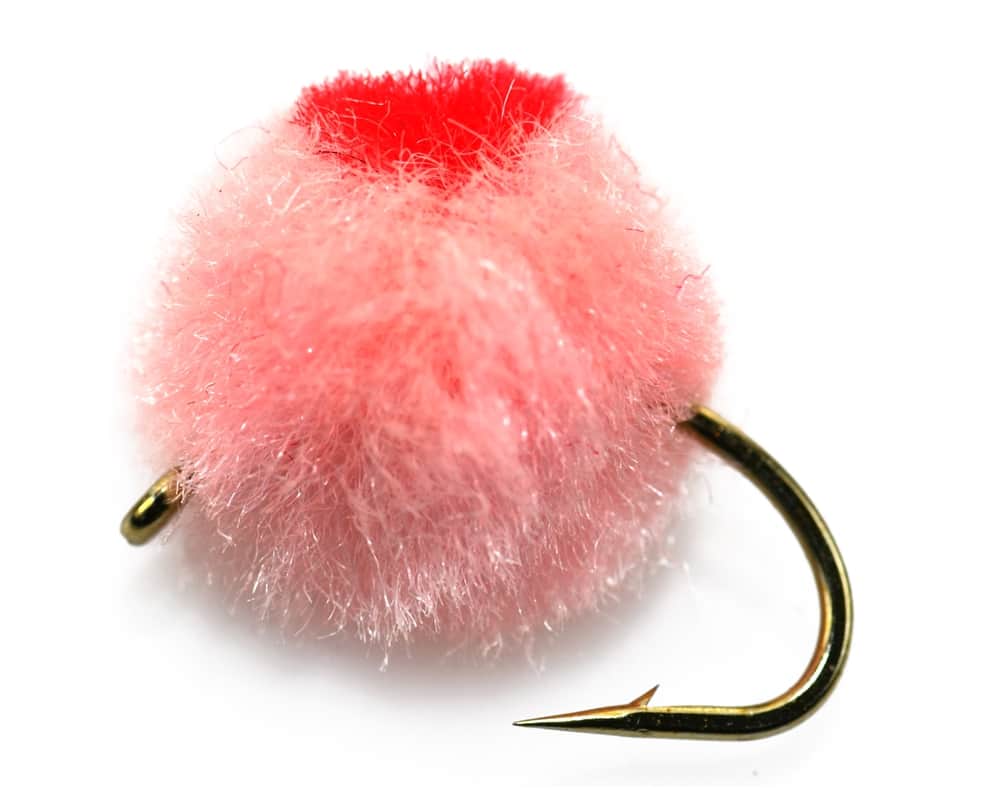
Egg pattern, sucker spawn, black stonefly, olive bugger, emerald shiner
January to February
Winter holding fish, midges, tiny stones, and soft pool edges
Mini egg, zebra midge, black stonefly, pale sucker spawn, small leech
March to April
Spring fish, drop-backs, warming nymph activity, and higher-water windows
Stonefly nymph, egg fly, soft hackle, small streamer, black bugger
May to September
Off-season smallmouth, baitfish, crayfish, caddis, and terrestrials
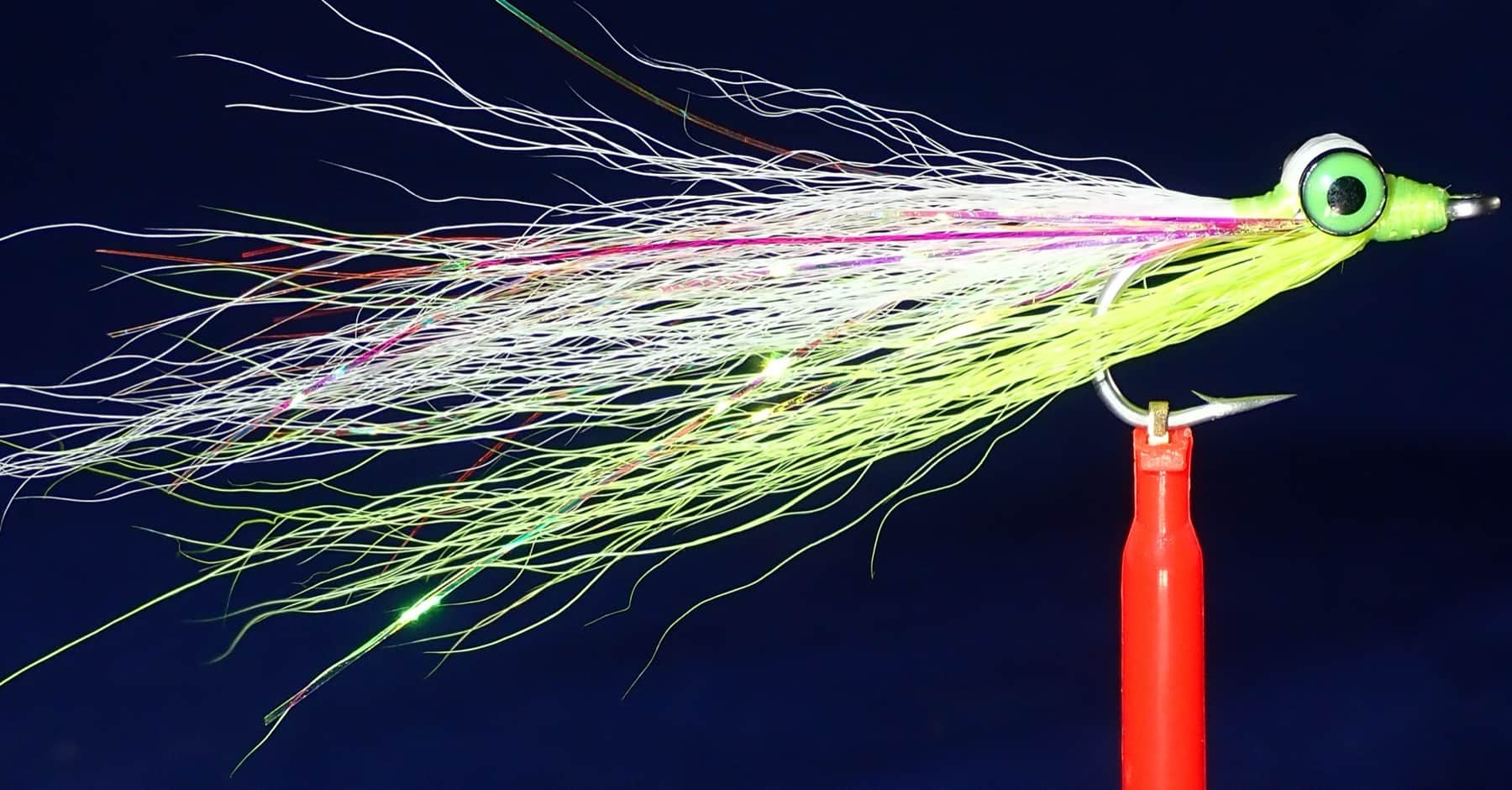
Clouser, crayfish, hellgrammite, popper, foam hopper, small streamer
Eggs and nymphs
Sucker spawn, glow bug, stonefly, pheasant tail, zebra midge
Use under an indicator when steelhead hold in slots, seams, and winter pools.
Streamers
Woolly bugger, leech, emerald shiner, sculpin, small intruder
Use after rain, in stained water, or when fish are moving between pools.
Low-water flies
Small egg, single sucker spawn, size 14 stonefly, midge, sparse streamer
Use in clear water when fish slide away from heavy line and large flies.
Tactics
How to fish it
Walk until you find fishable color and room instead of forcing a crowded pool.
Drift eggs and stones naturally through slots where fish can rest.
Use streamers when stained water lets fish move without seeing every detail.
Downsize quickly when the creek clears and fish become visible.
Keep fish wet, limit photos, and be extra careful in freezing air.
Rigging
Rod, leader, and setup notes
A 7 or 8-weight with floating line handles most Erie tributary steelhead rigs.
Carry 3X to 6X fluorocarbon so you can match clarity.
Use enough weight to reach bottom without dragging the fly unnaturally.
Carry spare gloves, split shot, indicators, and a rubber net.
Access
Access and planning notes
South Ripley trend
Upstream flow contextWade / float / trail
USGS gauge / Erie tributary
When to pick it
Start here for rain timing and trend direction before checking lower Pennsylvania color.
Caution
It is upstream context, not a perfect lower-creek depth reading.
PFBC public access
Legal steelhead entryWade / float / trail
Easement / wade
When to pick it
Use it when you need a supported access framework before rotating pools.
Caution
Confirm signs, easement boundaries, night rules, parking, and posted land.
Lower-creek color check
Final trip filterWade / float / trail
On-site clarity / wade
When to pick it
Pick this before rigging because Erie tributaries can change faster than a single upstream gauge implies.
Caution
Do not assume fresh fish, safe ice, or legal bank space just because the trend looks right.
A Lake Erie permit and tributary rules can apply.
Night restrictions, seasonal rules, and posted land are part of the trip plan.
Have backup tributaries ready when Twenty Mile is low, high, or crowded.
Regulations
Check before fishing
Check PFBC Lake Erie and tributary regulations before fishing Twenty Mile Creek, including permit, season, night, harvest, and access rules.
Primary base
North East, Erie, or Ripley
Best day style
Lake Erie tributary steelhead, easement access, road crossings, and posted-land awareness
Check first
PFBC Lake Erie rules, rain, clarity, USGS upstream trend, easement signs, and weather
Safety
Cold water, ice, clay banks, quick rises, crowding, and private property
Gear
Helpful gear for this water
Seven or eight-weight rod
Useful for indicators, winter wind, and bigger tributary fish.
Floating line with spare leaders
Covers most Erie tributary nymph and egg work.
Studded boots
Shale, clay, and winter edges get slick fast.
Lake Erie permit check
Confirm permit, season, night, and tributary rules before fishing.
Dry gloves and layers
Cold tributary days punish slow rigging and wet hands.
Nearby water
Other water to research
Backup logic
Blown out
Compare Elk Creek, Walnut Creek, or another Erie tributary with a better-clearing window.
Low and clear
Downsize and fish quietly only if access is uncrowded; otherwise move tributaries.
Ice or cold safety
Skip unsafe banks and crossings, then recheck after conditions improve.
Crowding or posted land
Use a confirmed public easement or choose another tributary before forcing access.
Elk Creek
A larger Erie steelhead tributary with similar rain and crowd planning.
Allegheny River
A western Pennsylvania big-river option when Erie tributaries are wrong.
Clarion River
A forested mainstem option with trout and smallmouth context.
FAQ
Fast answers
Is Twenty Mile Creek fishable today?
Twenty Mile Creek needs a live-condition check before you commit. The live score is 44/100, based on current flow, weather, public alerts, and the report's planning context. Recheck the linked gauge and forecast before leaving because conditions can change quickly after rain, heat, access changes, or flow swings.
What flow is best for Twenty Mile Creek?
Use USGS 04213305 at South Ripley as upstream trend context, not a perfect lower Pennsylvania depth reading. Confirm current color, safe footing, ice, and legal access on the Pennsylvania reach before fishing.
When should I skip Twenty Mile Creek?
Skip or pivot when the creek is blown out, low and clear with heavy pressure, iced in, posted or access-limited, or when Lake Erie tributary rules and permit requirements have not been checked.
Is Twenty Mile Creek safe to wade right now?
The fishability score is not a wading guarantee. Wade only where your chosen access has safe edges, clear footing, legal entry, and no forced crossings; high, rising, stained, or storm-affected water should be treated conservatively.
What should I check first before fishing Twenty Mile Creek?
Check PFBC Lake Erie rules, recent rain, creek color, NWS weather, and the USGS South Ripley trend gauge.
Where should a first-time visitor start on Twenty Mile Creek?
Start with verified public easement or park access near North East, then follow signs and posted boundaries.
Can I wade Twenty Mile Creek?
Yes at safe flows, but clay banks, winter ice, and quick rain rises make conservative wading important.
What flies should I bring for Twenty Mile Creek?
Bring the seasonal fly box, then adjust size, weight, and color to water level, clarity, temperature, and fishing pressure.
Sources
Source set for this report
Reviewed 2026-06-01