7-day U.S. Geological Survey chart
Recent flow
Discharge
645 cfs62 cfs
Oct 15Oct 22
Latest reading: 62 cfs. Stable over about 6 hours. Chart covers Oct 15 through Oct 22; readings are provisional and may be revised.
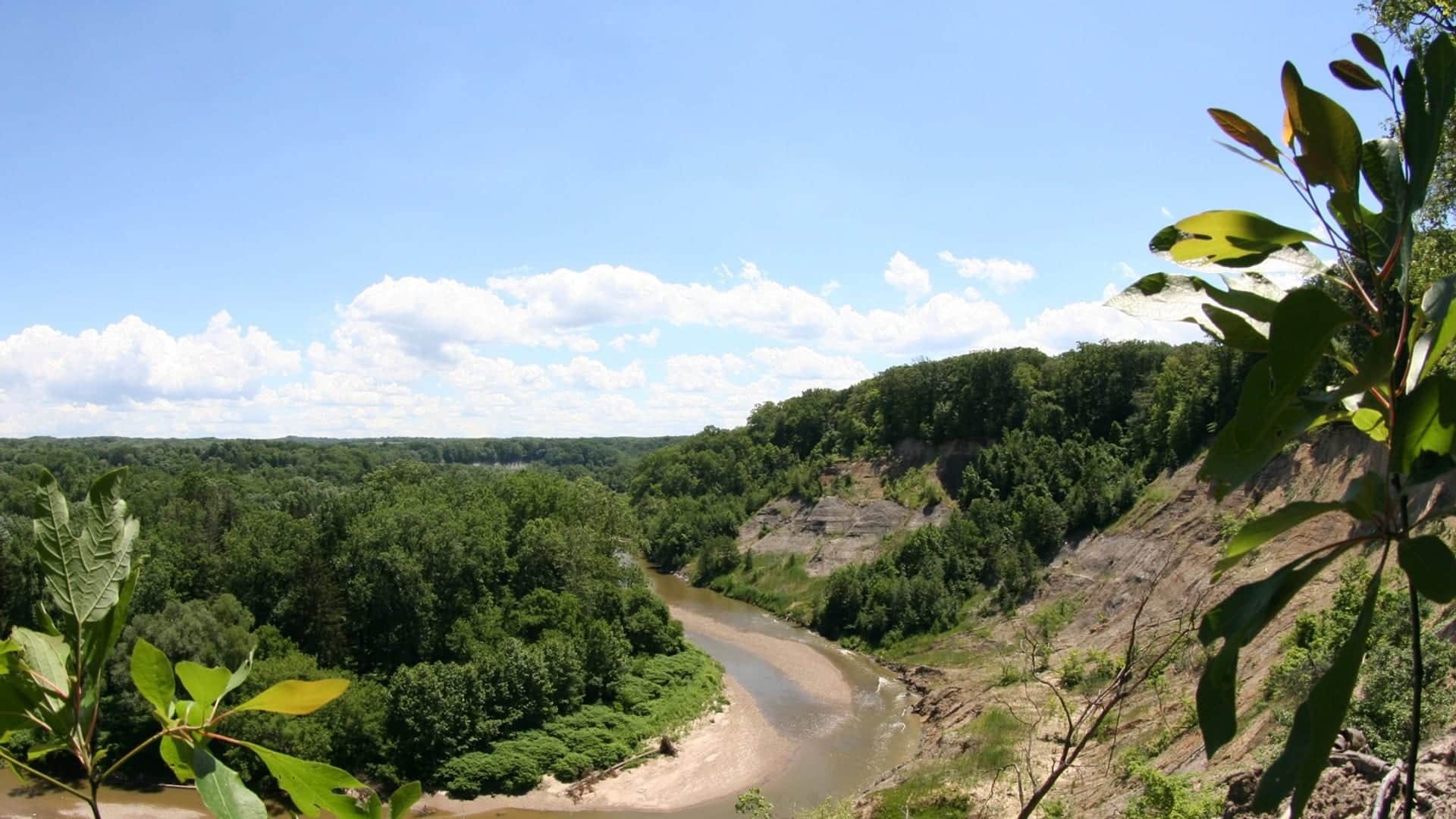
Best option: Wading. Wading is in play only where your chosen access has clear footing, legal entry, and no forced crossings.
Rating updatedRiver local time:
USGS shows 62 cfs. The flow has been stable over about 6 hours. USGS marks this reading provisional and may revise it. USGS records for this date (1926-2026, 90 readings) show a typical middle range of 54 cfs to 197 cfs. Flow is within the typical range for this date, so weather, temperature, and access become the next checks.
NWS air forecast near
This is an air forecast, not a river-temperature reading. Check the water with a stream thermometer before fishing in hot weather.
Discharge
Latest reading: 62 cfs. Stable over about 6 hours. Chart covers Oct 15 through Oct 22; readings are provisional and may be revised.
Sunny
The National Weather Service forecast is temporarily unavailable.
Current U.S. Geological Survey gauge: Chagrin River at Willoughby
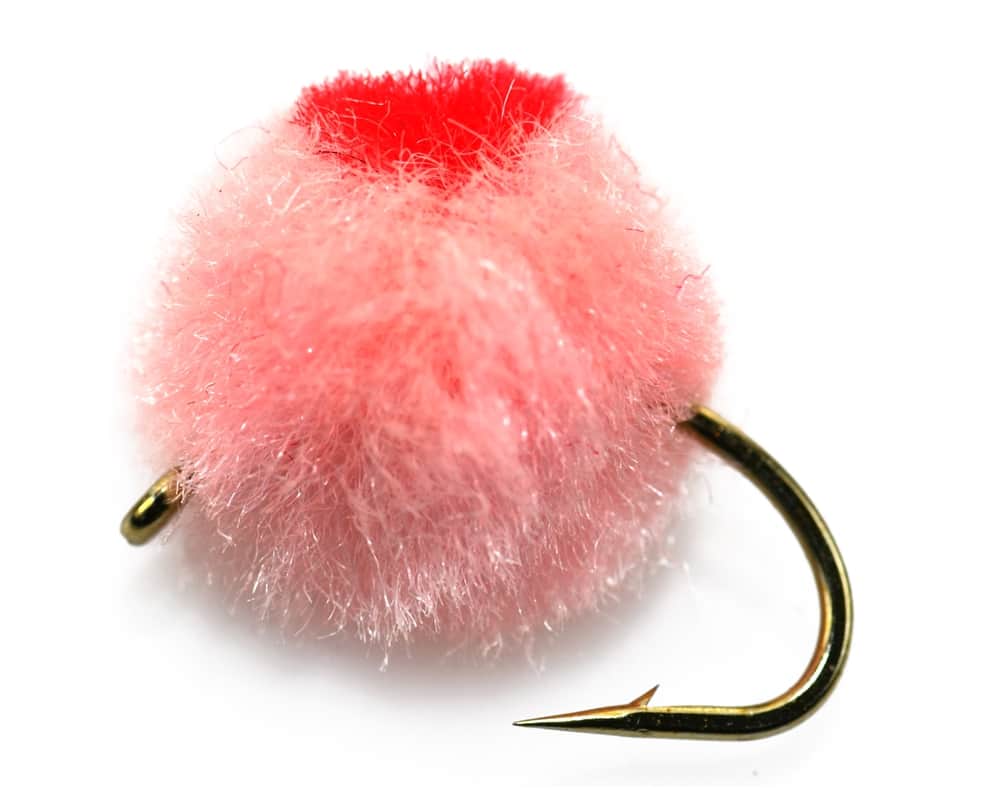
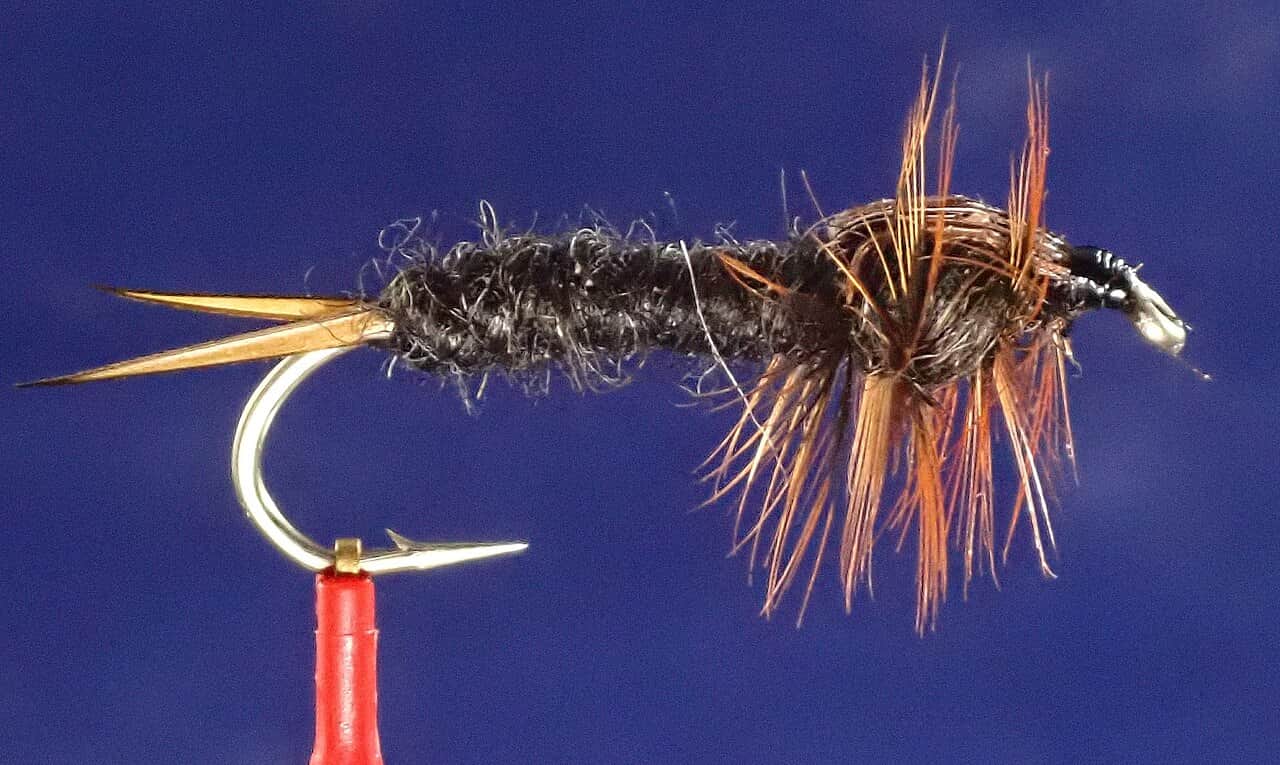
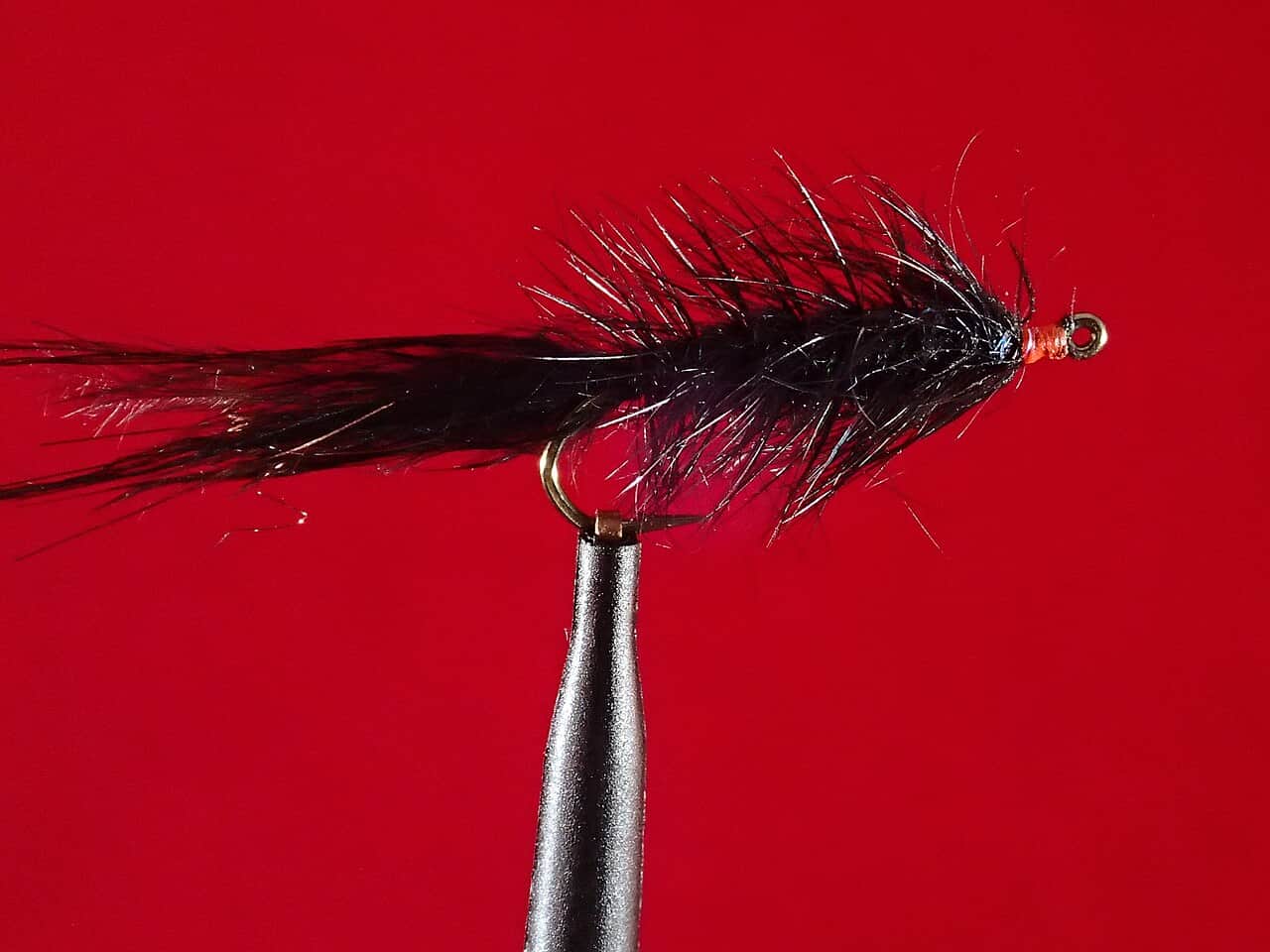
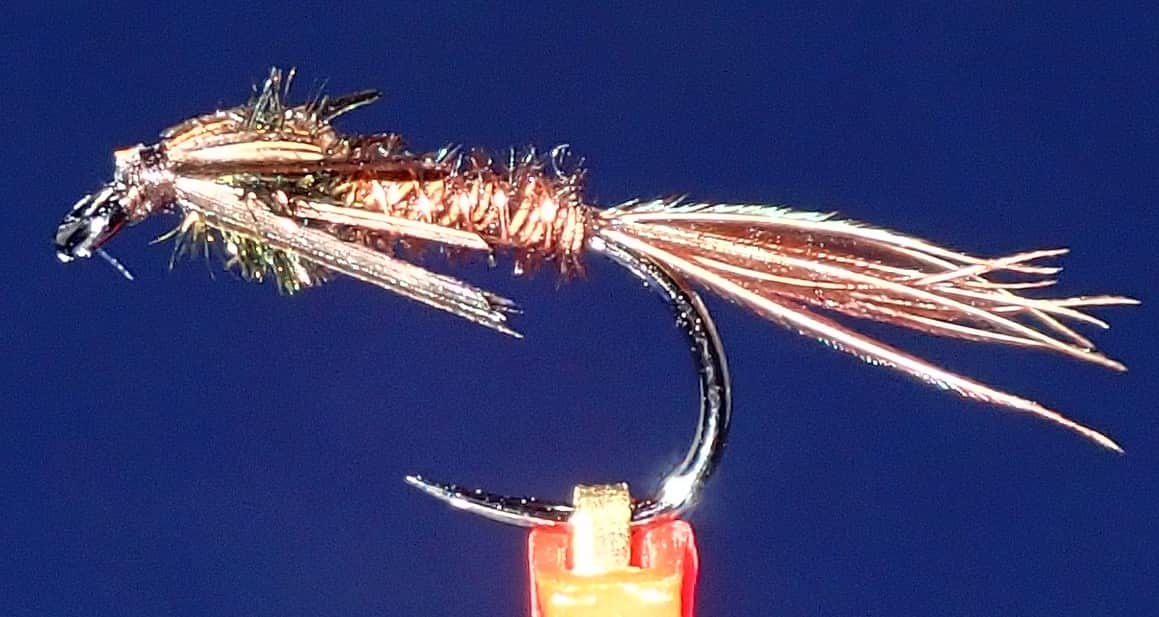
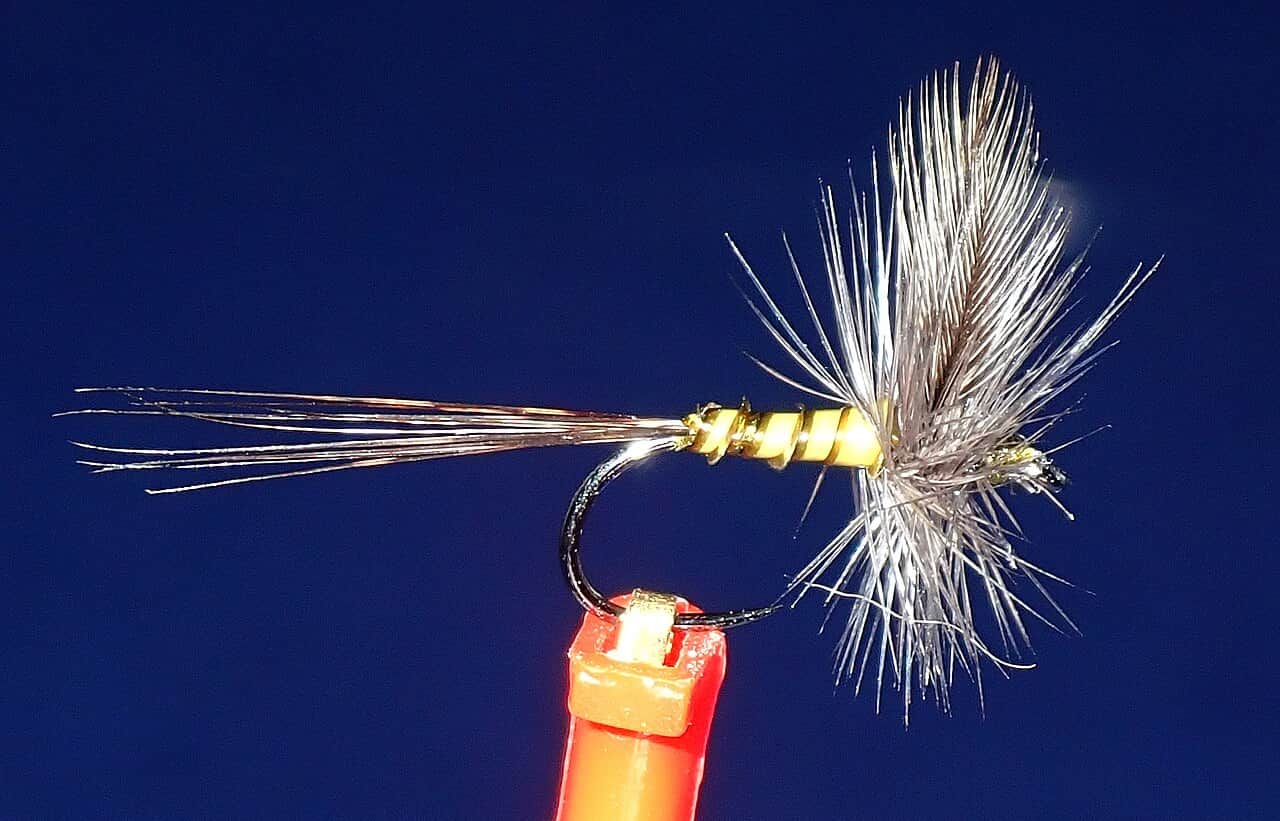
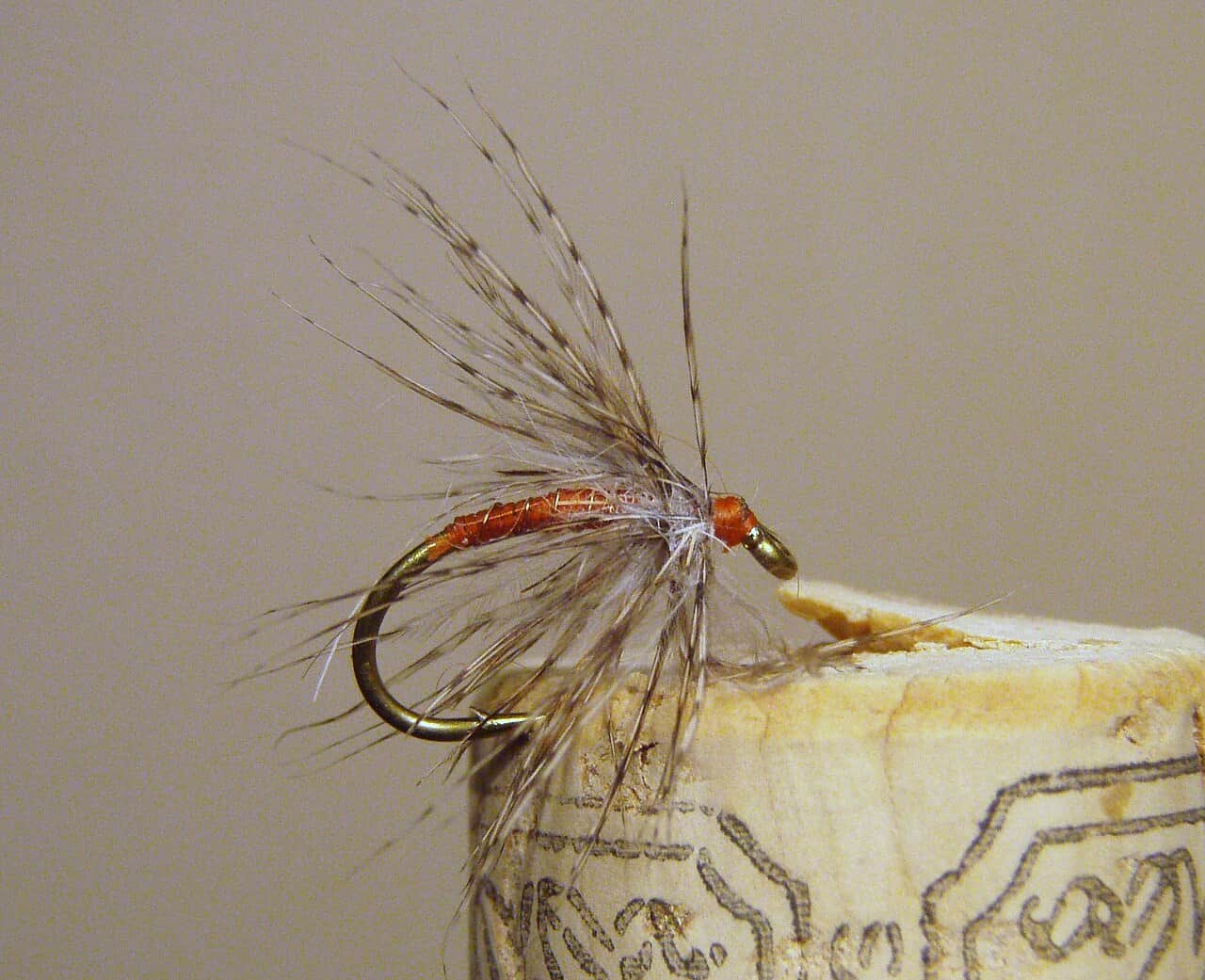
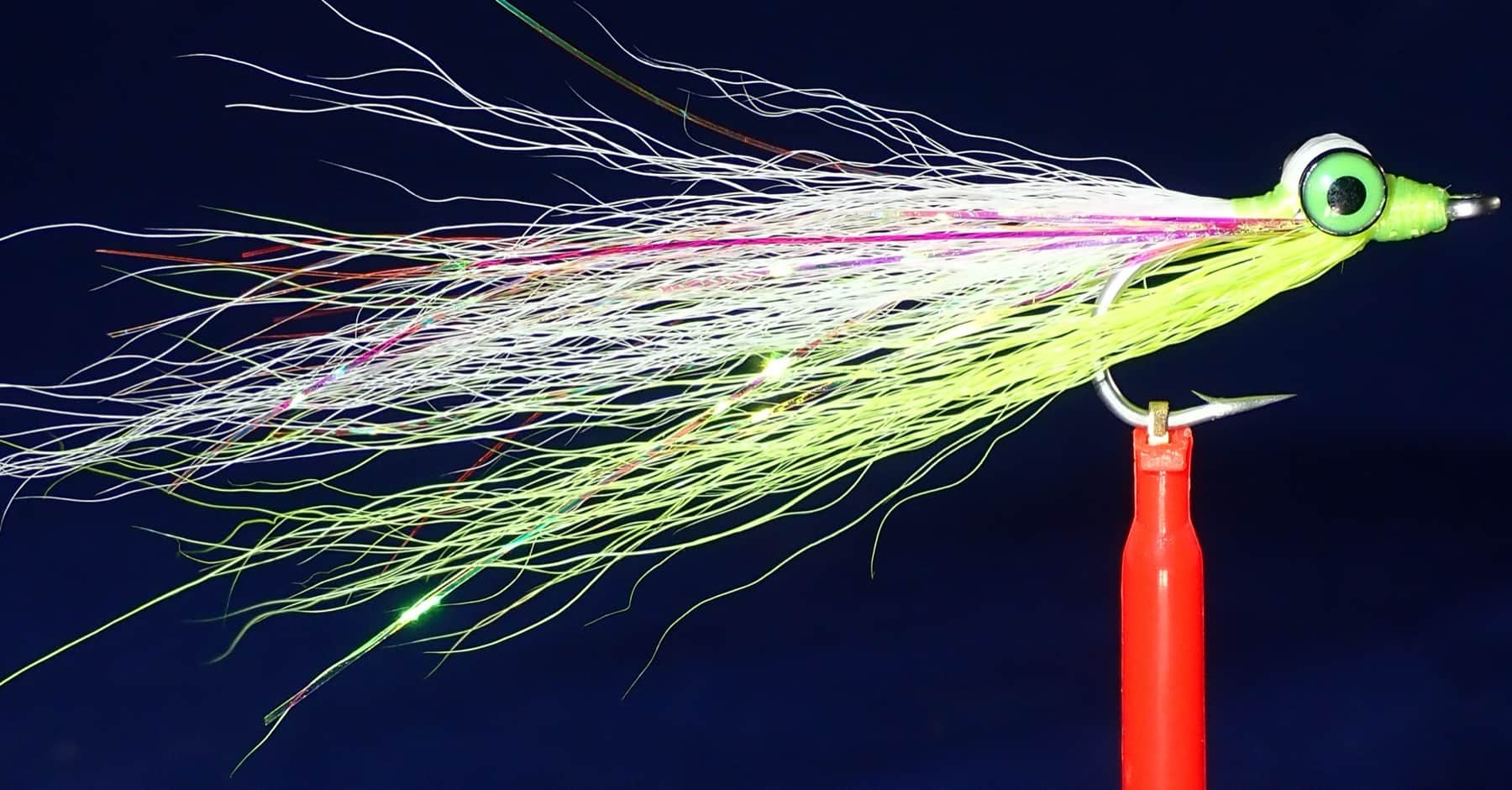
Seasonal starting points, not a live hatch report. Match what you see on the water.
Also try Crayfish, slider
Each fly name opens its matching Fly Box guide.
The Chagrin is worth watching after rain but not worth forcing when blown out. Fish the drop, use public access, and shift to smallmouth once steelhead season fades.
Prime steelhead condition for eggs, nymphs, and swung streamers.
Avoid wading and wait for the hydrograph to fall.
Use smaller eggs, stoneflies, long leaders, and stealth.
Fish smallmouth with streamers, crayfish, and topwater near shade and ledges.
These scores compare the risks of wading, bank fishing, and floating.
Wading is in play only where your chosen access has clear footing, legal entry, and no forced crossings.
This report does not recommend bank fishing on this reach.
This report does not recommend floating this reach.
Is Chagrin River worth the trip today? Check flow, weather, hatches, access, and rules for Ohio before you go.
The Chagrin is a classic Northeast Ohio steelhead stream. It rises quickly after storms and fishes best when the Willoughby gauge is dropping, clearing, and still cool.
USGS shows 62 cfs. The flow has been stable over about 6 hours. USGS marks this reading provisional and may revise it. USGS records for this date (1926-2026, 90 readings) show a typical middle range of 54 cfs to 197 cfs. Flow is within the typical range for this date, so weather, temperature, and access become the next checks.
Late fall: Fresh steelhead arrive with rain and cooling water.
The current NWS air forecast is about 55F, and the next 24-hour high reaches about 65F. Sunny.
No active NWS alert was returned for this forecast point.
Skip wading when the Willoughby gauge is rising hard, the river is blown out, shelf ice is present, or crowded access makes safe spacing unrealistic.
Use USGS 04209000 at Willoughby as the main timing tool. Fish the drop after rain when color and safety line up, and be cautious when the hydrograph is still rising.
Skip wading when the Willoughby gauge is rising hard, the river is blown out, shelf ice is present, or crowded access makes safe spacing unrealistic.
Check Willoughby flow, Ohio rules, ODNR access, park conditions, and the weather. Pick one public access, rig eggs/nymphs or streamers for steelhead, and keep a smallmouth plan for warm stable water.
If the Chagrin is high, icy, or crowded, compare Conneaut Creek, Chautauqua Creek, or Cattaraugus Creek before waiting at the same access.
Use these places as starting points. Open the access link below and check posted signs before you park or enter.
Ohio Lake Erie smaller stream rules and statewide fishing rules apply. Check the current ODNR rules before keeping fish or targeting special species.
Lake Metroparks access near lower and middle river water.
Popular steelhead access and flow-planning zone.
Upper and branch context with public park access.
Official agencies and primary river operators come first. Secondary tools are labeled so you know what carries the most weight.
Check what is allowed, where the rule applies, and whether the river is open.
Check the latest river reading and forecast before you leave.
Check public entry points, land rules, and seasonal access changes.
Check what is allowed, where the rule applies, and whether the river is open.
Open the current rules and check the river section, season, and special limits.
Open the current rules and check the river section, season, and special limits.
Check the latest river reading and forecast before you leave.
Open this page and check the latest safety advice before your trip.
Open this river reading to check the latest level, flow, and update time.
Check public entry points, land rules, and seasonal access changes.
Open the land or access page, then check signs before you park or enter.
Open the land or access page, then check signs before you park or enter.
Open the land or access page, then check signs before you park or enter.
What was checked: This report is maintained from current regulation, access, flow, weather, and public planning sources so anglers can make better trip decisions than a raw gauge or generic overview would allow.
Live measurements and forecasts keep their provider timestamps. Rules, access, and trip guidance use the source-review date shown here. BlueStreamFly planning advice is editorial interpretation, not an agency notice.
First-hand experience: BlueStreamFly does not claim a first-hand visit or local field test for this report unless a real contributor is explicitly named and linked.
Check Willoughby flow, rain trend, clarity, public access, Ohio rules, and water temperature.
Yes. Ohio Lake Erie smaller stream and statewide rules apply, with species-specific restrictions.
Often at moderate flows, but slick shale, ice, and storm spikes make conservative wading important.
Bring the seasonal hatch box, a nymph box, a few streamers, and a backup plan for clear, high, warm, or crowded water.