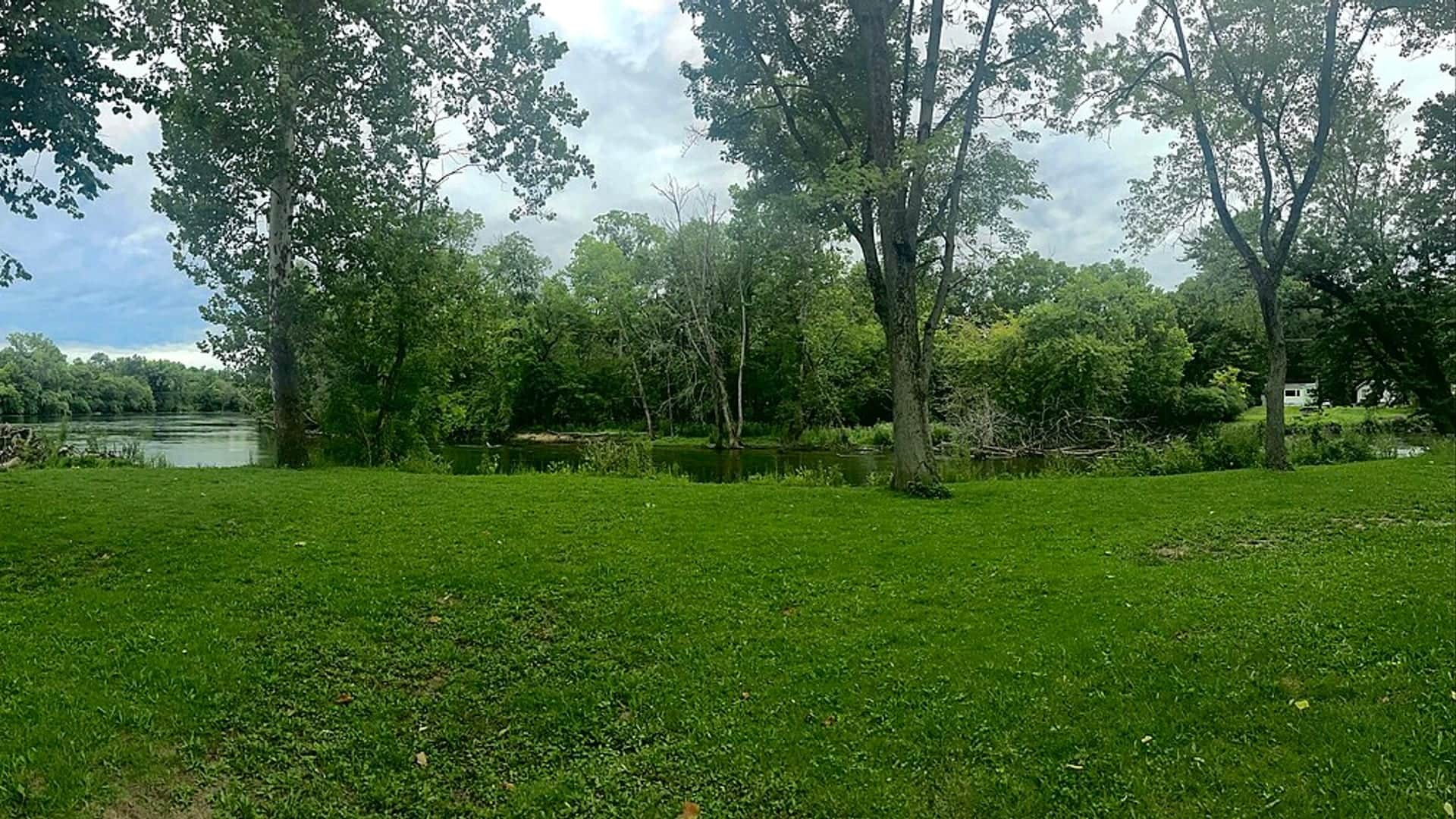
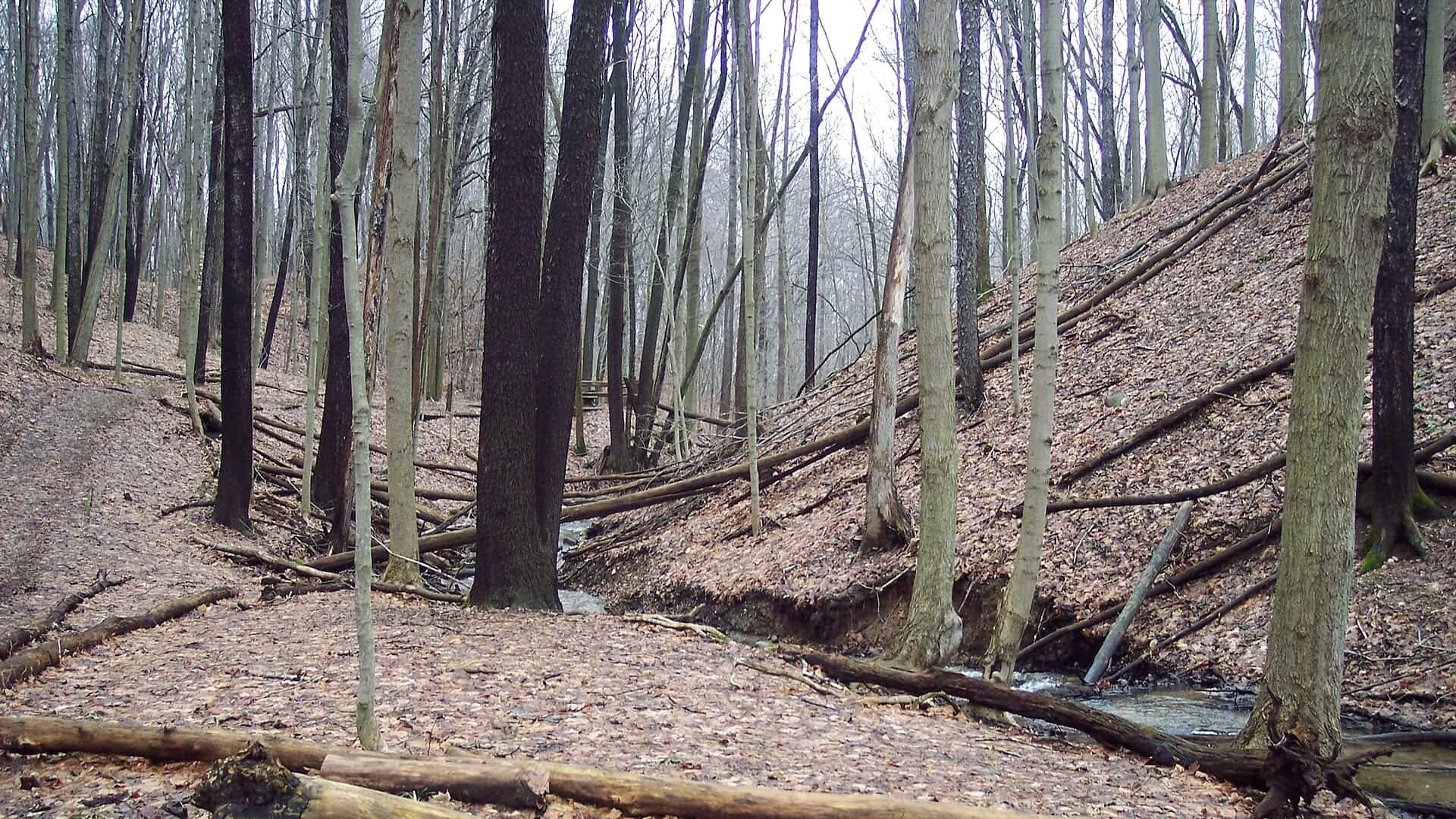
St. Joseph River water or watershed scenery in Michigan

Michigan / Midwest

St. Joseph River

A St. Joseph River report for Michigan fly anglers checking Niles flow, lower-river access, salmon and steelhead windows, bass water, and rules.

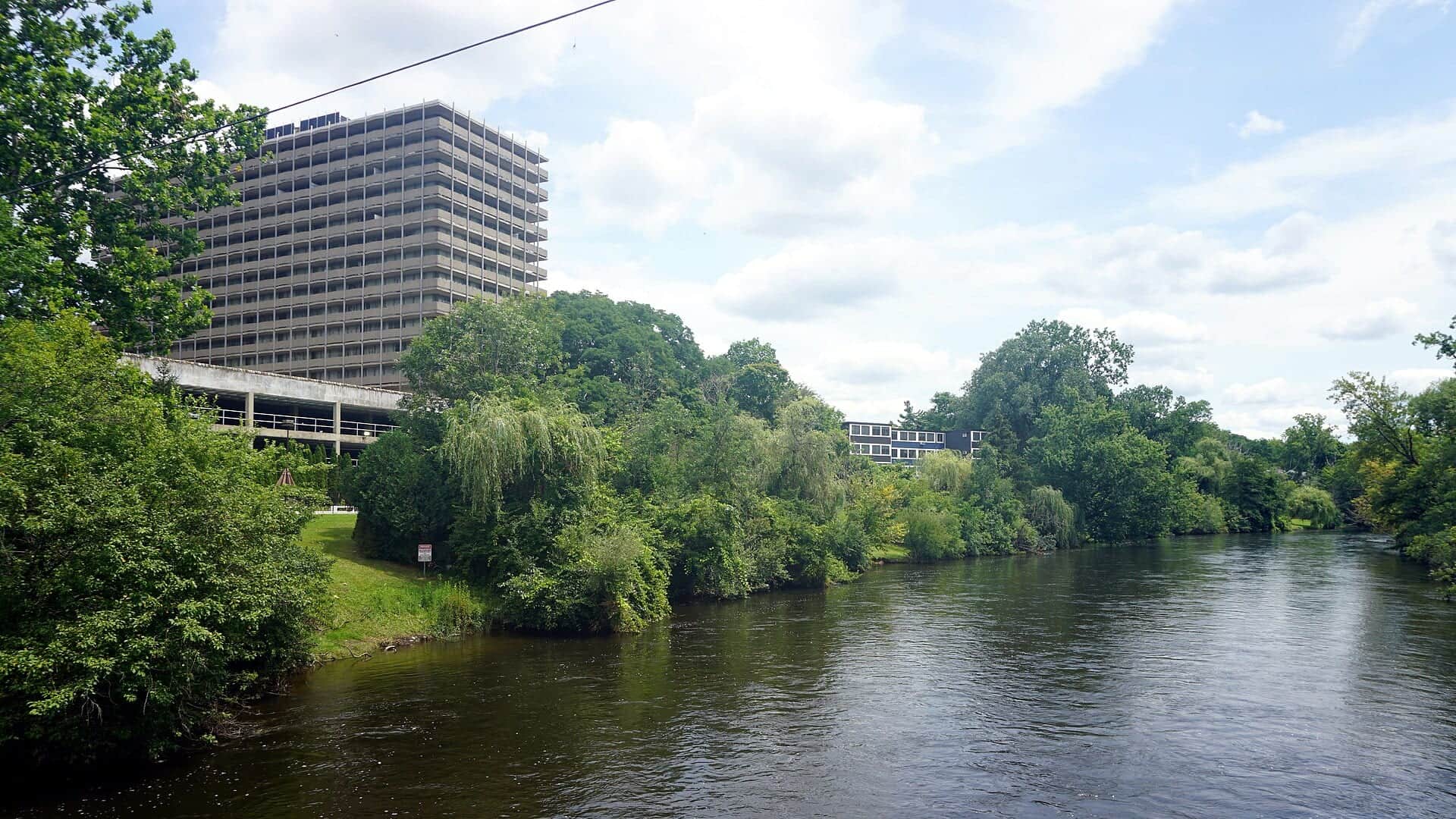
Image: Island park, Niles, St. Joseph river (Michigan) / CC BY-SA 4.0 / SwissAmish

Fishability now: St. Joseph River fishability today

GoodData confidence: High

74/100

Fishable now because Niles gauge is stable, weather is usable, and no public alert is active.

Flow observed

5:15 PM UTC

Weather observed

5:00 PM UTC

Score calculated

6:13 PM UTC

Why this rating

Flow

Water temperature

Public alerts

Next 6-12 hours

Hold

Stable live data supports staying with the plan, but recheck the gauge and forecast before leaving.

More planning details: flies, flow bands, and live source checks

Fish it today

Start here

Start with the Niles gauge, then choose one practical mode: migratory-fish lanes, summer smallmouth structure, pike edges, or carp flats. Match the access point and rod weight to that mode before leaving home.

Best flow clue

Use USGS 04101500 at Niles for the lower-river trend. Stable medium flow is best for reading seams and structure; high or stained water should move the plan to safer banks, public launches, or another river.

Skip trigger

Skip or narrow the plan when dam turbulence, high flow, boat traffic, private-bank uncertainty, or current salmon and steelhead rules make the intended reach unclear.

Flow decision bands

Low but fishable

Lower stable water can fish from banks, launches, and softer seams when dam and private-bank questions are settled.

Best mixed-species window

Stable or slowly falling Niles flow with manageable clarity gives the best steelhead, salmon, smallmouth, pike, carp, and streamer signal.

Pushy or unsafe

High flow, dam turbulence, boat wakes, or stained current should move the plan to safer banks or another river.

Dam and launch caution

Portages, dams, boat traffic, private banks, and seasonal migratory rules can override a good-looking flow.

USGS flow

2,820 cfs

Open

Current trend: flow stable, so weather, temperature, and access checks drive the next change.

Live USGS flow

2,800 cfs / stable

Live NWS forecast

78F / Sunny

Live water temperature

72F from USGS

No NWS alert flag

No active NWS alert was returned for this forecast point.

Primary waterLower St. Joseph River from Niles toward Lake Michigan
Flow checkUSGS St. Joseph River at Niles 04101500
Access styleWater-trail launches, parks, dams, shore access, and boat-heavy lower river
ReviewedMay 31, 2026

Use the Niles USGS gauge for lower-river trend and avoid substituting nearby tributary gauges.

Spring and fall migratory windows need current Michigan rules and careful dam-area planning.

Summer smallmouth, pike, and warmwater fishing can be the better fly plan than trout-style tactics.

Dams, portages, and boat traffic make access planning more important than just finding a bridge.

Editorial review

How this report is maintained

This St. Joseph River report is maintained from the Niles USGS gauge, Michigan fishing regulation sources, Michigan Water Trails access context, boating access information, weather, media-credit, and lower-river warmwater and migratory-fish planning sources.

Byline

BlueStreamFly editorial team

Reviewed by

BlueStreamFly source review

Maintained by

Mountain Brook Run LLC

Last material review

2026-05-31

Report confidence

Good confidence

87/100

Good confidence: USGS 04101500, Michigan regulation sources, water-trail access context, boating information, weather, and media support are in place. Confidence is moderated by migratory rules, dam and portage logistics, boat traffic, and lower-river access variability.

Regulations

Michigan fishing regulations and trout/salmon maps support current species and reach checks.

Access

Water-trail and boating sources support planning, but exact banks, portages, dams, and launches still need day-of confirmation.

Flow and weather

USGS 04101500 and the National Weather Service point are attached to the route.

Fishing usefulness

The page now separates Niles flow, migratory fish, warmwater tactics, dam and launch safety, boat traffic, and Kalamazoo or Pere Marquette backups.

Fishability dashboard and source review

2026-05-31 / material content or source review

USGS St. Joseph River at Niles, Michigan regulations, Inland Trout and Salmon maps, Michigan Water Trails St. Joseph River context, Michigan boating access information, and the National Weather Service point were checked before updating the current fishability guidance.

2026-05-31

Updated St. Joseph River with Niles flow guidance, dam, launch, and water-trail access cards, boat-traffic cautions, backup cues, stable fishability SEO, and confidence signals.

2026-05-28

Added lower-river trip fit, warmwater-versus-migratory planning, dam and portage cautions, boat-traffic access nuance, backup-water suggestions, editorial review signals, and a page-specific report-confidence meter after source review.

2026-05-25

Initial source-reviewed report published with flows, weather, hatches, flies, tactics, access, regulations, and FAQs.

Angler planning edge

Local details that change the plan

Best for

Southern Michigan anglers deciding between steelhead, salmon-season scouting, smallmouth, pike, carp, and broader warmwater fly tactics, Trips where the Niles flow, dams, portages, public launches, and boat traffic matter as much as fly choice, Lower-river days when a single reach plan is safer than trying to cover every dam or bridge access, Anglers comparing the St. Joseph with the Kalamazoo, Huron, and Pere Marquette before committing to a west-side plan

Wade or float

Treat the St. Joseph as a mixed bank, boat, launch, and careful-wade river. The lower river is not a simple trout stream; dams, deeper runs, portages, boat traffic, and private banks should decide how much water you try to cover.

Best flows

Use USGS 04101500 at Niles for the lower-river trend. Stable medium flow is best for reading seams and structure; high or stained water should move the plan to safer banks, public launches, or another river.

When to skip

Skip or narrow the plan when dam turbulence, high flow, boat traffic, private-bank uncertainty, or current salmon and steelhead rules make the intended reach unclear.

Local plan

Start with the Niles gauge, then choose one practical mode: migratory-fish lanes, summer smallmouth structure, pike edges, or carp flats. Match the access point and rod weight to that mode before leaving home.

Pressure

Pressure can cluster near dams, obvious launches, and seasonal migratory corridors. Fishing less obvious warmwater structure or choosing a weekday can be more productive than forcing crowded water.

Access nuance

Michigan Water Trails and boating sources support the public-access framework, but they do not make every bank or portage public. Use posted launches, parks, and legal river access.

Backup water

If the St. Joseph is high, crowded, or hard to access safely, compare the Kalamazoo for another southwest Michigan warmwater plan, the Huron for clearer smallmouth-focused water, or the Pere Marquette for a more classic trout and migratory-fish destination.

About the river

Setting, character, and why it fishes the way it does.

The St. Joseph River drains parts of southern Michigan and northern Indiana before reaching Lake Michigan. In Michigan, the lower river is shaped by towns, dams, boat traffic, public launches, and seasonal fish movement.

For fly anglers, the river is best understood in two modes. During migratory seasons it can draw salmon and steelhead anglers near lower-river corridors. During warmer months, bass, pike, carp, and other warmwater species become the more practical targets.

This page focuses on the Michigan lower-river plan near Niles and downstream because that is where current flow, public access, and migratory-fish planning overlap most clearly.

Target species

Steelhead

A seasonal migratory target; verify Michigan rules, methods, and reach details before fishing.

Salmon

Possible during fall movement; avoid snagging and read current legal method rules carefully.

Smallmouth bass

A strong summer fly target around rock, bridge edges, seams, and clearer structure.

Northern pike and carp

Good warmwater options in slack edges, weeds, flats, and backwater-style habitat.

Reading the water

Stable medium flow

Fish seams, current breaks, and dam-influenced soft edges with streamers or nymphs.

High or stained

Stay out of heavy current and fish edges only where access is legal and safe.

Low summer water

Focus on shade, rock, weed edges, and smaller flies for bass or carp.

Migratory push

Use legal presentation methods and avoid crowded dam areas when safety or ethics are poor.

Best seasons

Spring

Steelhead and warming-water bass windows can overlap; watch flow and rules.

Summer

Warmwater poppers, crayfish, streamers, and sight-fishing are the practical fly program.

Fall

Salmon and steelhead movement can draw pressure; use current rules and safe access.

Winter

Cold-water steelhead attempts require careful flow, ice, and access checks.

USGS flow

St. Joseph River at Niles

This is the fallback for rivers that are not covered by RiverReports. Use the official USGS monitoring page for the live hydrograph, station metadata, and current water trend.

Open USGS gauge

USGS data chart

St. Joseph River at Niles

Streamflow over the latest USGS reporting window.

Latest

2,820 cfs

Jun 3, 4 PM UTC

Site

04101500

Low / high

2,780 / 4,180 cfs

Source

Open USGS

Weather

River weather report

Weather can change wading safety, road access, water temperature, hatches, and the best time of day to fish.

Live forecast loads as you reach this section

This keeps the report fast while still using the official National Weather Service forecast point.

Hatches and flies

Hatch chart and fly picks

April to May

Warming shallows, early caddis, minnows, crayfish, and pike movement

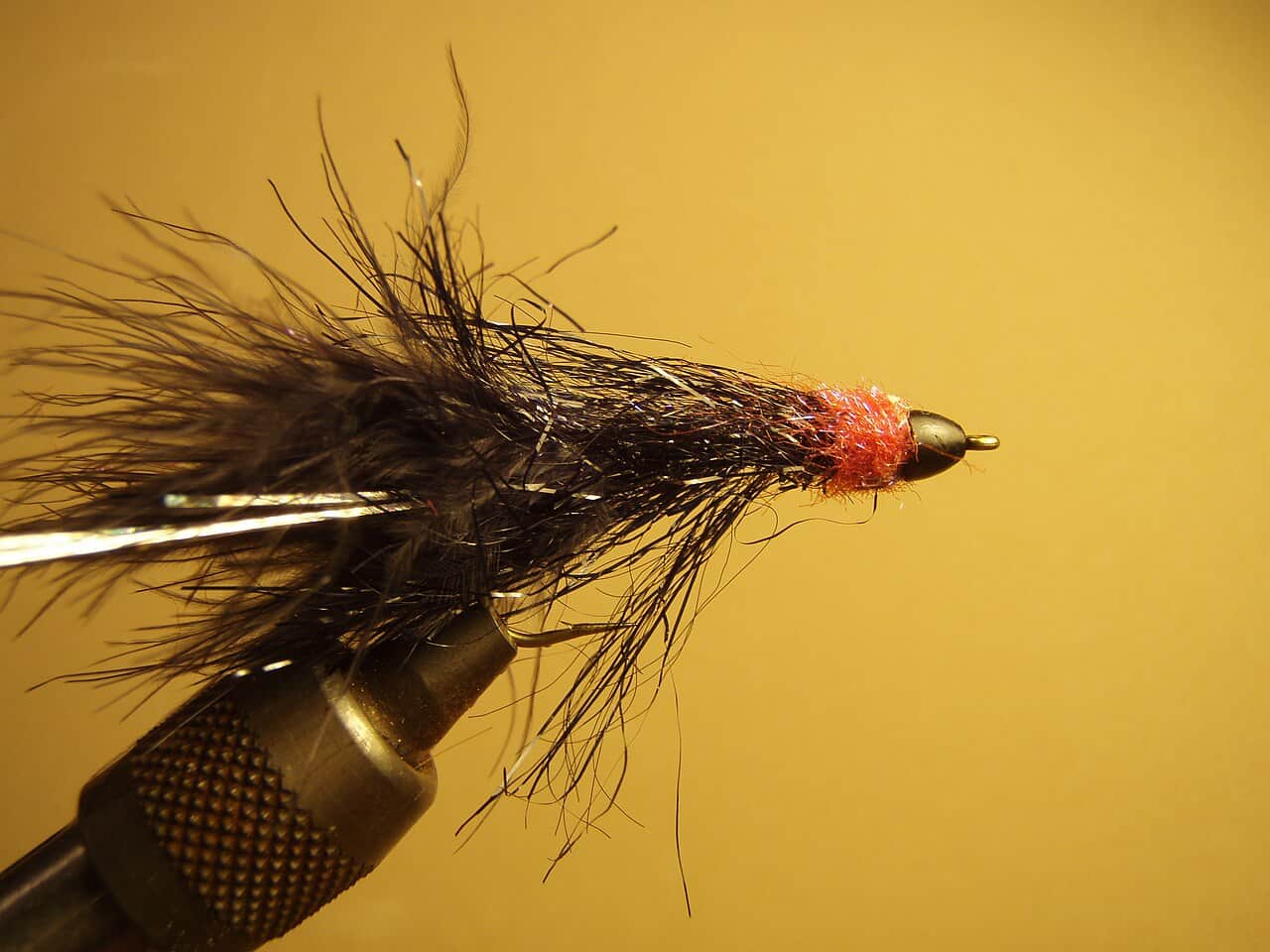
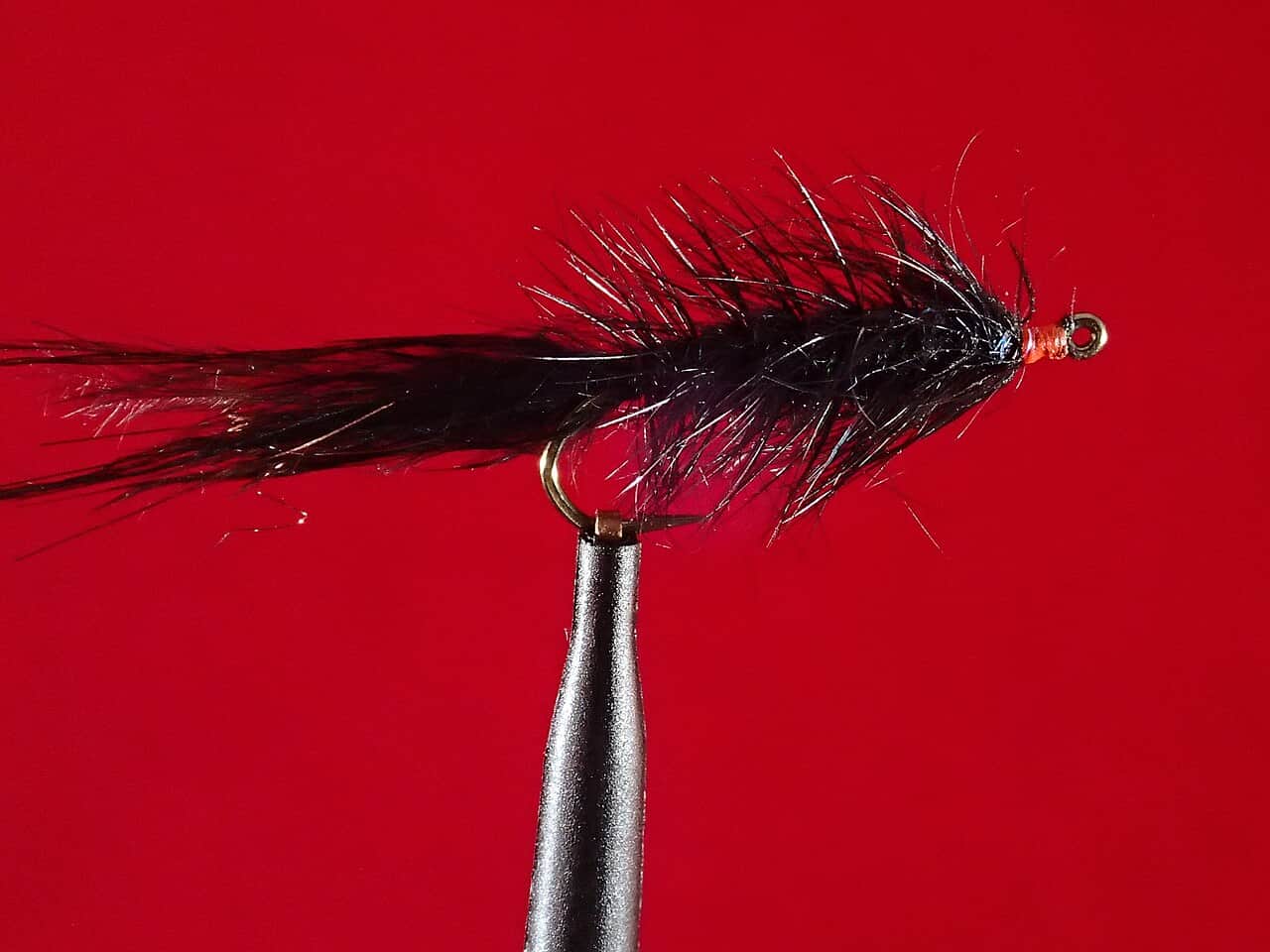
Small Clouser, crayfish, black bugger, soft hackle, small deceiver

June to August

Damselflies, dragonflies, hoppers, cicadas, frogs, and baitfish

Poppers, sliders, foam hopper, damselfly nymph, baitfish streamer

September to October

Cooling-water baitfish, crayfish, late terrestrials, and streamer windows

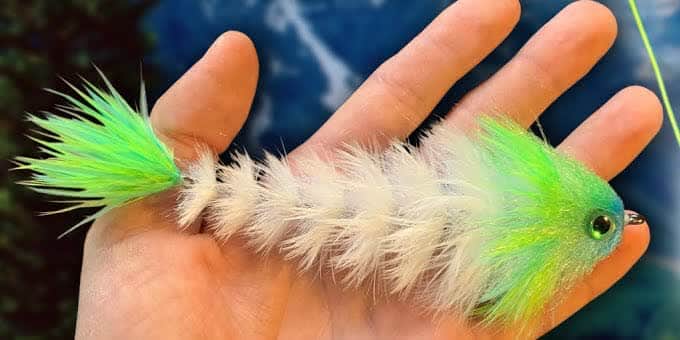
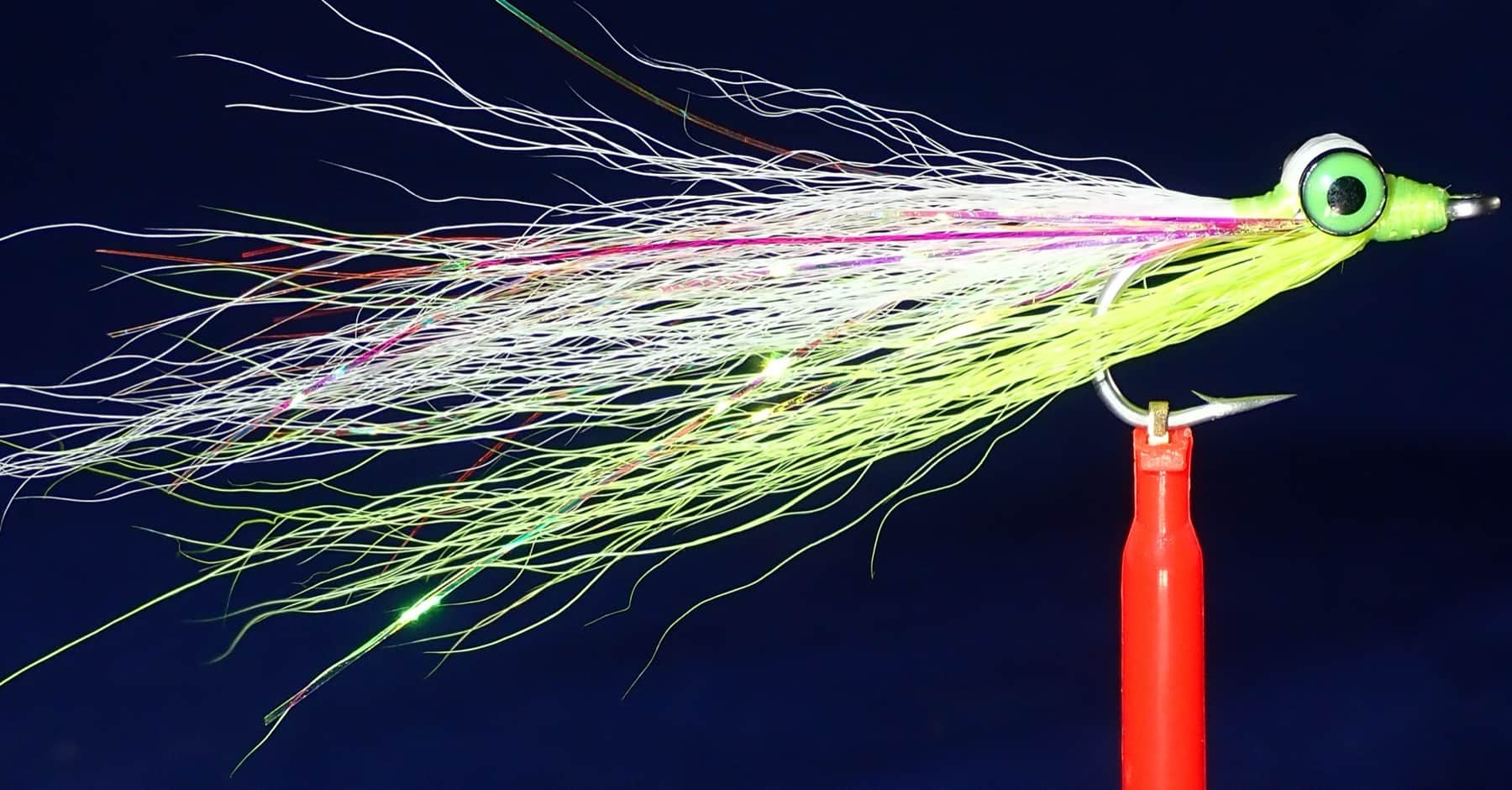
Game changer, Clouser, crayfish, small leech, popper on warm afternoons

Cold months

Limited surface feeding; slower holes and warm afternoons matter most

Slow leech, jig streamer, small baitfish, nymph under indicator

Topwater

Poppers, sliders, frogs, foam bugs

Use on shaded banks, wood, weed edges, and summer low-light smallmouth or pike windows.

Baitfish

Clouser, deceiver, game changer, woolly bugger

Use in stained water, around current seams, and when bass or white bass chase minnows.

Crayfish

Rust, olive, and tan crayfish patterns

Use around rock, bridge riprap, logjams, and deeper outside bends.

Nymphs

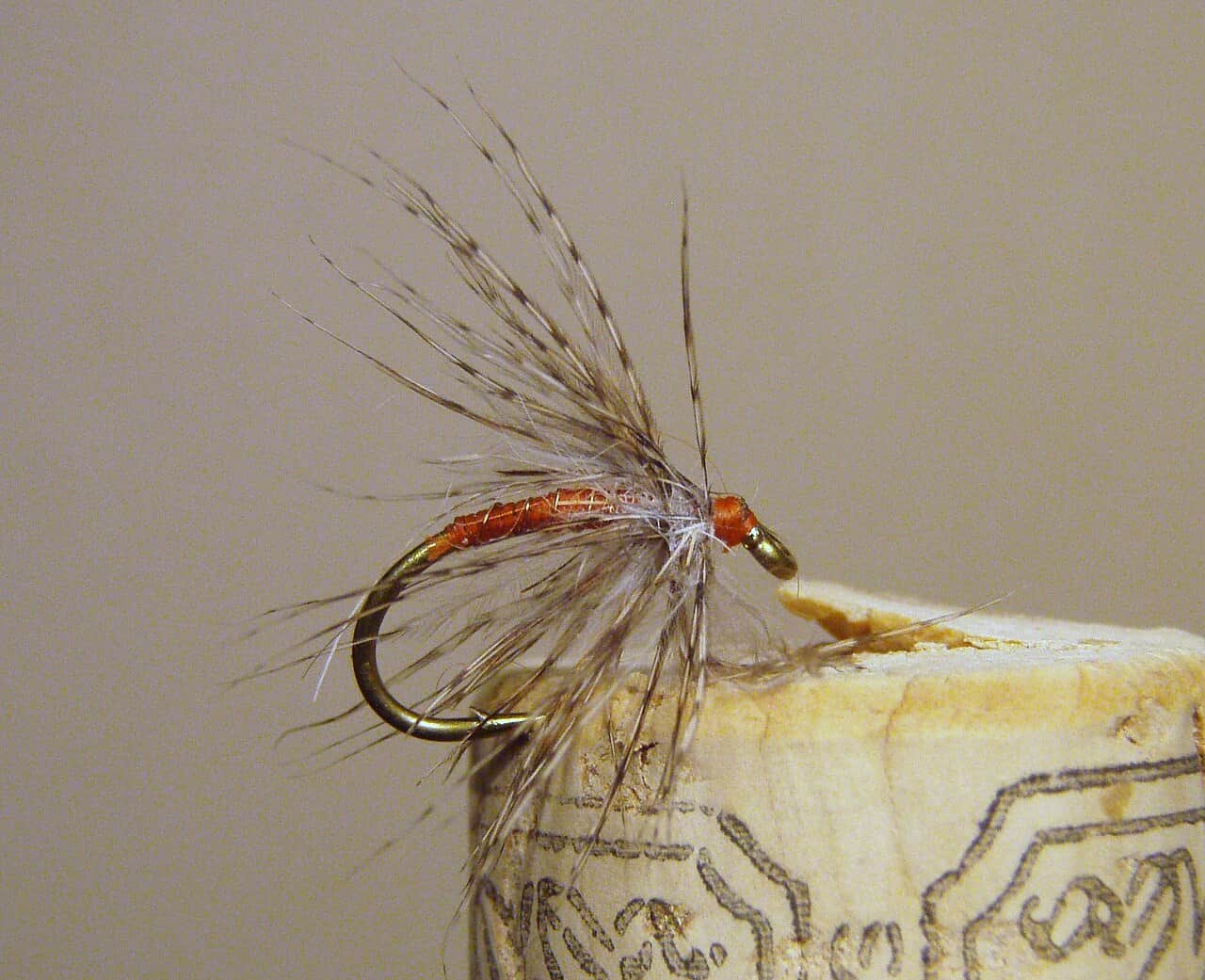
Hex nymph, dragonfly nymph, damselfly nymph, soft hackle

Use when fish are low, neutral, or feeding below the surface film.

Tactics

How to fish it

For bass, fish rock, wood, bridge shade, and current seams with poppers early and streamers later.

For migratory fish, cover travel lanes and soft holding water with legal nymph or streamer presentations.

Avoid fishing directly in unsafe dam turbulence or crowded spillway zones.

For carp, use long casts, small weighted flies, and slow presentations on visible fish.

When the river is dirty, use darker streamers with vibration near safe bank edges.

Rigging

Rod, leader, and setup notes

A 6-weight or 7-weight covers most smallmouth and streamer fishing.

Use an 8-weight for larger migratory fish, sink tips, or heavy flies.

Carry a floating line, intermediate tip, and stout leaders for wood and current.

Use bite tippet for pike and heavier tippet near rocks or dam-influenced cover.

Bring a net and release tools because fish may be hooked from steep banks or boats.

Access

Access and planning notes

Niles flow check

Lower-river trend

Wade / float / trail

Gauge / bank / launch / cautious wade

When to pick it

Start here when current and clarity decide whether the lower river is practical.

Caution

A lower-river gauge does not make dam or private-bank water safe or public.

Water-trail access

Launch and portage planning

Wade / float / trail

Water trail / paddle / boat

When to pick it

Use it when the day depends on put-ins, take-outs, and portage details.

Caution

Dams, portages, and bank ownership need current confirmation.

Boat access and warmwater structure

Mixed-species plan

Wade / float / trail

Boat / bank / bridge scout

When to pick it

Pick it when smallmouth, pike, carp, or migratory fish match the flow and rules.

Caution

Boat traffic and seasonal pressure can make obvious access poor.

Dams and portages are part of the lower-river plan. Scout legal access and exit points before floating.

Private banks are common. Use public launches, parks, and posted access rather than cutting through yards or industrial areas.

Boat traffic increases downstream. Wear visible clothing if wading near channels and avoid blind bends from a small craft.

Regulations

Check before fishing

Michigan rules for trout, salmon, steelhead, bass, pike, and harvest can vary by species, season, and reach. Check the current DNR regulations before fishing.

Primary base

Niles, Buchanan, Berrien Springs, or St. Joseph

Best day style

Water-trail launches, parks, dams, shore access, and boat-heavy lower river

Check first

Niles flow, dams and portages, Michigan rules, weather, and public launches

Safety

Dams, cold migratory seasons, boat traffic, changing flow, and private banks

Gear

Helpful gear for this water

6-weight or 7-weight rod

Good for smallmouth, poppers, streamers, pike flies, and wind.

Floating line

The best default for poppers, sliders, crayfish, and bank work.

Intermediate line

Useful for deeper holes, stained water, and slow baitfish retrieves.

Wet-wading plan

Check storms, dams, bacteria alerts, and fish-consumption guidance before committing.

Nearby water

Other water to research

Backup logic

High water

Stay away from dam turbulence and compare Kalamazoo, Huron, or Pere Marquette conditions.

Heat

Shift toward warmwater targets and avoid stressing salmonids during warm periods.

Storms or stain

Wait for Niles trend and visibility to settle before fishing dam or bridge water.

Access issue

Use confirmed launches, parks, and legal banks only; pivot if portage or private-bank details are unclear.

Kalamazoo River

Another southern Michigan river with warmwater and migratory planning.

Huron River

A clearer smallmouth-focused option closer to southeast Michigan.

Pere Marquette River

A trout and migratory-fish river with more classic fly-fishing structure.

FAQ

Fast answers

Is St. Joseph River fishable today?

St. Joseph River looks fishable right now. The live score is 74/100, based on current flow, weather, public alerts, and the report's planning context. Recheck the linked gauge and forecast before leaving because conditions can change quickly after rain, heat, access changes, or flow swings.

What flow is best for St. Joseph River?

Use USGS 04101500 at Niles for the lower-river trend. Stable medium flow is best for reading seams and structure; high or stained water should move the plan to safer banks, public launches, or another river.

When should I skip St. Joseph River?

Skip or narrow the plan when dam turbulence, high flow, boat traffic, private-bank uncertainty, or current salmon and steelhead rules make the intended reach unclear.

Is St. Joseph River safe to wade right now?

The fishability score is not a wading guarantee. Wade only where your chosen access has safe edges, clear footing, legal entry, and no forced crossings; high, rising, stained, or storm-affected water should be treated conservatively.

What should I check first before fishing the St. Joseph River?

Check the Niles USGS gauge, Michigan rules, water-trail access, dam/portage details, and weather before choosing a lower-river reach.

Are there special regulations on the St. Joseph River?

Yes by species and reach. Salmon, steelhead, bass, and pike rules are not interchangeable, so read current Michigan regulations.

Is the St. Joseph River a good fly-fishing river?

Yes, if you match the reach, season, target species, water temperature, and current access rules. This report is built to help you choose that plan.

What flies should I bring for the St. Joseph River?

Bring the hatch-chart flies, confidence nymphs, and a backup streamer or warmwater box so you can adjust to flow, clarity, and temperature.

How should I plan access for the St. Joseph River?

Plan access through public launches, water-trail information, and parks. Dams, portages, private banks, and boat traffic matter.