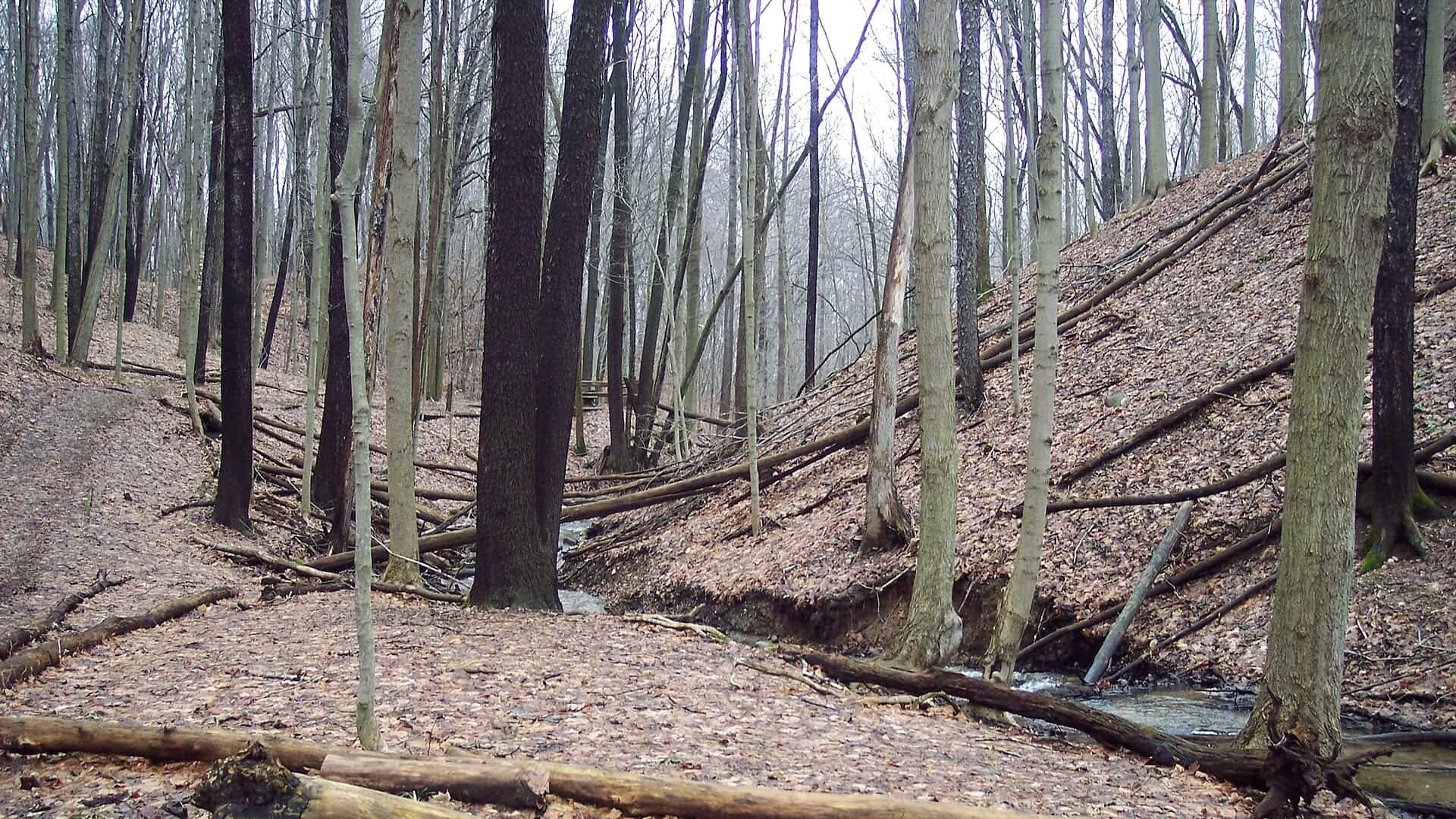
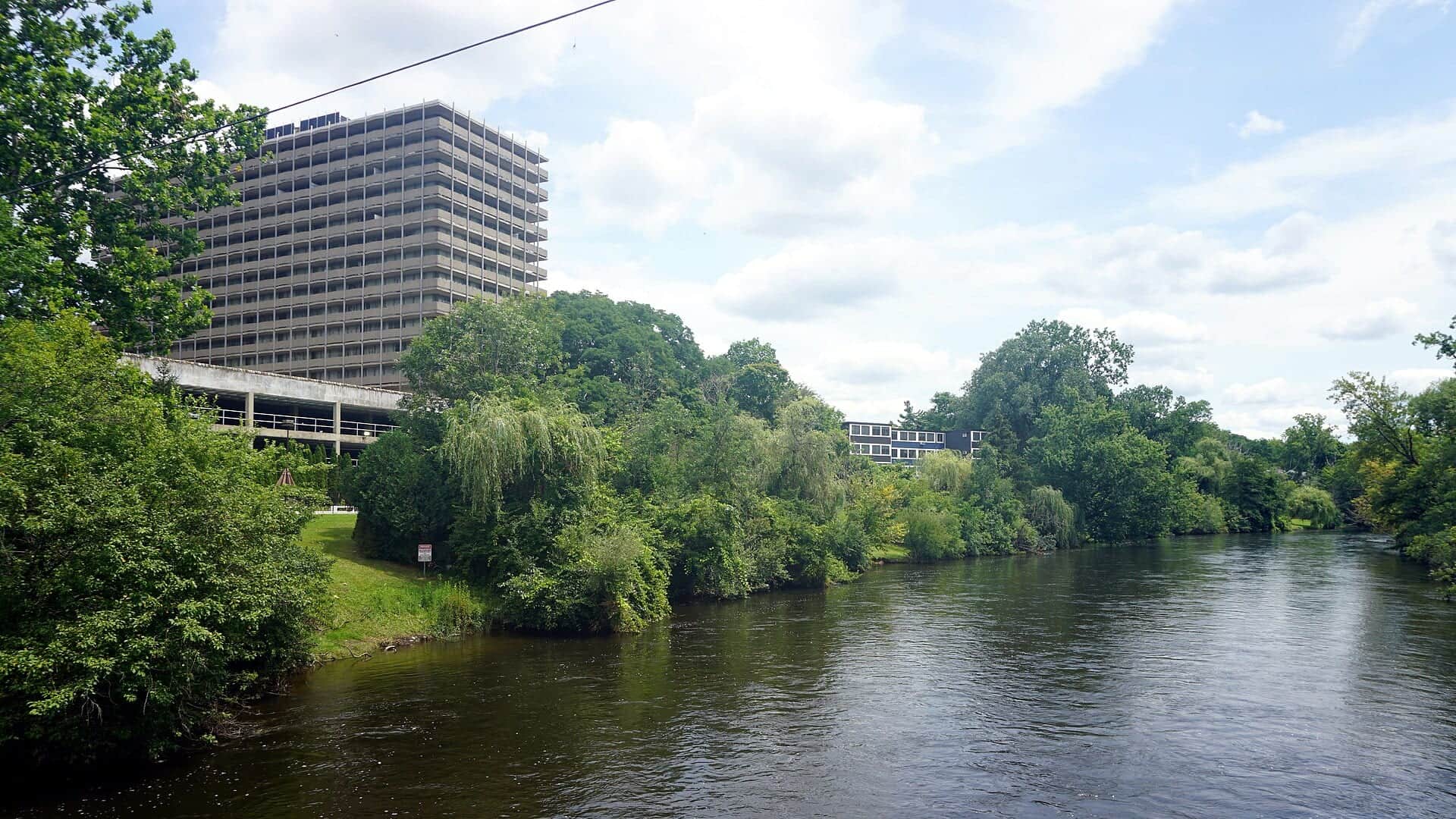
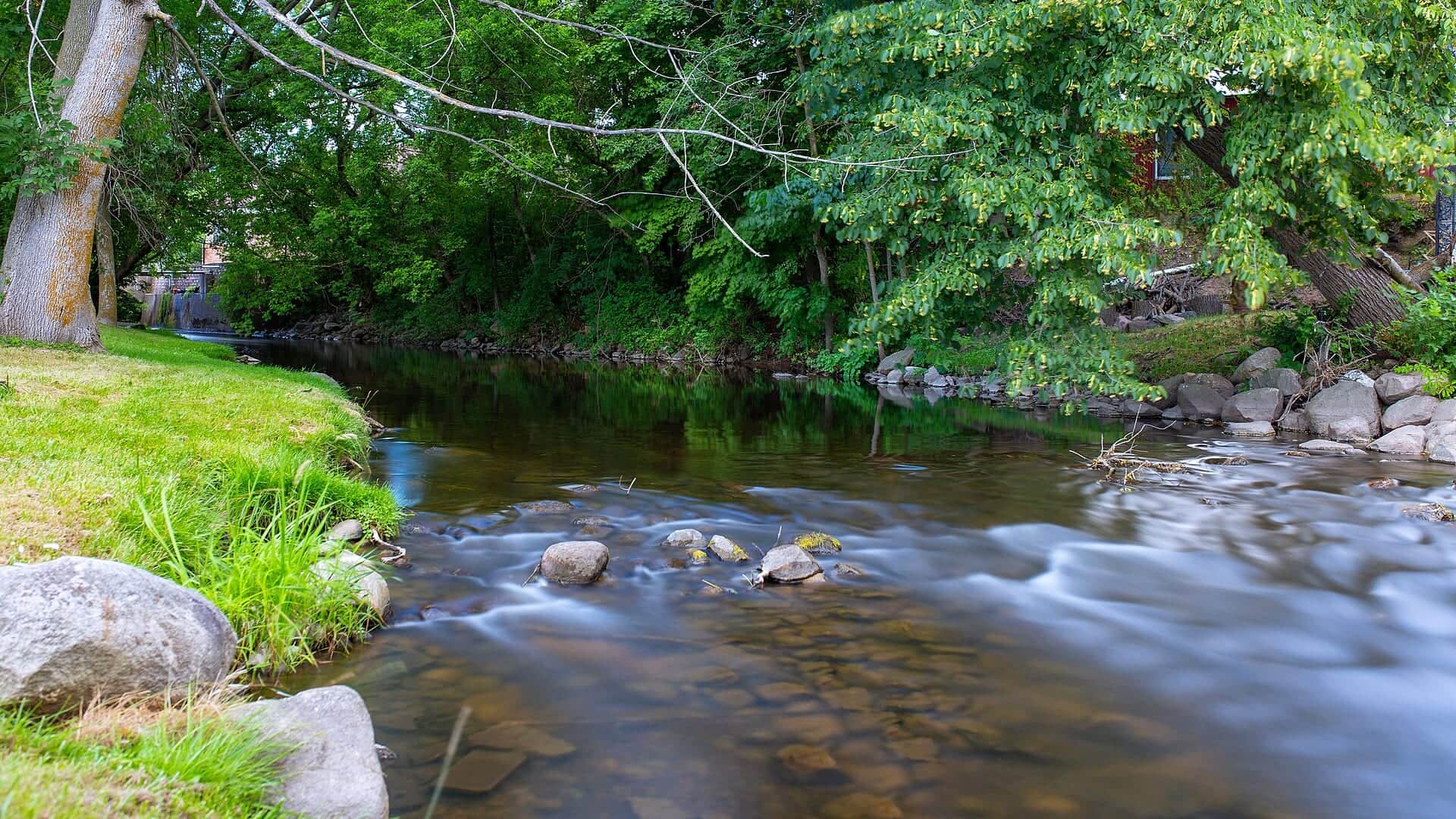
Kalamazoo River water or watershed scenery in Michigan

Michigan / Midwest

Kalamazoo River

A Kalamazoo River report for southwest Michigan smallmouth, Comstock flows, access planning, water-quality cautions, flies, weather, and safety.

Image: KNC early spring following stream to the Kalamazoo River - panoramio / CC BY-SA 3.0 / starscream1211

Fishability now: Kalamazoo River fishability today

GreatData confidence: High

96/100

Fishable now because Comstock gauge is falling, weather is usable, and no public alert is active.

Flow observed

4:15 PM UTC

Weather observed

5:00 PM UTC

Score calculated

5:24 PM UTC

Why this rating

Flow

Weather

Public alerts

Next 6-12 hours

Improving / hold

A falling gauge and usable weather should keep the next 6-12 hours in play unless tributaries stain or heat builds.

More planning details: flies, flow bands, and live source checks

Fish it today

Start here

Choose a Comstock-area flow read first, then decide whether the day is a short trail scout, a water-trail paddle, or a focused smallmouth session around bridges, outside bends, wood, and rocky current.

Best flow clue

Use USGS 04106000 at Comstock as the main flow check. Stable water is best for reading banks, bridge shade, rock, and wood; high or dirty water should move the plan to safer edges, a boat-only approach, or another day.

Skip trigger

Skip wading when storm runoff is fresh, flow is high or dirty, the put-in or take-out is unclear, dams or logjams make the route unsafe, or consumption guidance changes the reason for the trip.

Flow decision bands

Low but fishable

Low stable warmwater flow can fish around bridges, rock, wood, and shade if access and soft-bottom footing are safe.

Best warmwater structure window

Stable or slowly falling Comstock flow with clear enough water is the best smallmouth, pike, carp, crayfish, popper, and baitfish-streamer signal.

Pushy or unsafe

Storm runoff, dirty water, dams, logjams, and unclear takeouts should move the plan to banks or another river.

Water-trail caution

A fishable gauge can still be a poor trip when portages, access, or consumption guidance does not fit the plan.

USGS flow

718 cfs

Open

Current trend: flow falling, rating likely holding strong unless weather or clarity changes.

Live USGS flow

718 cfs / falling about 19%

Live NWS forecast

79F / Sunny

Water temperature not verified

Heat guidance uses weather and river type unless an official water-temperature value is available.

No NWS alert flag

No active NWS alert was returned for this forecast point.

Primary waterComstock, Kalamazoo, Galesburg, and lower water-trail context
Flow checkUSGS Kalamazoo River at Comstock 04106000
Access styleUrban trail, water trail, park, bridge, and kayak access
ReviewedMay 31, 2026

Use USGS Comstock for current flow and stage context.

Smallmouth, pike, carp, and panfish are more realistic targets than trout.

Kalamazoo River Valley Trail and water-trail resources help plan access.

Check Michigan Eat Safe Fish guidance before keeping or eating fish.

Editorial review

How this report is maintained

This Kalamazoo River report is maintained from USGS Comstock flow data, Michigan fishing regulations, Kalamazoo County trail access, watershed water-trail information, fish-consumption guidance, weather, media-credit, and warmwater safety planning sources.

Byline

BlueStreamFly editorial team

Reviewed by

BlueStreamFly source review

Maintained by

Mountain Brook Run LLC

Last material review

2026-05-31

Report confidence

Good confidence

88/100

Good confidence: USGS 04106000, Michigan regulations, trail and water-trail access, Eat Safe Fish guidance, and weather data support the page. Confidence is moderated by stormwater, water-quality history, dams, logjams, and reach-specific access.

Regulations

Michigan fishing regulations support current species and harvest checks.

Access

Kalamazoo River Valley Trail and watershed water-trail sources support public planning, with launches, portages, and private banks still needing confirmation.

Flow and weather

USGS 04106000 and the National Weather Service point are attached to the route.

Fishing usefulness

The page now separates Comstock flow, smallmouth structure, trail access, water-trail logistics, consumption guidance, storms, and Huron or Muskegon backups.

Fishability dashboard and source review

2026-05-31 / material content or source review

USGS Kalamazoo River at Comstock, Michigan fishing regulations, Kalamazoo River Valley Trail information, Kalamazoo River Watershed Council water-trail access, Eat Safe Fish guidance, and the National Weather Service point were checked before updating the current fishability guidance.

2026-05-31

Updated Kalamazoo River with Comstock warmwater trend guidance, trail and water-trail access cards, storm and advisory cautions, backup cues, stable fishability SEO, and confidence signals.

2026-05-28

Added warmwater trip fit, wade-versus-paddle framing, advisory and storm skip cues, trail and water-trail access nuance, pressure timing, backup-water suggestions, editorial review signals, and a page-specific report-confidence meter after source review.

2026-05-25

Initial source-reviewed report published with flows, weather, hatches, flies, tactics, access, regulations, and FAQs.

Angler planning edge

Local details that change the plan

Best for

Southwest Michigan anglers targeting smallmouth, pike, carp, panfish, and other warmwater species, Trips where Comstock flow, recent rain, trail access, water-trail planning, and consumption guidance all shape the day, Streamer, popper, crayfish, baitfish, and sight-fishing windows when clarity and current are manageable, Anglers comparing the Kalamazoo against the Huron, Raisin, and Muskegon before choosing a warmwater or migratory-fish plan

Wade or float

Treat the Kalamazoo as a mixed bank, wade, and paddle-planning river. The best access choice depends on trail or launch options, current speed, soft bottom, logjams, and whether recent rain has made contact or wading less safe.

Best flows

Use USGS 04106000 at Comstock as the main flow check. Stable water is best for reading banks, bridge shade, rock, and wood; high or dirty water should move the plan to safer edges, a boat-only approach, or another day.

When to skip

Skip wading when storm runoff is fresh, flow is high or dirty, the put-in or take-out is unclear, dams or logjams make the route unsafe, or consumption guidance changes the reason for the trip.

Local plan

Choose a Comstock-area flow read first, then decide whether the day is a short trail scout, a water-trail paddle, or a focused smallmouth session around bridges, outside bends, wood, and rocky current.

Pressure

Pressure is spread out compared with famous trout water, but easy trailheads, bridges, and launch sites can still concentrate users. A clear access plan beats random bridge hopping.

Access nuance

County trail and watershed water-trail sources support access planning, but they do not remove the need to confirm parking, launches, portages, private banks, and local closures.

Backup water

If the Kalamazoo is high, muddy, or questionable after storms, compare the Huron River for another park-access warmwater plan, the Raisin River for southeast Michigan warmwater fishing, or the Muskegon for a larger west-side river after checking current rules.

About the river

Setting, character, and why it fishes the way it does.

The Kalamazoo River drains southwest Michigan and passes through urban, agricultural, and floodplain reaches before flowing toward Lake Michigan.

For fly anglers, the most useful plan is warmwater: smallmouth around rocks and wood, streamers in stained current, poppers in summer shade, and carp or pike where the reach supports them.

The river also has well-known water-quality and cleanup history, so a responsible fishing report should include consumption guidance and safety checks instead of pretending it is a remote trout stream.

Target species

Smallmouth bass

The most useful fly target around rock, current seams, bridge edges, and woody banks.

Northern pike

Possible in slower reaches and backwaters; use bite tippet when targeting them.

Carp

A sight-fishing option on clearer flats and soft edges.

Panfish and catfish

Part of the broader warmwater fishery, especially near slower park water.

Reading the water

Stable summer flow

Fish poppers, crayfish, and baitfish patterns along banks and current seams.

High or stained

Use larger streamers near banks or wait if wading is unsafe.

Low and clear

Sight fish softer edges and downsize crayfish or baitfish flies.

After heavy rain

Avoid contact if storm runoff is a concern and check access before launching.

Best seasons

Spring

Warming water starts smallmouth and pike streamer opportunities.

Summer

Topwater, crayfish, and wet-wading windows can be good when flows are safe.

Fall

Baitfish movement and cooling water help streamer fishing.

Winter

Limited fly windows; use low water to scout structure and legal access.

USGS flow

Kalamazoo River at Comstock

This is the fallback for rivers that are not covered by RiverReports. Use the official USGS monitoring page for the live hydrograph, station metadata, and current water trend.

Open USGS gauge

USGS data chart

Kalamazoo River at Comstock

Streamflow over the latest USGS reporting window.

Latest

718 cfs

Jun 3, 5 PM UTC

Site

04106000

Low / high

711 / 1,200 cfs

Source

Open USGS

Weather

River weather report

Weather can change wading safety, road access, water temperature, hatches, and the best time of day to fish.

Live forecast loads as you reach this section

This keeps the report fast while still using the official National Weather Service forecast point.

Hatches and flies

Hatch chart and fly picks

April to May

Small baitfish, crayfish, early caddis and mayflies

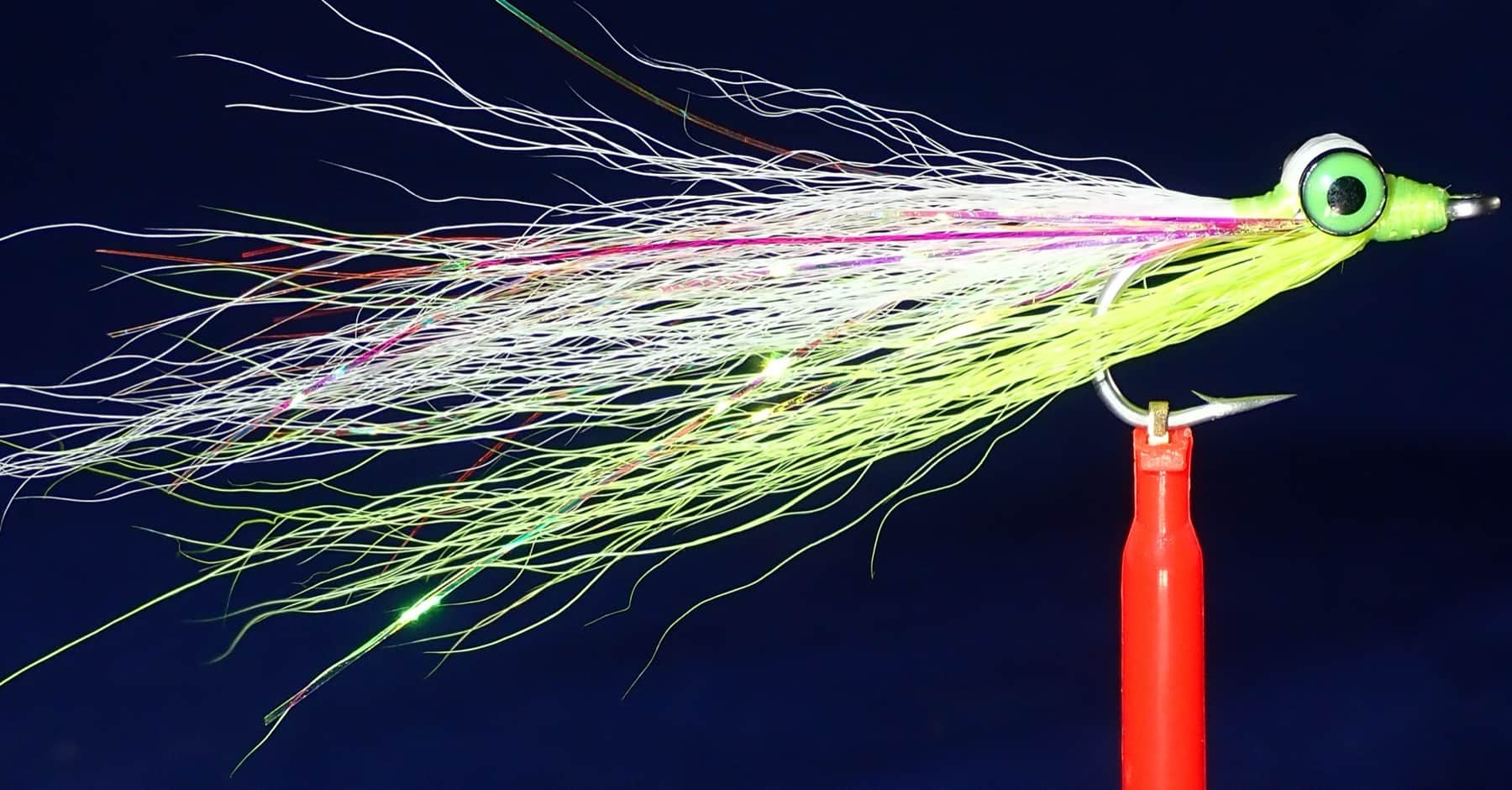
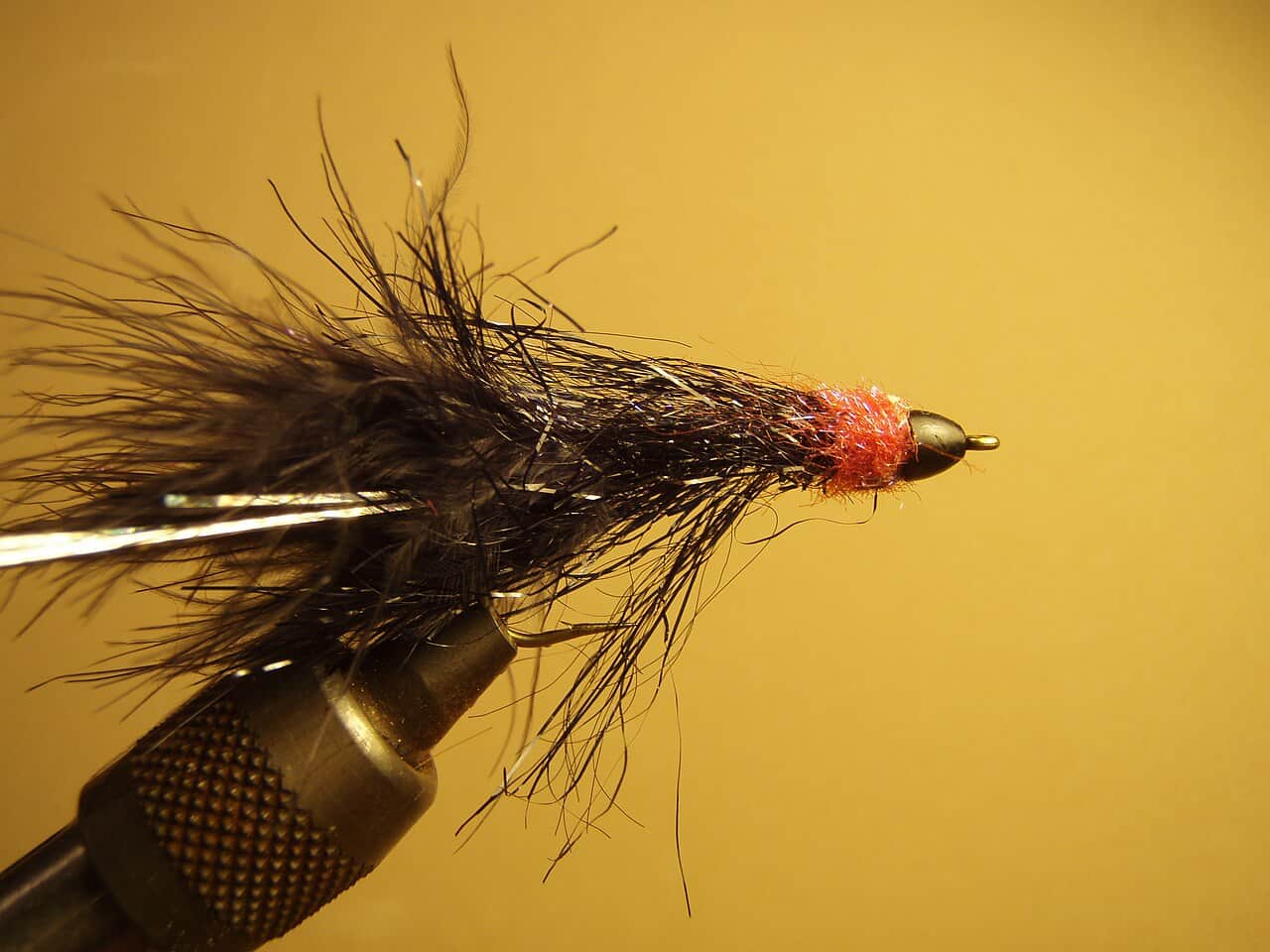
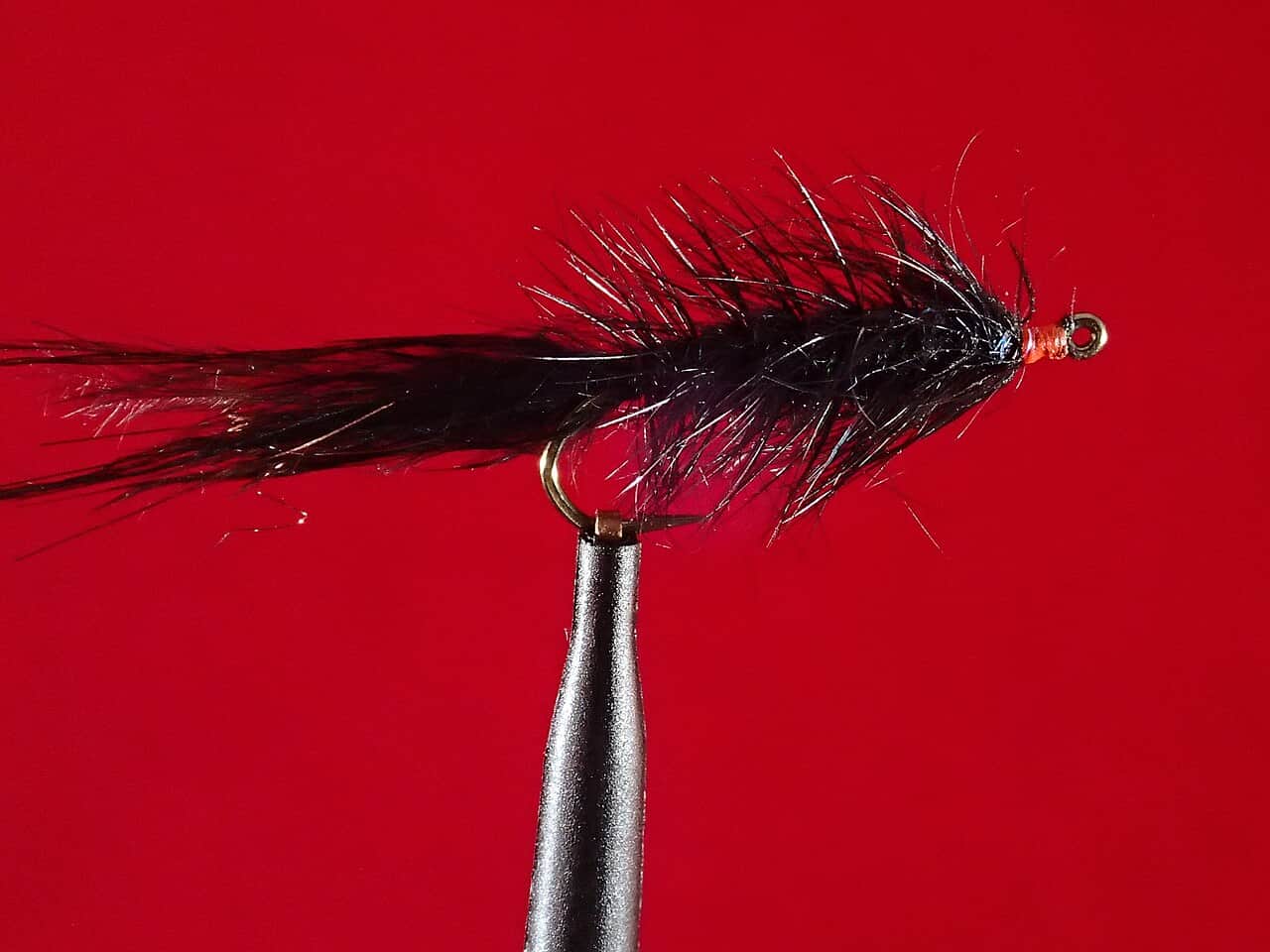
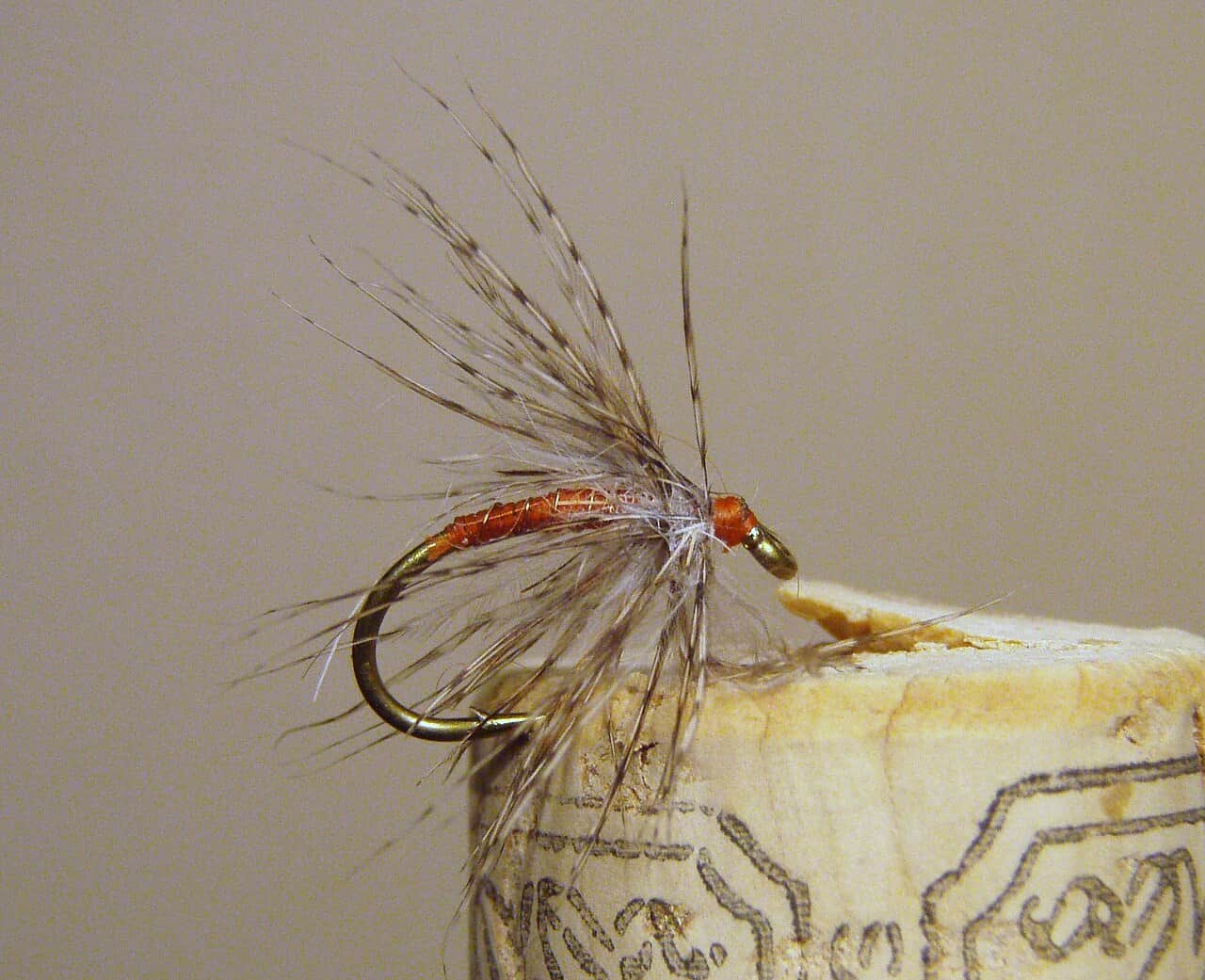
Small Clouser, crayfish, woolly bugger, soft hackle

June to August

Damselflies, dragonflies, hoppers, cicadas, minnows

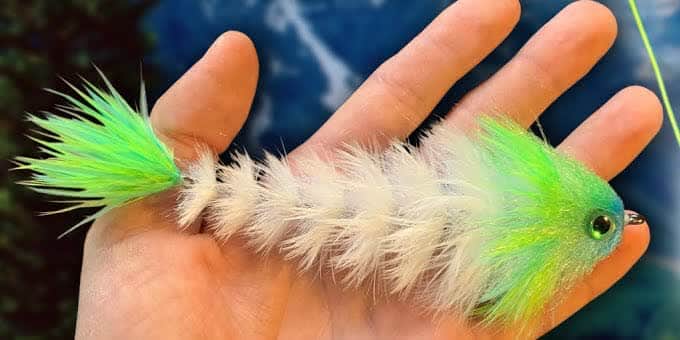
Popper, slider, foam hopper, damselfly nymph, baitfish streamer

September to October

Baitfish movement, crayfish, late terrestrials

Clouser, crayfish, game changer, popper, small leech

Cold months

Limited fly activity; slow pools and warmer afternoons matter

Slow streamer, leech, nymph, small baitfish on intermediate line

Topwater

Poppers, sliders, frogs, foam bugs

Use in summer mornings, evenings, shaded banks, and around wood.

Crayfish

Rust, olive, and tan crayfish patterns

Use around rock, bridge riprap, current breaks, and smallmouth banks.

Baitfish

Clouser, deceiver, game changer, woolly bugger

Use when the river is stained, fish chase minnows, or current pushes against banks.

Nymphs

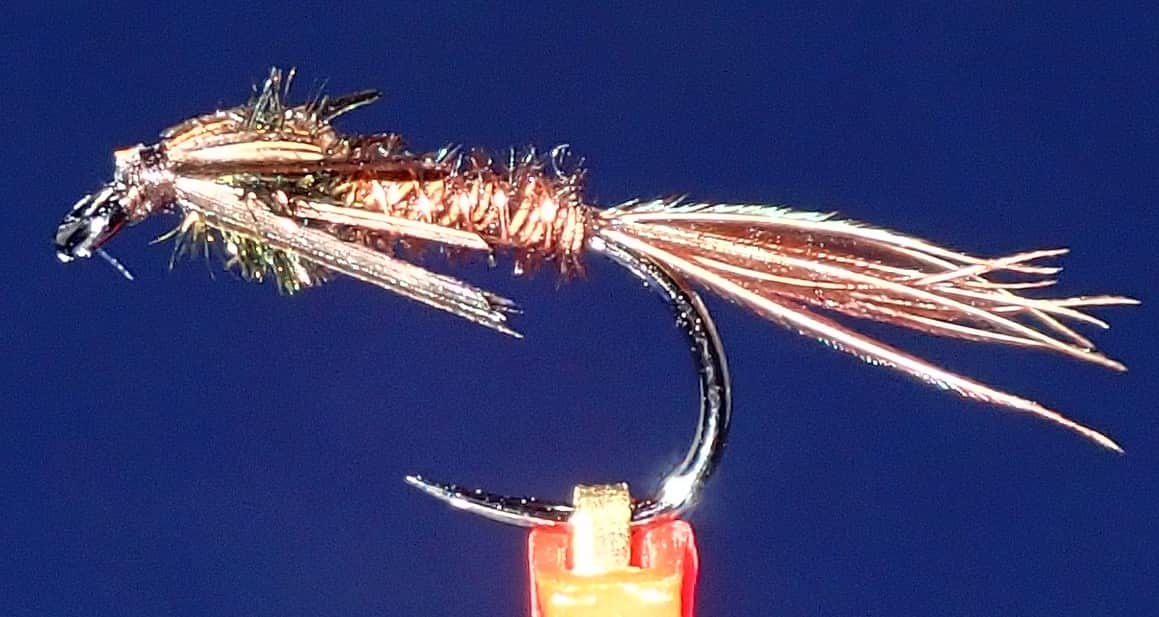
Hex nymph, dragonfly nymph, damselfly nymph, small stonefly

Use when fish are hugging bottom or topwater action is slow.

Tactics

How to fish it

Fish bridge shade, outside bends, downed wood, and rocky banks first.

Start with crayfish or baitfish patterns before switching to topwater.

Use kayak or trail access to cover water, but check launches and portage risks.

Treat fish-consumption guidance as part of the fishing plan, not an afterthought.

Avoid wading unknown soft-bottom or debris-heavy reaches alone.

Rigging

Rod, leader, and setup notes

A 6-weight or 7-weight is the most useful all-around rod.

Use 0X to 2X leaders for poppers and streamers.

Add a sink tip for deeper runs and high stained water.

Carry pliers, polarized glasses, and a small first-aid kit for urban-bank fishing.

Use wire or heavy bite tippet only when targeting pike.

Access

Access and planning notes

Comstock flow check

Primary warmwater trend

Wade / float / trail

Gauge / bank / wade / paddle

When to pick it

Start here when recent rain and clarity decide whether smallmouth water is fishable.

Caution

Comstock flow does not settle every launch, portage, or private-bank question.

Kalamazoo River Valley Trail

Trail-access scouting

Wade / float / trail

Trail / bank / short wade

When to pick it

Use it when a short, legal bank or bridge scout fits the flow.

Caution

Do not assume every trail-adjacent bank is open or safe.

Watershed water trail

Paddle and access planning

Wade / float / trail

Water trail / launch / portage

When to pick it

Pick it when the day depends on put-in, takeout, and current-speed decisions.

Caution

Dams, logjams, portages, and takeout clarity need current checks.

Public access is not continuous. Use county, city, state, or water-trail access information before launching or parking.

Dams, logjams, and industrial history make route planning more important than on a small trout stream.

Check fish-consumption guidance before harvest and avoid contact after questionable storm events.

Regulations

Check before fishing

Michigan statewide fishing regulations apply, and current Eat Safe Fish guidance should be checked before keeping or eating fish from the Kalamazoo River.

Primary base

Kalamazoo, Comstock, Galesburg, or Allegan

Best day style

Urban trail, water trail, park, bridge, and kayak access

Check first

Comstock flow, recent rain, access, and current Eat Safe Fish guidance

Safety

Storm runoff, dams, contaminated-sediment history, logjams, and broad warmwater wading

Gear

Helpful gear for this water

6-weight or 7-weight rod

Good for smallmouth, poppers, streamers, and wind.

Floating line

The best default for poppers, sliders, crayfish, and bank work.

Intermediate line

Useful for deeper pools, stained water, and slow baitfish retrieves.

Wet-wading plan

Check bacteria, storms, dams, and fish-consumption advisories before choosing water.

Nearby water

Other water to research

Backup logic

High water

Avoid wading and compare Huron River, Raisin River, or Muskegon River after checking current conditions.

Heat

Fish early or late and focus on oxygenated warmwater structure with quick releases.

Storms or stain

Wait for Comstock flow, visibility, and water-contact conditions to settle after runoff.

Access issue

Use confirmed trail, launch, or water-trail access only; pivot if private banks, dams, or portages are unclear.

Huron River

Another Michigan warmwater river with smallmouth and park access.

Raisin River

A southeast Michigan warmwater river with similar advisory checks.

Muskegon River

A larger west-side river with tailwater trout, steelhead, and salmon context.

FAQ

Fast answers

Is Kalamazoo River fishable today?

Kalamazoo River looks very fishable right now. The live score is 96/100, based on current flow, weather, public alerts, and the report's planning context. Recheck the linked gauge and forecast before leaving because conditions can change quickly after rain, heat, access changes, or flow swings.

What flow is best for Kalamazoo River?

Use USGS 04106000 at Comstock as the main flow check. Stable water is best for reading banks, bridge shade, rock, and wood; high or dirty water should move the plan to safer edges, a boat-only approach, or another day.

When should I skip Kalamazoo River?

Skip wading when storm runoff is fresh, flow is high or dirty, the put-in or take-out is unclear, dams or logjams make the route unsafe, or consumption guidance changes the reason for the trip.

Is Kalamazoo River safe to wade right now?

The fishability score is not a wading guarantee. Wade only where your chosen access has safe edges, clear footing, legal entry, and no forced crossings; high, rising, stained, or storm-affected water should be treated conservatively.

What should I check first before fishing the Kalamazoo River?

Check the Comstock flow, recent rain, water-trail access, and Michigan Eat Safe Fish guidance.

Are there special regulations on the Kalamazoo River?

Statewide Michigan rules apply, but consumption guidance and local access restrictions are just as important.

Is the Kalamazoo River a good fly-fishing river?

Yes, but only if you match the reach, season, water temperature, and target species. This page separates trout, migratory, and warmwater plans where that matters.

What flies should I bring for the Kalamazoo River?

Bring the hatch-chart flies, a few confidence nymphs, and a backup streamer or warmwater box so you can adjust to flow, clarity, and temperature.

How should I plan access for the Kalamazoo River?

Access is spread across parks, trails, bridges, and water-trail sites. Plan the exact put-in or bank before driving.