RiverReports preview · current series loading
Recent flow
RiverReports gauge
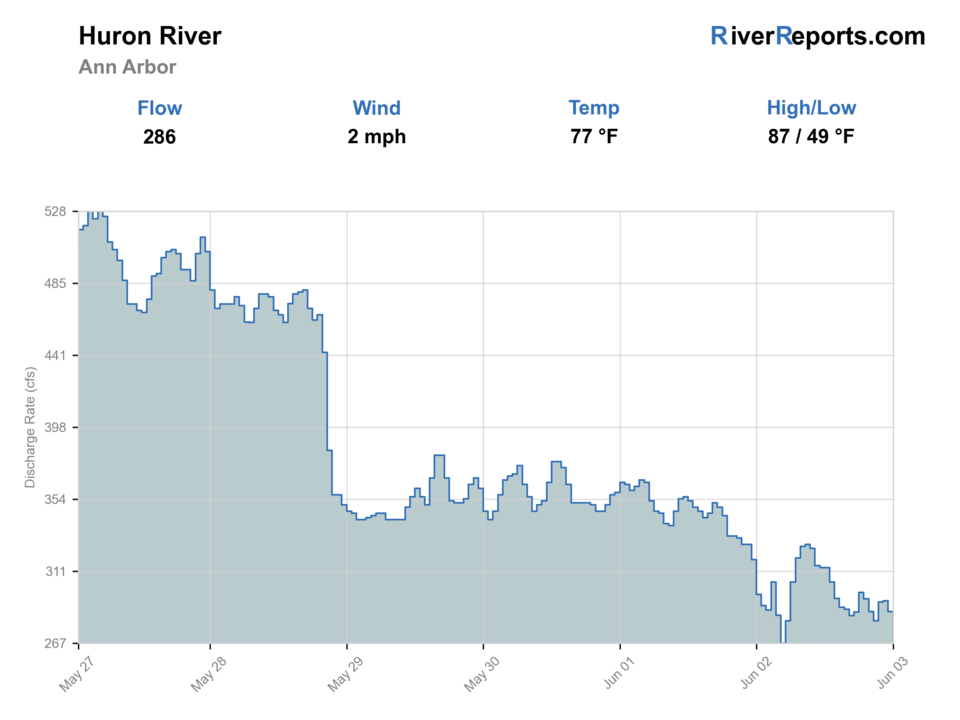
Showing the available RiverReports chart while the current structured flow series loads. Check the chart on RiverReports Opens in a new tab.
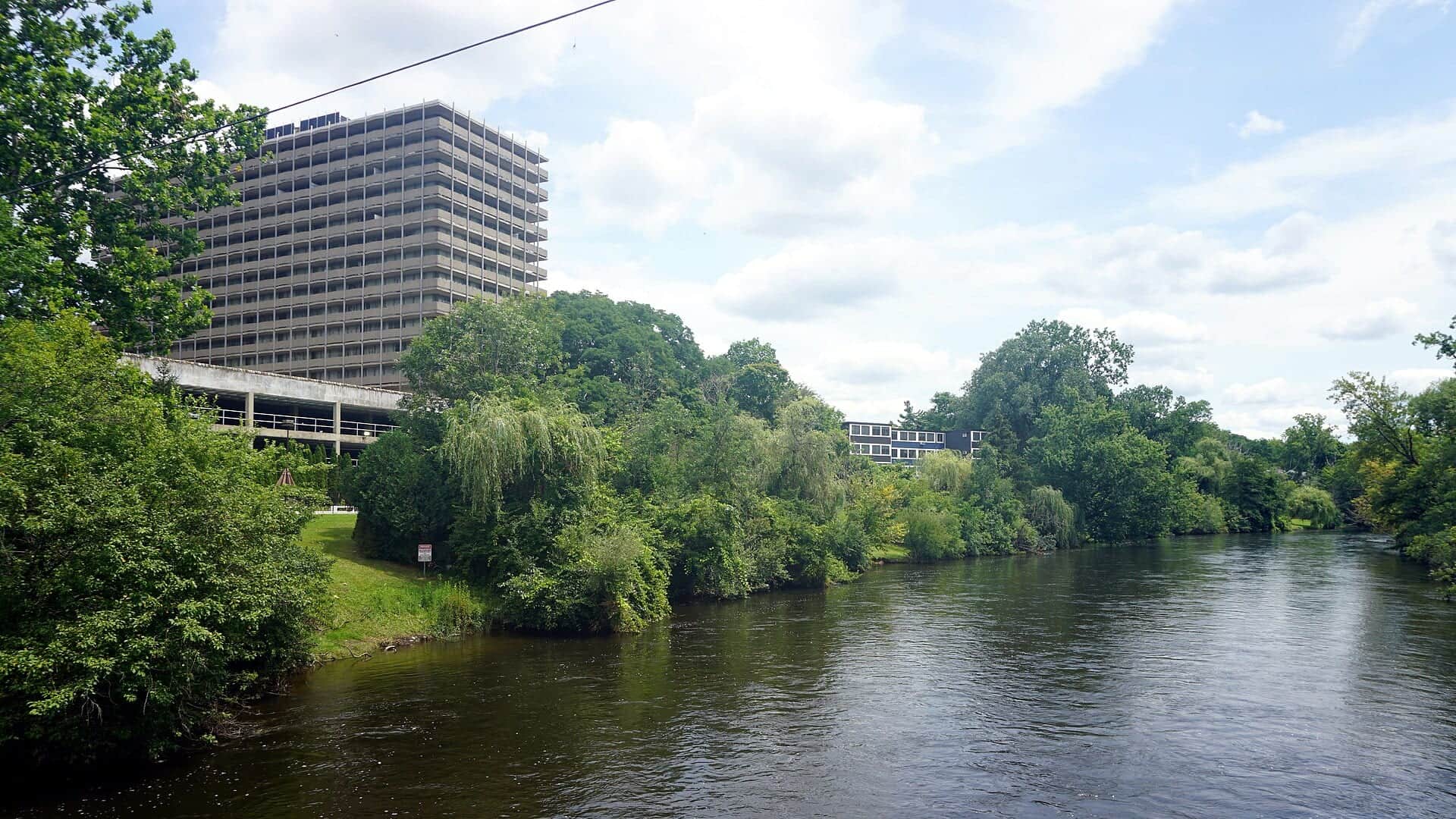
Fish from the bank. Bank and edge fishing remains a practical low-commitment option if access is legal and footing is safe.
Rating updatedRiver local time:
An active public alert is in effect near this forecast point, so the score is capped at caution until conditions are checked. NWS alert: Dense Fog Advisory issued October 23 at 4:38AM EDT until October 23 at 10:00AM EDT by NWS Detroit/Pontiac MI.
NWS air forecast near
This is an air forecast, not a river-temperature reading.
RiverReports gauge
Showing the available RiverReports chart while the current structured flow series loads. Check the chart on RiverReports Opens in a new tab.
Areas Of Fog
The National Weather Service forecast is temporarily unavailable.
RiverReports gauge: Huron River at Ann Arbor
Seasonal starting points, not a live hatch report. Match what you see on the water.
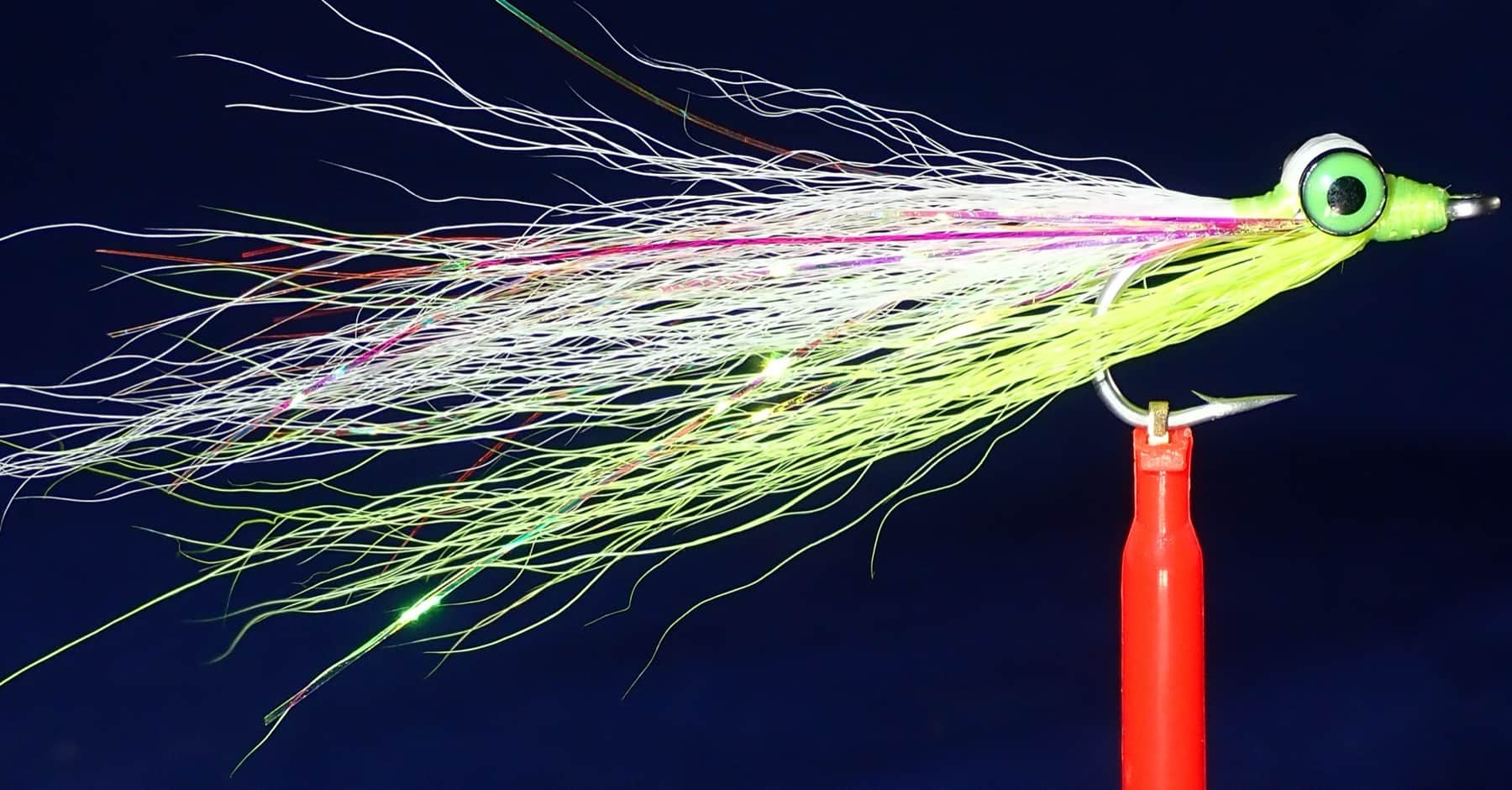
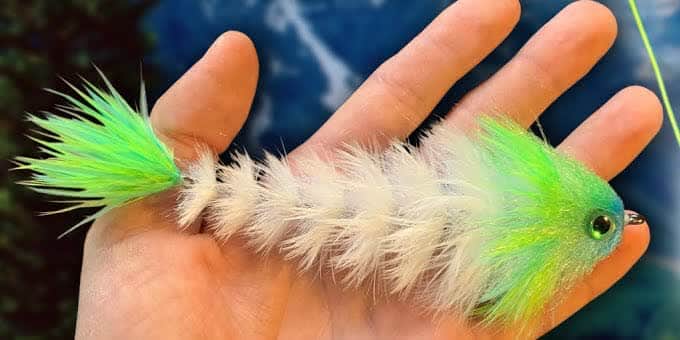
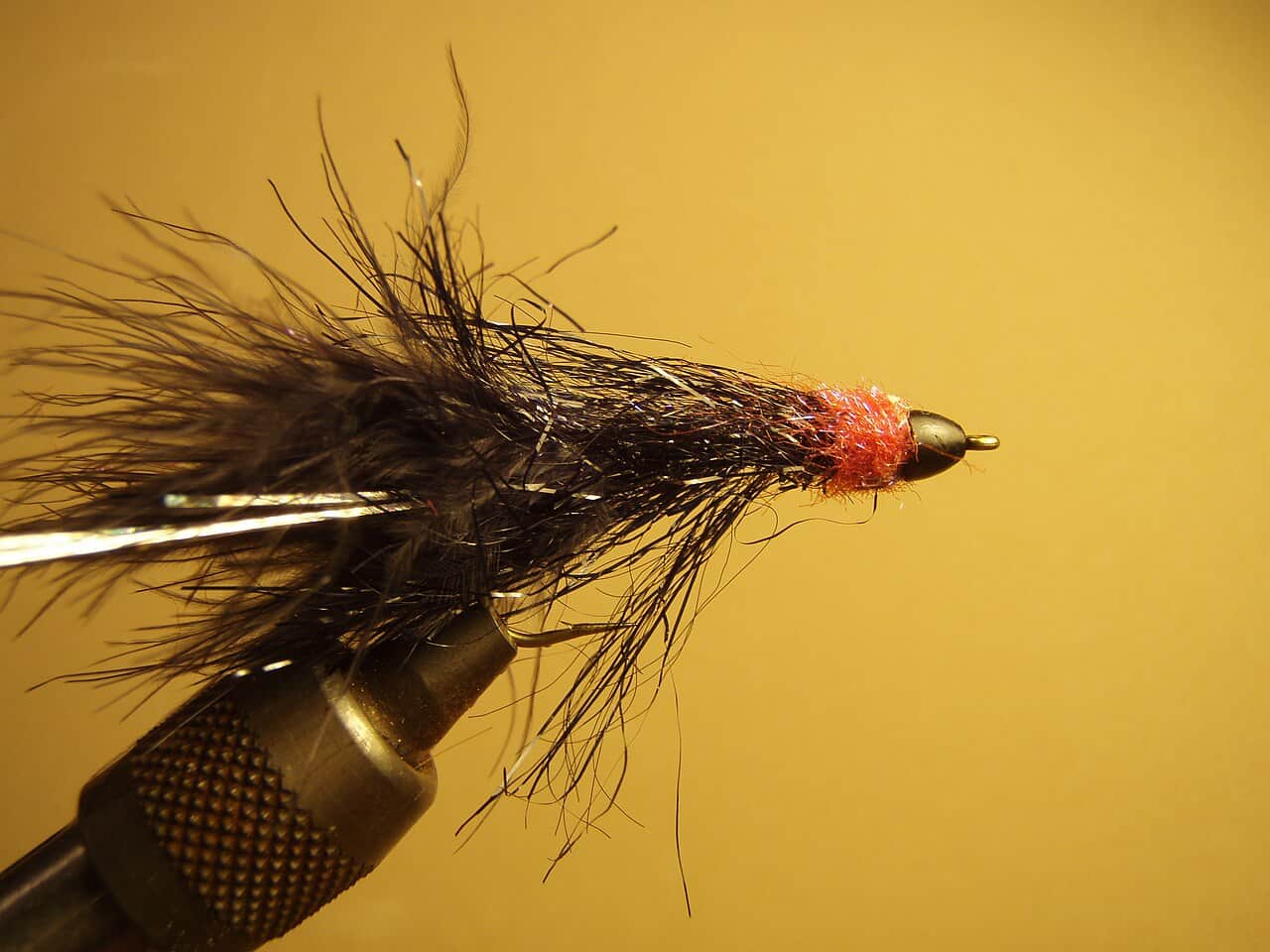
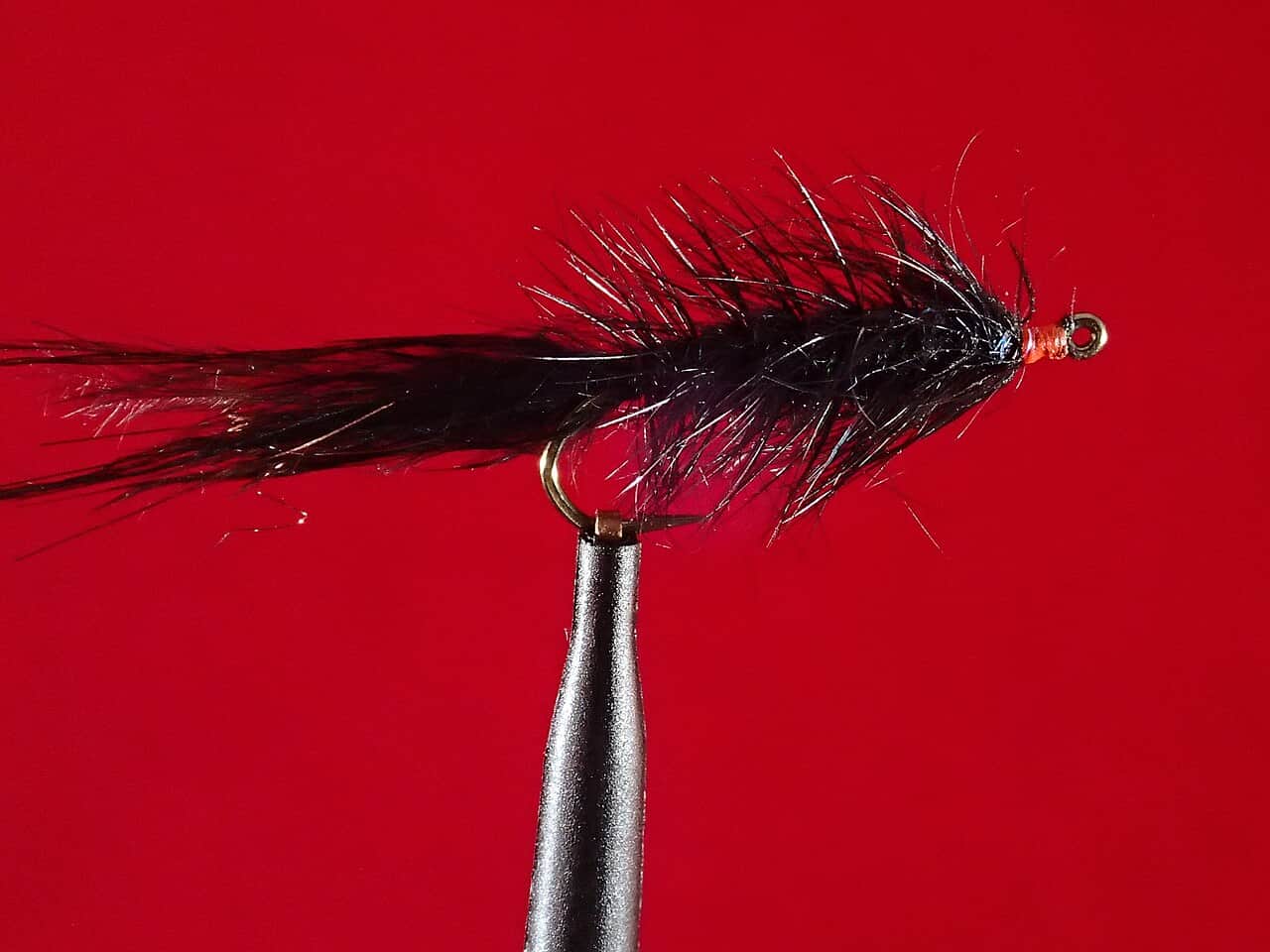
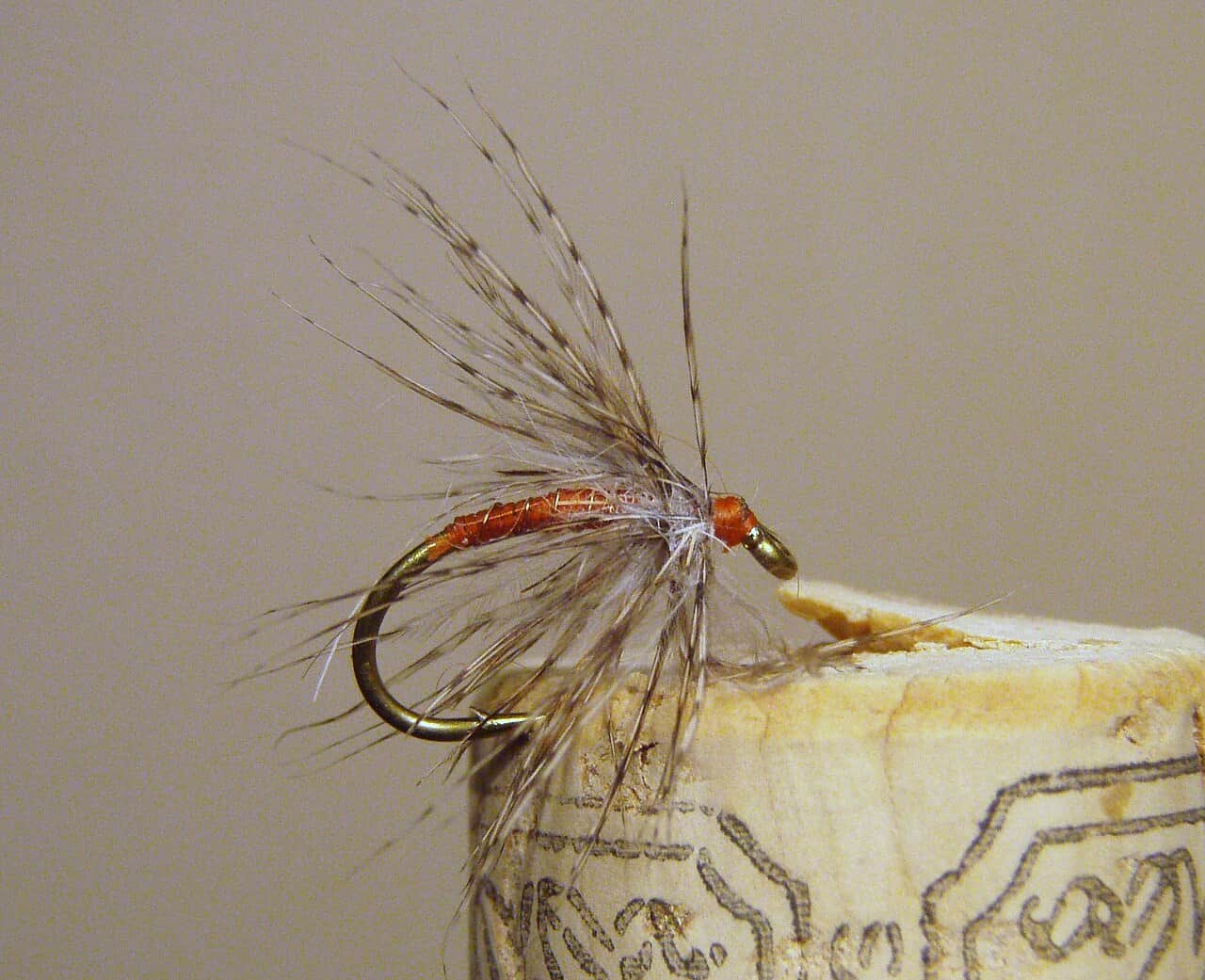
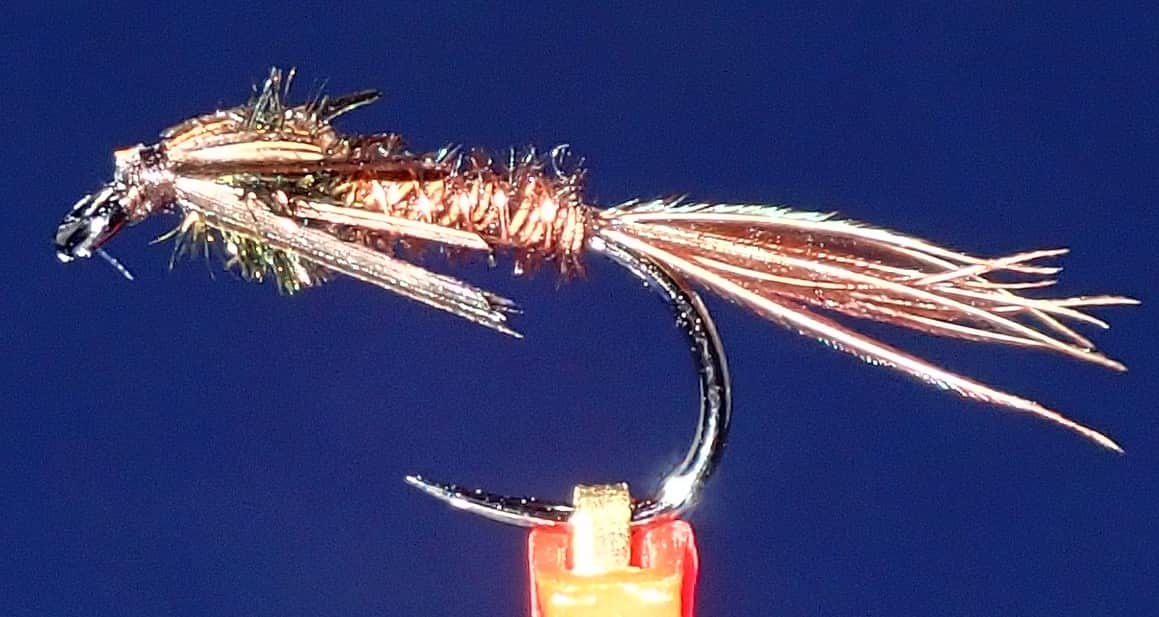
Also try slider, damselfly nymph
Each fly name opens its matching Fly Box guide.
The Huron is best when flows are stable, water has enough clarity to fish structure, and recent storms have not made wading or contact unsafe. Summer mornings and evenings are often better than bright afternoons.
Fish poppers, sliders, crayfish, and streamers around rocks, shade, and current edges.
Use larger dark streamers near banks, or wait if wading and water quality are poor.
Downsize flies, lead fish, and avoid stomping through shallow flats.
Check local water-quality and avoid unnecessary contact if runoff is high.
These scores compare the risks of wading, bank fishing, and floating.
Wading is in play only where your chosen access has clear footing, legal entry, and no forced crossings.
Bank and edge fishing remains a practical low-commitment option if access is legal and footing is safe.
This report does not recommend floating this reach.
Is Huron River worth the trip today? Check flow, weather, hatches, access, and rules for Michigan before you go.
The Huron near Ann Arbor is mostly a warmwater fly-fishing plan. Use the Ann Arbor flow, check recent storms and park access, then fish smallmouth structure rather than trying to force a trout report onto the river.
An active public alert is in effect near this forecast point, so the score is capped at caution until conditions are checked. NWS alert: Dense Fog Advisory issued October 23 at 4:38AM EDT until October 23 at 10:00AM EDT by NWS Detroit/Pontiac MI.
Bank / edge: Bank and edge fishing remains a practical low-commitment option if access is legal and footing is safe.
USGS shows 206 cfs. The flow has been rising about 14% over about 6 hours. USGS marks this reading provisional and may revise it. USGS records for this date (1915-2026, 111 readings) show a typical middle range of 177 cfs to 367 cfs. Flow is within the typical range for this date, so weather, temperature, and access become the next checks.
Fall: Baitfish and streamer windows improve as water cools.
The current NWS air forecast is about 44F, and the next 24-hour high reaches about 65F. Areas Of Fog.
Use RiverReports and USGS 04174500 at Ann Arbor together. Stable summer flow helps smallmouth and carp planning. Recent rain, high stage, or dirty water should shift you to safer banks, protected park water, or a later day.
Skip wading when storms have the river high or dirty, when dam or portage areas are unsafe, when park access is closed, or when consumption guidance changes the harvest plan.
Start by deciding whether the day is a Gallup Park short session, a Huron Meadows smallmouth plan, or a longer paddle-access scout. Then pick flies for current seams, shade, wood, and visible warmwater structure.
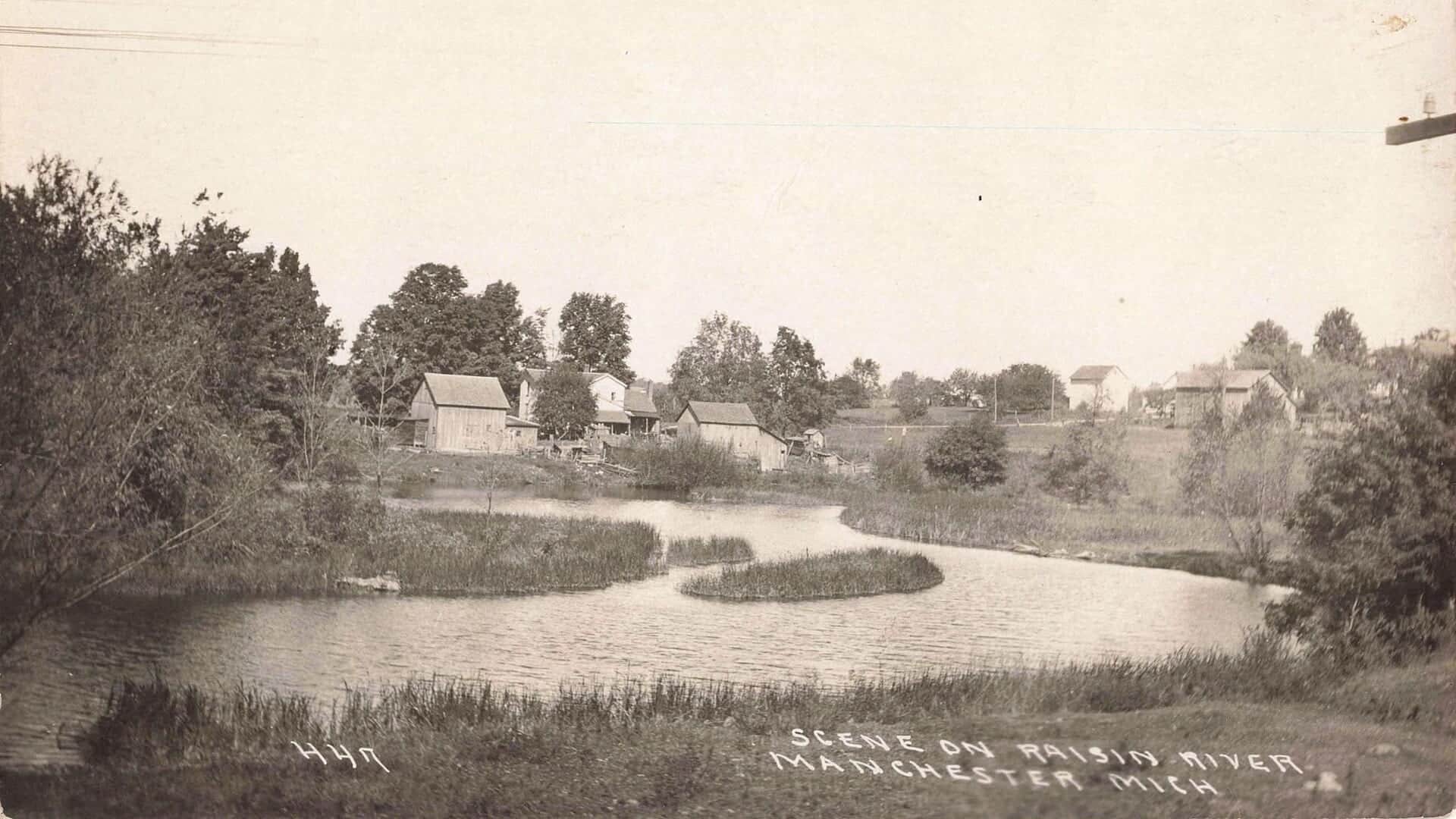
If the Huron is high, crowded, or dirty, compare the Raisin River for another southeast Michigan warmwater plan, the Kalamazoo for a larger warmwater system, or the Boardman when you want a colder trout-water trip.
Use these places as starting points. Open the access link below and check posted signs before you park or enter.
Michigan statewide fishing rules apply, and consumption guidance should be checked before harvest. Local park rules may also affect access, parking, and launches.
Ann Arbor park access, livery context, and warmer mixed-species fishing.
Urban paddling and riffle planning with dam-awareness.
A broader metropark option upstream with family and bank-access planning.
Official agencies and primary river operators come first. Secondary tools are labeled so you know what carries the most weight.
Check what is allowed, where the rule applies, and whether the river is open.
Check the latest river reading and forecast before you leave.
Check public entry points, land rules, and seasonal access changes.
Check what is allowed, where the rule applies, and whether the river is open.
Open the current fish eating advice and check which fish and waters it covers.
Open the current rules and check the river section, season, and special limits.
Check the latest river reading and forecast before you leave.
Open this page and check the latest safety advice before your trip.
Open this river reading to check the latest level, flow, and update time.
Open this river reading to check the latest level, flow, and update time.
Check public entry points, land rules, and seasonal access changes.
Open the land or access page, then check signs before you park or enter.
Open the land or access page, then check signs before you park or enter.
What was checked: This Huron River report is maintained from RiverReports and USGS Ann Arbor flow data, Michigan regulation, Ann Arbor and Metroparks access sources, fish-consumption guidance, weather, media-credit, and practical southeast Michigan warmwater planning sources.
Live measurements and forecasts keep their provider timestamps. Rules, access, and trip guidance use the source-review date shown here. BlueStreamFly planning advice is editorial interpretation, not an agency notice.
First-hand experience: BlueStreamFly does not claim a first-hand visit or local field test for this report unless a real contributor is explicitly named and linked.
Check the Ann Arbor flow, recent storms, local park access, and Michigan Eat Safe Fish guidance first.
Statewide Michigan rules apply, and harvest should be checked against current consumption guidance.
Yes, but only if you match the reach, season, water temperature, and target species. This page separates trout, migratory, and warmwater plans where that matters.
Bring the hatch-chart flies, a few confidence nymphs, and a backup streamer or warmwater box so you can adjust to flow, clarity, and temperature.
Access is good through parks and liveries, but dams, storms, and crowding still require planning.