Oregon / West
Hood River
A Hood River report for mainstem and East Fork planning, with current spring Chinook and steelhead context, East Fork walk-in access, changing regulations by fork, and weather-aware go-or-no-go guidance.
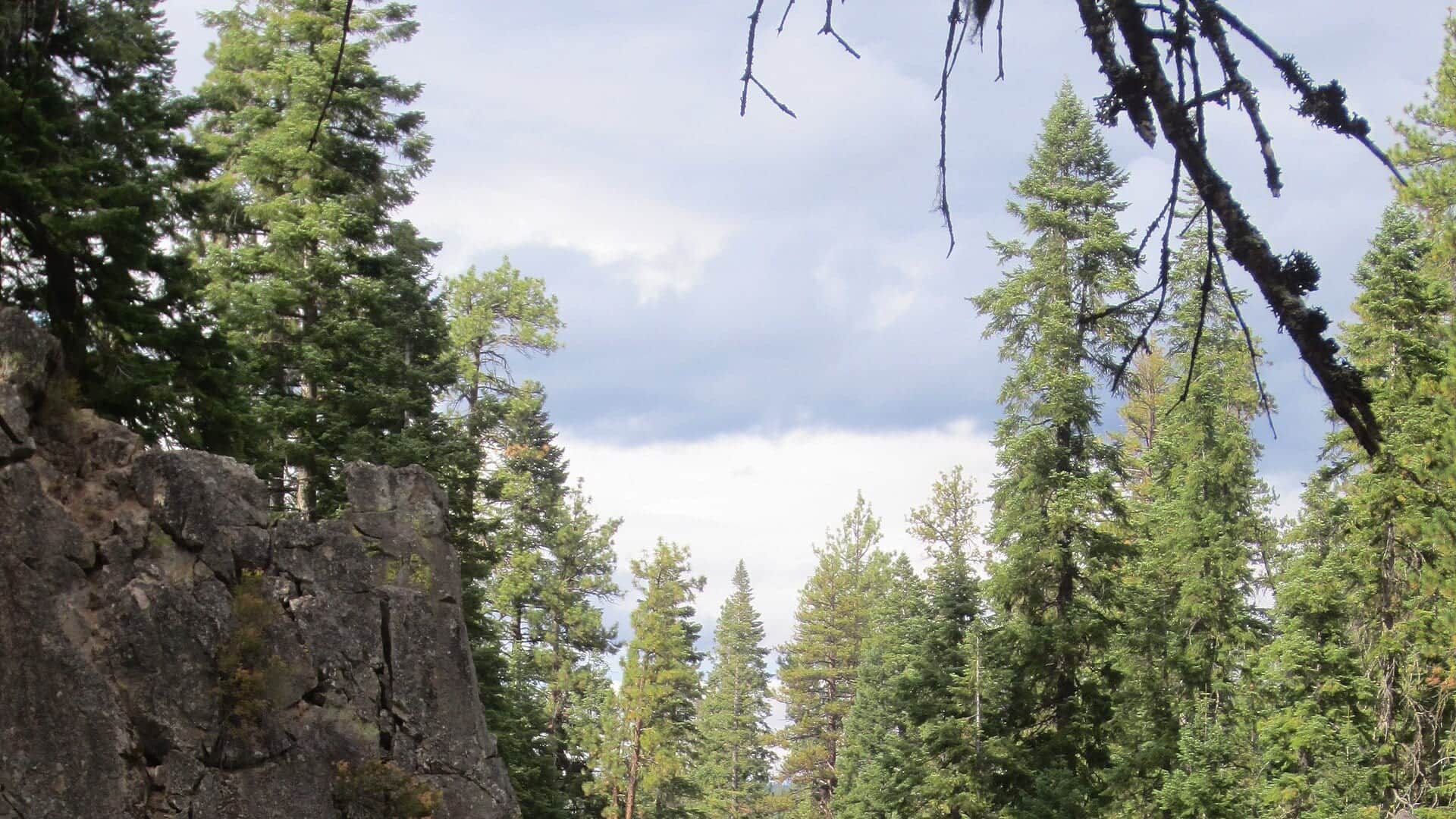
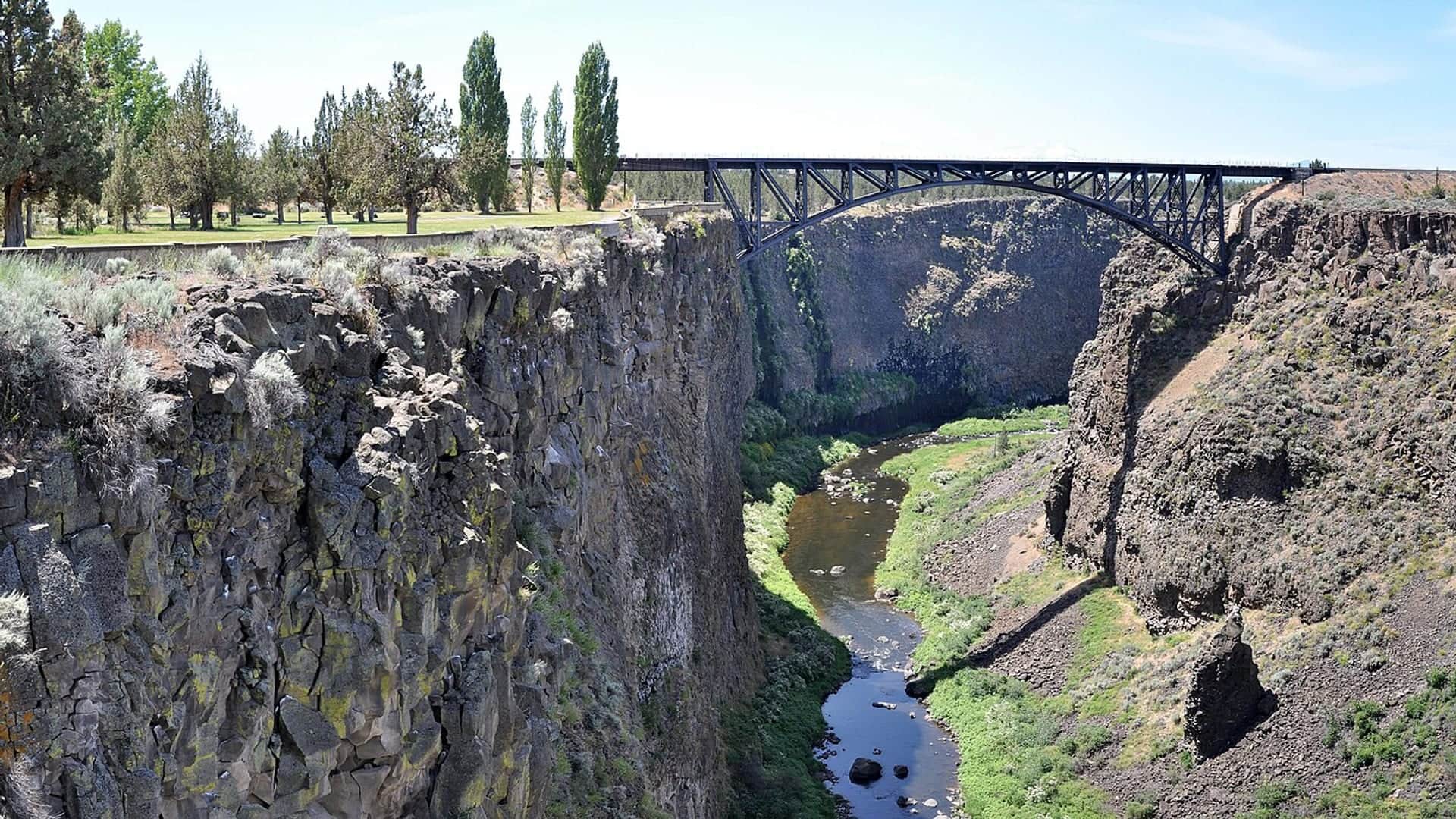
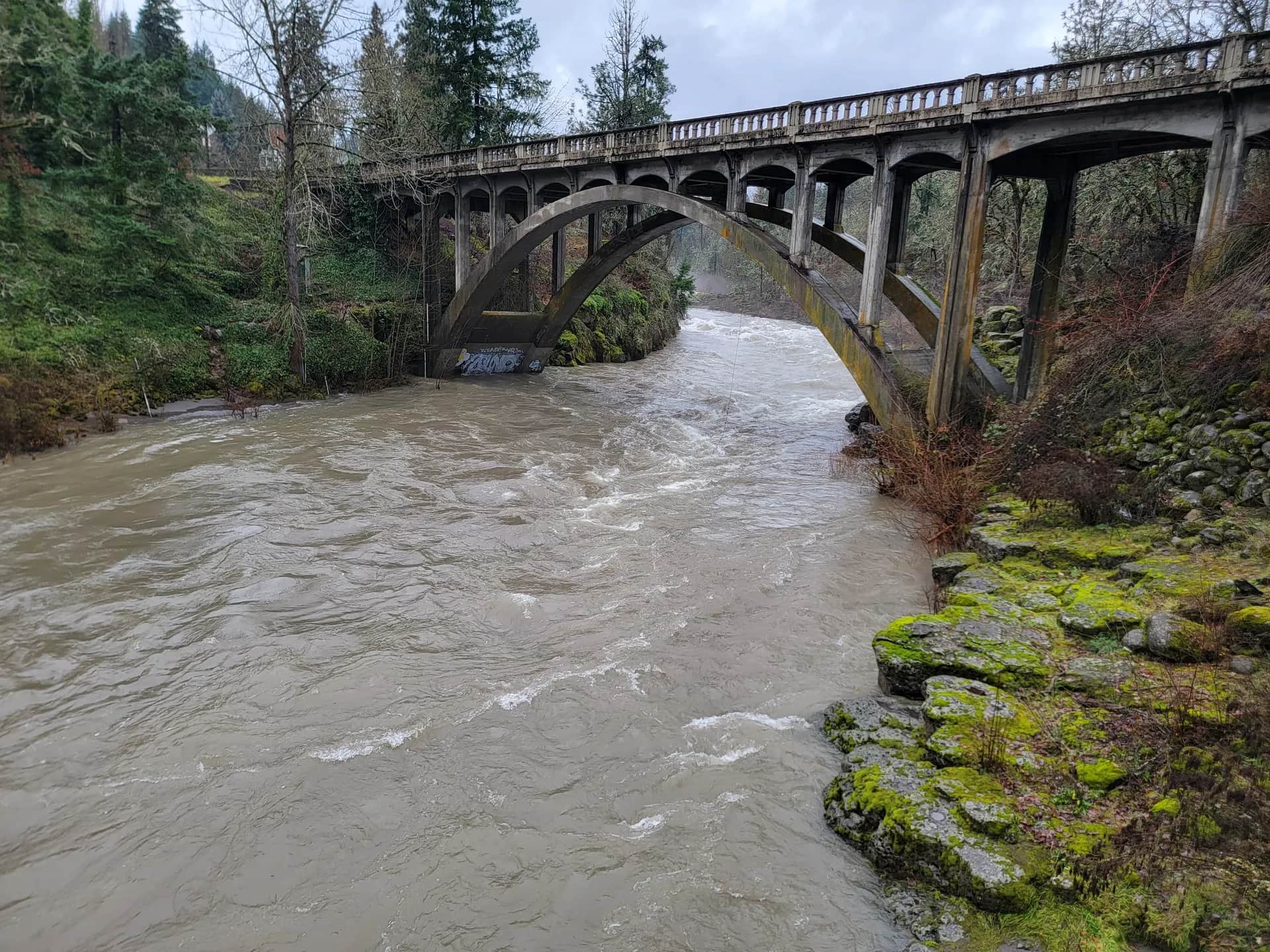
Image: Generated regional planning image for Hood River / BlueStreamFly generated; not exact location / BlueStreamFlyFishability now: Hood River fishability today
GreatData confidence: High96/100
Fishable now because the live gauge is stable, weather is mild, and no public alert is active.
Flow observed
5:30 PM UTC
Weather observed
6:00 PM UTC
Score calculated
6:12 PM UTC
Why this rating
Flow
Water temperature
Public alerts
Next 6-12 hours
Hold
Stable live data supports staying with the plan, but recheck the gauge and forecast before leaving.
USGS flow
344 cfs
Current trend: flow stable, so weather, temperature, and access checks drive the next change.
More planning details: flies, flow bands, and live source checks
Fish it today
Start here
Base in Hood River or Parkdale, pick either a lower mainstem check or an East Fork walk-in, and fish one clean plan instead of trying to sample every fork in one day.
Best flow clue
Stable green flow that gives the lower river enough shape for travel water while keeping East Fork access worth the hike. Once the basin turns glacial and dirty, the value falls fast.
Skip trigger
Skip the Hood when color is heavy, runoff is climbing, or your only good access point is closed or washed out.
Flow decision bands
Stable or slowly falling Tucker Bridge flow
This is the cleanest signal for readable edge water, safer wading, and steelhead or trout travel lanes in the gorge corridor.
Glacial color or storm rise
Rising, milky, woody, or rain-pushed water should move the plan to scouting, protected edges, or a different watershed.
Low clear summer flow
Fish early, use quieter presentations, and treat cutthroat or smaller trout water as a better fit than forcing broad mainstem swings.
Fork or trail limitation
A fishable gauge is not enough if East Fork access, trail conditions, fork-specific rules, or storm debris make the chosen water unsafe.
USGS flow
344 cfs
Current trend: flow stable, so weather, temperature, and access checks drive the next change.
Live USGS flow
344 cfs / stable
Live NWS forecast
65F / Slight Chance Rain Showers
Live water temperature
55F from USGS
No NWS alert flag
No active NWS alert was returned for this forecast point.
Do not assume the mainstem, East Fork, and West Fork fish under the same trout rules.
The best Hood days come when flow is stable enough to read seams and you have a specific access corridor in mind before leaving town.
East Fork access is useful for a shorter walk-and-fish plan, but Forest Service trail conditions can change after storms.
If glacial color, runoff, or closure notices stack up, switch to a cleaner Oregon backup instead of forcing a marginal day.
Editorial review
How this report is maintained
This report starts with official regulation, access, flow, weather, and public-land sources, then adds practical planning guidance for fly anglers.
Byline
BlueStreamFly editorial desk
Reviewed by
BlueStreamFly source review
Maintained by
BlueStreamFly
Last material review
2026-06-03
Report confidence
Good confidence
89/100
Good confidence: RiverReports, USGS 14120000 at Tucker Bridge, ODFW and Oregon regulation sources, public trail and access context, weather data, and route-specific Hood River guidance support the page. Confidence is moderated by glacial color, storm debris, fork-specific rules, trail status, and fast gorge weather changes.
Regulations
ODFW and Oregon regulation sources support rule checks across the mainstem and forks.
Access
East Fork Trail, Dog River, and lower Hood access context support public planning, while trail condition and exact bank entry remain current checks.
Flow and weather
RiverReports, USGS 14120000 at Tucker Bridge, and the National Weather Service point support live flow and weather decisions.
Fishing usefulness
The page now separates Tucker Bridge trend, glacial color, fork access, storm skips, low-clear tactics, and Oregon backup-water choices.
Fishability dashboard and source review
2026-06-03 / material content or source review
RiverReports, USGS 14120000 at Tucker Bridge, ODFW Columbia Gorge and Central Zone context, Oregon regulations, East Fork and Dog River public access sources, National Weather Service point data, and route-specific gorge safety sources were checked before updating the current-fishability decision layer.
2026-06-03
Updated Hood River to the current fishability-page standard with Tucker Bridge flow bands, fork-specific access cards, glacial-color and storm backup cues, stable fishability SEO, and confidence signals.
2026-05-26
Published a new Hood River report with mainstem-versus-fork planning guidance, current ODFW rule context, East Fork access notes, and clearer go-or-no-go flow advice.
Angler planning edge
Local details that change the plan
Best for
Short Oregon salmonid sessions, Mainstem steelhead and Chinook scouting, East Fork trout access when clarity is good
Wade or float
Best treated as a wade-and-walk river with short targeted sessions. The Hood rewards smart edge access more than ambitious mid-river movement.
Best flows
Stable green flow that gives the lower river enough shape for travel water while keeping East Fork access worth the hike. Once the basin turns glacial and dirty, the value falls fast.
When to skip
Skip the Hood when color is heavy, runoff is climbing, or your only good access point is closed or washed out.
Local plan
Base in Hood River or Parkdale, pick either a lower mainstem check or an East Fork walk-in, and fish one clean plan instead of trying to sample every fork in one day.
Pressure
The easiest Highway 35 pull-offs and obvious East Fork entries get pressure first, especially when nearby Portland anglers are chasing a short weather window.
Access nuance
Forest Service access is a real advantage here, but it also means closures, pass requirements, and trail conditions can change the trip more than the river map suggests.
Backup water
The Deschutes, Crooked, or Sandy are stronger backup calls when the Hood loses clarity or access confidence.
About the river
Setting, character, and why it fishes the way it does.
The Hood River basin is compact on a map but complicated for anglers because the mainstem, East Fork, and West Fork all behave differently. A useful report has to say that plainly instead of pretending one set of flies or one rule summary covers the whole basin.
This page is built around the practical public-water decisions most visiting anglers face: whether the lower mainstem is worth a steelhead or Chinook look, whether East Fork access is open and worthwhile, and whether the water is clear enough to justify the drive.
The Hood rewards anglers who stay realistic about access and timing. You can build a strong half-day plan here, but only if you check current ODFW guidance, read the fork-specific regulations, and avoid drifting into closed or storm-damaged upper access on assumption alone.
Target species
Summer steelhead
A central fly-fishing target once the mainstem and lower basin settle into shape.
Spring Chinook
Part of the current lower-river story and a reason to track the mainstem closely in late spring.
Rainbow and cutthroat trout
A more realistic East Fork and smaller-water focus than a broad lower-mainstem expectation.
Reading the water
Green stable flow
Best overall window for lower-river swing water and cleaner East Fork reads.
High glacial color
Reduces usefulness fast; fish a shorter upper-water option or change rivers.
Low clear summer water
Scale down, fish early, and treat obvious access as pressured water.
Post-storm trail impacts
Check access before committing to East Fork walking routes because closures can change the day.
Best seasons
Spring
Prime time for the current Chinook conversation and a good check on lower-river fish movement.
Summer
Best overall season for mixed steelhead and upper-basin trout plans when clarity cooperates.
Early fall
A strong time for shorter technical sessions before colder weather narrows the options again.
Winter
Can be worth watching for steelhead context, but access, color, and safety narrow the useful windows fast.
Preferred flow source
Hood River near Hood River
RiverReports is the preferred chart source when coverage exists. When a matching USGS gauge exists, keep it open as the official backstop for station data and current hydrograph context.

USGS data chart
Official USGS trend
Streamflow over the latest USGS reporting window.
Latest
344 cfs
Jun 3, 5 PM UTC
Weather
River weather report
Weather can change wading safety, road access, water temperature, hatches, and the best time of day to fish.
Live forecast loads as you reach this section
This keeps the report fast while still using the official National Weather Service forecast point.
Hatches and flies
Hatch chart and fly picks
March-May
Midges, blue-winged olives, caddis, and spring Chinook travel-water windows
Zebra midge, BWO emerger, caddis pupa, soft hackle, sparse wet fly
May-June
Caddis, PMDs in calmer trout water, and stronger steelhead-salmon movement
Elk hair caddis, PMD cripple, stonefly nymph, traditional steelhead wet fly
July-September
Summer steelhead swing windows, caddis, and small terrestrials in East Fork trout water
Green Butt Skunk, muddler, caddis, ant, beetle, small olive bugger
October-November
Eggs, stones, and late caddis around mixed salmonid water
Egg fly, black stonefly, caddis pupa, leech, sparse intruder
Trout and half-pounder nymphs
Pheasant tail, hare's ear, caddis pupa, zebra midge, small stonefly
Start here on cooler East Fork walks or when the main river is too pushy to swing well.
Swing flies
Green Butt Skunk, muddler, sparse intruder, soft hackle, marabou tube
Best when the Hood is green and stable enough to cover travel seams with purpose.
Dry-dropper and cutthroat backups
Elk hair caddis, ant, beetle, parachute Adams, small olive bugger
Useful in summer when East Fork pocket water or side-water trout save the day.
Tactics
How to fish it
Choose the fork or mainstem corridor before you rig up. The Hood is not a one-pattern, one-access river.
On the lower river, cover travel seams and softer walking-speed edges instead of wading deep into glacial push.
On East Fork access, fish it like small to medium trout water first, then let steelhead context become a bonus rather than the whole plan.
If the river looks more like runoff than fishable green water, do not spend the day arguing with it.
Rigging
Rod, leader, and setup notes
A 5- or 6-weight single-hand setup covers the broadest Hood use, especially if you carry both floating and lightly weighted options.
For East Fork trout work, start longer and lighter than you would on the lower mainstem, then shorten up when current or wind dictates.
Carry enough tippet range to move from small caddis or ant patterns into soft hackles or steelhead-style presentations without rebuilding from scratch.
If you only have a short session, stay close to known access instead of burning time scouting closed or washed-out trailheads.
Access
Access and planning notes
Tucker Bridge and lower Hood gauge corridor
Flow and clarity checkWade / float / trail
RiverReports / USGS / bank / short wade
When to pick it
Start here when the hydrograph, color, and safe edges support a mainstem plan.
Caution
Gauge-area visibility does not make the whole river safe to cross or fish from every bank.
East Fork Trail #650
Trout and upper-basin accessWade / float / trail
Trail / walk-wade
When to pick it
Use it when trail status, weather, and flow support a lighter fork-specific day.
Caution
Trail, fork rules, and storm damage can matter more than the mainstem gauge.
Dog River and Hood River forest access
Gorge access comparisonWade / float / trail
Trailhead / road scout / wade
When to pick it
Pick it when lower mainstem color or crowding makes a smaller public-access check more useful.
Caution
Road, trail, and weather conditions can change fast on the east side of Mount Hood.
Forest Service trail access is useful on the Hood, but closures and storm damage matter more here than on a roadside tailwater.
The lower mainstem can look easy from the road while still being a poor or unsafe wading choice.
Fork-specific regulations are part of access planning on the Hood because the legal fishery changes as quickly as the water type does.
Regulations
Check before fishing
Read the current Oregon regulations before fishing the Hood. Mainstem, East Fork, and West Fork rules differ, and ODFW's current Central Zone update should be treated as required trip planning rather than optional reading.
Primary base
Hood River, Parkdale, or the Highway 35 corridor
Best day style
Highway 35 pull-offs, trail-based East Fork access, and short-session walk-in water
Check first
RiverReports, USGS 14120000, current ODFW Central Zone updates, Forest Service access conditions, and the NWS forecast
Safety
Glacial color, slick rock, fast push in confined seams, trail damage after storms, and mixed-use roadside access
Gear
Helpful gear for this water
5- or 6-weight rod
A practical crossover rod for East Fork trout work and lighter steelhead presentations.
Floating line with a light tip
Lets you fish dries or nymphs up high and still swing lower-river travel lanes.
Wading staff
Helpful on slick volcanic rock and pushy glacial edges.
Rain shell and layered insulation
The Hood can feel cold and wet even when the valley looks mild.
Nearby water
Other water to research
Backup logic
Glacial or muddy color
Compare the Deschutes, Crooked, or Sandy depending on whether you want trout, steelhead, or a shorter metro-access day.
High or woody after storms
Wait for the Tucker Bridge trend to flatten and choose water with safer edges.
Fork access or trail issue
Use confirmed public mainstem access or switch to another Oregon route instead of improvising entries.
Heat or low clear pressure
Fish short cool windows, handle salmonids quickly, or shift to colder and better-supported water.
Deschutes River
A better backup when you want more stable structure and a clearer steelhead plan.
Crooked River
A cleaner technical trout option if the Hood turns glacial and pushy.
Sandy River
Another salmonid-driven Oregon option if the Hood route loses clarity or access.
FAQ
Fast answers
Is Hood River fishable today?
Hood River looks very fishable right now. The live score is 96/100, based on current flow, weather, public alerts, and the report's planning context. Recheck the linked gauge and forecast before leaving because conditions can change quickly after rain, heat, access changes, or flow swings.
What flow is best for Hood River?
Stable green flow that gives the lower river enough shape for travel water while keeping East Fork access worth the hike. Once the basin turns glacial and dirty, the value falls fast.
When should I skip Hood River?
Skip the Hood when color is heavy, runoff is climbing, or your only good access point is closed or washed out.
Is Hood River safe to wade right now?
The fishability score is not a wading guarantee. Wade only where your chosen access has safe edges, clear footing, legal entry, and no forced crossings; high, rising, stained, or storm-affected water should be treated conservatively.
What should I check first before fishing the Hood River?
Check the current ODFW Central Zone report, your exact fork or mainstem regulation, the RiverReports and USGS trend, and any Forest Service trail or closure notice tied to the access you want.
Is the Hood River mainly a trout river or a steelhead river?
It can be both, but not on the same plan. The lower mainstem leans toward salmon and steelhead timing, while East Fork access is usually the better trout-style fly-fishing decision.
Can I wade the Hood River safely?
Yes in selected edges and upper-water sections, but the Hood becomes a poor crossing game quickly when glacial color or storm push shows up. Edge control matters more than bravado.
When should I skip the Hood River?
Skip it when the river is milky or rising, when your chosen East Fork access is closed, or when you have not sorted out the fork-specific regulations well enough to fish with confidence.
Sources
Source set for this report
Reviewed 2026-06-03