Alaska / West
Tsiu River
A remote Yakutat-area coho planning report for weather, access, flies, safety, regulations, and realistic expectations when no public live gauge is available.
Image: Generated regional planning image for Tsiu River / BlueStreamFly generated; not exact location / BlueStreamFlyFishability now: Tsiu River fishability today
UnknownData confidence: Medium44/100
Check live sources first because flow has been checked, weather is mild, and no public alert is active.
Flow observed
Not returned
Weather observed
5:00 PM UTC
Score calculated
6:11 PM UTC
Why this rating
Flow
Weather
Public alerts
Next 6-12 hours
Hold
Wait for a better live check before committing the drive or choosing a wading plan.
Flow check
No live chart
Current trend: previous-score comparison will become more useful after repeated live checks.
More planning details: flies, flow bands, and live source checks
Fish it today
Start here
Confirm Yakutat-area rules and emergency orders first, then call the access provider for runway or landing status, recent rain, bear activity, and fish movement. Pack for a weather delay rather than a same-day certainty.
Best flow clue
Use National Weather Service forecasts, NOAA Alaska-Pacific River Forecast Center context, recent rainfall, and local air-service reports in place of a live gauge. The best fishing window is usually fishable color with moving coho and a safe weather window for both arrival and exit.
Skip trigger
Skip or delay the Tsiu when ADF&G emergency orders change the plan, storms threaten aircraft movement, recent rain erases visibility, bears or tides make the chosen water unsafe, or the trip lacks satellite communication and a realistic exit plan.
Flow decision bands
Best starting window
Stable or gently falling live flow is the cleanest planning signal unless the route profile says otherwise.
Skip or scale back
Rising, stained, hot, or unsafe water should move the plan to banks, backup water, or a later check.
Flow check
No live chart
Current trend: previous-score comparison will become more useful after repeated live checks.
No structured live flow
Use the linked flow and access sources before deciding.
Live NWS forecast
57F / Mostly Sunny
Water temperature not verified
Heat guidance uses weather and river type unless an official water-temperature value is available.
No NWS alert flag
No active NWS alert was returned for this forecast point.
Confirm current ADF&G Yakutat regulations and emergency orders before booking or fishing.
Use the National Weather Service forecast and local reports as the first condition check because coastal rain can change water height and clarity quickly.
Expect fly selection to revolve around coho presentations, visibility, and fish movement rather than trout-style insect matching.
Treat access as a remote-travel problem: weather delays, air-taxi availability, bears, tides, and satellite communication matter.
Editorial review
How this report is maintained
This report is maintained from current regulation, access, flow, weather, and public planning sources so anglers can make better trip decisions than a raw gauge or generic overview would allow.
Byline
BlueStreamFly editorial team
Reviewed by
BlueStreamFly source review
Maintained by
Mountain Brook Run LLC
Last material review
2026-05-28
Report confidence
Good confidence
82/100
Good confidence: ADF&G regulation, Yakutat-area, emergency-order, weather, NOAA, and USFWS media sources resolved. Confidence is moderated by the lack of a verified public live gauge, remote fly-out access, fast coastal weather, local-condition dependence, and a generated regional image that is not represented as exact-location photography.
Regulations
ADF&G Yakutat, Southeast regulation, special-regulation PDF, and emergency-order sources support current legal checks.
Access
ADF&G remote-system context supports fly-out planning, but actual aircraft access, land status, tides, and local use need direct confirmation before travel.
Flow and weather
No verified public live gauge is used; the page relies on National Weather Service, NOAA APRFC context, rainfall, and local reports.
Fishing usefulness
The report now separates coho timing, weather delays, no-gauge planning, bear and tide safety, pressure, access logistics, and backup-water decisions.
Reviewed planning update
2026-05-28 / material content or source review
ADF&G Yakutat management information, Yakutat-area Tsiu River notes, Southeast Alaska sport-fishing regulations, the 2026 Yakutat special-regulations PDF, Southeast emergency orders, National Weather Service data, the NOAA Alaska-Pacific River Forecast Center, and the USFWS media source were checked before expanding guidance for remote coho timing, no-live-gauge planning, fly-out access, weather delays, bears, tides, and backup-water choices.
2026-05-28
Added Tsiu trip-fit guidance, remote fly-out planning, no-live-gauge condition framing, access and safety nuance, pressure timing, backup-water suggestions, editorial review signals, and a page-specific report-confidence meter after source review.
2026-05-24
Initial source-reviewed report published with no-live-gauge flow guidance, weather, salmon timing, flies, tactics, access, regulations, and FAQs.
Angler planning edge
Local details that change the plan
Best for
Anglers planning a remote Yakutat-area coho trip who can handle weather delays and air-access logistics, Late-summer and fall salmon trips where visibility, rain, tides, and fish movement matter more than trout-style hatch timing, Experienced travelers who will verify ADF&G emergency orders, local air-taxi status, bear safety, and communication plans before booking, Trips where Situk or another Yakutat-area fallback is part of the plan before leaving home
Wade or float
Treat the Tsiu as a remote fly-out and lower-river wade-planning report. There is no verified public live gauge on the page, so weather, recent rain, local charter reports, tides, landing conditions, and exit timing matter more than a normal flow threshold.
Best flows
Use National Weather Service forecasts, NOAA Alaska-Pacific River Forecast Center context, recent rainfall, and local air-service reports in place of a live gauge. The best fishing window is usually fishable color with moving coho and a safe weather window for both arrival and exit.
When to skip
Skip or delay the Tsiu when ADF&G emergency orders change the plan, storms threaten aircraft movement, recent rain erases visibility, bears or tides make the chosen water unsafe, or the trip lacks satellite communication and a realistic exit plan.
Local plan
Confirm Yakutat-area rules and emergency orders first, then call the access provider for runway or landing status, recent rain, bear activity, and fish movement. Pack for a weather delay rather than a same-day certainty.
Pressure
Pressure is not road-access pressure; it is concentrated around legal openings, fly-out availability, guide schedules, and the best coho timing. A weather delay can stack effort into a short window quickly.
Access nuance
ADF&G describes the Tsiu as an outlying remote system, so access planning is part of the report. Confirm land status, aircraft logistics, local use, private or commercial activity, and bear-safe camp behavior before fishing.
Backup water
If the Tsiu is weathered out, off-color, or legally uncertain, research the Situk River first, then Yakutat road-area waters such as Lost River and Tawah Creek, or other remote systems only with current local access information.
About the river
Setting, character, and why it fishes the way it does.
ADF&G places the Tsiu in the Yakutat Management Area and identifies it as one of the remote systems west of Yakutat that is known mainly for coho runs. The agency notes that anglers should check with local air taxis for service to these outlying systems.
This is not a road-system report. It is a remote coastal Alaska page, so the useful information is less about roadside access points and more about weather, flight windows, fish timing, safe wading, and regulation checks.
The Tsiu sits in a rain-driven coastal setting. Conditions can change fast after storms, and a no-gauge page should never imply certainty about current height, clarity, or fish movement.
Target species
Coho salmon
The main sport-fishing draw. Plan for moving fish, changing water color, and regulations that can be updated by emergency order.
Dolly Varden
ADF&G reports Dolly Varden in Yakutat-area freshwaters; they may be encountered around salmon timing and egg or flesh food sources.
Other Pacific salmon
Yakutat-area waters support multiple salmon species, but this report should not treat them as open harvest targets without checking current ADF&G rules.
Reading the water
Low and clear
Use lighter sink tips or floating-line presentations, smaller streamers, and careful approaches. Coho may hold lower, move less, or wait near tide-influenced water.
Fresh rain and rising water
Rain can pull coho into the river, but clarity and safety decide whether it is fishable. Watch for debris, soft banks, and fast color changes.
High or blown out
Do not force it. Heavy coastal rain can make the river unsafe and unfishable; wait for dropping water or use a local alternate.
Warm, dry spells
Low warm water can stress salmon. ADF&G archived Yakutat reports have warned that warm, dry conditions can reduce water levels and stress coho.
Best seasons
Late summer
The first planning window for coho trips. Watch rainfall, fish movement, and emergency orders rather than relying on a fixed calendar date.
Early fall
Often the most important coho travel window, but storms, visibility, and air access can change the plan quickly.
Spring
Not the main Tsiu coho window. Yakutat-area spring planning is more commonly tied to other systems and species.
Winter
A poor fit for most visiting anglers because weather, daylight, access, and open fishing opportunity are limiting factors.
Flow
Tsiu River near Yakutat
No verified public RiverReports or USGS live gauge is used for this report. Treat recent rain, forecast storms, local air-taxi reports, and ADF&G updates as the main condition checks before committing to a remote trip.
Weather
River weather report
Weather can change wading safety, road access, water temperature, hatches, and the best time of day to fish.
Live forecast loads as you reach this section
This keeps the report fast while still using the official National Weather Service forecast point.
Hatches and flies
Hatch chart and fly picks
Pre-trip
No trout-style hatch driver
Pack coho streamers, flash flies, egg patterns where legal, and backup leaders
Late August to September
Coho movement after rain
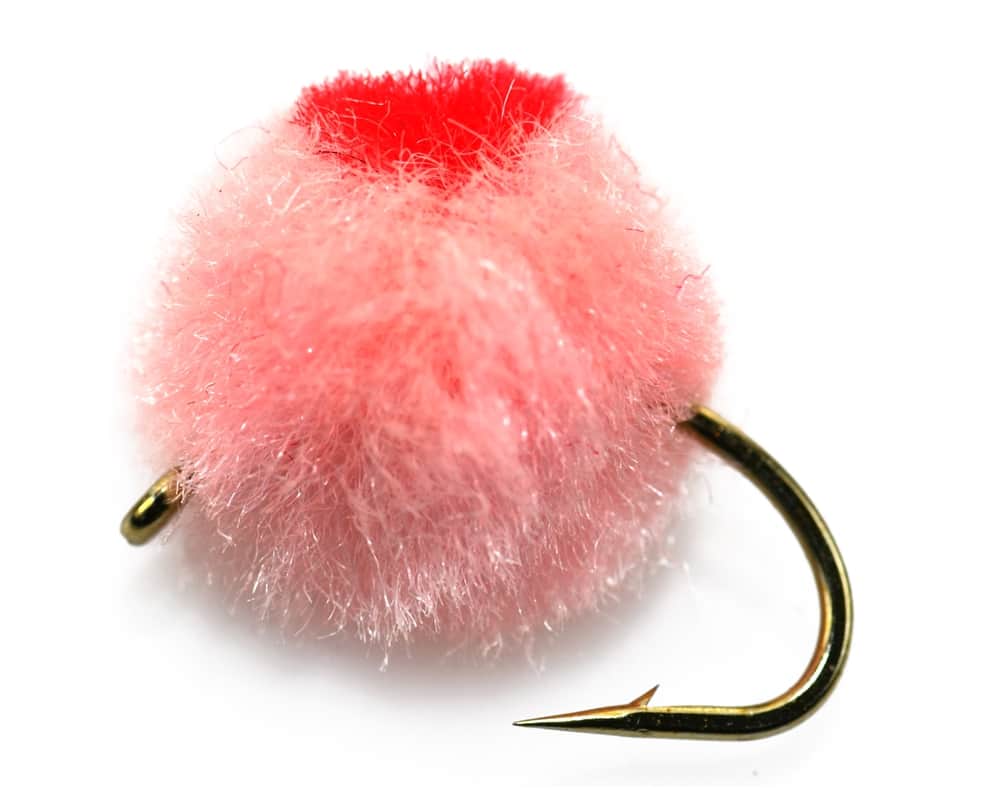
Pink, chartreuse, purple, black, and blue coho streamers; sparse flash flies
Low clear water
Visibility and fish mood matter most
Smaller unweighted streamers, twitching flies, subdued colors, light tips
Stained water
Color and profile matter more than size alone
Brighter coho flies, larger profiles, leeches, intruders, and controlled swings
Around spawning salmon
Egg and flesh food sources
Egg patterns and flesh-style flies only where current rules and ethics support them
Coho streamers
Pink, purple, chartreuse, black, blue, and flash-heavy coho flies
Use when fish are moving or holding where visibility allows a swung, stripped, or twitched fly.
Leeches and intruders
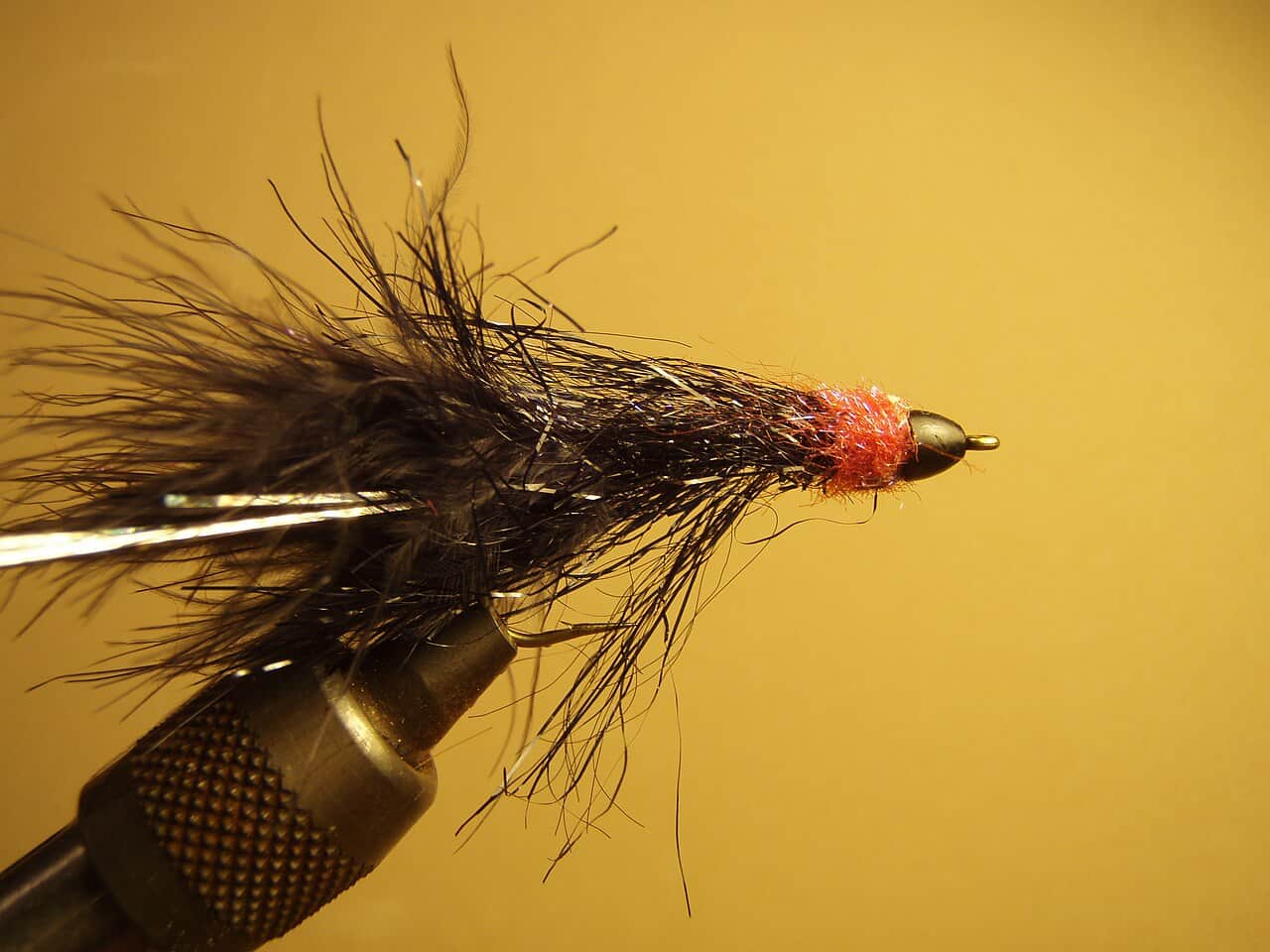
Egg-sucking leech, small intruder, articulated rabbit strip, marabou tube fly
Use in stained water, deeper slots, and slower pools where a bigger profile helps fish find the fly.
Subtle clear-water flies
Sparse pink or black streamers, smaller bunny leeches, low-flash baitfish shapes
Use when the river is low, clear, and fish are pressured or reluctant.
Dolly Varden backup
Egg patterns, flesh flies, small streamers, beads where legal
Use when Dolly Varden are feeding around salmon activity and current rules allow the setup.
Tactics
How to fish it
Call or check with local Yakutat air services before treating the trip as confirmed. Weather can change flight plans.
When coho are moving, cover water methodically with a swing, strip, or twitch-and-pause retrieve rather than standing on one pod too long.
Use bright flies when the river has color and smaller, cleaner profiles when the river is low and clear.
Avoid fishing over visibly stressed fish during hot, low, or stagnant conditions. Move to fresher water or pause the trip.
Make bear awareness part of the fishing plan: keep fish handled cleanly, manage food carefully, and stay alert around salmon water.
Build in extra time for weather delays. A remote Alaska trip should not be scheduled like a roadside afternoon session.
Rigging
Rod, leader, and setup notes
An 8-weight single-hand rod is the practical baseline for coho flies, wind, and landing fish quickly.
A 7-weight can work for smaller flies and calmer conditions; a 9-weight helps with heavy tips, large flies, and tough wind.
Carry floating, intermediate, and sink-tip options so the fly can stay in the lane without excessive weight.
Use stout leaders and check knots often. Coho, brush, gravel, and repeated casting wear tackle down quickly.
Pack backup fly lines, leaders, pliers, and repair items because replacing gear is not simple on a remote drop-off.
Access
Access and planning notes
Remote air access from Yakutat
Access checkWade / float / trail
Match to local conditions
When to pick it
ADF&G describes the Tsiu as an outlying remote system and advises checking with local air taxis for charter service.
Caution
Confirm current rules, legal access, and water safety before committing.
Tidewater and lower river planning
Access checkWade / float / trail
Match to local conditions
When to pick it
Coho movement, tides, rain, and visibility can all matter near coastal water. Confirm local conditions before choosing a landing or fishing zone.
Caution
Confirm current rules, legal access, and water safety before committing.
Yakutat fallback waters
Access checkWade / float / trail
Match to local conditions
When to pick it
If the Tsiu is inaccessible or unfishable, research Yakutat-area alternatives through ADF&G rather than forcing the original plan.
Caution
Confirm current rules, legal access, and water safety before committing.
This page does not identify a public road access point because the Tsiu is treated here as a remote fly-out planning destination.
Confirm land status, aircraft landing conditions, guide or air-taxi availability, and weather windows before travel.
Carry satellite communication, bear-safe food handling, first aid, rain gear, and a conservative exit plan.
Respect private, tribal, commercial, and subsistence activity. Remote water is not a license to ignore local use patterns.
Regulations
Check before fishing
Check the current ADF&G Southeast Alaska sport fishing regulations, the Yakutat Area special regulations, and all emergency orders before fishing. Emergency orders supersede published regulations, and salmon limits, gear rules, king salmon restrictions, and saltwater/freshwater boundaries can change.
Primary base
Yakutat, Alaska
Best trip style
Remote fly-out coho trip with weather buffers
Check first
ADF&G emergency orders, NWS forecast, air-taxi status
Safety
Bears, storms, tides, cold water, no easy resupply
Gear
Helpful gear for this water
Satellite messenger
Essential remote-trip gear because cell service and fast extraction cannot be assumed.
Waterproof layers
Yakutat-area rain and wind can turn a good fishing window into a safety problem quickly.
Bear-safe camp system
Use careful food storage and fish-handling routines around salmon water.
Sink-tip wallet
Different tips let the same coho fly fish shallow travel lanes, deeper slots, and colored water.
Nearby water
Other water to research
Backup logic
Primary plan slips
Compare Situk River, Lost River and Tawah Creek, Italio, Akwe, and East Alsek Rivers only after checking current rules, access, and safety.
Situk River
The best-known Yakutat road-system fishery and an important fallback research page for steelhead, Dolly Varden, and salmon planning.
Lost River and Tawah Creek
ADF&G describes these Yakutat road-area waters as coho-focused late-summer and fall systems.
Italio, Akwe, and East Alsek Rivers
Other remote Yakutat-area systems to research with local air services and ADF&G before travel.
FAQ
Fast answers
Is Tsiu River fishable today?
Tsiu River needs a live-condition check before you commit. The live score is 44/100, based on current flow, weather, public alerts, and the report's planning context. Recheck the linked gauge and forecast before leaving because conditions can change quickly after rain, heat, access changes, or flow swings.
What flow is best for Tsiu River?
Use National Weather Service forecasts, NOAA Alaska-Pacific River Forecast Center context, recent rainfall, and local air-service reports in place of a live gauge. The best fishing window is usually fishable color with moving coho and a safe weather window for both arrival and exit.
When should I skip Tsiu River?
Skip or delay the Tsiu when ADF&G emergency orders change the plan, storms threaten aircraft movement, recent rain erases visibility, bears or tides make the chosen water unsafe, or the trip lacks satellite communication and a realistic exit plan.
Is Tsiu River safe to wade right now?
The fishability score is not a wading guarantee. Wade only where your chosen access has safe edges, clear footing, legal entry, and no forced crossings; high, rising, stained, or storm-affected water should be treated conservatively.
Is the Tsiu River a road-access fishery?
No. This page treats the Tsiu as a remote Yakutat-area system. ADF&G notes that anglers should check with local air taxis for charter service to outlying systems like the Tsiu.
What is the main fish to plan around?
Coho salmon are the main planning target. ADF&G describes the Tsiu as known mainly for coho runs.
Is there a live flow gauge for the Tsiu River?
No verified public RiverReports or USGS live gauge is used for this report. Use weather, recent rain, local reports, and conservative judgment instead.
What should I check before booking a trip?
Check ADF&G Yakutat regulations and emergency orders, NWS weather, local air-taxi availability, bear-safety needs, and backup plans for poor water or flight delays.
Sources
Source set for this report
Reviewed 2026-05-28