When to use it
- When the local food form, size, water type, and target depth support the exact pattern or family member.
- Use the linked river report as seasonal context, then verify what is present before choosing size and weight.
 Reviewed technical illustration
Wet Fly · guide 139
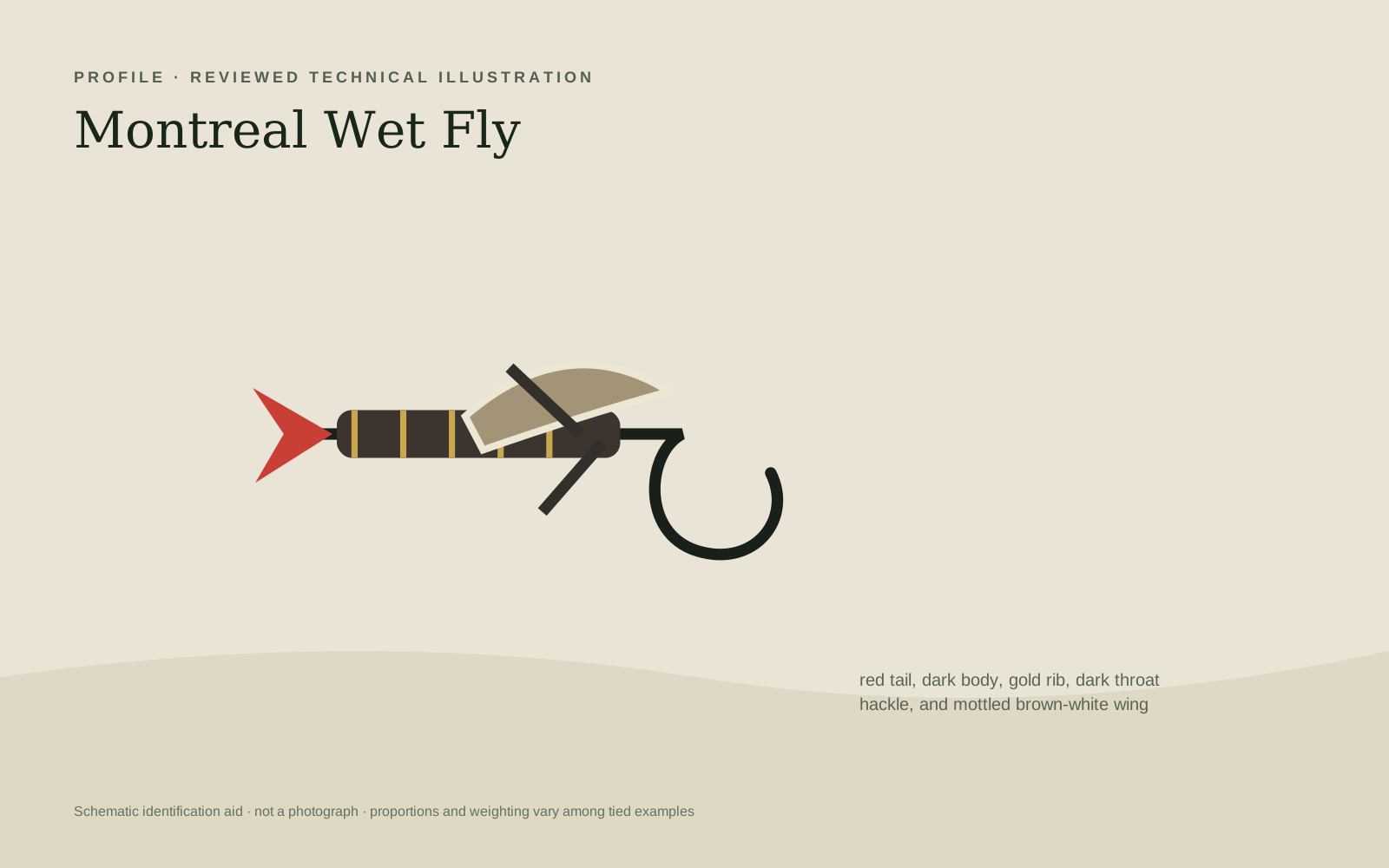
A historic Canadian winged wet fly with a red tail, dark ribbed body, dark hackle, and mottled light-and-dark wing.
The reviewed traditional-style form uses red hackle fibers for the tail, a dark body with gold rib, dark throat hackle, and a paired mottled feather wing. White-tip, dark, and regional dressings remain labeled.
Identification views
A schematic profile emphasizing red hackle-fiber tail and dark ribbed body.
On the water
The river, depth, insects, and fish behavior still decide the final presentation. These are reviewed starting points—not a claim about what is happening today.
Variant control
Three reviewed technical illustrations show the identified profile, construction, and fishing orientation. Hook brand, bead mass, color, size, and regional tying choices remain labeled variables.
Reviewed identified form
The reviewed traditional-style form uses red hackle fibers for the tail, a dark body with gold rib, dark throat hackle, and a paired mottled feather wing. White-tip, dark, and regional dressings remain labeled.Review trail
Pattern facts were reviewed on 2026-07-12. Every image has its own rights record and exact label; natural specimens and hand-tied flies can vary in proportion.
© 2026 BlueStreamFly · Mountain Brook Run LLC
© 2026 BlueStreamFly · Mountain Brook Run LLC
© 2026 BlueStreamFly · Mountain Brook Run LLC