Technical reviewed side profile illustration of Half-and-Half showing paired feather tail, sparse bucktail front, dumbbell eyes, hook-point-up orientationReviewed technical illustration
← Fly Box

Saltwater · guide 117

Half-and-Half

A Clouser-and-Deceiver hybrid pairing a feather tail with a dumbbell-eye bucktail front section.

Common size
No universal size; match the target species, legal hook rules, tackle, and local forage
Colors reviewed
chartreuse and white, olive and white, blue and white
Imitates
baitfish, deep minnow
How to recognize it

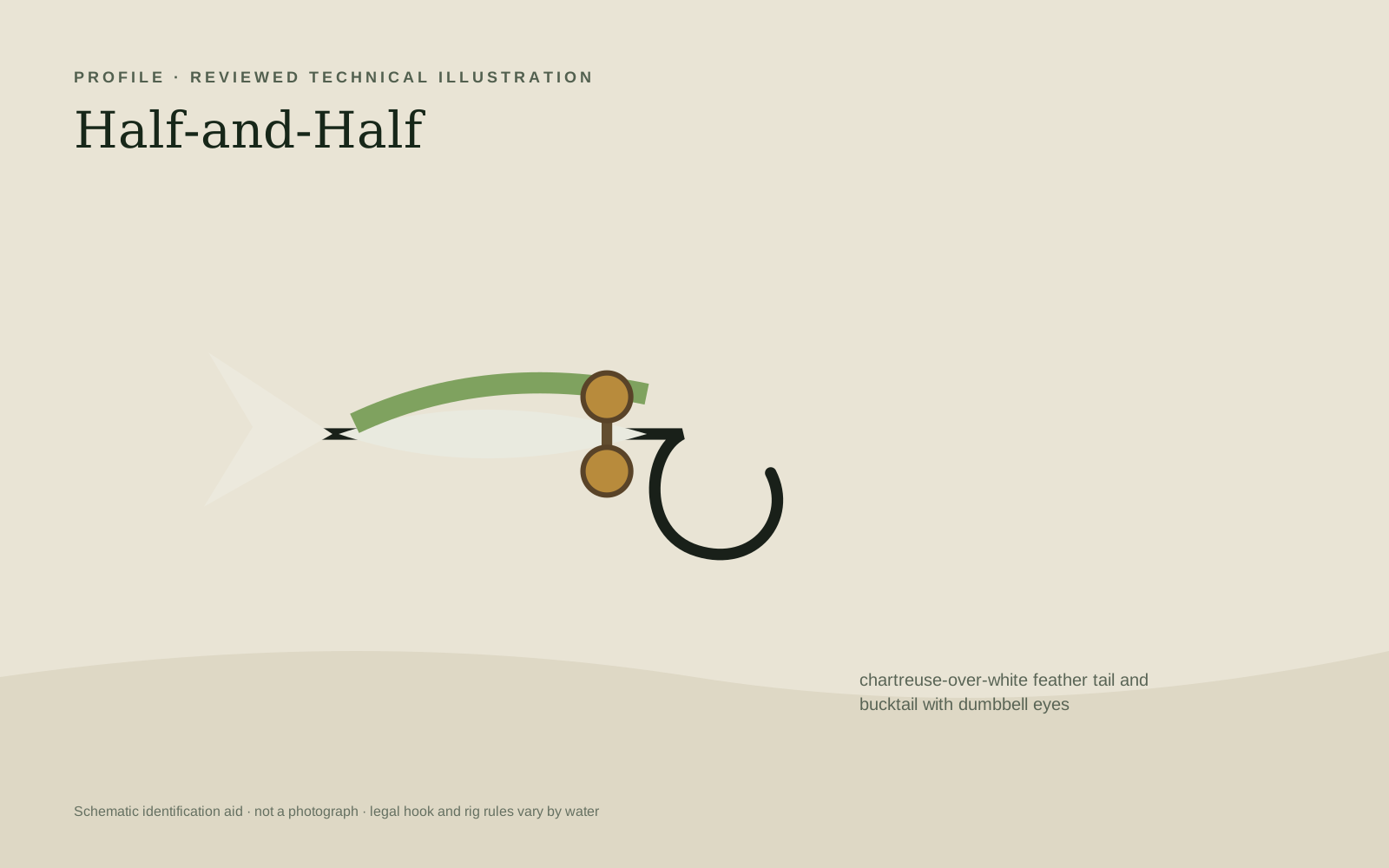
The reviewed form has long saddle-hackle tail feathers behind a sparse bucktail head and prominent dumbbell eyes. The eyes create a jigging, hook-up orientation that separates it from an unweighted Deceiver.

Technical reviewed side profile illustration of Half-and-Half showing paired feather tail, sparse bucktail front, dumbbell eyes, hook-point-up orientation
Technical illustration

Half-and-Half reviewed side profile

A schematic profile emphasizing paired feather tail and sparse bucktail front.

View
reviewed side profile
Color shown
chartreuse-over-white feather tail and bucktail with dumbbell eyes
Look for
paired feather tail; sparse bucktail front; dumbbell eyes; hook-point-up orientation
Open full-size image

On the water

Understand it. Then fish it.

The river, depth, insects, and fish behavior still decide the final presentation. These are reviewed starting points—not a claim about what is happening today.

01

When to use it

  • Where the local prey, target species, depth, and water clarity support the exact silhouette.
  • Use the linked river report as a planning lead, then verify current regulations and local conditions before choosing the fly.
02

How to fish it

  • Choose line density and weight for the target depth, then preserve the silhouette and movement the pattern was designed to show.
  • Change depth, angle, speed, or pause length before assuming color alone is the problem.
03

Mistakes to avoid

  • Treating every similarly colored fly as Half-and-Half.
  • Using a report label as permission to fish through closures, spawning fish, redds, restricted water, or a prohibited rig.

Variant control

Small changes matter.

Three reviewed technical illustrations show one identified form, its construction, and its fishing orientation. Hook style, size, color, weighting, trailer-hook system, and local legal status remain labeled variables.

Reviewed identified form

The reviewed form has long saddle-hackle tail feathers behind a sparse bucktail head and prominent dumbbell eyes. The eyes create a jigging, hook-up orientation that separates it from an unweighted Deceiver.
Colors shown
chartreuse and white, olive and white, blue and white
Weighting
Weight, line density, hook system, and current determine depth; construction alone does not.

Related patterns

Lefty's DeceiverClouser Deep MinnowSaltwater Baitfish Fly Patterns

Review trail

Sources, rights, and limits.

Pattern facts were reviewed on 2026-07-12. Every image has its own rights record; photographed hand-tied flies may still vary slightly in proportion.

Pattern sources

Fly Fishers InternationalSaltwater Fly Tying ManualFly Fishers InternationalLefty's Deceiver

Image credits

BlueStreamFly-owned original technical illustration© 2026 BlueStreamFly · Mountain Brook Run LLCBlueStreamFly-owned original technical illustration© 2026 BlueStreamFly · Mountain Brook Run LLCBlueStreamFly-owned original technical illustration© 2026 BlueStreamFly · Mountain Brook Run LLC