Choose by the water you can cover
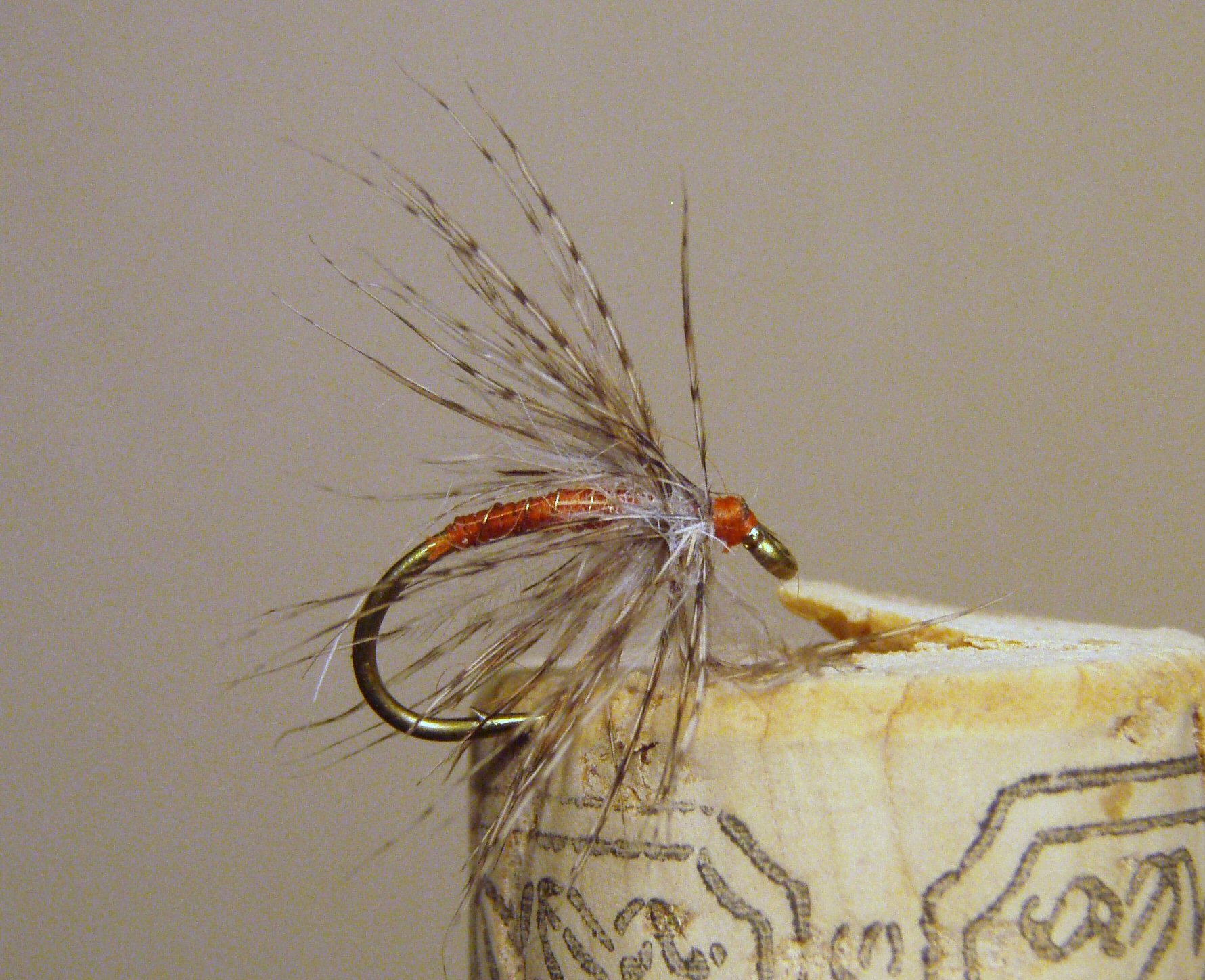
A soft hackle is a wet fly with loose fibers around its front. A Partridge and Orange is one example; you do not need that exact color to use these presentations.
Orvis teaches both a dead drift and a down-and-across swing. Trout Unlimited describes the dead drift as useful for fish feeding high in the water without taking surface flies. Treat these as starting choices, not a rule that every trout follows.
| What you see | First presentation | Why |
|---|---|---|
| A fish or a clear feeding lane just below the surface | Dead drift through that lane | Give the fly time to pass at the current's pace. |
| A broad riffle or run with no fish position to aim at | Swing across one lane at a time | Cover water without repeatedly casting at one spot. |
| You are unsure | Drift, then let the same cast swing | See whether a response comes before or after the line tightens. |
The choice is about presentation, not buying a different fly.
Fish the drift and swing in one cast
Start with a floating line, a trout leader, and one unweighted soft hackle. Cast slightly upstream and across a safe lane. Let the fly settle below the surface and follow it with the rod tip so the line does not pull it sideways at once.
Mend the line when a faster current starts to drag the fly. Move the line, not the fly. If you are new to mending, practice the short motion before adding a second fly or extra weight.
Near the end of the drift, stop feeding slack and let the line come gently under tension. Follow the fly as it arcs across the current. Pause briefly at the end before lifting for the next cast. Orvis's swing lesson shows how mends and a little slack can keep the fly in a chosen lane instead of racing across it.
Change the presentation before the pattern
If the fly skates on top as soon as it lands, the line has come tight too early. Cast a little farther upstream or mend sooner so the fly gets a short free drift.
If fish respond only as the line tightens, repeat the same drift and let the lift happen in the same lane. If you see fish taking beneath the film but the swinging fly crosses them too quickly, keep more slack and favor the dead drift.
An unweighted soft hackle usually fishes high. If you need to reach fish near the bottom, change the depth plan rather than pretending this light fly is already there. A weighted soft hackle or a nymph rig can be the better tool. Orvis and Trout Unlimited both describe soft hackles as useful in more than one part of the water column.