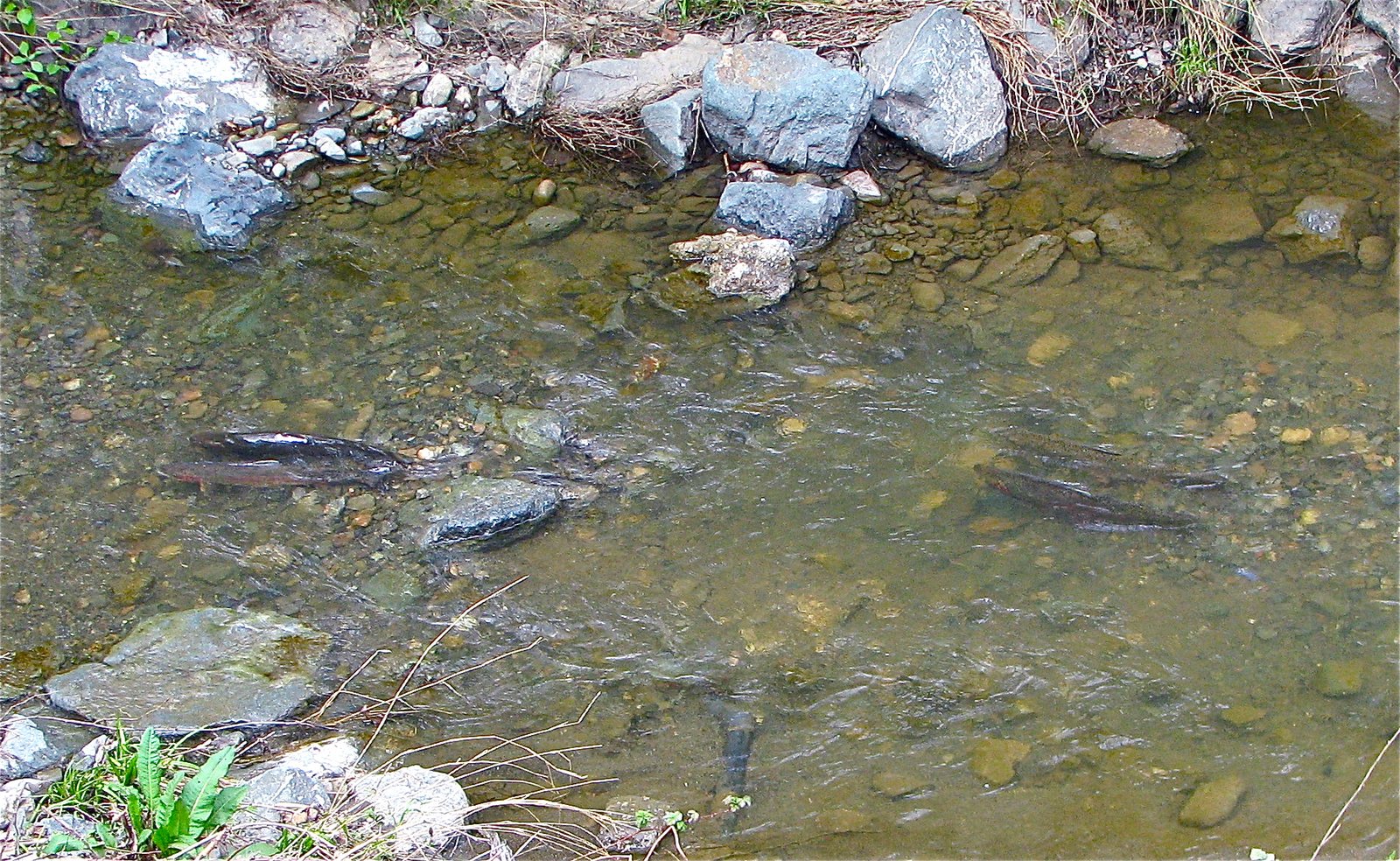
Illustrated shallow trout stream with a lighter oval gravel patch left undisturbed
All guides

Conservation · 5 min read

How to Spot Trout Redds Before You Wade

A quick field guide for recognizing clean oval gravel, giving spawning trout room, and choosing another line when you are not sure.

Get the short answer
Published 2026-09-21Updated 2026-09-213 cited sources

The short answer

A trout redd is a clean, lighter oval patch of small or medium gravel where fish have cleared space for eggs. Before you wade, scan shallow riffles, tailouts, and gravel bars; if a patch looks freshly swept, raised, or different from the darker bottom around it, do not step there or cast to fish holding on it. When you are not sure, give the gravel space.

Remember these three things
01

Look before every shallow step, especially around clean gravel in spawning season.

02

Do not stand on, walk through, or cast at fish holding on a likely redd.

03

If the gravel looks different and you cannot explain why, give it a wide berth.

01

Pause before shallow gravel

Do the redd check before your first step. The risky water is often shallow enough to feel harmless: clean gravel near a tailout, side channel, riffle lip, or bank seam.

Stop on dry ground, look through the glare, and choose a route that avoids bright gravel patches and paired-up fish.

Before you stepWhat to checkSafer move
Clean shallow gravel aheadLight oval patches, fresh-looking stones, small mounds, or depressions.Walk around it, stay on dry bank, or cross in deeper non-spawning substrate.
Fish holding on the patchPaired fish, bright colors, territorial movement, or fish that do not slide away.Do not cast at them. Move to another run.
Glare or chop hides the bottomYou cannot clearly see where your boots will land.Assume less, not more. Use the bank or wait for a better angle.

The redd check is a route decision first and a fishing decision second.

02

Know what a redd looks like

Arkansas Game and Fish Commission describes trout redds as clean, oval patches of small to medium gravel, often lighter than the surrounding streambed, usually with a depression or mound where gravel was moved over the eggs.

Redds are not always perfect circles. Look for contrast: a swept patch of gravel inside a darker, algae-stained, silty, or leaf-covered bottom. Do not poke the gravel to check.

Field clueLikely meaningDecision
Bright oval gravelA fish may have cleaned algae and silt from the stones.Avoid stepping or anchoring there.
Small mound below a shallow depressionGravel may have been excavated and pushed downstream.Give the whole patch room, not just the center.
Paired trout in shallow waterThey may be spawning or guarding the nest area.Do not target those fish.

A redd is easiest to avoid when you look for the whole pattern, not one stone.

03

Give spawning fish room

Avoiding the gravel is only part of the job. AGFC warns that disturbing redds or spawning trout can cause damage, and that removing a large brown trout from a guarded redd can expose the redd to predators.

A peer-reviewed wading study found that trout egg and pre-emergent fry survival can drop when redds are waded over, with damage depending on timing and frequency. You do not need the exact number at the access; you need the habit of keeping boots off likely nests and leaving active spawners alone.

TemptationWhy it is riskyBetter choice
Cast to visible fish on clean gravelThey may be spawning or guarding a redd, not feeding normally.Leave them alone and fish a different lane.
Stand below the redd to fish upstreamYour boots and line path can still disturb the area.Move far enough that your wade path, cast, and landing angle avoid the gravel.
Step across because it is shallowShallow does not mean empty; redds are often in shallow moving water.Cross on bedrock, deep non-gravel bottom, or dry bank when possible.

If your plan needs the redd as a platform, target, or landing zone, change the plan.

04

When you are unsure, stay out

Redd identification is never perfect from a bank. Sun angle, leaf stain, ice, depth, and water color can all hide the bottom. That uncertainty is the point of the conservative rule.

Use BlueStreamFly the same way here that you would for temperature, lightning, or high water: make the safer choice before momentum takes over. Fish from shore, work deeper slots, move to pocket water without clean gravel, or come back when spawning pressure is lower.

Next step

Before stepping into shallow gravel, pause on the bank, pick a dry or deep-water travel line, and leave any clean oval patch untouched.

Questions answered

Keep the plan simple.

What is a trout redd?+

A trout redd is a nest in gravel that spawning trout clear, use for eggs, and cover again with moved gravel. It often looks like a clean, lighter oval patch in shallow moving water.

How can I tell if gravel is a redd?+

Look for a bright swept patch, small depression, mound of moved gravel, and fish paired or holding in shallow water. If the spot looks freshly cleaned compared with the darker bottom around it, avoid it.

Can I fish near redds if I do not step on them?+

Do not cast to spawning fish or use the redd area as your stance, drift lane, or landing zone. If you fish nearby, stay far enough away that your boots, line, and hooked fish do not disturb the gravel.

Are redds only a fall problem?+

No. Brown and brook trout often make anglers think about fall redds, while rainbow and cutthroat timing is often spring or early summer depending on place and water temperature. Local rules and species matter.

What should I do if I already walked on a redd?+

Step off carefully, stop using that path, and choose a bank or deeper non-gravel route. Do not dig or smooth the gravel to fix it.

References

Sources used.

These references support the decisions and thresholds explained in this guide.

Arkansas Game and Fish CommissionWatch out for the redds during winter trout tripsiFishiBelongWhat Are Fish Redds? How to Spot and Protect Trout Spawning BedsNorth American Journal of Fisheries ManagementEffects of Angler Wading on Survival of Trout Eggs and Pre-emergent Fry