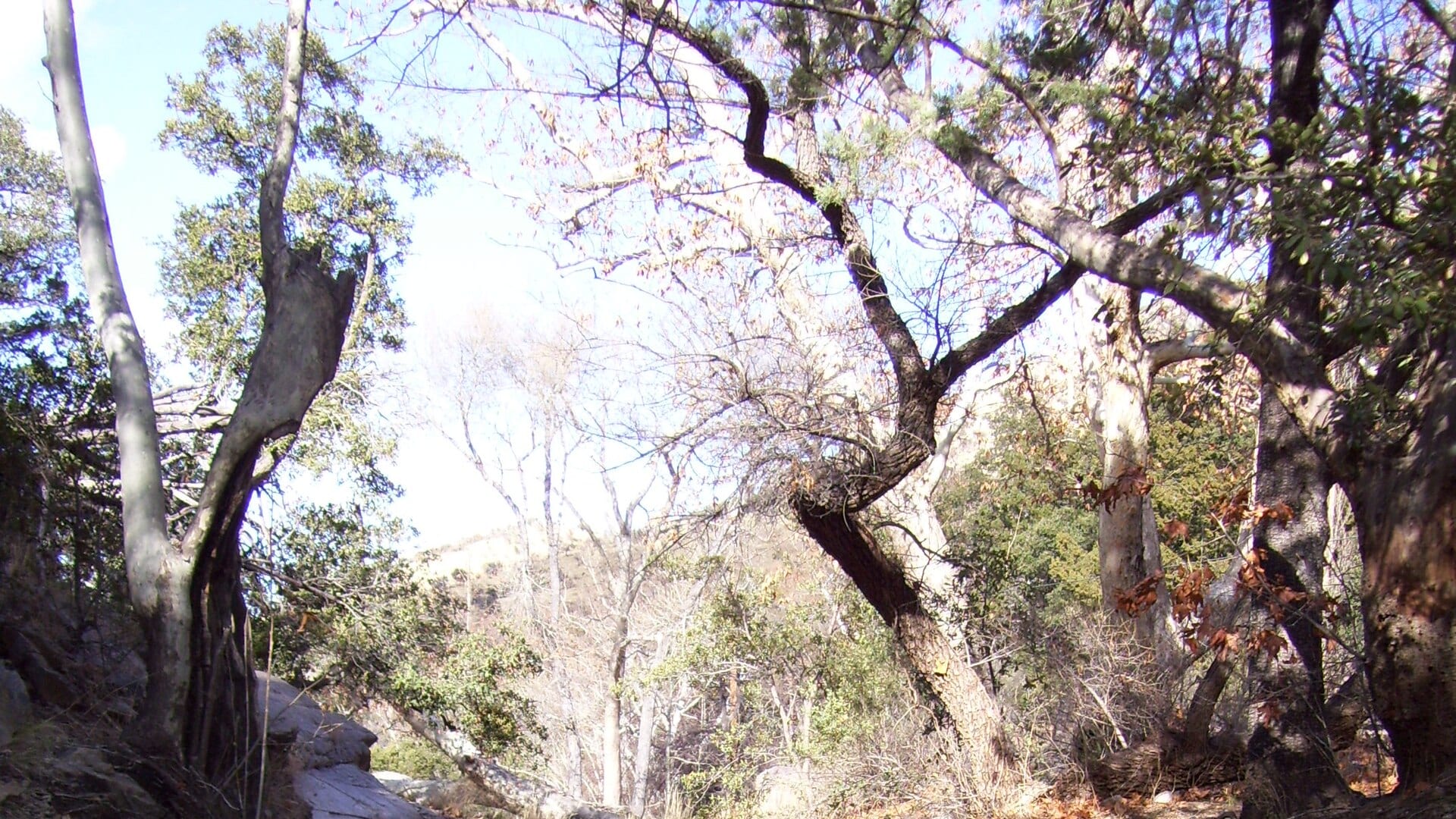
Clear trout creek where anglers should clean wading gear before moving to another water
All guides

Conservation · 10 min read

How to Clean Fly Fishing Gear Between Rivers

Scrub, drain, dry, and follow local decontamination rules before you move to backup water or another watershed.

Get the short answer
Published 2026-08-13Updated 2026-08-136 cited sources

The short answer

Clean gear before you leave the access, drain anything that holds water, dry it fully before the next water, and follow any local decontamination rule for known invasive-species waters. Scrub mud from boots, waders, nets, laces, boats, and small tools; never move bait, water, plants, mud, or live organisms to another river.

Remember these three things
01

Clean, drain, and dry is part of the trip plan, especially when you switch to backup water.

02

Boot seams, laces, felt, gravel guards, nets, boats, anchors, and wet bags can all carry mud or water.

03

Known invasive-species waters may require a stricter state or park protocol than a normal quick rinse.

01

Clean before you change water

The risky moment is often the useful BlueStreamFly moment: your first river is blown out, too warm, crowded, or closed, so you open another report and move to backup water. That switch can also move mud, plants, snails, larvae, or standing water if your gear stays wet and dirty.

Use clean, drain, dry as a field habit, not a garage chore. Clean visible mud, plants, animals, and sand before you leave the access. Drain anything that holds water. Dry the gear before the next water, or use a clean spare set when you cannot wait.

A good fishability plan should protect the next river too. If you cannot move with clean gear, choose a same-drainage option, fish from dry ground, or end the day instead of carrying hitchhikers to a new stream.

Trip moveWhat can go wrongClean-gear rule
Same access, same waterMud and weeds still move around the bank.Brush off boots, net, and tools before loading the car.
New reach in the same drainageWet gear can move organisms upstream, downstream, or to a tributary.Clean visible debris and drain standing water before leaving the first stop.
Different watershed or backup riverThis is the highest-risk normal angler move.Use clean, drain, dry before the move, or switch to a clean dry gear set.
Known affected water or posted decontamination siteA normal rinse may not satisfy the local rule.Follow the official state, park, or access-point protocol before fishing another water.
Boat, float tube, or raft dayWater hides in floors, anchors, pumps, pockets, and bilges.Drain every compartment and dry or inspect the craft before the next launch.

Backup water is useful only when your gear can move cleanly with the plan.

02

Use a five-minute access checklist

Do the messy work while you can still see what came from that water. Once mud dries into boot seams or a net rides home wet in a bag, the job gets easier to skip and harder to do well.

Start from the bottom up. Boots, wader feet, gravel guards, laces, nets, anchors, and wet bags deserve more attention than the rod and reel. Anything that touched mud, weeds, fish slime, or standing water belongs in the check.

Keep the kit simple. A stiff brush, small towel, trash bag or dry bag, spare socks, and a clean backup net or boot set solve more problems than a perfect plan left at home.

GearWhat to look forFast action
Boot soles, felt, seams, and lacesMud, sand, weeds, tiny shells, or soft organic material.Scrub until the texture is visible and debris is gone.
Waders and gravel guardsWet cuffs, trapped sand, and folded fabric.Rinse or wipe, turn cuffs open, and hang them where air can reach them.
Landing netWet mesh, leaves, algae, fish slime, and mud on the handle.Shake it clean, rinse where allowed, towel it, and let it dry fully.
Boat, tube, anchor, rope, and pumpStanding water, plant fragments, and mud in seams or floor pockets.Drain, wipe, inspect, and leave compartments open for drying.
Bait, fish parts, weeds, or mystery organismsAnything alive or once alive that came from the water.Dispose of it in the trash where legal; never dump it into another water.

The best checklist is short enough to run before you leave the parking area.

03

Drying is not optional

Drying matters because small organisms can hide in water, damp fabric, mud, and seams. A quick shake is better than nothing, but it is not the same as dry gear.

The general clean, drain, dry message uses a simple public rule: let gear dry for several days, or wipe it before reuse when full drying is not possible. That is a baseline. It does not replace special decontamination rules on posted waters.

If you often fish two rivers in one day, the practical answer is a second clean set: dry boots or wet-wading shoes, a spare net, and a bag that keeps used gear away from clean gear.

Next water timingBetter moveWhy it helps
Same afternoonUse a clean dry spare set, or stay with the same water system.Most gear will not dry fully between stops.
Next dayHang gear open, separate wet layers, and avoid packing it tight overnight.Air flow matters more than leaving wet gear in a closed bag.
Five days or moreClean, drain, and dry everything fully before reuse.This matches the common national baseline when no stricter local rule applies.
Known New Zealand mudsnail or affected waterCheck the state or manager protocol before you leave that water.Some waters require freezing, hot water, longer drying, or a prescribed decontamination step.
No time and no clean gearDo not move to a different watershed.The conservation risk is part of the go, shift, or skip decision.

Drying time is a planning input, just like flow, weather, and access.

04

Follow the local decontamination rule

Clean, drain, dry is the baseline. Local rules can be stricter when a river, lake, or reach is listed for aquatic invasive species. Treat the posted rule and the current fish-and-wildlife agency page as the authority.

Arizona's Canyon Creek is a good example. Arizona Game and Fish added the creek to its affected-waters list after confirming New Zealand mudsnails and says anglers must clean, drain, dry, and decontaminate equipment before using it in another Arizona water.

Do not invent a chemical recipe from memory. National guidance warns that chemicals can damage equipment, harm people, or harm the environment, and state protocols vary. If the water requires decontamination, use the official method for that water and dispose of rinse or bath water away from the stream.

Official signalWhat it meansField decision
Affected water, Director's Order, or invasive-species noticeThe water has a known risk that may carry legal duties.Read the current state or manager protocol before moving gear.
Boot-cleaning station or posted access signThe access manager expects gear care right there.Use it before leaving, then still dry gear before the next water.
State page lists mudsnail or other AIS protocolBrush-and-rinse alone may not be enough.Follow the listed freeze, hot-water, dry-time, or decontamination option.
No current local source foundYou have less confidence, not permission to skip care.Use national clean, drain, dry steps and avoid moving wet gear between waters.
You cannot complete the required stepThe backup-water plan is not conservation-ready.Pick a dry-bank option, use clean spare gear, or stop for the day.

The stricter local rule wins over a general checklist.

05

Build clean gear into the BlueStreamFly plan

Gear care belongs beside flow, temperature, weather, and access. It is especially important on the days BlueStreamFly helps you compare nearby reports, because multi-river plans create more chances to move water or mud.

Before you drive, name the gear plan the same way you name the fishing plan. If the first river fails, where can you go with clean gear. If you cannot clean or dry fast enough, which option keeps you in the same drainage or on dry ground.

The cleanest day is often the simplest day: one water, one access plan, one dry gear bag, and no wet rush to another watershed.

BlueStreamFly signalGear questionBest move
Backup water looks betterIs the backup in a new drainage or affected water?Clean and dry first, or use a spare clean set.
River is blown outWill muddy boots move sediment to the next stop?Brush and bag dirty gear before changing water.
Low warm trout waterAre you moving from stressed trout water to colder trout water?Clean gear and switch only if the conservation margin improves.
Public access is uncertainDoes the access have a station, sign, or local AIS rule?Check the official source before stepping in.
Multi-day tripCan gear dry fully overnight?Rotate gear sets or build rest days into the plan.

A backup-water plan is strongest when it protects both the angler and the next river.

Next step

Pack a stiff brush, towel, dry bag, and a second clean gear set before a multi-river day.

Find a river

Questions answered

Keep the plan simple.

Do I need to clean waders after every fly-fishing trip?+

Yes. At minimum, remove visible mud, plants, sand, and organisms, drain standing water, and let waders and boots dry before the next water. Use stricter local rules when a water is listed for aquatic invasive species.

Is drying enough to stop aquatic invasive species?+

Drying is part of the baseline, but it is not always enough for same-day moves or affected waters. Clean and drain first, then dry fully. If a local agency requires decontamination, follow that protocol.

Can I fish two rivers in one day?+

Yes, but only if your gear can move cleanly. Use a clean dry spare set, clean and drain before leaving the first water, and avoid switching waters when wet gear cannot be cleaned or decontaminated in time.

Are felt boots worse for invasive species?+

Felt and thick seams can hold mud and water, so they need careful cleaning and drying. Any boot material can carry aquatic invasive species, so rubber soles still need the same clean, drain, dry habit.

Should I use bleach or chemicals on waders?+

Do not use chemicals from memory. Some local protocols name specific decontamination options, but national guidance warns that chemicals can damage gear, hurt people, or harm the environment. Follow the official rule for the water you fished.

What should I keep in a fly-fishing boot-cleaning kit?+

Carry a stiff brush, towel, dry bag or trash bag, spare socks, and a plan for separating used gear from clean gear. Add any state-required decontamination items only when the official local rule calls for them.

References

Sources used.

These references support the decisions and thresholds explained in this guide.

U.S. Fish & Wildlife ServiceClean, Drain, DryNational Park ServiceI Didn't Know That!: Clean, Drain, DryNational Invasive Species Information CenterPathwaysArizona Game and Fish DepartmentNZ mudsnails confirmed in Canyon CreekColorado Parks and WildlifeNew Zealand MudsnailCalifornia Department of Fish and WildlifeCalifornia's Invaders: New Zealand Mudsnail