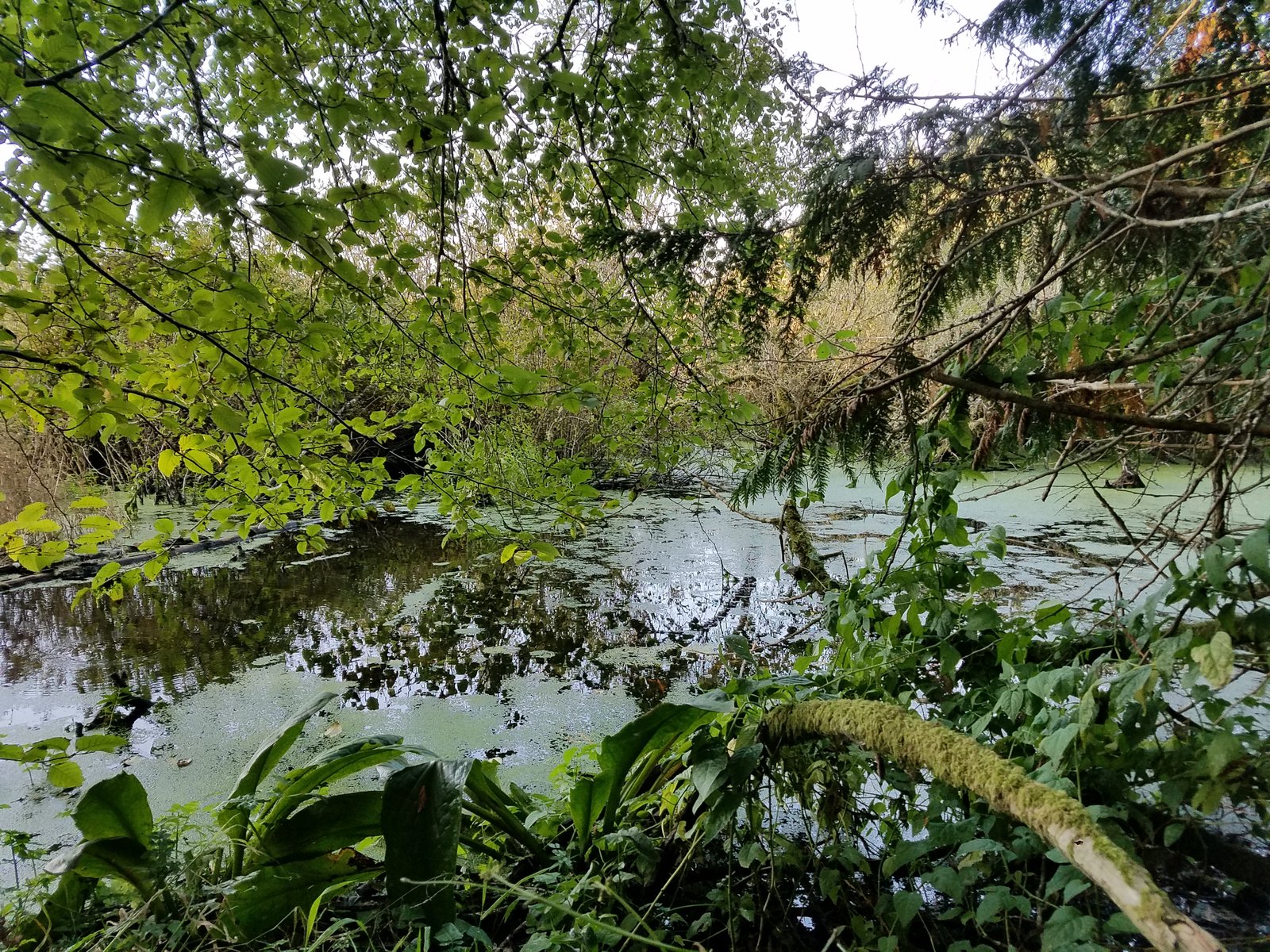
Let the advisory override the score
A harmful algal bloom is a health warning, not a fly-selection problem. Check the local health department, park or wildlife agency and follow posted notices.
CDC advises checking and following swimming, fishing, and shellfish advisories before visiting water. CDC also says to avoid fishing, swimming, boating, or water sports where water smells bad, looks discolored, has foam, scum, mats, paint-like streaks, or dead fish or animals on the shore.
Use the decision table before you start choosing flies. It is intentionally conservative because fly fishing often means wading, kneeling, netting fish, handling wet line, touching boots, and bringing dogs near the bank.
| What you find | What it means | Fishing decision |
|---|---|---|
| Official HAB, cyanobacteria, or toxic-algae advisory | A manager has identified a health concern or active warning. | Skip that water. Pick a clean backup only after checking its own advisory and access notes. |
| Green scum, paint-like streaks, mats, bad odor, or dead fish | Visible warning signs match public-health guidance. | Do not wade, fish, let dogs drink, or put wet gear in the car with clean gear. |
| No advisory, but the water is warm, low, still, and green along the bank | Conditions can favor blooms even before a notice is posted. | Choose another water or skip. Do not use the absence of a posted notice as proof that contact is safe. |
| Normal stringy algae on rocks with clear moving water | This may be nuisance algae rather than a HAB, but footing can be slick. | Use normal caution, avoid swallowing water, and keep checking for local notices. |
| You are unsure | Sight alone cannot prove whether a bloom is toxic. | When in doubt, stay out and use the backup-water plan. |
A bloom warning is a hard filter, not a fly-selection clue.
Know what makes a bloom different
Blue-green algae is a common name for cyanobacteria. Minnesota Pollution Control Agency explains that some blue-green blooms can produce toxins linked to illness in people and animals, and that you cannot tell by looking whether a bloom is toxic.
Warm, calm, sunny, nutrient-rich water can favor blooms. That matters to anglers because the same late-summer pattern that produces low clear banks, slow side channels, or warm reservoirs can also make contact risk more likely.
An active advisory still applies when the water looks clear. Keep dogs away from shoreline mats as well as floating scum.
| Field clue | Why it matters | Angler move |
|---|---|---|
| Pea-soup color, green paint, foam, scum, or mats | These are common public signs used in HAB guidance. | Stay out and check the official advisory source. |
| Bloom pushed to the downwind bank | Wind can concentrate scum where anglers, dogs, and boats enter. | Do not launch or wade through the pileup just because the middle looks cleaner. |
| Dry mats on rocks or shore | EPA photos and state guidance include benthic and shoreline mats, not only floating scum. | Keep dogs away and avoid stepping on or handling mats. |
| No visible bloom, but advisory is active | CDC notes harmful toxins can be present even when signs are not obvious. | Follow the advisory anyway. |
| Dead fish or animals nearby | CDC lists dead fish or animals as a warning sign for avoiding water contact. | Leave and report the concern to the local agency if appropriate. |
The safe field rule is simple: visible bloom signs or an advisory mean no water contact.
Protect pets and people first
Dogs are a major reason to make the decision early. CDC says pets and livestock can get very sick or die within hours after swallowing some harmful algal bloom toxins. They may drink bad-smelling water, eat algae, or lick toxins from wet fur.
People can also get sick through contact, swallowing water, eating affected fish or shellfish, or breathing tiny droplets near affected water. CDC lists symptoms such as stomach pain, rash, headache, coughing, watery eyes, nose irritation, sore throat, and more serious effects in some exposures.
After accidental contact, rinse immediately with clean tap water. Rinse an exposed pet before it licks its fur. Seek medical or veterinary advice for suspected illness.
Do not make fish or gear the loophole
Check the local fish-consumption advisory before keeping fish. CDC warns that toxins cannot be detected by taste or smell and are not removed by cooking.
When the advice is unclear, do not keep fish from affected water. Catch and release is not a workaround: hands, line, nets and fish handling still involve contact.
Gear also matters. Wet boots, nets, dogs, and boat floors can carry scum into the car or to a second access. A HAB day is a clean-gear day even if you decide not to fish.
Do not drink or cook with affected water. Boiling does not remove algal toxins and can concentrate them.
Build a clean-water backup plan
The best backup is not simply the next closest blue line. It is a water with no active HAB warning, cleaner access, less contact, safer temperature, and enough time to avoid rushing.
Check the backup water's own advisories, access, temperature and flow. Moving a few miles does not establish that the water is unaffected.
If every option is warm, low, uncertain, or posted, the right plan is no fishing. Tie flies, clean gear, update maps, or wait for a safer window. A missed trip is better than turning a health warning into a fishing problem.