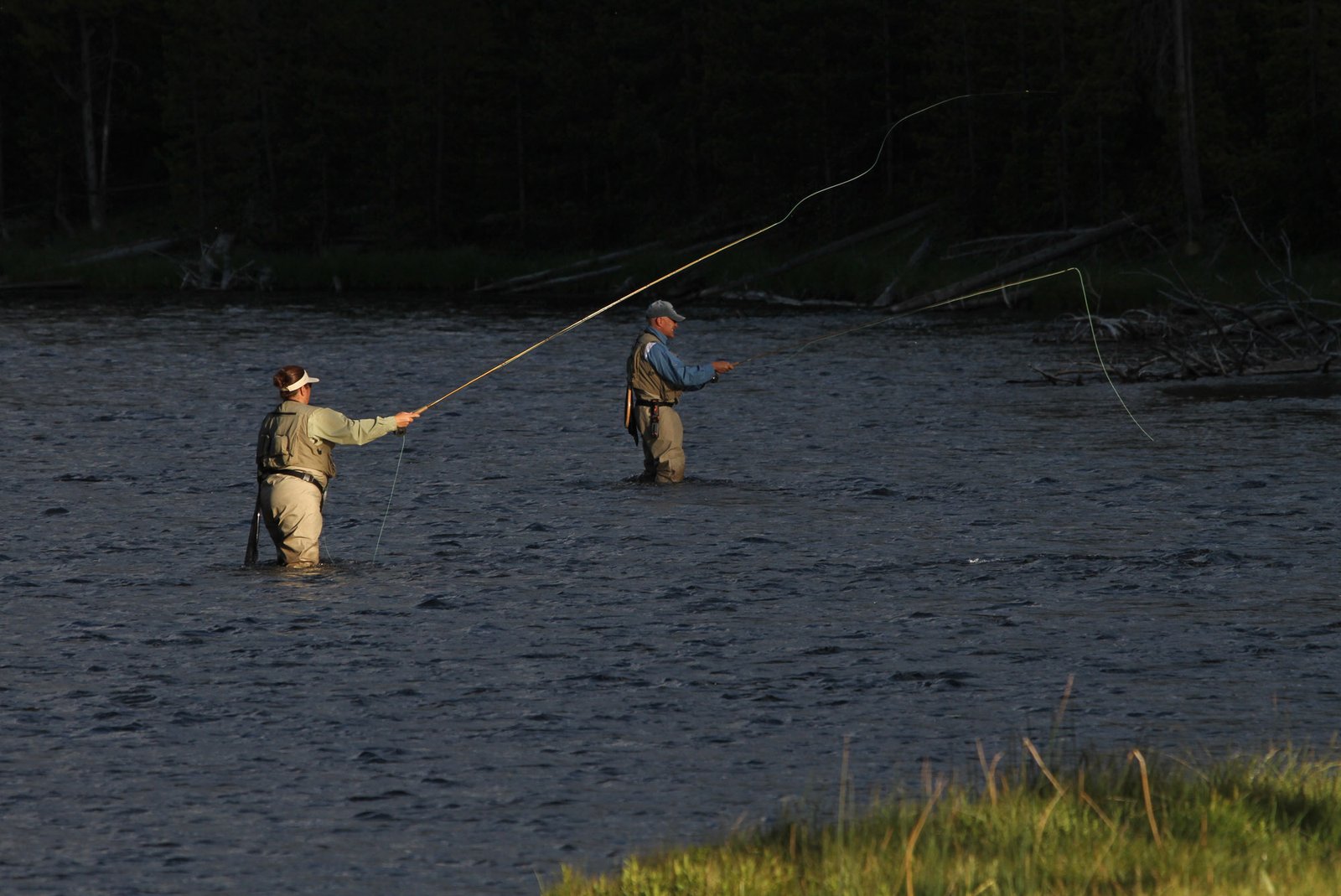
Illustration of fly anglers choosing hip waders for shallow water and chest waders near a deeper run
All guides

Trip Planning · 6 min read

Hip Waders vs Chest Waders: Which Should You Buy?

A plain gear choice for shallow streams, all-day trout water, and the days when waders are not the safest answer.

Get the short answer
Published 2026-09-17Updated 2026-09-176 cited sources

The short answer

Buy hip waders only if you mostly fish shallow water, quick sessions, marshy banks, or small streams where you can stay below knee depth. Buy chest waders if you want one pair for most trout rivers, colder water, uneven bottoms, or any place where a bad step could put water above your thighs. Waist-high waders sit in the middle, but none of them makes deep or fast water safe.

Remember these three things
01

Hip waders are convenient, but they are a shallow-water tool.

02

Chest waders are the safer all-around first pair for most river anglers.

03

Use the river report, gauge trend, weather, and access notes before coverage tempts you deeper.

01

Choose by the water you actually wade

The best wader height is not the tallest one you can afford. It is the one that matches the water you actually step into most days.

Hip waders work when you stay shallow and move fast. Chest waders work when the bottom changes, the water is cold, or you need coverage for a stumble. Waist-high waders sit between them.

Start with the river, not the catalog. Check flow, trend, weather, access, and water temperature before you decide what coverage is enough.

Main useBest wader heightWhy
Small stream, shallow crossing, marsh edge, quick bank sessionHip wadersFast to put on, cooler, lighter, and enough when water stays below the knee.
Normal trout river, uneven rocks, cold water, unknown poolsChest wadersMore dry margin when depth changes or one bad step drops you lower than planned.
Warm day, longer walk, knee- to thigh-deep waterWaist-high waders or wading pantsLess hot and bulky than chest waders, with more protection than hip boots.
Fast, pushy, rising, or off-color waterDo not solve it with taller wadersChange access, fish from the bank, pick backup water, or skip.

Coverage is a dry-margin choice, not permission to wade deeper.

02

Use hip waders for shallow, quick water

Hip waders are best when the whole plan stays simple. They shine on tiny trout streams, shallow edges, warm-weather chores, launching a small boat, or a short after-work session where chest waders feel like too much.

Their weakness is also simple: the top is low. A hidden slot, soft bank, wake, or sideways stumble can overtop them quickly.

If you are new and only testing the sport on shallow water, hip waders can be a cheap start. If you already know you will fish bigger rivers, chest waders are usually the better first buy.

Hip waders make sense whenBe careful when
You can fish from the bank or ankle- to knee-deep water.The stream has uneven holes or undercut banks.
You want quick on/off gear for short sessions.You need to cross a channel to reach good water.
Heat and walking comfort matter more than maximum coverage.Cold water would make a spill serious.
You accept that some water will be out of reach.Other anglers in the group plan to wade deeper.

The best hip-wader days are the ones where you never test the top of the boot.

03

Choose chest waders for one all-around pair

Chest waders are the most versatile first pair for most fly anglers because rivers are uneven. You might only intend to stand knee-deep, but one missed rock can drop a leg into thigh-deep water.

That extra fabric also helps in cold weather, rain, brushy access, and all-day fishing. It does not mean you should wade to your chest.

Look for a fit that lets you crouch, climb the bank, and layer without pulling tight. Poor fit is not just annoying; it can make balance and recovery harder.

Chest waders are better whenStill do this
You fish varied trout rivers instead of one small creek.Wear a snug wading belt and keep it closed.
Water is cold, weather is changing, or the walk is brushy.Carry dry clothes and know the exit before you wade.
You need one pair for lessons, guided trips, or travel.Check local rules and conditions first.
The bottom has shelves, holes, boulders, or soft edges.Use a staff or bank route when footing is uncertain.

Chest waders add margin, but balance, belt, footwear, and judgment still do the safety work.

04

Do not let taller waders talk you deeper

The most important safety point is boring on purpose: taller waders keep you drier, not safer by themselves. Moving water can be stronger than it looks, and cold water can turn a fall into a serious problem fast.

Use the same go, shift, or stop decision you would use without waders. If the river is rising, high, fast, off-color, stormy, or hard to exit, choose the bank or another river.

A life jacket is smart on big, cold, or pushy water. The National Park Service recommends life jackets for people on or in the river and warns that current, cold water, and unseen obstacles can surprise visitors.

SignalWhat it means for wadersBetter move
Gauge is rising or above your comfort rangeMore coverage will not fix current speed.Fish from shore or use backup water.
Water is cold enough that a swim would matterA leak or fall has higher consequences.Wear layers, belt up, consider a life jacket, and stay shallower.
You cannot see the bottomYou cannot judge holes, ledges, or foot traps.Move slowly, use a staff, or stay out.
Storms, wind, or poor light are buildingThe exit may be harder than the entry.Leave early instead of relying on gear.

If the condition is the problem, a taller wader is not the solution.

05

Pick fit, fabric, and boots after height

Once height is decided, fit matters more than fancy labels. You should be able to bend, kneel, climb, and add a layer without strain.

Breathable stockingfoot waders are the flexible choice for most trout anglers because you can pair them with wading boots that fit and grip well. Neoprene or insulated bootfoot models can make sense for cold, short, or winter use, but they are hotter and bulkier.

If summer water is warm enough and legal, wet wading with proper footwear may beat any wader. The best gear choice is sometimes no waders at all.

  • Choose breathable stockingfoot waders for most walking and trout fishing.
  • Choose bootfoot or neoprene only when cold, mud, or simple short trips matter more than precise boot fit.
  • Choose wet wading only when the water is warm, clean, legal, and safe for direct contact.

Next step

Check the BlueStreamFly report for the water you plan to fish, then choose the lowest-coverage wader that still gives safe dry margin for that actual depth and current.

Find a river

Questions answered

Keep the plan simple.

Are hip waders enough for fly fishing?+

They are enough for shallow water, short sessions, and small streams where you can stay below knee depth. For most varied trout rivers, chest waders give more useful margin.

Should beginners buy hip waders or chest waders?+

Most beginners should buy breathable chest waders if they want one all-around pair. Hip waders are fine if the plan is truly shallow and budget is the main limit.

Are chest waders safer than hip waders?+

They give more coverage and usually work better with a wading belt, but they do not make unsafe water safe. Current, depth, footing, cold water, and exit route matter more.

Are waist-high waders a good compromise?+

Yes, for warm days, longer walks, and water that stays around knee to thigh depth. They are less bulky than chest waders but give less margin if depth surprises you.

When should I wet wade instead of wearing waders?+

Wet wade when the water is warm enough, legal, clean, and safe for direct contact, and when good shoes or wading boots give enough traction. Carry dry clothes and avoid cold or pushy water.

References

Sources used.

These references support the decisions and thresholds explained in this guide.

The Tackle BoxChest vs Waist vs Hip Waders - What's Right for YouPublic LandsFishing Wader Buying GuideBC FishnChoosing the Correct Pair of Fishing WadersNational Park ServiceRiver SafetyU.S. Geological SurveyWater Data for the NationNational Weather ServiceGet your hourly weather forecast from the NWS