When to use it
- Where the target species, water speed, depth, and season support the exact pattern.
- Use the linked river report as a planning lead, then verify current regulations and local conditions before choosing the fly.
 Reviewed technical illustration
Wet Fly · guide 105
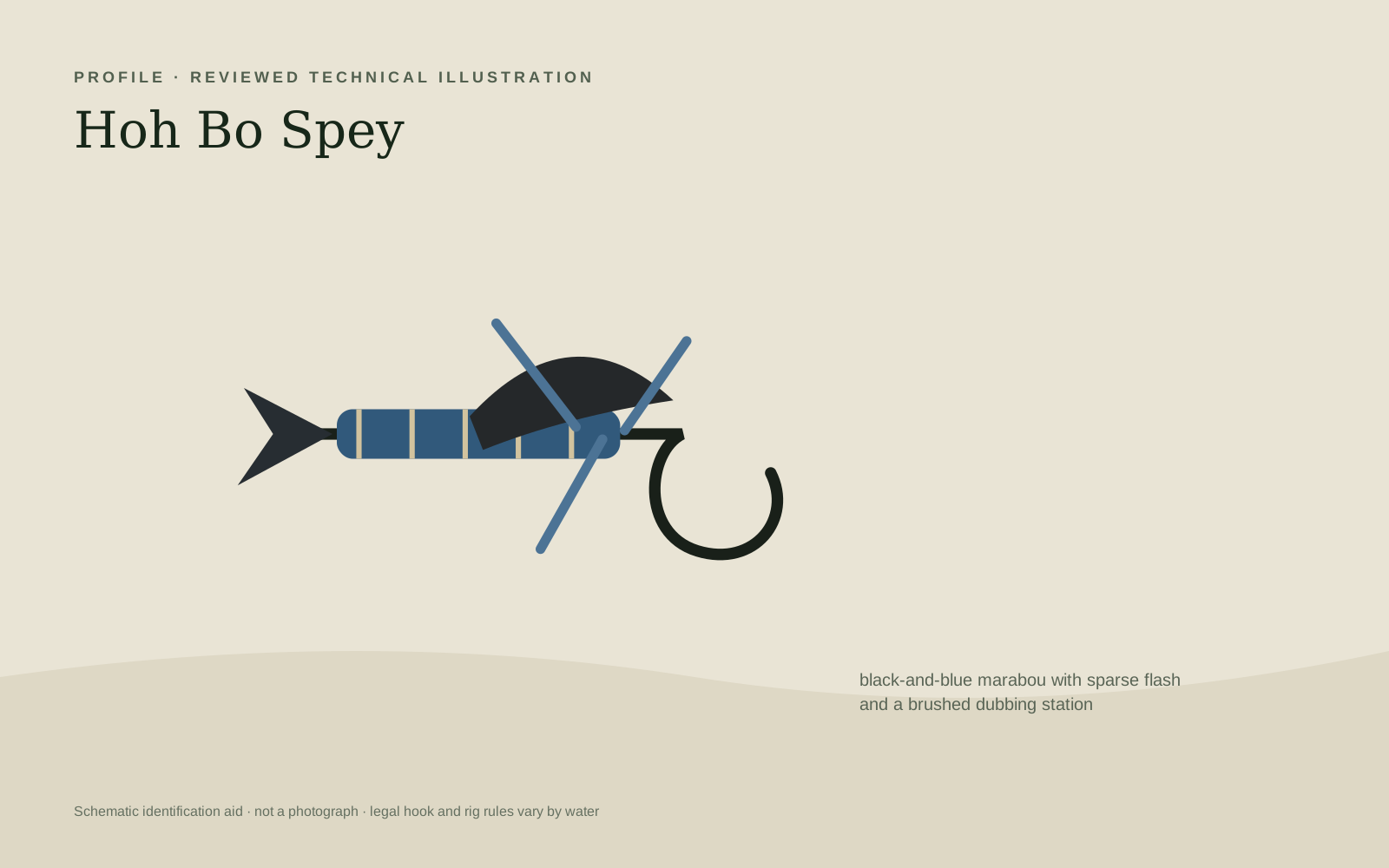
Charles St. Pierre's sparse Intruder-style steelhead fly with a compact shank, dubbing station, flash, and marabou collar.
The reviewed black-and-blue form uses a short shank and separate trailing hook, a brushed dubbing station, sparse flash, and a flowing marabou collar. It is smaller and simpler than many two-station Intruders.
Identification views
A schematic profile emphasizing short shank and separate trailing hook.
On the water
The river, depth, insects, and fish behavior still decide the final presentation. These are reviewed starting points—not a claim about what is happening today.
Variant control
Three reviewed technical illustrations show one identified form, its construction, and its fishing orientation. Hook style, size, color, weighting, trailer-hook system, and local legal status remain labeled variables.
Reviewed identified form
The reviewed black-and-blue form uses a short shank and separate trailing hook, a brushed dubbing station, sparse flash, and a flowing marabou collar. It is smaller and simpler than many two-station Intruders.Review trail
Pattern facts were reviewed on 2026-07-12. Every image has its own rights record and exact label; natural specimens and hand-tied flies can vary in proportion.
© 2026 BlueStreamFly · Mountain Brook Run LLC
© 2026 BlueStreamFly · Mountain Brook Run LLC
© 2026 BlueStreamFly · Mountain Brook Run LLC